
For investors tracking the dynamic semiconductor industry, knowing when Advanced Micro Devices (AMD) reports its quarterly earnings is a critical piece of information. These scheduled disclosures offer a granular look into the company’s financial health, operational performance, and future outlook, significantly influencing investor sentiment and stock price movements. Understanding the cadence of these reports, where to find the dates, and what to analyze within them is fundamental for informed investment decisions, particularly in a volatile sector driven by innovation and market cycles.
The Critical Role of Earnings Reports for AMD Investors
Earnings reports are not mere financial statements; they are comprehensive narratives that can affirm or challenge an investor’s thesis about a company. For a titan like AMD, whose products power everything from personal computers and gaming consoles to advanced data centers and artificial intelligence accelerators, each report offers a window into the broader technology landscape and its economic implications.

Understanding the Earnings Season Cycle
Publicly traded companies in the United States, including AMD, are mandated by the Securities and Exchange Commission (SEC) to report their financial results on a quarterly basis. These reports generally cover periods ending on March 31 (Q1), June 30 (Q2), September 30 (Q3), and December 31 (Q4). The actual reporting dates typically fall a few weeks after the quarter’s end. For AMD, this means investors can anticipate an earnings call and release usually in late April/early May for Q1, late July/early August for Q2, late October/early November for Q3, and late January/early February for Q4. These periods are often referred to as “earnings season,” a time of heightened activity and potential volatility in the stock market.
The predictability of this cycle allows investors and analysts to prepare. Investment firms publish their estimates for key metrics like revenue and earnings per share (EPS) in the weeks leading up to the report, creating benchmarks against which AMD’s actual performance will be judged. The company’s ability to meet, exceed, or fall short of these consensus estimates is often a primary driver of immediate stock price reactions.
Why AMD’s Reports Matter to Your Portfolio
AMD operates in a highly competitive and capital-intensive industry. Its success hinges on continuous innovation, efficient manufacturing, and effective market penetration against formidable rivals. Each earnings report provides specific data points that help investors assess how well the company is executing its strategy. For instance, strong growth in its Data Center segment or increasing market share in the CPU/GPU markets directly translates into revenue growth and improved profitability, which are vital for long-term shareholder value.
Conversely, any signs of weakness, such as declining sales in a key segment, increasing inventory levels, or a reduction in future guidance, can signal headwinds that might impact the stock’s trajectory. For investors, these reports are not just historical summaries but forward-looking indicators, shaping expectations for the coming quarters and years. They are crucial for portfolio rebalancing, risk assessment, and making informed decisions about whether to hold, buy, or sell AMD shares.
How to Pinpoint AMD’s Next Earnings Date
Staying informed about AMD’s earnings schedule requires knowing where to look for official and reliable information. While many financial news outlets cover these events extensively, going directly to the source is often the most accurate approach.
Official Sources: Investor Relations and SEC Filings
The most authoritative source for AMD’s earnings dates is its official Investor Relations (IR) website. Companies typically publish a calendar of investor events, including earnings release dates, conference call details, and webcast links, well in advance. Navigate to AMD’s corporate website and look for a section specifically labeled “Investors,” “Investor Relations,” or similar. Here, you’ll usually find an “Events & Presentations” or “Financial Calendar” page that lists upcoming earnings announcements, often several quarters out.
Another official, albeit more technical, source is the U.S. Securities and Exchange Commission (SEC) database, specifically through the EDGAR (Electronic Data Gathering, Analysis, and Retrieval) system. While the exact earnings date might be announced via a press release before a formal SEC filing, the company is required to file forms like the 8-K (Current Report) detailing significant events, including earnings releases, and later the 10-Q (quarterly report) or 10-K (annual report) containing the full financial statements. These filings confirm the scheduled report and provide detailed financial information.
Financial News Outlets and Calendars

For convenience, numerous reputable financial news websites and investment platforms maintain comprehensive earnings calendars. Sources like Bloomberg, Reuters, The Wall Street Journal, CNBC, Yahoo Finance, and various brokerage platforms often provide real-time updates on earnings dates for thousands of companies, including AMD. These calendars are typically searchable by company ticker (AMD), date, or industry sector, offering a quick way to find the upcoming schedule. Many of these platforms also integrate the earnings call details and links to the webcast, simplifying access for individual investors. While highly convenient, it’s always prudent to cross-reference with AMD’s official IR site if there’s any uncertainty, as third-party calendars occasionally have minor discrepancies or delays in updates.
What Investors Scrutinize in AMD’s Earnings Announcements
Beyond simply knowing when the report is, understanding what to look for is paramount. An AMD earnings report is a multi-faceted document and presentation, rich with data that informs various aspects of a company’s performance and future potential.
Key Financial Metrics: Revenue, EPS, and Guidance
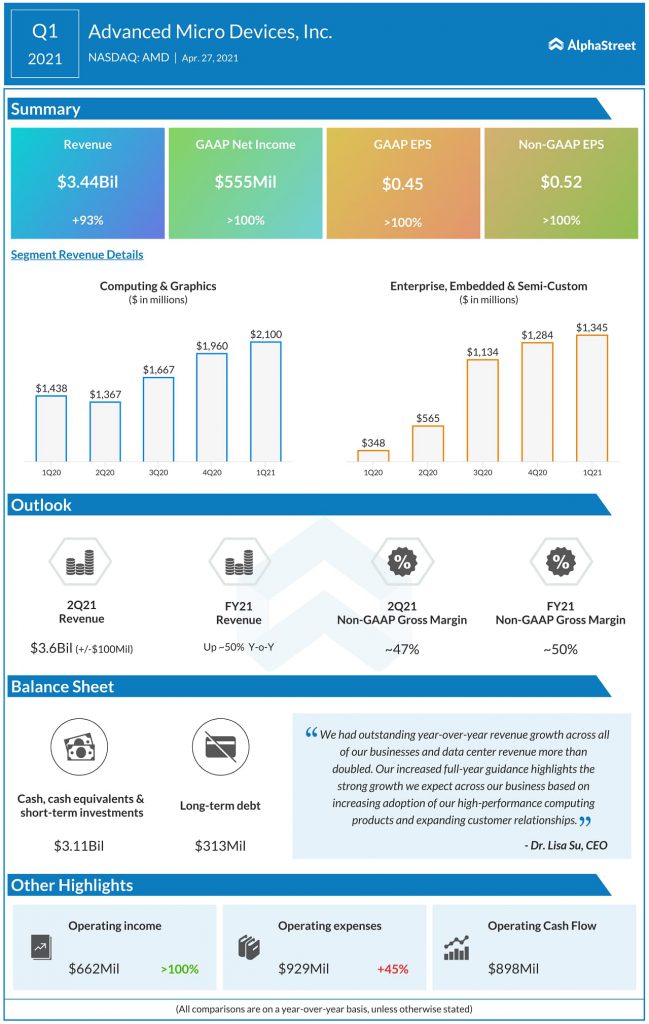
The headline numbers that capture immediate attention are revenue and earnings per share (EPS). Revenue indicates the total sales generated, reflecting the demand for AMD’s processors, GPUs, and other products. EPS, which represents the portion of a company’s profit allocated to each outstanding share of common stock, is a direct measure of profitability on a per-share basis and is often compared against analyst consensus estimates. “Beating” or “missing” these estimates by even a small margin can trigger significant stock movements.
However, equally, if not more, important is the guidance that AMD provides for the upcoming quarter and, sometimes, the full fiscal year. This forward-looking statement from management outlines their expectations for future revenue, gross margins, and operating expenses, offering direct insight into the company’s internal projections and market conditions. Positive guidance often signals confidence in demand and operational execution, while conservative or lowered guidance can suggest anticipated challenges, even if current quarter results were strong.
Other vital metrics include gross margin, which reveals how efficiently AMD is converting sales into profit before operating expenses; operating expenses, detailing R&D, sales, and administrative costs; and free cash flow, indicating the cash available to the company after accounting for capital expenditures, crucial for investments, debt repayment, or share buybacks.
Operational Insights and Market Reaction
Beyond the raw numbers, investors also dig into the operational details provided during the earnings call and in the accompanying press release. This includes:
- Segment Performance: How are AMD’s key segments (e.g., Data Center, Client, Gaming, Embedded) performing individually? Growth or decline in these areas offers insight into market trends and AMD’s strategic effectiveness.
- Product Cycle Updates: Information on upcoming product launches, design wins with major customers, and progress in next-generation technologies (like new CPU or GPU architectures) can signal future revenue drivers.
- Supply Chain and Inventory: Commentary on supply chain constraints, inventory levels, and manufacturing capacity provides a pulse on the company’s ability to meet demand and manage costs.
- Competitive Landscape: While not always explicitly stated, management commentary often alludes to competitive pressures and how AMD plans to differentiate its offerings.
The immediate market reaction to an earnings report is often swift and dramatic. High expectations can lead to a sell-off even on good results if they don’t surpass projections significantly (a “sell the news” event). Conversely, a substantial beat and strong guidance can send the stock soaring. This short-term volatility highlights the importance of not overreacting to single events but integrating the new information into a broader, long-term investment strategy.
Strategies for Navigating AMD’s Earnings Volatility
Earnings season inherently brings increased volatility. For investors, having a strategy to approach AMD’s earnings announcements can help mitigate risk and maximize potential returns.
Pre-Earnings Preparation
Before AMD’s earnings report, savvy investors engage in thorough preparation. This involves reviewing previous earnings calls and reports to understand trends and management’s past commitments. It also means closely following analyst reports and consensus estimates, as these often set the baseline for market expectations. Understanding the broader macroeconomic environment and specific industry trends impacting the semiconductor sector (e.g., PC market health, data center spending, AI adoption rates) is also crucial. Investors might consider trimming positions if they believe expectations are excessively high, or conversely, initiating a small position if they anticipate a positive surprise and are comfortable with the inherent risk. For long-term investors, the focus shifts less on short-term price swings and more on ensuring the company’s fundamental narrative remains intact.
Post-Earnings Analysis and Decision-Making
Once AMD’s earnings are released, the work pivots to comprehensive analysis. This involves comparing the actual results against consensus estimates and the company’s own prior guidance. Beyond the headline figures, dive into the financial statements: the income statement, balance sheet, and cash flow statement. Pay close attention to changes in gross margins, operating expenses, and cash flow generation. Crucially, listen to or read the transcript of the earnings conference call. Management’s commentary and responses to analyst questions often provide invaluable context, nuance, and forward-looking color that the raw numbers alone cannot convey.
Based on this analysis, investors can then make informed decisions. For those with a long-term horizon, a single earnings miss might not warrant selling if the underlying business strategy remains sound and future prospects are strong. However, consistent underperformance, deteriorating guidance, or significant shifts in market dynamics revealed during the call might necessitate a re-evaluation of the investment thesis. Short-term traders might capitalize on the immediate volatility, but long-term investors typically use earnings reports as data points to confirm or adjust their conviction in AMD’s ability to deliver sustainable growth and profitability. Diversification remains a key strategy, ensuring that no single earnings report disproportionately impacts an entire portfolio.
aViewFromTheCave is a participant in the Amazon Services LLC Associates Program, an affiliate advertising program designed to provide a means for sites to earn advertising fees by advertising and linking to Amazon.com. Amazon, the Amazon logo, AmazonSupply, and the AmazonSupply logo are trademarks of Amazon.com, Inc. or its affiliates. As an Amazon Associate we earn affiliate commissions from qualifying purchases.