
In the intricate world of spirits, where heritage, flavor, and artisanal production often dictate market value and consumer perception, dry curacao occupies a distinct and often misunderstood niche. Far from being merely another orange liqueur, dry curacao embodies a carefully cultivated product identity, a specific brand strategy, and a compelling corporate narrative that sets it apart. Understanding “what is dry curacao” fundamentally requires delving into its unique market positioning, the branding efforts that define it, and its strategic role within a brand’s portfolio and the broader cocktail landscape.

Defining Dry Curacao: More Than Just an Ingredient
At its core, dry curacao is an orange-flavored liqueur, but its “dry” designation signifies a critical divergence from its sweeter, often more saccharine counterparts like standard curacao or triple sec. This distinction is the bedrock of its brand identity, appealing to a segment of the market that prioritizes balance, complexity, and a less cloying sweetness in their spirits.
The Core Product Identity: From Orange to Liqueur
The fundamental identity of curacao liqueur originates from the bitter Lahara oranges, a unique variety primarily found on the island of Curaçao. These oranges, descended from Spanish Seville oranges, developed a distinct bitter flavor profile due to the island’s arid climate. Traditional curacao production involves drying the peels of these oranges, then steeping them in alcohol (often a cane spirit or brandy base), followed by distillation and sweetening.
The “dry” variant, however, leans into a specific facet of this heritage. Its product identity is built upon a reduced sugar content, allowing the complex, often bitter, and aromatic notes of the orange peel to shine through more prominently. This usually results in a more robust, less syrupy mouthfeel and a higher alcohol by volume (ABV) compared to many standard orange liqueurs. For brands, emphasizing this dryness is about communicating a commitment to flavor integrity and a sophisticated palate, rather than just delivering sweetness. It positions the product as an essential, rather than merely an enhancing, component in mixology.
Market Positioning and Consumer Perception
The positioning of dry curacao in the market is strategically aimed at a discerning audience: professional bartenders, serious cocktail enthusiasts, and consumers who appreciate nuance in their drinks. Unlike mass-market triple secs, which often serve as generic sweeteners, dry curacao is marketed as a sophisticated modifier, capable of adding depth and structure to a wide array of cocktails.
Consumer perception of dry curacao is often linked to quality, authenticity, and an elevated drinking experience. Brands leverage this by highlighting artisanal production methods, the specific origin of their oranges, or a multi-generational heritage. The “dry” attribute itself signals a move away from the often-maligned overly sweet cocktail culture, aligning with modern trends towards balanced, ingredient-focused mixology. This perception allows brands to command a premium price point and fosters loyalty among a community that values craft and quality over simple utility.
Brand Strategy: Carving a Niche with “Dry” Distinction
In a crowded spirits market, successful brands of dry curacao employ specific strategies to differentiate themselves, turning the “dry” characteristic from a simple descriptor into a powerful brand asset. This involves meticulous attention to flavor, packaging, and targeted marketing.
Differentiating Through Flavor Profile and Production
For a dry curacao brand, the flavor profile is the ultimate differentiator and a cornerstone of its brand strategy. Brands invest in meticulous sourcing of orange peels, experimenting with different varieties of bitter and sweet oranges, and refining distillation processes. Some may age their spirits, use a specific base alcohol (like cognac or aged brandy), or incorporate proprietary botanical blends to create a unique taste signature.
Communicating these production nuances is key to branding. Marketing materials often detail the provenance of their oranges, the number of distillations, or the specific aging regimen. This narrative helps build a brand story around craftsmanship and expertise, distinguishing it from competitors. For instance, a brand might emphasize “double-distilled Lahara peels” or “cognac-based dry curacao” to immediately signal a superior product identity and quality commitment. This focus on process and ingredient elevates the product from a generic liqueur to a distinctive spirit with character.
Packaging and Design as Identity Markers
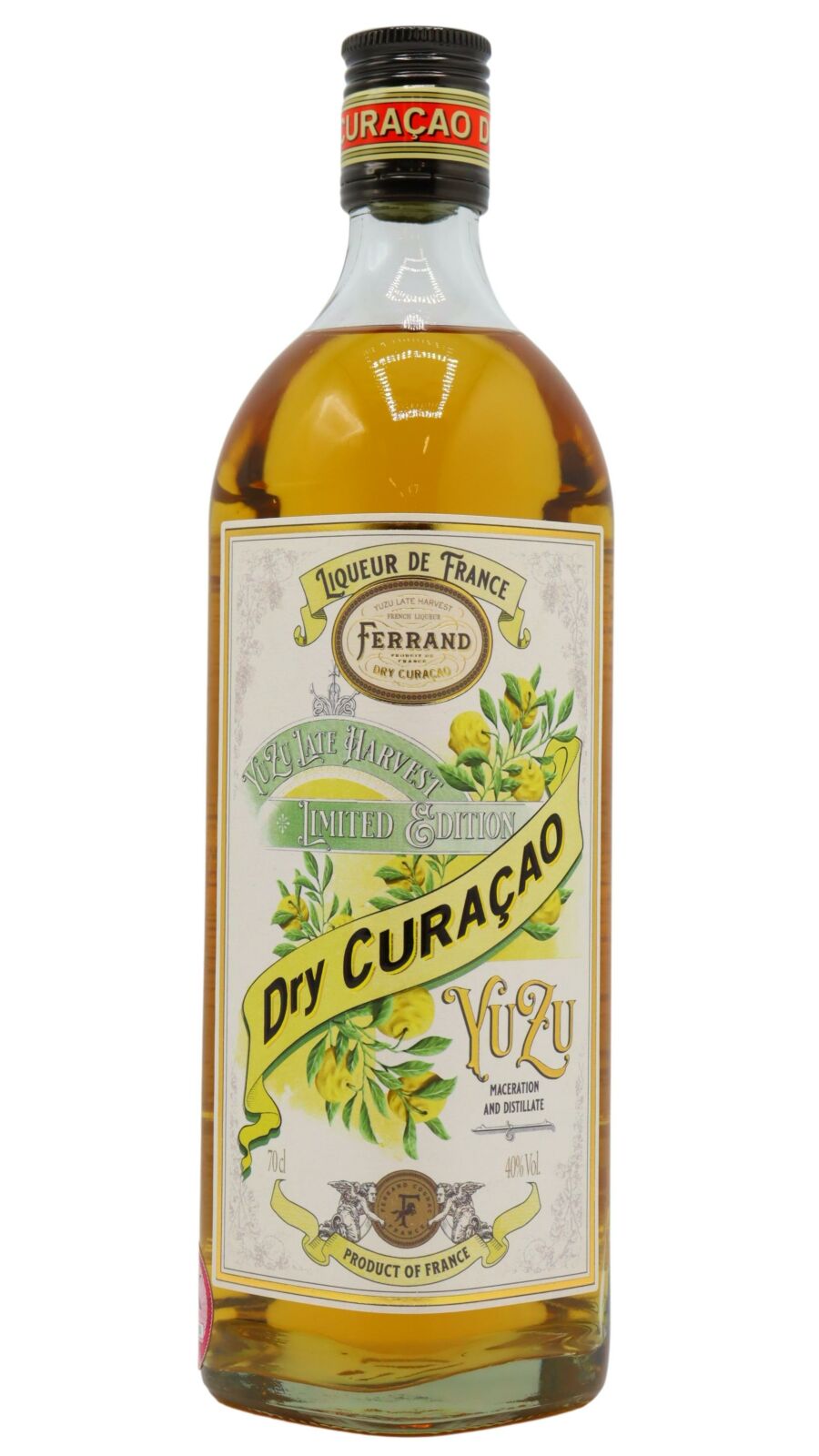
Packaging is an indispensable tool for communicating the brand identity of dry curacao. Unlike the often brightly colored and overtly sweet-looking bottles of generic liqueurs, dry curacao brands typically opt for designs that convey elegance, tradition, and sophistication. Bottles might feature classic, understated shapes, amber or dark glass, and labels with a vintage aesthetic, intricate typography, or historical emblems.
The visual identity often shies away from vibrant, playful colors in favor of muted tones, rich textures, and metallic accents that suggest heritage and premium quality. These design choices are strategic; they aim to resonate with consumers who appreciate fine spirits and understand that “dry” implies a refined, rather than flamboyant, experience. The design reinforces the narrative of a serious, essential cocktail component, rather than a frivolous mixer.
Marketing to the Bartender and Enthusiast Community
The marketing strategy for dry curacao is highly targeted, focusing heavily on the gatekeepers and influencers of the cocktail world: professional bartenders, mixologists, and passionate home cocktail enthusiasts. Traditional advertising campaigns are often less effective than strategic engagement within this community.

Key marketing tactics include:
- Trade Shows and Competitions: Sponsoring or participating in industry events and cocktail competitions provides direct engagement with key influencers and offers opportunities for product demonstration.
- Educational Initiatives: Workshops, tasting sessions, and masterclasses teach bartenders how to best utilize dry curacao in various cocktails, fostering loyalty and advocacy.
- Recipe Development and Collaboration: Partnering with renowned mixologists to create signature cocktails featuring the brand’s dry curacao generates buzz and provides tangible use cases.
- Digital Content: Engaging content creation (blogs, social media, videos) that delves into the history, production, and versatility of dry curacao appeals directly to curious enthusiasts seeking to elevate their home bars.
This focused approach builds brand recognition and credibility within a highly influential niche, driving adoption through recommendation and expertise rather than broad appeal.
Corporate Identity and Heritage: The Story Behind the Bottle
Every bottle of dry curacao carries not just a liquid, but a legacy. The corporate identity of a dry curacao brand is deeply intertwined with its history, its commitment to tradition, and the authenticity it projects to the market.
The Legacy of Curacao and the Emergence of “Dry” Variants
The history of curacao liqueur dates back centuries, rooted in Dutch colonial trade and ingenuity on the island of Curaçao. Early versions were likely sweet, as sugar was plentiful. However, as palates evolved and cocktail culture became more sophisticated, the demand for less sugary, more balanced modifiers grew. This led to the emergence of “dry” variants, often pioneered by distilleries seeking to refine the classic recipe.
For brands, this historical evolution provides a rich narrative. A brand might emphasize its direct lineage to original Dutch distillers, its pioneering role in creating a “dry” expression, or its dedication to preserving traditional methods. Connecting the brand to its historical origins, whether geographical or through a founding family’s legacy, imbues the corporate identity with a sense of authenticity and timelessness, which is highly valued in the premium spirits market.
Brand Storytelling and Authenticity
Authenticity is a powerful currency for dry curacao brands. Consumers, especially those in the craft spirits segment, are not just buying a product; they are buying into a story, a heritage, and a commitment to quality. Effective brand storytelling weaves together elements of origin, craftsmanship, and passion.
A compelling brand story might highlight:
- The unique sourcing of ingredients: “Hand-picked Lahara orange peels from ancient groves.”
- Artisanal production methods: “Small-batch distillation in copper pot stills, overseen by master blenders.”
- Family tradition: “Recipe passed down through generations, guarding the secret of our distinct dry flavor.”
- A commitment to place: “Supporting local farmers on the island of Curaçao.”
These narratives create an emotional connection with consumers, distinguishing a brand in a market where many products might technically taste similar. Authenticity builds trust and fosters a loyal customer base who feel they are part of a brand’s journey and ethos.
Market Impact and Future Trends for Dry Curacao Brands
Dry curacao has played a significant role in shaping modern cocktail culture, and its brands continue to adapt to evolving consumer preferences and market dynamics. Its impact extends beyond individual drinks, influencing broader trends in the spirits industry.
Influence on Cocktail Culture
The quality and availability of dry curacao have profoundly influenced the revival and refinement of classic cocktails, particularly those from the golden age of mixology like the Mai Tai or the Sidecar, which often call for an orange liqueur that adds complexity without overwhelming sweetness. The shift towards dry curacao reflects a broader movement in mixology towards balance, precision, and the use of high-quality, specific ingredients over generic alternatives.
Brands of dry curacao have, therefore, become integral to the “craft cocktail” identity. Their marketing efforts often educate consumers and bartenders alike on the historical accuracy and improved flavor profile achieved by using a high-quality dry curacao, further cementing its essential status in serious mixology.
The Competitive Landscape and Brand Adaptation
The market for dry curacao, while niche, is increasingly competitive. Brands must continually innovate and adapt their strategies to maintain relevance and distinguish themselves. This could involve exploring new flavor profiles within the “dry” spectrum, such as using different types of citrus or botanicals, or innovating with sustainable production practices.
Future trends might see brands emphasizing organic certification, fair trade practices for their orange sourcing, or unique aging statements to differentiate further. Global expansion also presents opportunities and challenges, requiring brands to adapt their messaging and distribution strategies to resonate with diverse international markets while maintaining their core identity. As consumers become more educated and discerning, brands that transparently communicate their values, heritage, and commitment to quality will continue to thrive, solidifying dry curacao’s enduring place in the pantheon of essential spirits.
aViewFromTheCave is a participant in the Amazon Services LLC Associates Program, an affiliate advertising program designed to provide a means for sites to earn advertising fees by advertising and linking to Amazon.com. Amazon, the Amazon logo, AmazonSupply, and the AmazonSupply logo are trademarks of Amazon.com, Inc. or its affiliates. As an Amazon Associate we earn affiliate commissions from qualifying purchases.