
For investors, analysts, and market enthusiasts alike, the earnings report of a company like Apple Inc. (AAPL) is a pivotal event. These quarterly disclosures offer a granular look into the company’s financial health, operational performance, and strategic direction, often dictating short-term stock movements and influencing long-term investment decisions. Understanding when Apple reports its earnings, what to look for, and the broader implications of these reports is crucial for anyone engaging with the financial markets, particularly those interested in tech giants.
Apple typically follows a predictable quarterly earnings calendar, though specific dates can fluctuate slightly. As a publicly traded company on the NASDAQ exchange, Apple is mandated by the U.S. Securities and Exchange Commission (SEC) to release its financial results within a specified timeframe after the close of each fiscal quarter. These reports are more than just numbers; they are a narrative of innovation, consumer demand, and global economic forces converging to shape one of the world’s most valuable companies.
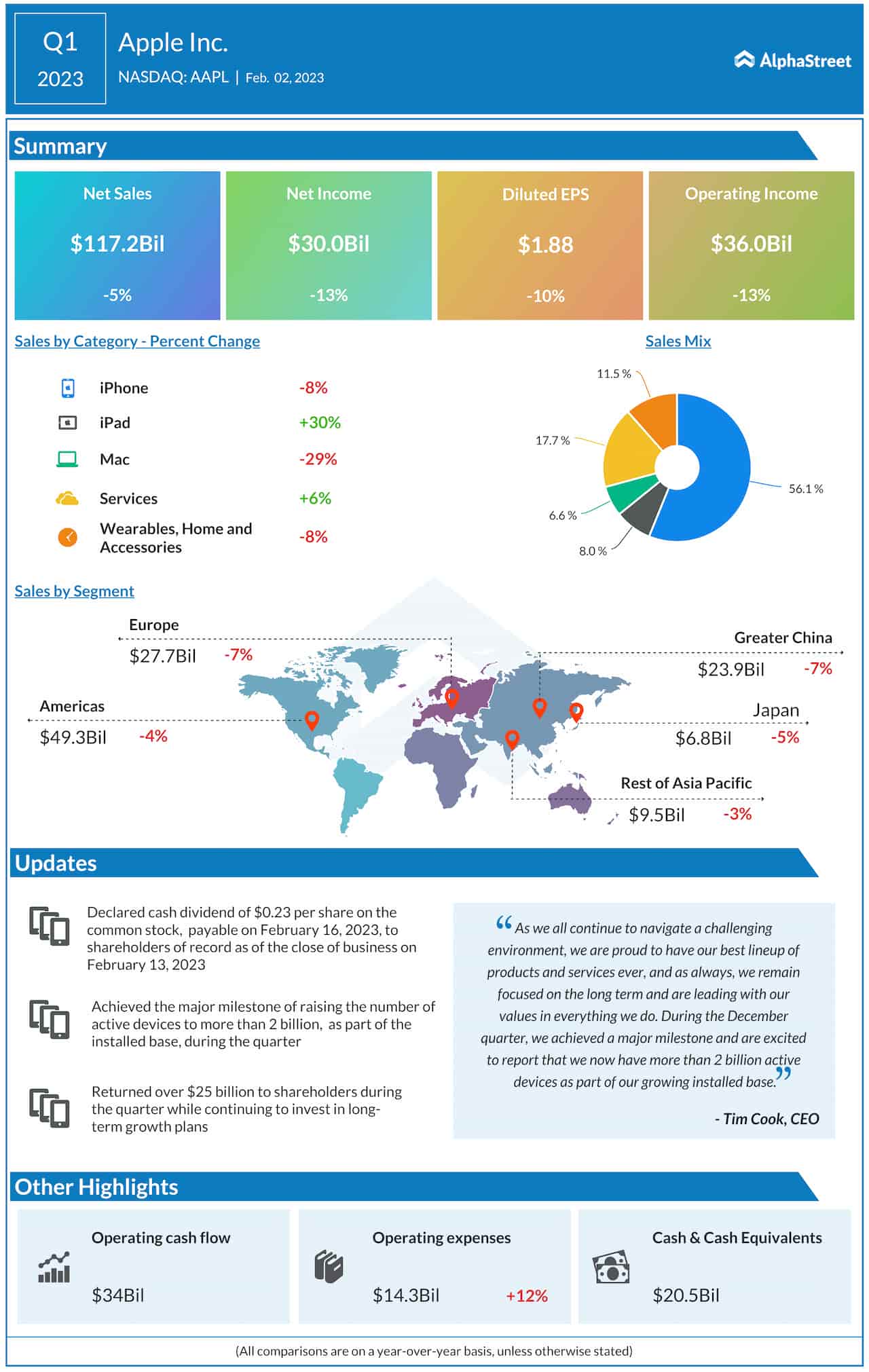
Understanding Apple’s Earnings Reports: What They Are and Why They Matter
An earnings report is a comprehensive financial statement released by a public company, detailing its profitability over a specific period, usually a fiscal quarter. For Apple, these reports are eagerly anticipated events that provide transparency into the company’s vast operations and reveal critical insights into its performance across various product categories and geographic markets.
What an Earnings Report Entails
An Apple earnings report, officially known as a Form 10-Q for quarterly reports and Form 10-K for annual reports, typically includes several key financial statements:
- Income Statement: This statement summarizes revenues, expenses, and profits over the reporting period. For Apple, this means detailing sales from iPhones, Macs, iPads, Wearables, Home and Accessories, and its rapidly growing Services segment. Investors scrutinize revenue growth, gross margins, operating expenses, and ultimately, net income.
- Balance Sheet: A snapshot of Apple’s financial position at a specific point in time, detailing assets (what the company owns), liabilities (what it owes), and shareholder equity (the residual value belonging to owners). This provides insight into Apple’s financial strength, liquidity, and debt levels.
- Cash Flow Statement: This statement tracks how cash is generated and used by the company across its operating, investing, and financing activities. It’s often considered a more accurate reflection of a company’s financial health than net income, as it’s less susceptible to accounting estimates.
- Management Discussion and Analysis (MD&A): This narrative section, often delivered by CEO Tim Cook and CFO Luca Maestri during the earnings call, provides management’s perspective on the company’s financial results, significant events, and future outlook. It often includes forward-looking guidance, which is a critical piece of information for analysts and investors.
The Significance for AAPL Investors
For individuals and institutions holding Apple stock, or those considering an investment, earnings reports are paramount. They serve several critical functions:
- Performance Assessment: Reports allow investors to gauge how well Apple is executing its business strategy. Are iPhone sales meeting expectations? Is the Services segment growing as projected? Is the company managing its costs effectively?
- Valuation Adjustment: Strong or weak earnings can lead to significant revisions in analyst price targets and market valuations. A beat (actual earnings exceeding analyst estimates) or a miss (falling short) can cause immediate and sometimes dramatic shifts in the stock price.
- Dividend and Buyback Insights: Apple is known for its robust capital return program, including dividends and share buybacks. Earnings reports often include updates on these programs, which are important for income-focused investors and those concerned with shareholder value.
- Risk Evaluation: The reports also highlight potential risks, such as supply chain disruptions, macroeconomic headwinds, competitive pressures, or regulatory challenges, allowing investors to reassess their risk tolerance.
Regulatory Requirements and Transparency
As a U.S. publicly traded company, Apple is subject to stringent reporting requirements set by the SEC, primarily through the Securities Exchange Act of 1934. These regulations mandate the timely and accurate disclosure of financial information to ensure market transparency and protect investors. This includes the filing of Forms 10-Q (quarterly) and 10-K (annual), along with proxy statements (Form DEF 14A) and other material event disclosures (Form 8-K). This regulatory framework underpins the reliability and consistency of the data presented in Apple’s earnings reports.
How to Track Apple’s Earnings Calendar
Knowing when Apple reports its earnings is the first step for any informed investor. While the exact date can shift slightly each quarter, the general timeframe is quite consistent.
Official Apple Investor Relations
The most accurate and reliable source for Apple’s earnings release schedule is the company’s official Investor Relations website. This dedicated portal, usually found under the “Company” or “About Us” section of Apple’s main website, provides:
- Upcoming Earnings Dates: A clear announcement of the date and time for the next earnings release and conference call.
- Webcast Links: Live links to the earnings conference call, where management discusses results and answers analyst questions.
- Transcripts and Press Releases: Archives of past earnings releases, financial statements, and call transcripts for historical analysis.
- SEC Filings: Direct access to all official SEC filings (10-K, 10-Q, 8-K), which contain the most detailed financial information.
Investors should make it a habit to check this resource directly to avoid misinformation and ensure they have the latest updates.
Financial News Outlets and Data Providers
Major financial news organizations and data platforms widely report and track Apple’s earnings calendar. These sources include:
- Bloomberg, Reuters, Wall Street Journal, CNBC: These reputable news outlets will publish articles and alerts announcing Apple’s earnings dates well in advance. They also provide pre-earnings analysis and post-earnings commentary.
- Yahoo Finance, Google Finance, Investing.com: These financial data aggregators provide dedicated pages for AAPL stock, including an earnings calendar, analyst estimates, historical data, and often, a link to the webcast.
- Third-Party Financial Calendars: Many investment platforms and financial websites offer comprehensive earnings calendars that list reporting dates for thousands of companies, including Apple.
While these sources are generally reliable, it’s always prudent to cross-reference with Apple’s official Investor Relations site, especially for critical events.
Brokerage Platforms and Financial Apps
Most modern brokerage platforms (e.g., Fidelity, Schwab, E*TRADE, Interactive Brokers) and popular financial apps (e.g., Robinhood, Webull, M1 Finance) integrate earnings calendars directly into their user interfaces. Users can often set up alerts for specific companies like Apple, ensuring they receive notifications when an earnings date is announced or when the report is released. These tools are convenient for investors who manage their portfolios through these platforms.
Key Metrics to Watch in Apple’s Earnings Calls
Beyond simply knowing when the report drops, understanding what to focus on during Apple’s earnings release and subsequent conference call is critical for extracting meaningful insights. Apple’s business is complex and multifaceted, requiring a nuanced approach to its financial disclosures.
Revenue Breakdown by Segment
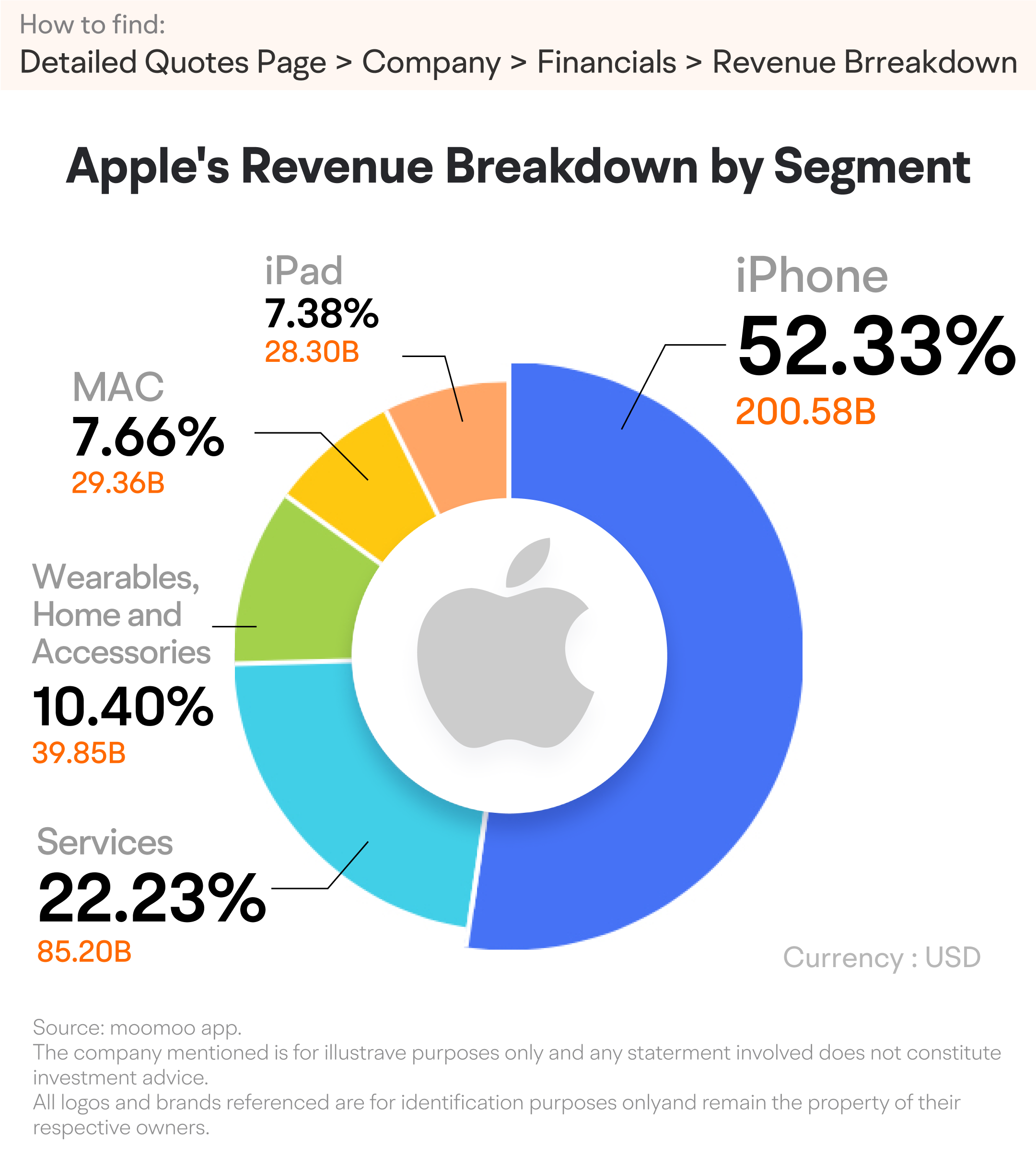
Apple’s revenue is a crucial metric, but the composition of that revenue is even more telling. Investors should pay close attention to the breakdown across its primary segments:
- iPhone: The flagship product, often accounting for the largest share of revenue. Investors watch for unit sales (though Apple no longer reports these directly, analysts infer them), average selling price (ASP), and year-over-year growth.
- Services: This rapidly growing segment includes the App Store, Apple Music, iCloud, Apple Pay, AppleCare, advertising, and more. Its consistent growth and higher margins are critical for Apple’s long-term strategy and diversification.
- Mac and iPad: Performance of these computing devices, often influenced by product refresh cycles and demand from education/business sectors.
- Wearables, Home and Accessories: This segment includes Apple Watch, AirPods, HomePod, and various accessories. It’s a key growth driver, reflecting Apple’s expansion into new product categories and the broader ecosystem.
Understanding the trends in these segments reveals where Apple is finding growth and where it might be facing challenges.
Gross Margins and Profitability
Gross margin (the percentage of revenue left after subtracting the cost of goods sold) is a vital indicator of Apple’s pricing power and supply chain efficiency. Higher gross margins typically signify a healthier and more profitable business. Investors also look at operating margin and net profit margin to assess overall profitability and cost management. Any significant fluctuation in these margins can signal changes in product mix, manufacturing costs, or competitive pressures.
Earnings Per Share (EPS) and Analyst Estimates
Earnings Per Share (EPS) is a widely followed metric, representing the portion of a company’s profit allocated to each outstanding share of common stock. Investors closely compare Apple’s reported EPS against the consensus estimates from financial analysts. A “beat” (actual EPS > estimate) is generally positive, while a “miss” (actual EPS < estimate) is typically negative. The magnitude of the beat or miss, along with the reasons provided by management, often drives immediate stock price reactions.
Guidance for the Next Quarter/Year
Perhaps the most forward-looking and impactful aspect of an earnings report is the company’s guidance for the upcoming quarter or fiscal year. During the earnings call, Apple’s CFO provides a range of expectations for future revenue, gross margin, operating expenses, and tax rate. This guidance offers a direct glimpse into management’s confidence in future performance and market conditions. Investors scrutinize this guidance against their own projections and analyst consensus estimates, as it often sets the tone for future stock performance more than past results.
Cash Flow and Capital Allocation
Apple’s immense cash reserves and robust free cash flow are legendary. Investors look at the cash flow statement to understand how much cash the company is generating from its operations. Furthermore, updates on Apple’s capital allocation strategy are crucial. This includes:
- Dividends: Any changes to the quarterly dividend payout are important for income-focused investors.
- Share Buybacks: Apple frequently engages in massive share repurchase programs, which reduce the number of outstanding shares and can boost EPS, potentially increasing shareholder value. The scale and ongoing commitment to buybacks are closely watched.
The Impact of Apple’s Earnings on Investors and the Market
The moment Apple’s earnings report hits the wire, it sends ripples across the financial markets. The implications extend far beyond just AAPL stock, affecting related industries and broader market sentiment.
Short-Term Stock Volatility
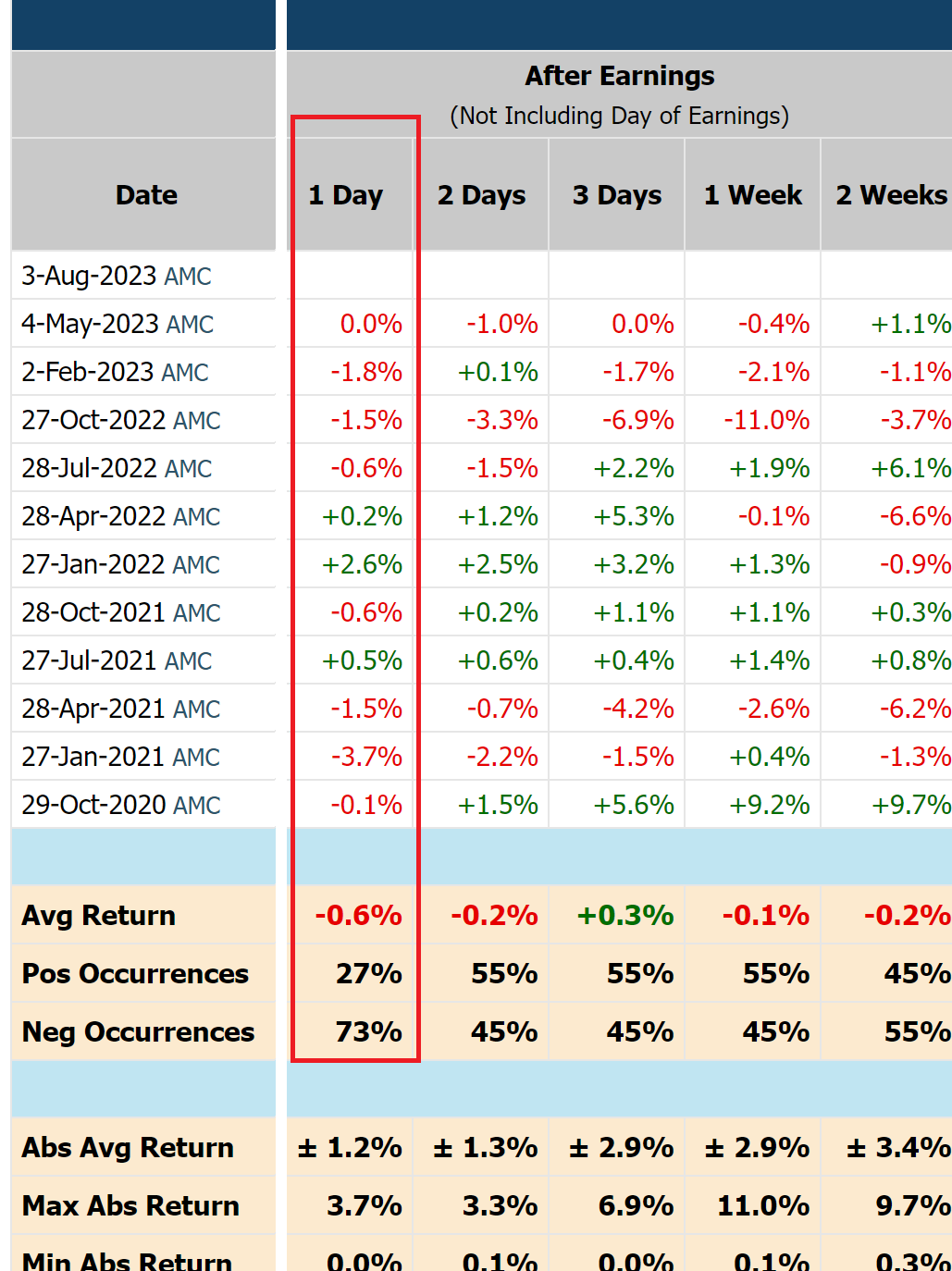
It’s almost a given that AAPL stock will experience heightened volatility immediately following an earnings release. Pre-market and after-hours trading can be particularly frenetic. A report that significantly beats expectations or offers strong guidance can send the stock soaring, while a miss or weak outlook can trigger a sharp decline. This volatility is driven by algorithmic trading, speculative investors, and institutional investors adjusting their positions based on the new information. Retail investors need to be aware of this potential for rapid price swings and understand that immediate reactions may not always reflect long-term value.
Long-Term Valuation and Investor Confidence
While short-term reactions are often dramatic, the long-term impact of earnings reports is about how they influence Apple’s fundamental valuation and investor confidence. Consistent growth, strong profitability, successful product launches, and effective capital allocation reinforce the investment thesis. Conversely, sustained weakness in key segments, shrinking margins, or conservative guidance can lead to a reassessment of Apple’s growth prospects and valuation multiples, potentially impacting its stock price over several quarters or years. Investor confidence is built on a track record of meeting or exceeding expectations and a clear vision for future growth.
Broader Market Sentiment and Sector Influence
Given Apple’s massive market capitalization and its status as a bellwether for the technology sector and consumer discretionary spending, its earnings reports often have a broader impact on the market. A strong Apple report can lift the entire tech sector and contribute positively to overall market sentiment, signaling robust consumer demand and healthy corporate profits. Conversely, a weak report can dampen enthusiasm for tech stocks and even cast a pall over the broader market, as investors fear that Apple’s challenges might be indicative of wider economic issues. Supply chain partners, competitors, and even luxury brands can also be indirectly affected by Apple’s performance.
Beyond the Numbers: Future Outlook and Strategic Implications
While the financial figures provide a snapshot of the past quarter, an insightful investor also looks beyond the raw numbers to understand Apple’s strategic trajectory and future growth drivers.
Product Pipeline and Innovation
During earnings calls, management often drops subtle hints or provides direct commentary on upcoming product launches, technological advancements, and research and development efforts. Investors are keenly interested in Apple’s innovation pipeline, particularly in areas like augmented reality (AR), virtual reality (VR), health tech, and automotive ventures. The success of future products is paramount for maintaining competitive advantage and driving long-term revenue growth. Any mention of delays, new product categories, or strategic shifts can have significant implications.
Geographic Performance and Market Penetration
Apple is a global company, and its performance can vary significantly across different regions. Earnings reports and management commentary often detail sales trends in key markets like the Americas, Europe, Greater China, Japan, and the rest of Asia Pacific. Shifts in market penetration, particularly in emerging markets, or challenges in mature markets due to economic slowdowns or geopolitical tensions, are important to monitor. Growth in service subscriptions in specific geographies, for instance, can point to untapped potential or successful regional strategies.
Competitive Landscape and Macroeconomic Factors
Finally, Apple’s earnings calls often provide a forum for management to discuss broader macroeconomic trends and the competitive landscape. Commentary on inflation, consumer spending habits, supply chain constraints, foreign exchange fluctuations, and the activities of rivals (e.g., Samsung, Google, Meta) offers valuable context. Understanding how Apple navigates these external factors is crucial for assessing its resilience and adaptability in a dynamic global economy. These discussions help investors connect Apple’s performance to the larger economic narrative and anticipate future challenges and opportunities.
In conclusion, for anyone invested in Apple or tracking the broader tech market, knowing “when does AAPL report earnings” is just the starting point. A deeper dive into the detailed financial statements, a keen ear to the management’s insights, and an understanding of the reports’ market implications are essential for making informed decisions and appreciating the full story behind one of the world’s most influential companies.
aViewFromTheCave is a participant in the Amazon Services LLC Associates Program, an affiliate advertising program designed to provide a means for sites to earn advertising fees by advertising and linking to Amazon.com. Amazon, the Amazon logo, AmazonSupply, and the AmazonSupply logo are trademarks of Amazon.com, Inc. or its affiliates. As an Amazon Associate we earn affiliate commissions from qualifying purchases.