
For anyone navigating the complex world of finance, understanding the operating hours of the US stock markets is foundational. It’s not merely a matter of knowing when you can buy or sell; it’s about comprehending the rhythm of global capital, anticipating market reactions, and strategically timing your financial decisions. The seemingly simple question of “when do US markets close?” unravels a multifaceted landscape that impacts investors, traders, and businesses alike, defining windows of opportunity, risk, and significant economic activity.
The US financial markets, particularly the major stock exchanges like the New York Stock Exchange (NYSE) and the NASDAQ, are the engines of the global economy. Their operating hours dictate the primary periods of price discovery, liquidity, and information flow for countless publicly traded companies. However, the concept of “closing” is more nuanced than a simple switch-off, encompassing standard trading sessions, extended hours, and a calendar punctuated by weekends and holidays. Grasping these intricacies is essential for effective portfolio management, risk mitigation, and leveraging market movements to one’s advantage. This article will meticulously break down the US market’s operational schedule, exploring the standard hours, the less-known extended sessions, the impact of holidays, and how these timings influence various financial instruments and investment strategies.
Understanding the Core Trading Hours
The heart of US stock market activity beats during specific, well-defined hours. This is the period when liquidity is highest, information is most rapidly disseminated, and the vast majority of trading volume occurs. Understanding these core hours is the first step for any investor or financial professional.
The Standard Wall Street Schedule
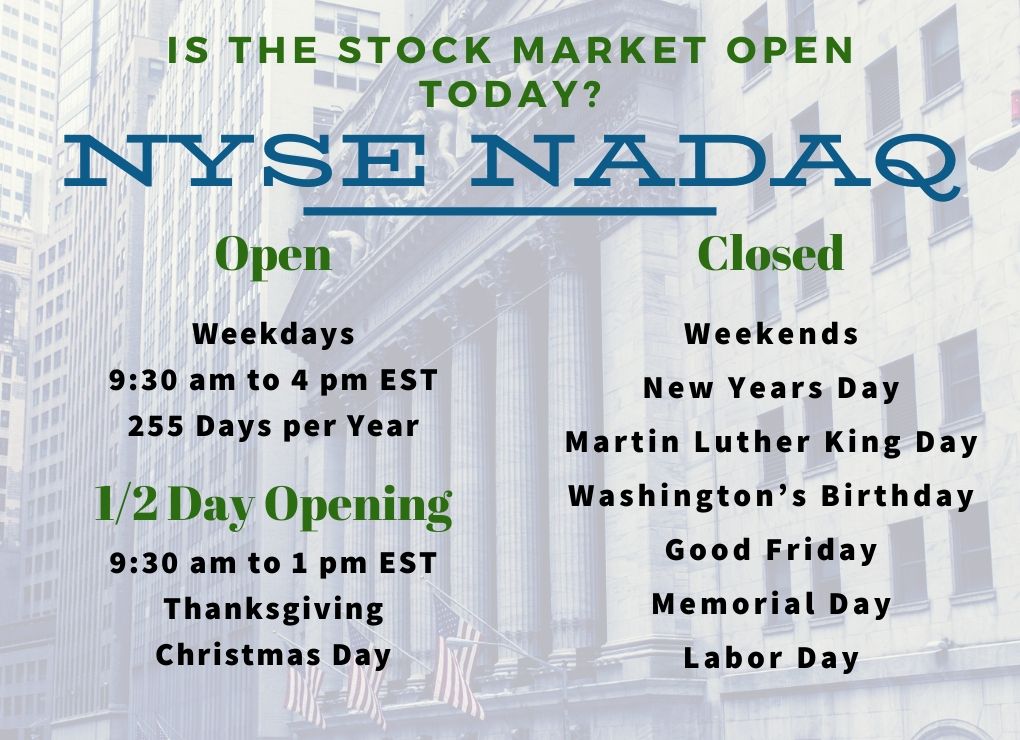
The two primary stock exchanges in the United States, the New York Stock Exchange (NYSE) and the NASDAQ Stock Market, adhere to a remarkably consistent schedule for their regular trading sessions. These critical hours are from 9:30 AM Eastern Time (ET) to 4:00 PM ET, Monday through Friday.
This 6.5-hour window represents the peak operational period for equity markets. During these hours, millions of shares change hands daily, driven by individual investors, institutional funds, high-frequency traders, and market makers. The opening bell at 9:30 AM ET signifies the culmination of overnight news and global market movements, often leading to increased volatility as orders from the pre-market session are executed and new positions are established. Conversely, the closing bell at 4:00 PM ET marks the end of this primary price discovery period, often accompanied by another surge in volume as traders close positions or execute end-of-day strategies.
Why These Hours Matter
The consistency of the 9:30 AM to 4:00 PM ET schedule is not arbitrary; it’s designed to optimize market efficiency, liquidity, and investor access. Firstly, it creates a concentrated period of activity, which ensures robust liquidity. High liquidity means that investors can buy or sell assets quickly without significantly impacting their price, leading to tighter bid-ask spreads and more efficient transactions. Without these defined hours, trading could be spread thinly throughout the day, making it harder to execute large orders without price slippage.
Secondly, these hours facilitate market efficiency by centralizing the flow of information. Company announcements, economic data releases, and news events often cluster around these times, allowing market participants to react swiftly and integrate new information into asset prices. This helps ensure that stock prices reflect all available public information as accurately as possible. Finally, these hours provide a manageable timeframe for investor access, allowing a broad range of participants – from professional portfolio managers to retail day traders – to actively engage with the market during their typical working day, albeit adjusted for time zones.
Key Market Participants
During these core hours, the market floor and electronic trading systems are bustling with various participants. Institutional investors, such as mutual funds, hedge funds, and pension funds, execute large block trades that can significantly influence market direction. Individual traders, utilizing online brokerage platforms, contribute to a substantial portion of the daily volume, reacting to news, technical indicators, and their personal financial goals. Market makers play a crucial role by providing continuous bid and ask prices, ensuring liquidity and smooth execution of orders, especially for less actively traded securities. Their presence is fundamental to the operational integrity and efficiency of the market during standard trading hours. Understanding the interplay of these participants within this concentrated timeframe is key to appreciating the dynamics of the US stock market.
Beyond Standard Hours: Extended Trading Sessions
While the 9:30 AM to 4:00 PM ET window defines the core of market activity, the US markets don’t simply go dark at 4:00 PM ET. The digital age has ushered in extended trading sessions, allowing market participants to react to news and events outside regular hours. These sessions, however, come with their own set of characteristics and risks.
Pre-Market Trading
Pre-market trading refers to the period before the official opening of the standard trading session. For US equity markets, this typically runs from 4:00 AM ET to 9:30 AM ET. This period allows investors to place trades and react to significant news that often breaks overnight or in the early morning hours, such as earnings reports, mergers and acquisitions, or international economic announcements.
The primary drivers for pre-market activity include the release of quarterly earnings reports (which many companies strategically publish before the market opens), breaking geopolitical news, or significant movements in overseas markets (like those in Asia or Europe). Institutional investors and sophisticated individual traders often use this window to establish early positions or adjust their portfolios based on this new information, aiming to capitalize on potential price gaps at the market open. However, pre-market trading is characterized by lower liquidity and often higher volatility compared to regular hours. Fewer participants mean that large orders can have a more pronounced impact on prices, and bid-ask spreads tend to be wider, potentially leading to less favorable execution prices.
After-Hours Trading
Mirroring the pre-market session, after-hours trading takes place following the 4:00 PM ET closing bell. This session typically extends from 4:00 PM ET to 8:00 PM ET. Similar to pre-market trading, its primary purpose is to allow investors to react to news that breaks after the regular market close. Many companies intentionally release their earnings reports or other market-moving information after 4:00 PM ET to give investors and analysts time to digest the data before the next trading day.
The dynamics of after-hours trading are very much akin to pre-market: reduced liquidity and increased volatility. While it offers flexibility for timely reactions to news, the thinner order books mean that significant price swings can occur on lower trading volumes. This environment can be advantageous for experienced traders who can quickly analyze and act on information, but it also presents amplified risks for less experienced investors due to unpredictable price movements and potentially difficult order execution.
How to Access Extended Hours
Accessing extended trading sessions is generally straightforward for most retail investors, though specific capabilities can vary by brokerage. Most major online brokerage platforms offer pre-market and after-hours trading capabilities. To participate, investors typically need to select a specific order type, such as “Good-Til-Canceled” (GTC) or “Extended Hours,” when placing their buy or sell orders. It’s crucial to use limit orders during extended hours rather than market orders. A limit order specifies the maximum price you’re willing to pay (for a buy) or the minimum price you’re willing to accept (for a sell), protecting you from unexpected price fluctuations in illiquid environments.
The trades executed during these periods are often facilitated through Electronic Communication Networks (ECNs), which match buy and sell orders directly between participants. While these extended hours provide valuable flexibility, investors must be acutely aware of the associated risks, including the aforementioned liquidity concerns, wider spreads, and the possibility of greater price discrepancies compared to regular trading sessions.
Weekends, Holidays, and Early Closures
While the regular 9:30 AM to 4:00 PM ET schedule and extended hours define much of the market’s activity, the US markets are not open every day. A calendar full of weekends, federal holidays, and occasional early closures punctuates the trading year, bringing full stops or reduced activity to the financial world.
The Weekend Pause
Perhaps the most fundamental closure to understand is the weekend pause. The US stock markets are closed on Saturdays and Sundays. This provides a universal break for market participants, allowing time for reflection, research, and personal time away from the intensity of daily trading. It also serves a practical purpose, giving market infrastructure time for maintenance, upgrades, and reconciliation of trades. Any news or significant events that unfold over the weekend can often lead to a “gap” in stock prices when the market reopens on Monday morning, as investors react en masse to the accumulated information. This can result in significant price movements at the open, creating both opportunities and risks.
Federal Holidays Observed
In addition to weekends, US markets observe several federal holidays throughout the year, meaning they are entirely closed. These holidays honor significant historical events, national figures, or cultural observances. Key federal holidays when the NYSE and NASDAQ are closed include:
- New Year’s Day (January 1st)
- Martin Luther King, Jr. Day (Third Monday in January)
- Presidents’ Day (Third Monday in February)
- Good Friday (Varies, typically March or April)
- Memorial Day (Last Monday in May)
- Juneteenth National Independence Day (June 19th)
- Independence Day (July 4th)
- Labor Day (First Monday in September)
- Thanksgiving Day (Fourth Thursday in November)
- Christmas Day (December 25th)
It’s important to note that if a holiday falls on a weekend, the market typically observes it on the nearest weekday (e.g., if Christmas Day is a Saturday, the market might close on Friday, December 24th; if it’s a Sunday, it might close on Monday, December 26th). These full-day closures mean no trading activity for stocks, options, and futures tied to these exchanges.
Early Closing Days
Beyond full-day holidays, the US markets also have a tradition of early closing days. These are typically observed on the day before or after certain holidays, often to allow market participants to travel or spend time with family. Common early closing days include:
- The day before Independence Day (if July 3rd is a weekday)
- The day after Thanksgiving (Black Friday)
- Christmas Eve (December 24th)
- New Year’s Eve (December 31st)
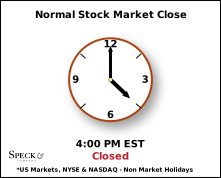
On these days, the market often closes at 1:00 PM ET, significantly shortening the trading session. While trading still occurs, liquidity can be reduced, and volumes may be lighter, especially in the afternoon. Investors need to be aware of these shortened hours to manage their open positions, execute trades, or adjust strategies before the early close. Brokers typically provide advance notice of these adjusted schedules.
Impact of Closures on Trading Strategies
Market closures, whether for weekends, holidays, or early finishes, have a significant impact on trading strategies. For investors holding positions over a closure, there’s the risk of gapping – a sudden, large price change at the next open due to news that transpired during the closed period. For example, a company might release negative news over a holiday weekend, causing its stock to open significantly lower on the next trading day.
Strategically, closures mean traders cannot exit positions until the market reopens, which can be problematic if unexpected events occur. Traders employing short-term strategies or those heavily reliant on daily market movements must factor in these breaks. It also influences the timing of option expiration dates and futures contract settlements. Smart investors use these breaks for research and planning, preparing for potential volatility or directional changes once trading resumes.
Understanding Different Market Instruments and Their Hours
While the NYSE and NASDAQ hours often define “market close” for many, the broader financial ecosystem encompasses a variety of instruments, each with its own specific operational schedule. A comprehensive understanding requires looking beyond just stocks.
Stocks and ETFs
As discussed, individual stocks and Exchange Traded Funds (ETFs) primarily trade during the standard US market hours (9:30 AM to 4:00 PM ET), with extended pre-market and after-hours sessions providing additional, albeit less liquid, trading windows. ETFs, which are funds traded like individual stocks, mirror the trading hours of the underlying equities they track. This consistent schedule is designed to centralize liquidity and price discovery for the vast majority of publicly traded companies.
Options and Futures Markets
Options and Futures contracts, which derive their value from an underlying asset like a stock, commodity, or index, often have significantly different and sometimes longer trading hours than their underlying stock counterparts. Futures markets, in particular, are designed to facilitate continuous trading across global time zones.
For instance, products traded on the Chicago Mercantile Exchange (CME) or Chicago Board Options Exchange (CBOE) can have extensive hours. E-mini S&P 500 futures (ES) trade nearly 24 hours a day, from Sunday evening through Friday afternoon (typically 6:00 PM ET to 5:00 PM ET the next day, with a daily one-hour break from 5:00 PM to 6:00 PM ET). Many options on major indices also trade for extended hours, although individual stock options usually align more closely with the underlying stock’s trading hours. This extended access allows investors to hedge positions, speculate, and react to global economic news virtually around the clock.
Bond Market (Fixed Income)
The bond market, which includes US Treasuries, corporate bonds, and municipal bonds, operates on a slightly different schedule than equity markets. While there can be some variation, the Securities Industry and Financial Markets Association (SIFMA) often recommends a standard close for bond trading at 3:00 PM ET on full trading days. On days preceding or following certain holidays, the bond market might close even earlier, sometimes as early as 12:00 PM or 2:00 PM ET.
This earlier closing time reflects the different nature of bond trading, which is largely an over-the-counter (OTC) market dominated by institutional players. While electronic platforms facilitate much of the trading, the market structure and participant base lead to different operational norms. These hours are particularly important for fixed-income investors and those managing diversified portfolios.
Foreign Exchange (Forex) Market
In stark contrast to equity and bond markets, the Foreign Exchange (Forex) market is a truly global, decentralized market that operates 24 hours a day, five days a week. It begins with the opening of the Asian session on Sunday evening ET and continues non-stop through the European and North American sessions until Friday afternoon ET.
This 24/5 schedule is possible because forex trading is not tied to a single physical exchange but occurs electronically across a network of banks and financial institutions worldwide. As one major financial center closes, another opens, ensuring continuous liquidity. This around-the-clock operation makes forex unique among traditional financial markets and requires a different approach to trading and risk management, as there are no “gaps” from overnight closures.
Cryptocurrency Markets
To further broaden the perspective, cryptocurrency markets like Bitcoin and Ethereum offer an entirely different paradigm: they trade 24 hours a day, seven days a week, 365 days a year. There are no “closing bells” or federal holidays observed in the crypto space, reflecting its decentralized and global digital nature. This continuous trading can lead to extreme volatility and rapid price changes at any time, distinguishing it significantly from traditional markets. For investors venturing into digital assets, understanding this always-on environment is paramount.
The Significance of Market Closing Times for Investors
Beyond simply knowing when the markets close, understanding the implications of these times is crucial for informed decision-making and strategic investing. The closing bell, extended hours, and various market schedules profoundly influence price action, order execution, information dissemination, and risk management.
Volatility and Price Discovery
The regular 9:30 AM to 4:00 PM ET session represents the period of highest liquidity and most intense price discovery. During this time, the consensus fair value of a security is actively forged by millions of participants. The closing bell signifies the temporary end of this primary discovery process. However, this doesn’t mean prices become static. Extended trading hours, though less liquid, can introduce significant price movements, often reacting sharply to news. The transition from active trading to closed hours, and then back to the open, can generate volatility. Gaps at the market open after a weekend or holiday are prime examples, demonstrating how accumulated news can drastically alter price discovery. Savvy investors pay close attention to these transitional periods for potential opportunities or risks.
Order Execution
Market closing times directly impact order execution. A market order placed near the close may experience more slippage due to end-of-day order imbalances or simply be executed at whatever price is available. Limit orders offer more protection, ensuring a specific price or better, but may not be filled if the market moves away from the specified limit. During extended hours, the lower liquidity means limit orders are almost essential to prevent adverse execution. Traders must understand how their brokerage handles orders placed during different sessions and whether orders “carry over” from one session to another or are canceled at the close of a specific session. Stop-loss orders, designed to limit potential losses, are also susceptible to gaps and may execute at a price significantly worse than the stop price if the market reopens sharply lower.
News and Earnings Releases
Many publicly traded companies strategically time their significant announcements, particularly quarterly earnings releases, to coincide with market closing times. Releasing news after 4:00 PM ET (or before 9:30 AM ET) allows analysts, institutional investors, and the general public a crucial window to digest the information without the immediate pressure of an active trading session. This strategic timing can prevent overly chaotic immediate reactions and potentially allow for a more considered response once trading resumes. However, it also means that extended-hours trading can be particularly volatile around these releases, as early reactions unfold with reduced liquidity. Investors need to monitor company calendars and be prepared to react to after-hours news if they hold positions in those securities.
Risk Management and Strategy
Understanding market hours is an integral part of risk management. Holding a position overnight, over a weekend, or especially over a holiday exposes an investor to event risk—the risk that unforeseen news or events occurring during the closed period will negatively impact the stock’s price when the market reopens. This “gap risk” can negate carefully planned stop-loss orders. For day traders, market close signals the end of their trading day and the need to close positions to avoid overnight exposure. For long-term investors, market closures might not alter their fundamental strategy, but they should still be aware of potential price adjustments that could affect portfolio value. Strategic planning for these closures, perhaps by adjusting position sizes or using options to hedge, is a hallmark of sophisticated investing.
International Considerations
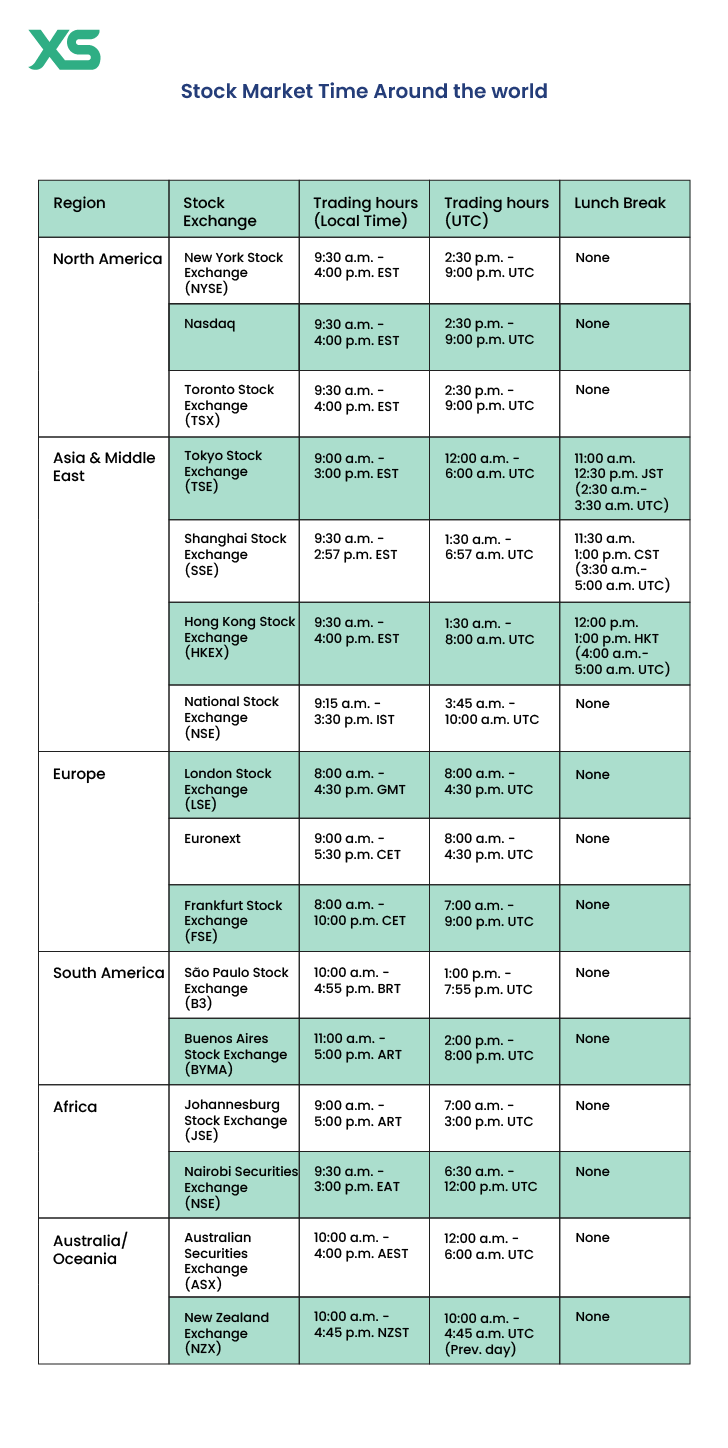
Finally, the US market hours do not exist in a vacuum. They interact with global financial centers in Asia (e.g., Tokyo, Hong Kong, Shanghai), Europe (e.g., London, Frankfurt), and other regions. While US markets are closed, these international markets continue to trade. Significant economic data, geopolitical events, or corporate news breaking in one region can influence global sentiment and, consequently, the direction of US markets when they reopen. For investors with global portfolios or those interested in macro-level trading, understanding the overlap and sequence of these international market hours is critical for a comprehensive view of global capital flow and price discovery.
Conclusion
The question “when do US markets close?” opens up a nuanced understanding of financial market operations, which is far more intricate than a simple clock-out. From the definitive 9:30 AM to 4:00 PM ET core session for stocks and ETFs, through the dynamic extended hours, and around the calendar of weekends, federal holidays, and early closures, each detail carries weight for investors.
Beyond equities, the distinct trading hours of options, futures, bonds, and the perpetual motion of forex and cryptocurrency markets underscore the diverse landscape of financial instruments. For every participant, from the novice retail investor to the seasoned institutional trader, a thorough grasp of these schedules is not merely logistical knowledge but a critical component of successful financial strategy. It informs decisions on order placement, risk management, capital allocation, and how to interpret price movements in response to an ever-churning news cycle.
In an increasingly interconnected and fast-paced global economy, mastering the rhythm of market openings and closings provides a vital edge. It empowers investors to act with precision, mitigate unforeseen risks, and ultimately, navigate the complex currents of the US and global financial markets with greater confidence and insight. Being a savvy investor means not just knowing what to buy or sell, but when the opportunities and risks truly present themselves.
aViewFromTheCave is a participant in the Amazon Services LLC Associates Program, an affiliate advertising program designed to provide a means for sites to earn advertising fees by advertising and linking to Amazon.com. Amazon, the Amazon logo, AmazonSupply, and the AmazonSupply logo are trademarks of Amazon.com, Inc. or its affiliates. As an Amazon Associate we earn affiliate commissions from qualifying purchases.