
The question “when do the stocks open?” seems straightforward, yet its answer unveils a crucial layer of understanding for anyone venturing into the world of investing. It’s not just about a clock striking a certain hour; it’s about the very rhythm of market activity, the flow of information, and the opportunities and risks that arise from these defined periods. For individual investors, day traders, and institutional players alike, knowing the precise operating hours of stock exchanges is fundamental to effective strategy, risk management, and successful execution of trades. This article will delve into the specifics of stock market trading hours, explore the nuances of extended sessions, provide a global perspective, and discuss why these timings hold such significant importance for investors.
Understanding Stock Market Trading Hours
The primary stock exchanges in the United States, the New York Stock Exchange (NYSE) and the Nasdaq Stock Market, serve as the backbone for countless investment activities. Their operating hours define the core period during which most trading occurs, prices are discovered, and market-moving news is digested.
The Standard Operating Schedule (NYSE & NASDAQ)
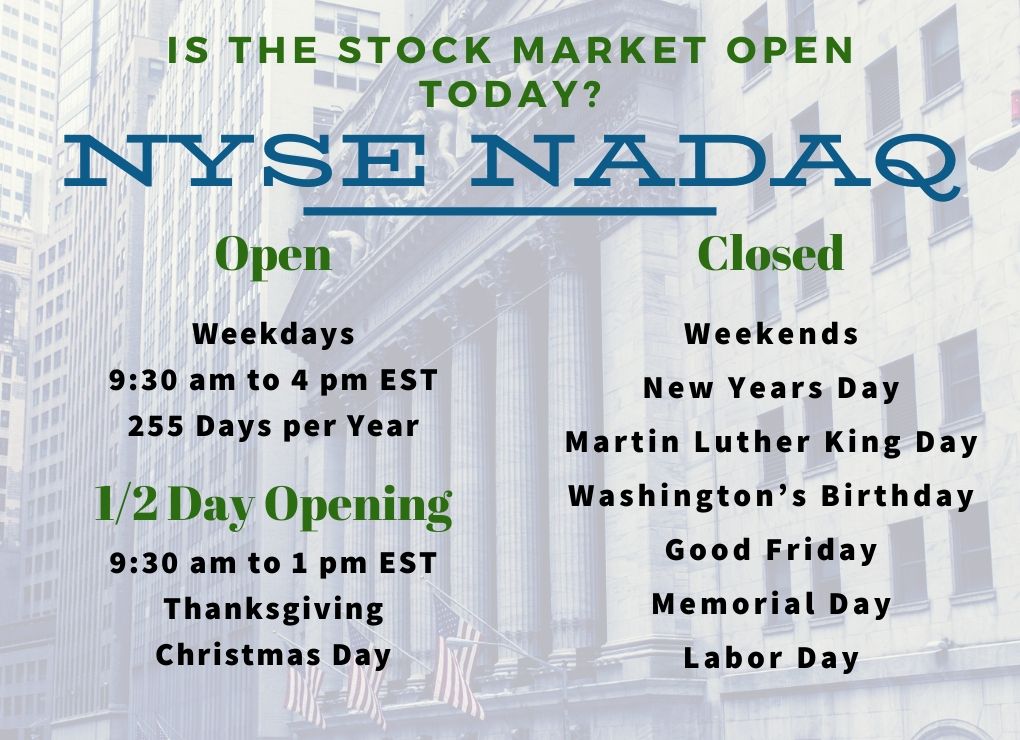
For the vast majority of investors in the U.S., the standard trading session runs from 9:30 AM Eastern Time (ET) to 4:00 PM ET, Monday through Friday. This seven-and-a-half-hour window is considered the “regular” or “core” market session. During these hours, liquidity is generally at its highest, bid-ask spreads are typically tighter, and the widest range of market participants are actively engaged. This period is often characterized by significant price movements, especially around the opening and closing bells, as accumulated orders are executed and market sentiment is established or adjusted. Understanding this core schedule is the first step for any investor, as it dictates when most financial news will have its immediate impact and when most brokers facilitate standard order execution.
Time Zones and Their Impact
While 9:30 AM to 4:00 PM ET is standard for the major U.S. exchanges, it’s vital for investors outside the Eastern Time Zone to adjust their perception accordingly. For someone on the West Coast, the market opens at 6:30 AM Pacific Time (PT) and closes at 1:00 PM PT. In the Central Time Zone, it’s 8:30 AM CT to 3:00 PM CT. Failure to account for time zones can lead to missed opportunities, delayed reactions to market news, or incorrect assumptions about when orders will be executed. This is particularly relevant for active traders who rely on real-time data and swift decision-making. Investors who operate in different time zones might find themselves needing to adjust their daily schedules to align with market openings and closings, especially if they wish to monitor their portfolios actively during the most volatile periods.
Weekends and Holidays: When Markets Close
The stock markets, like most businesses, observe weekends and national holidays. There is no trading on Saturdays or Sundays. Additionally, the NYSE and Nasdaq close for several federal holidays throughout the year. These typically include New Year’s Day, Martin Luther King, Jr. Day, Presidents’ Day, Good Friday, Memorial Day, Juneteenth National Independence Day, Independence Day (July 4th), Labor Day, Thanksgiving Day, and Christmas Day. It’s crucial for investors to be aware of these holidays, as they can disrupt trading plans, delay settlements, and sometimes lead to unexpected market reactions when trading resumes after an extended break. Furthermore, there might be early closures on days preceding or following certain holidays, such as the day after Thanksgiving (Black Friday) where markets might close early at 1:00 PM ET. Keeping an eye on the exchange’s official holiday schedule is a basic but essential practice.
Beyond Regular Hours: Pre-Market and After-Hours Trading
While the regular 9:30 AM to 4:00 PM ET session defines the core trading day, the advent of electronic trading has significantly extended the hours during which stocks can be bought and sold. These “extended hours” sessions offer both flexibility and unique challenges for investors.
What is Pre-Market Trading?
Pre-market trading typically occurs from 4:00 AM ET to 9:30 AM ET. This period allows investors to react to news that breaks overnight or before the official market open, such as corporate earnings reports, economic data releases, or geopolitical events. For example, a company might release stellar earnings at 7:00 AM ET, and investors can begin buying shares in the pre-market session before the broader market reacts.
- Benefits: Offers early entry/exit opportunities, allows reaction to overnight news, can preempt significant price gaps at market open.
- Risks: Characterized by significantly lower liquidity, leading to wider bid-ask spreads and potentially greater price volatility. It can be difficult to execute large orders without moving the price, and prices established in pre-market may not hold once the regular session begins.
What is After-Hours Trading?
After-hours trading generally runs from 4:00 PM ET to 8:00 PM ET. Similar to pre-market, this session enables investors to respond to news released after the market close, which is a common practice for many companies.
- Benefits: Provides flexibility for investors who cannot trade during regular hours, allows quick response to post-market news (e.g., earnings calls or major company announcements).
- Risks: Like pre-market, after-hours trading suffers from reduced liquidity and increased volatility. Prices can swing dramatically on thin volume, and it can be challenging to get orders filled at desired prices.
How Electronic Communication Networks (ECNs) Facilitate Extended Trading
The ability to trade outside regular hours is largely due to Electronic Communication Networks (ECNs). ECNs are automated systems that match buy and sell orders electronically, bypassing traditional market makers. They allow for continuous trading across a wider timeframe by connecting buyers and sellers directly. Unlike the centralized auction model of the NYSE, ECNs are order-driven and operate 24/7, although brokerages typically limit access to specific pre-market and after-hours windows. Brokers provide access to these ECNs, allowing their clients to place orders during extended hours. It’s important to understand that not all brokers offer the same extended-hours capabilities, and investors need to confirm their broker’s specific policies and limitations.
Liquidity and Volatility Considerations
The most significant difference between regular and extended-hours trading is liquidity. During pre-market and after-hours, fewer participants are active, resulting in fewer buyers and sellers for a given stock. This reduced liquidity means:
- Wider Spreads: The difference between the highest bid price and the lowest ask price (the spread) tends to be wider, meaning investors pay more to buy and receive less to sell.
- Increased Volatility: Small orders can have a disproportionately large impact on a stock’s price, leading to more erratic and unpredictable movements.
- Partial Fills: It’s more common for orders to be partially filled or not filled at all, especially for larger block trades.
Investors participating in extended-hours trading must be acutely aware of these factors and adjust their strategies accordingly, often using limit orders rather than market orders to protect against unfavorable price execution.
International Markets: A Global Perspective on Opening Times
The world of stocks doesn’t sleep when U.S. markets close. Global financial centers operate on their own schedules, creating a near 24-hour cycle of trading activity across different time zones.
Major Global Exchanges
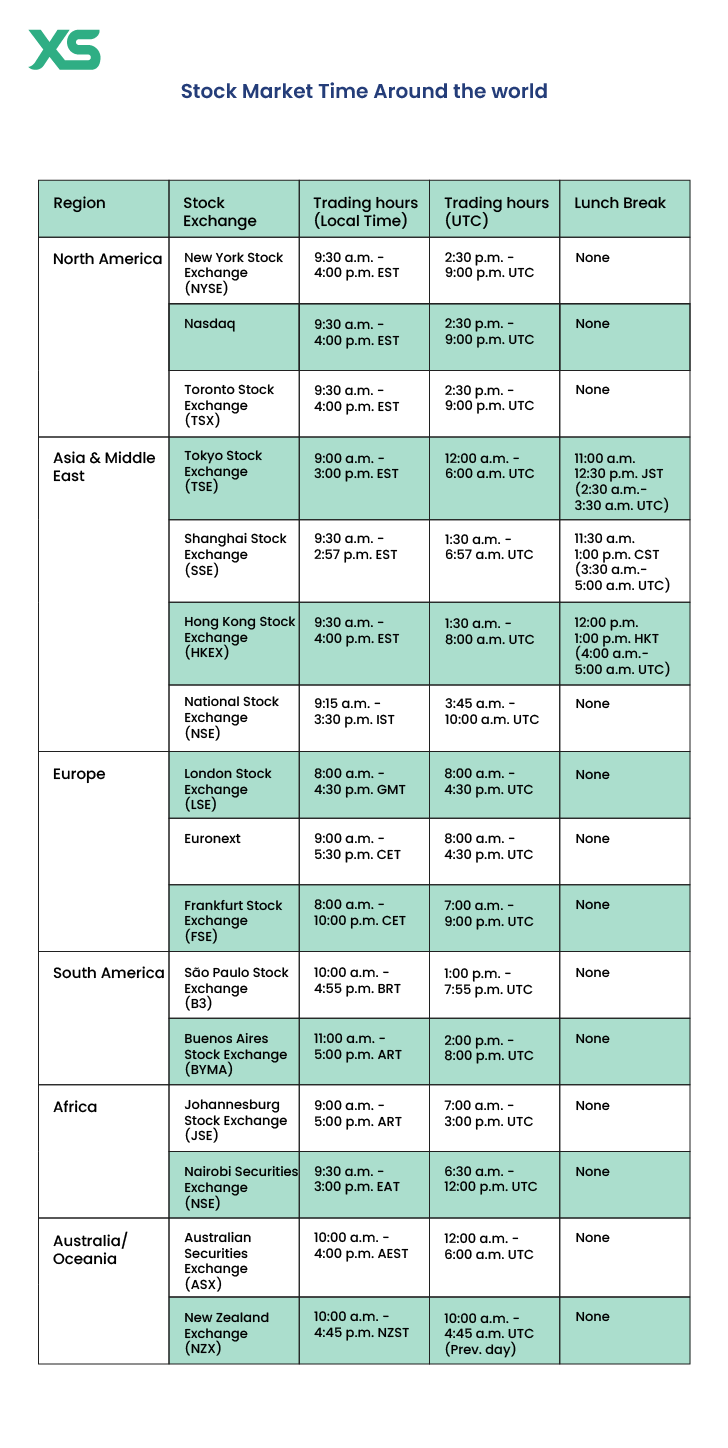
Understanding the opening and closing times of major international exchanges is crucial for investors with global portfolios or those interested in international market dynamics.
- London Stock Exchange (LSE): 8:00 AM to 4:30 PM GMT (Greenwich Mean Time)
- Tokyo Stock Exchange (TSE): 9:00 AM to 11:30 AM JST (Japan Standard Time) and 12:30 PM to 3:00 PM JST (with a midday break)
- Shanghai Stock Exchange (SSE): 9:30 AM to 11:30 AM CST (China Standard Time) and 1:00 PM to 3:00 PM CST
- Euronext (Paris, Amsterdam, Brussels, Lisbon): 9:00 AM to 5:30 PM CET (Central European Time)
- Frankfurt Stock Exchange (Xetra): 9:00 AM to 5:30 PM CET
- Hong Kong Stock Exchange (HKEX): 9:30 AM to 12:00 PM HKT (Hong Kong Time) and 1:00 PM to 4:00 PM HKT
Each exchange has its own set of holidays and regulations, which must be considered.
Overlapping Trading Sessions: Opportunities for Global Investors
Due to different time zones, there are periods when major global markets overlap. For instance, as U.S. markets are preparing to open, European markets are already well into their trading day. When U.S. markets are closing, Asian markets are often preparing to open or are already active. These overlaps can be significant:
- U.S. and European Markets: There’s a substantial overlap for several hours, allowing for capital flow and sentiment to transfer between these two major economic blocs. News from Europe can directly impact U.S. futures and early trading.
- U.S. and Asian Markets: While less direct overlap during regular hours, after-hours and pre-market trading in the U.S. can react strongly to developments in Asian markets, especially given their early opening relative to the U.S. trading day.
These overlapping sessions create opportunities for arbitrage, global diversification, and a more comprehensive understanding of worldwide market sentiment. They also mean that significant market-moving news can emerge at almost any hour of the day or night, requiring investors to stay vigilant.
Impact of Geopolitical Events and Economic Releases Across Time Zones
The interconnectedness of global markets means that an economic report from China or a geopolitical event in Europe can send ripples across exchanges worldwide, regardless of their local opening times. For example, a strong jobs report in the EU might boost investor confidence globally, affecting U.S. stock futures before the NYSE even opens. Conversely, an unexpected interest rate hike by the Bank of Japan could influence currency markets and, subsequently, the performance of multinational corporations listed on U.S. exchanges. Savvy investors and institutions monitor these global developments constantly, using extended trading hours to position themselves in anticipation of how domestic markets will react.
Why Trading Hours Matter for Investors
Beyond simply knowing when you can place an order, the timing of market operations has profound implications for investment strategy, risk management, and overall financial outcomes.
Price Discovery and Market Efficiency
The regular trading hours are the most robust period for price discovery. With the greatest number of buyers and sellers, and the most comprehensive flow of information, the market is typically at its most efficient. Prices during these hours are generally considered a fair reflection of a stock’s intrinsic value based on all available public information. Extended hours, due to lower liquidity, can present distorted prices that may not accurately reflect true market sentiment until the regular session begins. This efficiency during regular hours is crucial for institutional investors and passive index funds that aim to track market performance accurately.
Executing Trades Effectively
The liquidity levels during different trading hours directly impact the ability to execute trades effectively.
- Regular Hours: High liquidity ensures that large orders can usually be filled quickly and at competitive prices, with tight bid-ask spreads. This is ideal for most types of orders, including market orders.
- Extended Hours: Low liquidity makes it challenging to execute large orders without significantly impacting the stock price. Investors often must use limit orders during these times, specifying the maximum price they are willing to pay (for buys) or the minimum price they are willing to accept (for sells), to protect themselves from adverse price movements. Using market orders in illiquid extended hours can lead to “slippage,” where the executed price is significantly worse than the quote observed.
Managing Risk and Volatility
Market opening and closing hours are often periods of heightened volatility. At the open, accumulated overnight news and orders are processed, leading to sharp initial price movements. At the close, traders might be liquidating positions or rebalancing portfolios, also contributing to volatility. Investors, especially day traders, actively monitor these periods for opportunities, but they also represent increased risk. Understanding these patterns allows for better risk management, such as placing stop-loss orders or avoiding trading during highly volatile minutes if one is not comfortable with the risk. For long-term investors, these daily fluctuations are often less critical, but understanding them can prevent emotional, impulsive decisions.
The Role of News and Earnings Announcements
Companies often strategically time their major announcements, such as quarterly earnings reports, product launches, or mergers and acquisitions, to coincide with market hours.
- Pre-Market/After-Hours Releases: Many companies release earnings after the market closes or before it opens to allow investors time to digest the information before the next trading session. This often leads to significant price gaps in pre-market or after-hours trading as investors react to the news.
- During Regular Hours: Less common for major news, but unexpected announcements during the day can cause immediate and dramatic price swings.
Investors must have a plan for how they will react to such news, considering whether they want to take positions based on extended-hours reactions or wait for the full market to open.
Strategies for Navigating Market Opening and Closing
Understanding when markets open and close is just the first step. Developing strategies around these timings is key to successful investing.
Day Trading Strategies: Capitalizing on Opening Volatility
For day traders, the first 30-60 minutes after the market open are often the most active and volatile, presenting numerous opportunities. Traders might look for strong trends, breakouts, or reversals based on overnight news or pre-market activity. However, this period also carries the highest risk due to unpredictable swings. Many day traders employ specific strategies such as “gap and go” or “opening range breakouts” to capitalize on this initial surge of activity. Conversely, some experienced traders might avoid the “opening bell chaos” and wait for the market to settle down before entering trades.
Long-Term Investing: Less Impact from Daily Openings
For long-term investors focused on fundamental analysis and holding assets for years, the exact daily opening and closing times are less critical. Their investment decisions are based on a company’s financial health, growth prospects, and industry trends, not intraday price fluctuations. While they still need to place orders during market hours, they are less concerned with capitalizing on minute-by-minute volatility. Their focus remains on the long-term compounding of returns, making market open noise largely irrelevant to their core strategy.
Using Limit Orders vs. Market Orders
The choice between limit and market orders becomes particularly important when considering trading hours.
- Market Orders: Instruct your broker to buy or sell immediately at the best available price. During regular hours with high liquidity, this usually works well. In extended hours or volatile periods, a market order can result in execution at a price significantly different from what was anticipated.
- Limit Orders: Instruct your broker to buy or sell only at a specified price or better. This protects you from adverse price movements, especially in illiquid extended hours. While it guarantees your price, it does not guarantee execution if the market never reaches your limit. Savvy investors often rely on limit orders, especially outside of core market hours, to control their entry and exit points.

Staying Informed: News and Market Calendars
Regardless of your investment style, staying informed about market holidays, early closures, and economic calendars is paramount. Financial news outlets provide real-time updates on these schedules. Additionally, a wide array of financial tools and apps offer integrated market calendars that highlight upcoming earnings reports, economic data releases, and holidays. Subscribing to news alerts and regularly checking these calendars ensures that you are never caught off guard by an unexpected market closure or a significant announcement that could impact your portfolio.
In conclusion, understanding “when do the stocks open” is far more nuanced than a simple time stamp. It encompasses a deep dive into market mechanics, global interdependencies, and the strategic decisions that govern successful investing. From the bustling regular sessions of the NYSE and Nasdaq to the unique dynamics of pre-market and after-hours trading, and the continuous flow of global markets, each time window presents distinct characteristics that investors must grasp. By appreciating these rhythms, investors can make more informed decisions, manage risk effectively, and ultimately, navigate the complex but rewarding world of stock market investing with greater confidence and proficiency.
aViewFromTheCave is a participant in the Amazon Services LLC Associates Program, an affiliate advertising program designed to provide a means for sites to earn advertising fees by advertising and linking to Amazon.com. Amazon, the Amazon logo, AmazonSupply, and the AmazonSupply logo are trademarks of Amazon.com, Inc. or its affiliates. As an Amazon Associate we earn affiliate commissions from qualifying purchases.