
For investors, analysts, and market watchers, the release of a company’s earnings report is a pivotal event, and for a company as influential as Tesla (TSLA), these dates are circled prominently on calendars worldwide. Tesla’s financial disclosures offer more than just a snapshot of its quarterly performance; they frequently serve as a barometer for the broader electric vehicle (EV) market, the renewable energy sector, and even the pace of technological innovation. Understanding when these reports are released, what information they contain, and how to interpret them is fundamental for anyone participating in or observing the financial markets.
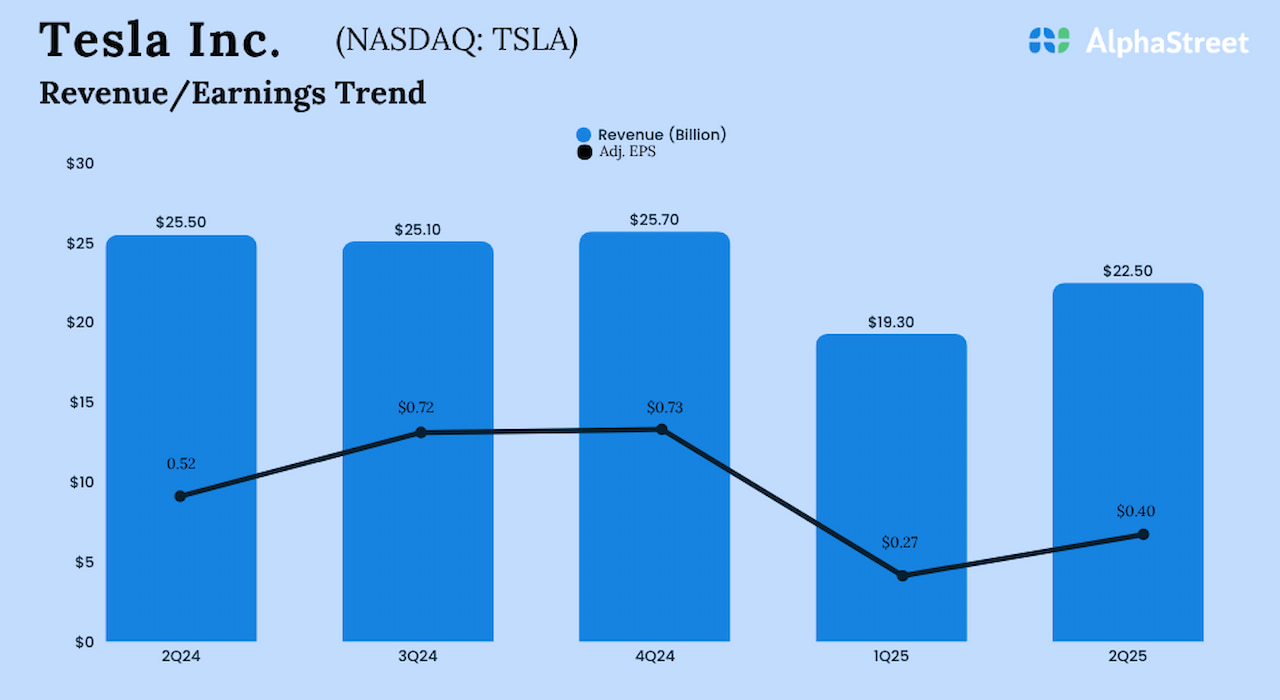
Tesla, under the leadership of Elon Musk, has consistently pushed boundaries, not just in automotive and energy production, but also in market valuation and investor interest. Its earnings calls are not merely procedural; they are often major market events, capable of causing significant stock price fluctuations and setting narratives for the coming quarter. This deep dive will explore the critical aspects surrounding Tesla’s earnings releases, providing a comprehensive guide for navigating this crucial financial intelligence.
Understanding the Significance of Tesla’s Earnings Reports
Tesla’s quarterly earnings reports are far more than routine financial updates; they are market-moving events that ripple across multiple sectors. For many, they represent a key indicator not just for the company itself, but for the trajectory of several nascent and rapidly evolving industries.
A Bellwether for the EV Market and Beyond
Tesla’s dominance in the electric vehicle space means its performance often serves as a proxy for the entire industry. Strong production numbers, healthy profit margins, and robust demand for Tesla vehicles can signal a buoyant EV market, encouraging investment in related technologies and infrastructure. Conversely, any setbacks can cast a shadow over the sector, prompting questions about consumer adoption rates, competition, and supply chain resilience.
Beyond automotive, Tesla’s ventures into energy storage (Powerwall, Megapack) and solar solutions make its earnings relevant to the broader renewable energy transition. Insights into the profitability and deployment rates of these segments offer clues about the pace of decarbonization and the viability of distributed energy solutions. Furthermore, Tesla’s aggressive pursuit of AI in autonomous driving technology means its updates on FSD (Full Self-Driving) development and revenue recognition from software services are closely watched by tech investors, making it a cross-sector bellwether.
Impact on Stock Price and Investor Sentiment
The release of earnings reports is consistently one of the most significant catalysts for TSLA stock. Even slight deviations from analyst expectations — whether positive or negative — can trigger substantial price movements, sometimes leading to double-digit percentage changes in a single trading session. This volatility stems from the forward-looking nature of stock markets; investors aren’t just reacting to past performance but are re-evaluating their future projections based on new information.
Positive earnings, especially when accompanied by strong guidance for the future, can fuel bullish sentiment, driving the stock higher as investors become more confident in the company’s growth trajectory. Conversely, missed expectations, weaker guidance, or concerns raised during the earnings call can lead to a sell-off, as confidence erodes and investors adjust their valuations downwards. This immediate reaction is then often followed by a period of re-evaluation, as institutional investors and algorithms digest the data more thoroughly.
Key Metrics Investors Watch
While the income statement, balance sheet, and cash flow statement provide a holistic view, specific metrics receive heightened scrutiny during Tesla’s earnings reports:
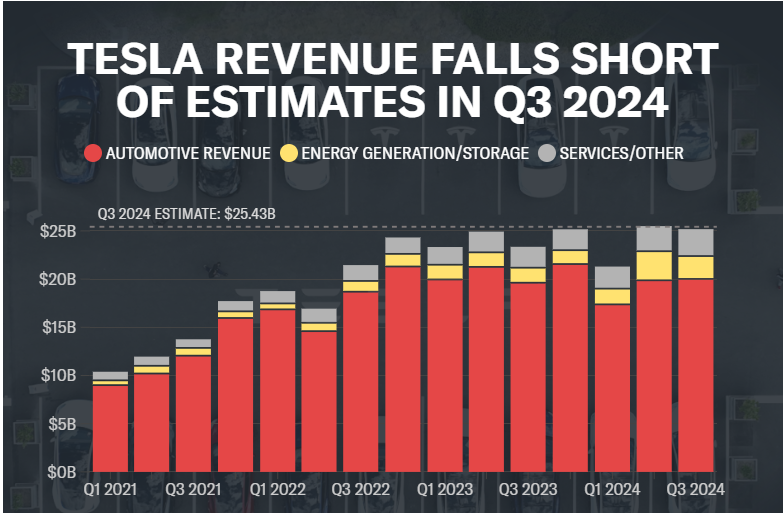
- Revenue: The total sales generated from vehicle deliveries, energy products, and services. Growth here indicates expanding operations and market penetration.
- Earnings Per Share (EPS): A key profitability metric, representing the portion of a company’s profit allocated to each outstanding share of common stock. Investors closely compare this to analyst consensus estimates.
- Gross Margin (Automotive and Overall): The percentage of revenue left after deducting the cost of goods sold. This indicates operational efficiency and pricing power. Automotive gross margin, in particular, is watched for insights into vehicle profitability, especially given price adjustments and the mix of models sold.
- Free Cash Flow (FCF): The cash generated by a company after accounting for capital expenditures. Positive and growing FCF is crucial for funding future growth, reducing debt, or returning capital to shareholders.
- Production and Delivery Numbers: While often released separately a few weeks before the full earnings report, these figures are foundational. They indicate manufacturing capability and market demand, directly impacting revenue projections.
- Regulatory Credits: The sale of environmental regulatory credits to other automakers has historically contributed significantly to Tesla’s profitability. Investors monitor the trend of these sales to understand the sustainability of their contribution to net income.
- Guidance and Outlook: Management’s projections for future production, deliveries, profitability, and capital expenditures are often more impactful than past results, shaping investor expectations for the upcoming quarters and fiscal year.
The Regular Rhythm of Earnings Seasons
Publicly traded companies like Tesla adhere to a predictable calendar for financial reporting, ensuring transparency and providing regular updates to the market. Understanding this rhythm is crucial for anticipating earnings releases.
Quarterly Reporting Cycle
Tesla, like most public companies listed on major exchanges, reports its financial results on a quarterly basis. These quarters generally align with the calendar year:
- Q1 (First Quarter): January 1 to March 31. Reports typically come out in late April or early May.
- Q2 (Second Quarter): April 1 to June 30. Reports typically come out in late July or early August.
- Q3 (Third Quarter): July 1 to September 30. Reports typically come out in late October or early November.
- Q4 (Fourth Quarter) & Full Year: October 1 to December 31. Reports typically come out in late January or early February of the following year, often including the full annual results.
This four-times-a-year schedule provides investors with consistent opportunities to assess the company’s financial health and strategic progress.
Specific Dates: How They Are Determined and Announced
While the general timeframe for earnings releases is consistent, the exact date for each quarter is not fixed months in advance. Instead, companies typically announce their specific earnings release date and time a few weeks before the event. This announcement is usually made through a press release, an SEC filing (like an 8-K), and a notice on the company’s investor relations website.
Tesla generally schedules its earnings calls and report releases after market close on the designated day. This allows the market to digest the information overnight, leading to a more informed reaction when trading resumes the next day. The specific day chosen can depend on various factors, including internal company readiness, availability of key executives, and avoiding clashes with other major market events.
Accessing Official Announcements
The most reliable sources for confirmed Tesla earnings dates and the reports themselves are:
- Tesla Investor Relations Website: This is the primary and most authoritative source. Tesla maintains a dedicated “Investor Relations” section on its corporate website (e.g., ir.tesla.com) where it posts press releases announcing earnings dates, links to the actual earnings reports (Shareholder Deck), and details for participating in the earnings call webcast.
- SEC Filings (EDGAR): The U.S. Securities and Exchange Commission (SEC) requires public companies to file their financial reports (e.g., 10-Q for quarterly reports, 10-K for annual reports). These filings are accessible via the SEC’s EDGAR database and are the legally binding disclosures.
- Reputable Financial News Outlets: Major financial news organizations (e.g., Bloomberg, Reuters, The Wall Street Journal, CNBC, Yahoo Finance) will report on Tesla’s earnings dates as soon as they are announced and provide comprehensive coverage of the results. These can be good secondary sources once the official announcement is made.
It’s always advisable to cross-reference information and prioritize the company’s official investor relations page for the most accurate and up-to-date details.
Navigating the Earnings Call and Investor Expectations
The earnings report itself is just one part of the information release. The subsequent earnings call and the surrounding investor expectations significantly influence how the market interprets the raw numbers.
The Role of the Earnings Call
Following the release of the written earnings report (often a “Shareholder Deck” or “Letter to Shareholders”), Tesla typically hosts a live audio webcast or conference call. This call usually involves:
- Management Presentation: Key executives, including Elon Musk (CEO), Zach Kirkhorn (CFO), and others, discuss the quarter’s highlights, financial results, operational achievements, and strategic priorities. This often provides qualitative context that complements the quantitative data in the report.
- Q&A Session: Analysts from major investment banks and financial institutions are given the opportunity to ask questions directly to management. This Q&A segment is crucial as it can reveal additional details, clarify ambiguities, and sometimes expose potential challenges or opportunities not explicitly covered in the prepared remarks. Elon Musk’s responses, in particular, are often scrutinized for his candid insights and future-looking statements.
The earnings call is not just about the numbers; it’s about the narrative. Management’s tone, confidence, and specific commentary on various aspects of the business can significantly sway investor sentiment and influence subsequent analyst ratings.
Guidance and Future Outlook
Perhaps the most impactful aspect of an earnings report and call is the company’s “guidance” or “outlook” for future performance. This refers to management’s projections for upcoming quarters or the full fiscal year regarding:
- Vehicle Deliveries: Targets for how many vehicles Tesla expects to produce and deliver.
- Revenue: Expected sales figures.
- Profitability: Projections for gross margins, operating income, or EPS.
- Capital Expenditures: How much the company plans to invest in new factories, equipment, or research and development.
Investors pay close attention to guidance because it directly feeds into their financial models and valuation estimates. Strong guidance can overshadow a slightly weaker past quarter, suggesting future growth. Conversely, conservative or reduced guidance can lead to a stock decline even if the past quarter’s results were solid, as it implies a slowdown in future prospects.
The Whisper Number vs. Analyst Estimates
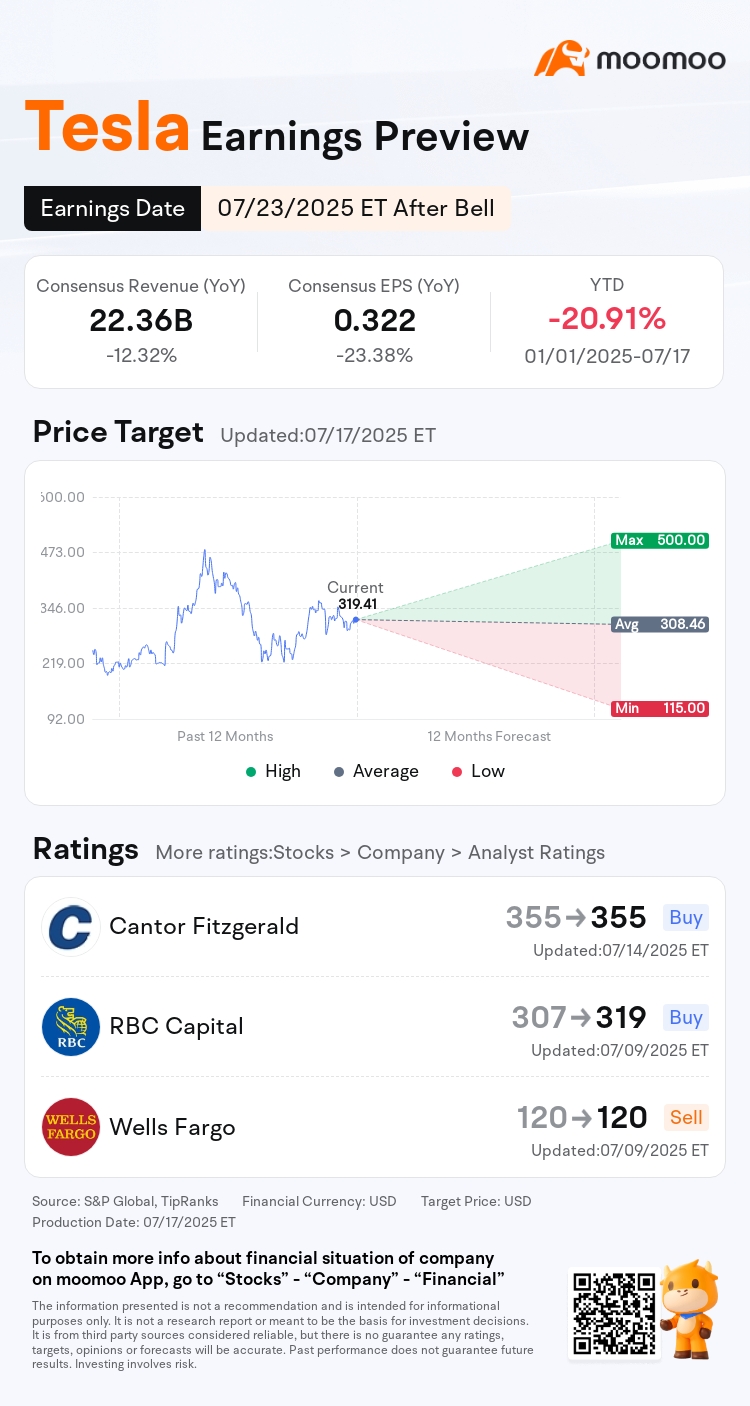
Before earnings are released, analysts from various financial institutions publish their estimates for key metrics like EPS and revenue. The average of these estimates becomes the “consensus estimate,” which is widely reported and used as a benchmark.
However, there’s also the “whisper number” – an unofficial, often higher, expectation that circulates among experienced traders and investors. This “whisper” represents what a subset of the market truly believes the company will achieve, potentially based on proprietary research, industry contacts, or simply a hunch.
The market’s reaction isn’t just about beating or missing the official consensus estimate; it’s also about how the results compare to the whisper number. Beating both can lead to a significant positive reaction, while missing both can result in a sharp decline. Sometimes, merely meeting the consensus estimate might be considered a “miss” if the whisper number was substantially higher, leading to disappointment and a negative stock reaction. Understanding this dynamic is key to interpreting immediate market movements.
Strategies for Investors Around Earnings Releases
For investors, earnings reports present both opportunities and risks. A well-considered strategy is essential to navigate the inherent volatility.
Pre-Earnings Analysis
Before an earnings report, diligent investors engage in thorough research:
- Review Past Performance: Analyze historical earnings trends, management’s past guidance, and how the company has performed relative to expectations.
- Industry Trends: Assess the broader EV market, battery technology advancements, regulatory changes, and competitive landscape. Are there headwinds or tailwinds that could impact Tesla specifically?
- Analyst Reports: Read reports from multiple financial institutions to understand various perspectives on Tesla’s valuation, risks, and potential.
- Technical Analysis: Examine the stock’s price chart, volume trends, and key support/resistance levels. Technical indicators might signal whether the stock is overbought or oversold leading into earnings.
- Sentiment Indicators: Gauging social media sentiment, news flow, and options market activity (e.g., implied volatility) can offer clues about market expectations, though these should be used with caution.
The goal is to form an educated opinion on whether the company is likely to beat, meet, or miss expectations, and what the potential market reaction might be.
Post-Earnings Reaction and Volatility
The immediate aftermath of an earnings release is often characterized by heightened volatility. “Gap up” or “gap down” movements in the stock price the next trading day are common, reflecting the market’s initial reaction to the news.
- Gap Up: If earnings significantly beat expectations and guidance is strong, the stock may open substantially higher than its previous close.
- Gap Down: Conversely, a miss on key metrics or weak guidance can cause the stock to open much lower.
This initial reaction can be intense and somewhat irrational as algorithms and high-frequency traders respond instantly. Over the subsequent days and weeks, the stock’s movement may normalize as more fundamental investors and long-term holders digest the information and adjust their positions. It’s not uncommon for a stock to reverse its initial post-earnings move once deeper analysis takes hold.
Long-Term vs. Short-Term Approaches
Investors typically fall into two camps when it comes to earnings:
- Short-Term Trading: Some traders attempt to profit from the immediate volatility around earnings. This involves strategies like buying or selling options, or taking short-term directional bets on the stock. This approach is highly speculative and carries significant risk, as predicting the exact market reaction, even with strong analysis, is notoriously difficult.
- Long-Term Investing: For long-term investors, earnings reports are one data point among many. While important, they rarely dictate an entire investment thesis. Long-term investors focus on the company’s fundamental growth trajectory, competitive advantages, innovation, and management’s long-term vision. They might use earnings reports to confirm or adjust their long-term outlook, rather than as a signal for immediate buying or selling. Their strategy might involve “averaging in” over time, or using significant post-earnings dips as opportunities to accumulate shares in a company they believe in for the long haul.
It is generally advised that individual investors, particularly those new to the market, adopt a long-term perspective rather than attempting to trade the highly unpredictable earnings events.
In conclusion, knowing when Tesla earnings come out is merely the starting point. The true value lies in understanding the context, dissecting the reported figures, interpreting management’s commentary, and aligning this information with one’s personal investment strategy. For a company like Tesla, which continues to shape the future of multiple industries, its financial disclosures will remain a focal point for the global investment community, providing vital insights into its present health and future potential.
aViewFromTheCave is a participant in the Amazon Services LLC Associates Program, an affiliate advertising program designed to provide a means for sites to earn advertising fees by advertising and linking to Amazon.com. Amazon, the Amazon logo, AmazonSupply, and the AmazonSupply logo are trademarks of Amazon.com, Inc. or its affiliates. As an Amazon Associate we earn affiliate commissions from qualifying purchases.