
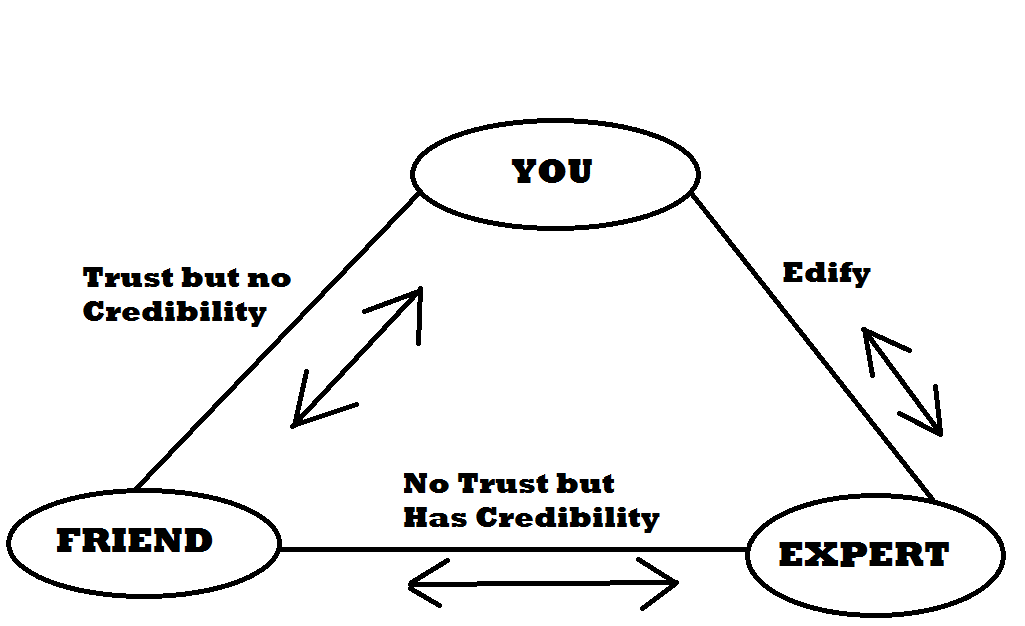
In the intricate world of brand building, the term “edification” holds a power often underestimated, yet fundamentally critical for forging lasting connections and cultivating genuine loyalty. Far from being a mere academic exercise or a synonym for basic information dissemination, edification, in the context of branding, signifies the deliberate act of instructing, enlightening, and improving an audience intellectually, morally, or spiritually. It’s about building up—not just a product or service, but the capacity, understanding, and perspective of the individual engaging with the brand. For brands aiming to transcend transactional relationships and establish themselves as trusted authorities and indispensable partners, understanding and implementing edification is paramount.
The Strategic Imperative of Edification in Brand Building
At its core, branding is about identity, perception, and the value a company or individual brings to the market. Edification serves as a robust pillar in this construction, moving beyond simple promotion to create profound, meaningful impact. When a brand chooses to edify, it commits to a higher standard of engagement, fostering growth and insight within its community. This approach solidifies its position not just as a provider, but as an educator and a guide.
Building Beyond Products: Elevating Understanding and Value
Modern consumers are increasingly discerning. They seek not just solutions to immediate problems, but a deeper understanding of the world, their challenges, and potential pathways to improvement. A brand that edifies understands this intrinsic human desire for growth. It goes beyond merely listing features or benefits, instead explaining the why behind its offerings, the broader context of its industry, and the long-term implications of its solutions.
For instance, a software company doesn’t just sell an AI tool; it explains how AI is transforming workflows, demystifies complex algorithms, and illustrates the ethical considerations of automation. By doing so, it elevates the audience’s understanding, making them more informed decision-makers and, crucially, more appreciative of the brand’s expertise and integrity. This process isn’t about selling; it’s about empowering. The value derived is not just from the product itself, but from the intellectual and practical enrichment the brand provides.
The Ethical Dimension: Fostering Trust and Authenticity
Edification inherently carries an ethical dimension. It implies a commitment to truth, transparency, and the genuine betterment of the audience. Brands that edify consistently provide accurate, well-researched, and unbiased information, even if it occasionally highlights limitations or complexities. This builds a powerful foundation of trust, a currency more valuable than any marketing budget.
In an era of information overload and often misleading claims, a brand known for its commitment to edification stands out as a beacon of authenticity. It signals that the brand’s motives extend beyond profit, embracing a responsibility to inform and uplift. This ethical stance resonates deeply with conscious consumers who are increasingly aligning their purchasing decisions with brands that demonstrate integrity and a positive societal impact.
Edification as a Cornerstone for Personal and Corporate Identity
The principles of edification apply equally, and perhaps even more acutely, to both personal and corporate branding. For individuals, it defines their expertise and influence, while for organizations, it shapes their culture and market leadership.
Cultivating Thought Leadership Through Insight
For individuals seeking to establish a personal brand, edification is the very act of becoming a thought leader. It involves consistently sharing insights, perspectives, and knowledge that challenge conventional wisdom, introduce new paradigms, or simplify complex subjects. A thought leader doesn’t just regurgitate information; they synthesize, analyze, and present it in a way that helps others see the world differently or understand their professional domain more profoundly.
This takes the form of articles, speeches, workshops, or even curated discussions that aim to elevate the collective intelligence of their audience. By consistently delivering valuable, insightful content that genuinely edifies, an individual builds an undeniable reputation for expertise, credibility, and influence. Their personal brand becomes synonymous with growth and learning, attracting followers and opportunities based on the perceived value of their intellectual contributions.
Shaping Corporate Identity with a Learning Culture
For corporate brands, edification permeates internal culture as much as external communications. A company that prioritizes edification within its ranks fosters a learning organization, where employees are continuously encouraged to grow, develop new skills, and deepen their understanding of the industry, technology, and customer needs. This internal edification translates directly into a more knowledgeable, adaptable, and innovative workforce, which in turn strengthens the corporate identity.
Externally, a corporate brand can edify its market through industry reports, educational webinars, comprehensive whitepapers, and public-facing research. This positions the company not just as a vendor, but as a proactive participant in advancing the entire industry, setting standards, and sharing knowledge. Such an identity builds immense goodwill, attracts top talent, and establishes a formidable competitive advantage rooted in intelligence and foresight.
Implementing Edification in Marketing and Communications Strategy

Edification is not a separate marketing channel but an overarching philosophy that should inform all communication touchpoints. It transforms promotional activities into valuable learning experiences, seamlessly integrating education with engagement.
Content Marketing: The Engine of Edification
Content marketing is perhaps the most direct and effective vehicle for brand edification. Instead of outright selling, content marketing aims to attract and retain an audience by consistently creating and curating relevant and valuable content. This content, by its very nature, is designed to edify.
Consider:
- How-to guides and tutorials: Empowering users to solve problems and master skills.
- Deep-dive articles and research papers: Providing comprehensive understanding of complex topics.
- Webinars and online courses: Offering structured learning experiences.
- Infographics and data visualizations: Simplifying complex data for easier comprehension.
- Expert interviews and Q&As: Delivering insights directly from thought leaders.
Each piece of content serves to educate, enlighten, and ultimately build the audience’s capacity, directly contributing to the brand’s reputation as a valuable resource. The goal is to make the audience smarter, more capable, and better informed, naturally associating these positive outcomes with the brand itself.
Storytelling and Case Studies: Practical Edification
Beyond direct instructional content, storytelling and well-crafted case studies offer another powerful means of edification. By presenting real-world scenarios, challenges, and successful resolutions, brands can illustrate complex concepts in an accessible and relatable manner.
- Case studies: Demonstrate the practical application of a brand’s solutions, showing how problems were solved and the tangible benefits achieved. These are inherently educational, offering blueprints for success to others facing similar challenges. They don’t just tell what the product does; they show what it achieves.
- Brand narratives: Can edify by sharing the journey of innovation, the principles guiding product development, or the ethical sourcing behind materials. These stories inform consumers about the values and processes that contribute to the final product, fostering a deeper appreciation and understanding of the brand’s commitment and vision.
Building Interactive Platforms and Communities
True edification is often a two-way street. Brands can foster a more profound learning environment by creating interactive platforms and nurturing communities where audience members can learn from each other as well as from the brand. Forums, social media groups, and user conferences allow for shared experiences, peer-to-peer learning, and direct interaction with brand experts.
These platforms become dynamic spaces where questions are answered, insights are exchanged, and collective knowledge grows. By facilitating these interactions, a brand amplifies its edifying impact, transforming passive consumers into active participants in a shared journey of growth and understanding.
The Long-Term Returns: Loyalty, Advocacy, and Market Resilience
The consistent pursuit of edification yields significant long-term returns for a brand, far exceeding the reach of short-term promotional tactics. It cultivates a relationship built on mutual respect and shared growth, leading to unparalleled loyalty and advocacy.
From Transactional to Transformational Relationships
When a brand consistently edifies its audience, it shifts the relationship paradigm from purely transactional to transformational. Customers no longer view the brand merely as a vendor but as a partner in their personal or professional development. This deeper connection fosters an emotional loyalty that is resilient to competitive pressures and economic fluctuations. People are less likely to abandon a brand that has genuinely helped them grow and understand.
Cultivating Brand Advocates and Evangelists
An edified audience naturally transforms into a community of brand advocates and evangelists. Individuals who have gained valuable knowledge, skills, or insights from a brand are more likely to share their positive experiences, recommend the brand to others, and defend its reputation. Their advocacy is authentic and powerful because it stems from a place of genuine value received, not just satisfaction with a product. These advocates become a brand’s most credible and effective marketing force.

Sustained Engagement and Market Resilience
In a rapidly evolving market, brands that edify maintain sustained engagement because they offer perpetual value. They aren’t just selling what’s current; they’re preparing their audience for what’s next. This forward-looking approach ensures relevance and continuous interest. Furthermore, brands built on a foundation of edification demonstrate greater resilience during crises. Their established credibility and trusted relationship with their audience can help weather negative publicity or market downturns, as their community is more likely to trust their communication and stand by them.
In essence, edification is not merely a good practice; it is a fundamental strategy for building a brand that endures, inspires, and truly matters in the lives of its audience. It transforms a brand from a mere entity into an indispensable source of growth, knowledge, and trust.
aViewFromTheCave is a participant in the Amazon Services LLC Associates Program, an affiliate advertising program designed to provide a means for sites to earn advertising fees by advertising and linking to Amazon.com. Amazon, the Amazon logo, AmazonSupply, and the AmazonSupply logo are trademarks of Amazon.com, Inc. or its affiliates. As an Amazon Associate we earn affiliate commissions from qualifying purchases.