
The world of stock market investing often evokes images of bustling trading floors and digital screens flashing with real-time data. For new and seasoned investors alike, understanding the fundamental mechanics of how these markets operate is paramount. One of the most basic, yet crucial, pieces of information is knowing when the markets open and, perhaps more importantly, when they close. The closing bell isn’t just a symbolic end to the trading day; it signifies a critical juncture for price discovery, liquidity, and strategic decision-making that ripples across global financial ecosystems.

This article delves into the intricacies of stock market closing times, exploring the standard hours of major exchanges, the dynamics of extended-hours trading, and the various factors that can alter these schedules. We will also examine the profound strategic importance of market closing times for investors, traders, and the broader financial landscape, providing insights into how to navigate these critical periods effectively.
The Standard Trading Day: A Global Perspective
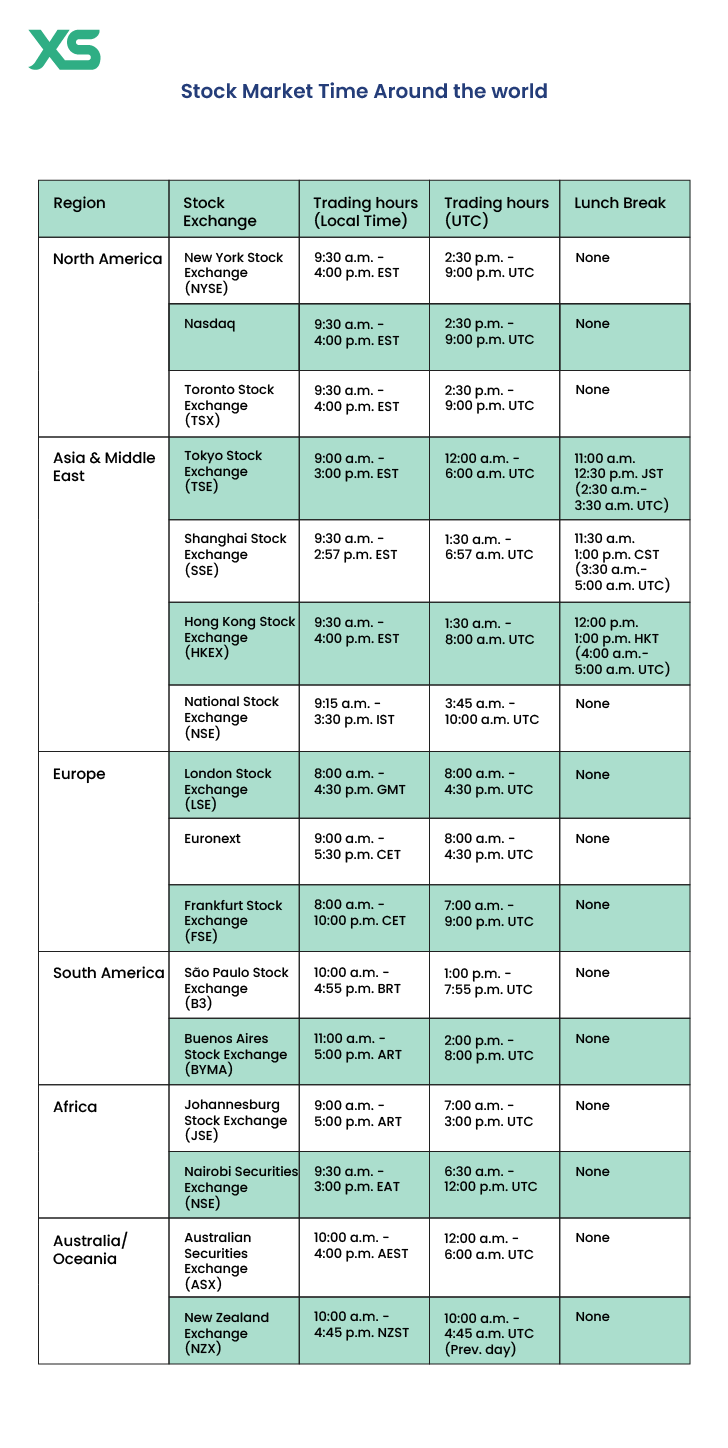
While the concept of a “trading day” is universal, the specific hours during which stock exchanges operate vary significantly across different regions and countries. These hours are typically set by regulatory bodies and exchange operators, reflecting local business customs, time zones, and global financial interconnectedness.
North American Exchanges: NYSE and NASDAQ
In the United States, the New York Stock Exchange (NYSE) and the NASDAQ Stock Market, two of the world’s largest and most influential exchanges, adhere to a standard trading schedule. Regular trading hours are 9:30 AM to 4:00 PM Eastern Time (ET), Monday through Friday. This seven-and-a-half-hour window is considered the core period for price discovery and liquidity for the vast majority of publicly traded U.S. securities. During these hours, orders are executed in real-time, reflecting immediate supply and demand dynamics, news, and market sentiment. The closing bell at 4:00 PM ET is a widely recognized signal marking the end of the standard trading session.
Canadian exchanges, such as the Toronto Stock Exchange (TSX) and TSX Venture Exchange (TSXV), generally follow a similar pattern, typically operating from 9:30 AM to 4:00 PM ET, mirroring their southern neighbor’s schedule due to strong economic ties and shared time zones.
European Markets: LSE, Euronext, Deutsche Börse
Europe’s financial landscape is characterized by a mosaic of major exchanges, each with its own set of trading hours. The London Stock Exchange (LSE), a global financial hub, operates from 8:00 AM to 4:30 PM Greenwich Mean Time (GMT), or British Summer Time (BST) when applicable. This longer trading day reflects London’s strategic position as a bridge between Asian and American markets.
Euronext, which encompasses exchanges in Paris, Amsterdam, Brussels, Lisbon, Oslo, and Dublin, generally operates from 9:00 AM to 5:30 PM Central European Time (CET). Similarly, the Deutsche Börse, home to the Frankfurt Stock Exchange (Xetra), also typically runs from 9:00 AM to 5:30 PM CET. These European hours are often longer than their U.S. counterparts, allowing for overlap with both Asian morning hours and early U.S. trading.
Asian Markets: Tokyo, Shanghai, Hong Kong
Asia’s financial markets kick off the global trading day. The Tokyo Stock Exchange (TSE), a cornerstone of Asian finance, operates in two sessions: 9:00 AM to 11:30 AM JST (Japan Standard Time) and 12:30 PM to 3:00 PM JST. The hour-long lunch break is a common feature in many Asian markets, differentiating them from Western exchanges that typically trade continuously.
The Shanghai Stock Exchange (SSE) and Shenzhen Stock Exchange (SZSE) in mainland China operate from 9:30 AM to 11:30 AM CST (China Standard Time) and 1:00 PM to 3:00 PM CST, also featuring a lunch break. The Hong Kong Stock Exchange (HKEX) follows a similar two-session structure: 9:30 AM to 12:00 PM HKT (Hong Kong Time) and 1:00 PM to 4:00 PM HKT. These staggered hours across different time zones facilitate a continuous flow of global trading, ensuring that markets are almost always “open” somewhere in the world.
Key Factors Influencing Standard Hours
The chosen trading hours for an exchange are not arbitrary. They are influenced by several factors:
- Local Business Culture: Reflecting typical workdays and breaks.
- Time Zone Alignment: Optimizing overlap with major trading partners and preventing excessive idle periods.
- Regulatory Frameworks: Governing market stability, investor protection, and operational efficiency.
- Technological Capabilities: Modern electronic trading systems allow for longer and more flexible hours compared to traditional open outcry systems.
Beyond Regular Hours: Pre-Market and After-Hours Trading
The “closing bell” at 4:00 PM ET for U.S. markets doesn’t always signal a complete halt to trading activity. Modern electronic communication networks (ECNs) and brokerage platforms offer investors the ability to trade outside standard market hours, a practice known as extended-hours trading. This includes “pre-market” trading, which occurs before the official open, and “after-hours” trading, which takes place after the official close.
Understanding Extended-Hours Trading
- Pre-Market Trading: For U.S. markets, pre-market trading typically begins as early as 4:00 AM ET and extends until 9:30 AM ET.
- After-Hours Trading: After-hours trading usually runs from 4:00 PM ET until 8:00 PM ET.
These extended sessions allow investors to react to news released outside regular hours, such as earnings reports, mergers and acquisitions announcements, or significant macroeconomic data. Trading during these times is facilitated by ECNs that match buyers and sellers electronically, bypassing the traditional exchange floor.
Benefits and Risks of Off-Hours Trading
Benefits:
- Immediate Reaction to News: Allows investors to capitalize on or mitigate risks from information released outside standard hours.
- Flexibility: Provides more opportunities for investors with busy schedules during regular market hours.
- Potential for Price Discovery: Significant price movements can occur during these sessions, often indicative of sentiment to come during regular hours.
Risks:
- Lower Liquidity: Fewer participants mean wider bid-ask spreads and potentially larger price swings on smaller volumes, making it harder to execute large orders without impacting the price.
- Higher Volatility: Thin trading can lead to exaggerated price movements in response to news, increasing risk.
- Price Discrepancy: The price at which a stock trades after-hours might differ significantly from its opening price the next day, leading to “gap up” or “gap down” scenarios.
- Limited Order Types: Some advanced order types may not be available during extended hours.
How Extended Hours Impact Price Discovery
While regular hours are the primary driver of price discovery due to high liquidity, extended hours provide an early (or late) indication of market sentiment. Significant news breaks can lead to substantial price shifts in the pre-market or after-hours sessions, setting the tone for the next official trading day. Savvy investors often monitor these sessions for early signals, though they must exercise caution due to the inherent risks.
Market Closures: Weekends, Holidays, and Special Circumstances
The standard trading day is not a constant. Stock exchanges observe various closures throughout the year, impacting trading schedules and requiring investors to plan accordingly.
Scheduled Holiday Closures
All major stock exchanges worldwide close for national holidays. In the U.S., for instance, the NYSE and NASDAQ are typically closed on federal holidays such as New Year’s Day, Martin Luther King, Jr. Day, Presidents’ Day, Good Friday, Memorial Day, Juneteenth National Independence Day, Independence Day, Labor Day, Thanksgiving Day, and Christmas Day. Similar calendars exist for exchanges in other countries, aligning with their respective national holidays. These closures ensure that market participants can observe national celebrations and allow for back-office operations to catch up.
Early Closures and Half-Days
In addition to full-day closures, exchanges sometimes have shortened trading days or “half-days.” These often occur around major holidays, such as the day before Independence Day or the day after Thanksgiving (Black Friday) in the U.S., where markets might close at 1:00 PM ET. These early closures reduce operational burden during holiday periods while still allowing for a partial trading session. Investors need to be particularly aware of these shortened days as liquidity can be even lower than usual in the reduced trading window.
Unexpected Suspensions and Circuit Breakers
Beyond scheduled closures, markets can experience unexpected trading suspensions or early closures under extraordinary circumstances.
- Circuit Breakers: These are pre-defined mechanisms designed to temporarily halt trading across an entire exchange (or for specific stocks) if prices fall or rise by a certain percentage within a given timeframe. Their purpose is to curb panic selling or irrational exuberance, allowing investors to reassess the situation. For example, U.S. markets have three circuit breaker levels tied to the S&P 500’s movement, triggering a 15-minute halt at 7% and 13% drops, and closing the market for the day at a 20% drop.
- Regulatory Suspensions: A company’s stock might be temporarily suspended from trading by regulatory bodies (e.g., the SEC in the U.S.) due to pending news, investigations, or concerns about market manipulation.
- Exchange-Wide Technical Issues/Disasters: While rare, technical glitches, natural disasters, or major geopolitical events can force an exchange to close unexpectedly or delay opening.
These unscheduled events highlight the importance of staying informed through reliable financial news sources and brokerage alerts.
The Strategic Importance of Market Closing Times for Investors
The moment the market closes is more than just a timestamp; it’s a critical point with significant strategic implications for investors, traders, and the overall integrity of financial markets. Understanding these dynamics can greatly enhance an investor’s decision-making process.
Impact on Trading Decisions and Order Execution
- End-of-Day Orders: Many investors place “Market-On-Close” (MOC) or “Limit-On-Close” (LOC) orders, which are designed to execute as close to the closing price as possible. These orders are crucial for institutional investors seeking to adjust their portfolio exposures at the end of the day, or for index funds that need to rebalance their holdings to track their benchmarks accurately. The influx of these orders can sometimes lead to heightened volatility in the final minutes of trading.
- Unfilled Orders: Any limit or stop orders that have not been filled during the regular trading day will typically expire at the close unless they are designated “good till canceled” (GTC). Investors must be aware of their order parameters and whether they intend for them to persist into extended hours or the next day.
- Liquidity Crunch: As the close approaches, some market participants may withdraw their bids and offers, potentially leading to a temporary reduction in liquidity and wider spreads, especially for less actively traded stocks.
Volatility and Liquidity at the Close
The final hour, and particularly the final minutes, of a trading session can often be characterized by increased volatility and trading volume. This phenomenon is commonly referred to as “the close.” Several factors contribute to this:
- Institutional Rebalancing: Portfolio managers make final adjustments to their holdings.
- News Reactions: Late-breaking news can trigger rapid buying or selling.
- Window Dressing: Fund managers may buy or sell stocks in their portfolios to improve the appearance of their holdings for quarter-end or year-end reports.
- Derivatives Expiration: On certain days, the expiration of options and futures contracts can lead to significant hedging activity at the close, further amplifying volume and volatility.
For day traders and short-term investors, the closing period offers both opportunities and risks, demanding heightened attention and sophisticated strategies.
Portfolio Management and End-of-Day Valuations
For long-term investors and financial advisors, the market close is fundamental to portfolio management and valuation. The closing price of a stock is generally considered its official daily value, used for calculating daily portfolio returns, net asset values (NAVs) of mutual funds and ETFs, and for reporting purposes. It’s the benchmark against which performance is measured and financial statements are prepared.
Understanding when and why these prices are established is critical for accurate financial analysis and for communicating portfolio performance to clients. Furthermore, the closing prices from one day often serve as reference points for the next day’s opening, influencing pre-market trading sentiment and the direction of the market at the bell.
Global Market Interconnectivity and “The Close”
The closing of one major market often coincides with the opening of another, creating a continuous, albeit fragmented, global trading day. For investors with international holdings, understanding the interplay of closing and opening times across different time zones is crucial. For example, a significant event occurring just after the close of the U.S. market might impact Asian markets overnight, and then European markets the following morning, before eventually influencing the next U.S. open. This interconnectivity means that “the close” in one region can be a powerful determinant of activity in another, highlighting the importance of a holistic, 24-hour perspective for global investors.
Tools and Resources for Tracking Market Hours
In today’s digital age, staying informed about market hours and any potential changes is easier than ever. Investors have a wealth of resources at their fingertips.
Brokerage Platforms and Financial News Sites
Most reputable online brokerage platforms integrate real-time market data, including current trading hours, upcoming holiday closures, and alerts for early closures. They often display countdown timers to the market close and indicate when extended-hours trading is available.
Leading financial news websites (e.g., Bloomberg, Reuters, The Wall Street Journal, CNBC, Yahoo Finance) and specialized market data providers are excellent sources for up-to-date information on market schedules, including special announcements regarding early closures or unexpected suspensions. Subscribing to their newsletters or setting up custom alerts can ensure you receive timely notifications. The official websites of stock exchanges themselves (e.g., NYSE.com, NASDAQ.com, LSE.com) also publish their full holiday schedules well in advance.
Understanding Time Zones
Given the global nature of financial markets, a solid understanding of different time zones is indispensable. Most financial news and brokerage platforms will default to your local time zone or offer the option to display market hours in your preferred time. However, when researching or discussing international markets, always clarify the time zone being referenced (e.g., ET for New York, GMT/BST for London, JST for Tokyo, CET for Frankfurt). Many online tools and apps are available to help convert time zones quickly and accurately, preventing missed opportunities or misinterpretations of market events.
In conclusion, knowing “when do stocks close” is far more than a simple fact; it’s a foundational element of effective investing and trading. From the standard daily rhythm to the intricacies of extended hours and the impact of closures, each aspect plays a vital role in shaping market dynamics. By understanding these schedules and their strategic implications, investors can make more informed decisions, manage risk more effectively, and navigate the complex, interconnected world of global finance with greater confidence.
aViewFromTheCave is a participant in the Amazon Services LLC Associates Program, an affiliate advertising program designed to provide a means for sites to earn advertising fees by advertising and linking to Amazon.com. Amazon, the Amazon logo, AmazonSupply, and the AmazonSupply logo are trademarks of Amazon.com, Inc. or its affiliates. As an Amazon Associate we earn affiliate commissions from qualifying purchases.