
The phrase “stock market crash” conjures images of economic chaos, financial ruin, and widespread panic. It’s a concept that strikes fear into the hearts of investors, from seasoned veterans to those just beginning their wealth-building journey. While the immediate implications can be severe and frightening, understanding what truly happens during a market crash, its broader economic ripples, and the subsequent path to recovery is crucial for any financially literate individual. Far from being a random event, a stock market crash is a complex phenomenon with predictable patterns and consequences, often serving as a catalyst for significant economic and financial shifts.
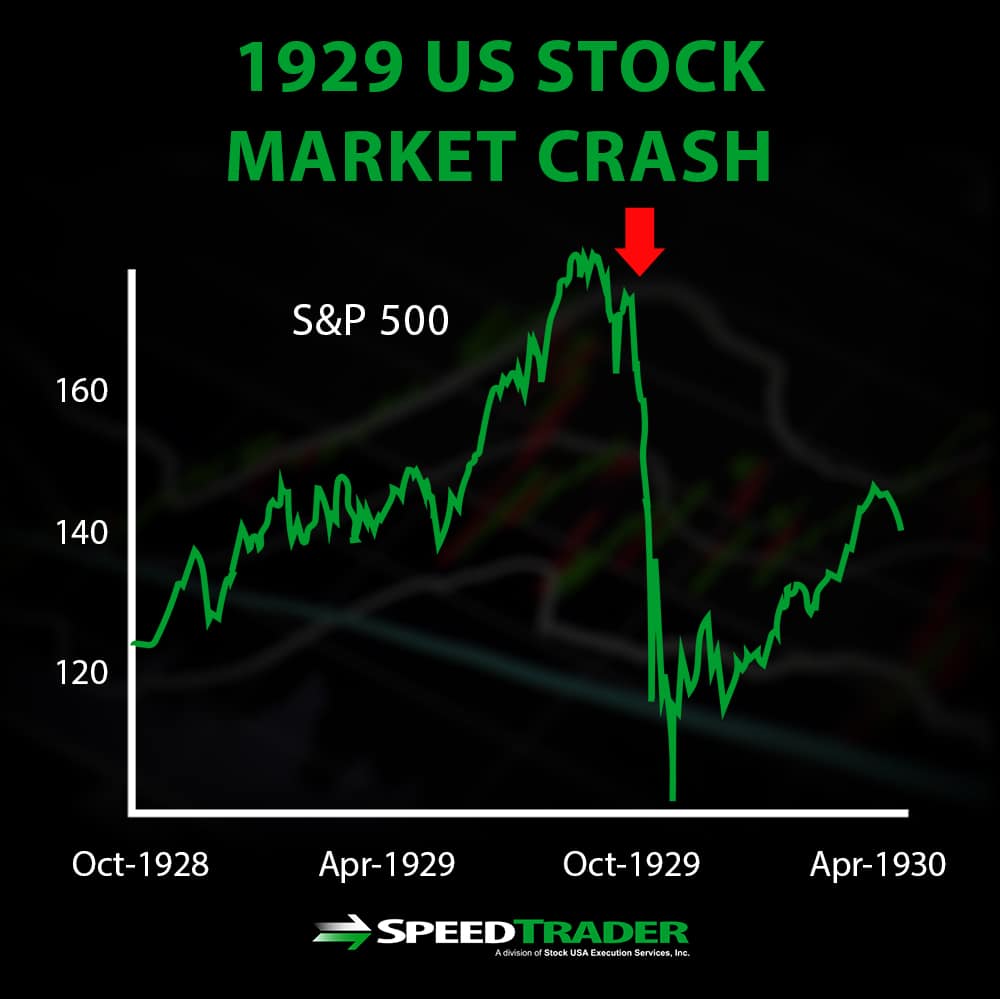
A stock market crash is generally defined as a sudden, dramatic decline in stock prices across a major market index, typically 10% or more over a short period, often in a single day or week. Unlike a market correction, which is a decline of 10-20% that is usually brief, a crash is more severe, steeper, and often triggers a prolonged bear market. The underlying causes can vary widely, from speculative bubbles bursting and sudden economic shocks (like pandemics or geopolitical crises) to interest rate hikes and systemic financial weaknesses. Regardless of the trigger, the fallout is multifaceted, impacting everything from individual retirement accounts to global economic stability.
The Immediate Aftermath: Panic and Volatility
When a stock market crashes, the initial reaction is often one of profound fear and uncertainty. This emotional response, coupled with rapid algorithmic trading, can create a powerful downward spiral that exacerbates the initial decline.
Market Mechanics in Crisis
The speed and scale of a modern market crash are often amplified by advanced technology. Automated trading systems, designed to execute trades based on pre-set parameters, can trigger massive sell-offs in rapid succession. This “flash crash” phenomenon, though often short-lived, demonstrates the market’s hypersensitivity. To mitigate such extreme volatility, stock exchanges employ “circuit breakers” – temporary halts in trading when an index falls by a certain percentage. These halts are designed to give investors a moment to process information, cool down emotional responses, and prevent unchecked freefalls. However, they also signal the severity of the situation, often intensifying rather than alleviating investor anxiety in the short term. Liquidity also becomes a major concern; sellers far outnumber buyers, making it difficult to execute trades at desired prices, further depressing asset values.
Investor Behavior and Emotional Decisions
Human psychology plays a critical role in the immediate aftermath of a crash. Fear and greed are powerful emotions that often drive irrational decisions in financial markets. During a crash, fear dominates. Many investors, particularly those with less experience or a lower risk tolerance, succumb to the urge to “cut their losses” by selling off their holdings. This herd mentality, where individuals mimic the actions of the majority, can accelerate the market’s decline, turning a correction into a full-blown crash. The psychological toll can be immense, leading to sleepless nights, anxiety, and a profound sense of financial insecurity. However, experienced investors understand that panic selling often locks in losses and prevents participation in the inevitable recovery.
Media Frenzy and Speculation
The financial media, while playing a vital role in informing the public, can also inadvertently contribute to the panic during a crash. Sensational headlines, constant updates on falling indices, and expert predictions of doom can amplify fear and uncertainty. The 24/7 news cycle means that every dip and rally is scrutinized, often with an emphasis on the negative. This can create a feedback loop where media coverage fuels investor anxiety, which in turn fuels further market declines, generating more negative headlines. Distinguishing between fact and speculation becomes challenging, making it harder for investors to make rational, informed decisions.
Broader Economic Ripples: Beyond the Trading Floor
The stock market is often considered a barometer of economic health, but its impact during a crash extends far beyond the trading screens, permeating all aspects of the economy and society.
Impact on Businesses and Corporations
A sustained market downturn directly affects the corporate world. Companies, particularly those heavily reliant on public markets for capital, find it difficult to raise funds for expansion, research, and development. Consumer confidence plummets, leading to reduced spending on non-essential goods and services. This decline in demand impacts corporate revenues and profits, often forcing businesses to cut costs. Layoffs become common, unemployment rises, and investment projects are put on hold. Small and medium-sized enterprises (SMEs), which often have less access to diverse funding sources, are particularly vulnerable, leading to business failures and bankruptcies. Entire sectors, especially those tied to discretionary spending like travel, entertainment, and luxury goods, can be severely hit, while others, like consumer staples or utilities, might prove more resilient.
Personal Finance Consequences
For individuals, the most immediate and visible impact is on their investment portfolios, particularly retirement accounts like 401(k)s and IRAs, which are often heavily invested in stocks. A significant portion of many people’s net worth is tied to these accounts, and a crash can wipe out years of accumulated gains, potentially delaying retirement plans or forcing people to work longer. Beyond investments, a struggling economy can lead to job losses or reduced working hours, impacting current income. Access to credit can become tighter and more expensive as banks become more risk-averse. The “wealth effect,” where people feel richer and spend more when their assets appreciate, works in reverse during a crash: people feel poorer and cut back on spending, further slowing the economy. Home equity, often seen as a stable asset, can also be affected if economic distress leads to a housing market downturn.
Government and Central Bank Interventions
Recognizing the systemic risks posed by a severe market crash, governments and central banks typically step in with a range of interventions. Central banks often cut interest rates aggressively to make borrowing cheaper and stimulate economic activity. They may also engage in quantitative easing (QE), injecting liquidity into the financial system by buying government bonds and other assets. Governments, on the fiscal side, might implement stimulus packages, tax cuts, or increased public spending to boost demand and support struggling industries and individuals. Regulatory bodies might introduce temporary measures, like bans on short selling, to stabilize markets. These interventions aim to restore confidence, prevent a deeper economic recession, and stabilize financial markets, though their effectiveness and long-term consequences are often debated.

The Long Road to Recovery: Rebuilding and Adapting
While the initial phase of a crash is characterized by fear and destruction, it is invariably followed by a period of recovery and adaptation. Markets are cyclical, and economic history shows that every downturn is eventually followed by an upturn.
Market Bottoms and Value Opportunities
One of the most challenging aspects of investing during a crash is identifying the market bottom – the point at which prices stop falling and begin to recover. This is impossible to predict accurately in real-time. However, for long-term investors, a crash presents unique opportunities. Companies that were overvalued before the crash may become attractively priced, offering a chance to acquire quality assets at a discount. This is the essence of “buying the dip” – a strategy embraced by value investors who look for strong companies trading below their intrinsic worth. While risky, those who invest during downturns often see significant returns during the subsequent recovery, proving the adage that fortunes are made in bear markets and collected in bull markets.
Economic Resilience and Innovation
Crises, while painful, can also be powerful catalysts for change and innovation. Companies are forced to re-evaluate their business models, cut inefficiencies, and innovate to survive. Weaker, less adaptable firms may fail, but stronger, more resilient ones emerge leaner and more competitive. New industries can arise from the ashes of old ones, driven by evolving consumer needs or technological breakthroughs accelerated by the crisis. For example, the dot-com bust of 2000 paved the way for more robust and sustainable internet businesses, and the 2008 financial crisis led to increased scrutiny and reform in the financial sector. These periods often highlight the importance of adaptability and strategic foresight.
Regulatory Lessons and Reforms
Each major market crash typically leads to a re-evaluation of existing financial regulations and the implementation of new safeguards. The Great Depression led to the creation of the SEC (Securities and Exchange Commission) and fundamental changes in banking laws. The 2008 financial crisis prompted significant reforms like the Dodd-Frank Act, aimed at increasing transparency, improving oversight of financial institutions, and protecting consumers. These regulatory changes are designed to address the specific vulnerabilities exposed by the crash, aiming to prevent future recurrences and build a more stable and secure financial system. While not always perfect, they reflect an ongoing effort to learn from past mistakes.
Preparing for the Inevitable: Strategies for Investors
Given that stock market crashes are an inherent part of economic cycles, the best approach is not to fear them, but to understand them and prepare accordingly. Proactive financial planning can significantly mitigate the impact of a downturn and even turn it into an opportunity.
Diversification as a Shield
One of the most fundamental principles of investing is diversification. Spreading investments across different asset classes (stocks, bonds, real estate, commodities), industries, geographies, and company sizes helps cushion the blow of a crash. When one sector or asset class performs poorly, others may hold steady or even gain, balancing out overall portfolio performance. A well-diversified portfolio is less susceptible to the extreme volatility of any single component, making it more resilient during market turbulence.
Emergency Funds and Financial Stability
Before even contemplating stock market investments, individuals should build a robust emergency fund. This liquid cash reserve, typically covering 3-6 months of living expenses, is crucial during economic downturns. It provides a safety net against job loss or unexpected expenses, preventing the need to sell investments at a loss during a market crash. Having sufficient cash on hand offers peace of mind and allows investors to ride out the market storm without being forced into unfavorable decisions.
Long-Term Perspective and Emotional Discipline
Successful investing, especially through crashes, requires a long-term perspective and strong emotional discipline. Attempting to time the market – selling before a crash and buying back at the bottom – is notoriously difficult and often leads to missed opportunities. Instead, adopting a “buy and hold” strategy, coupled with dollar-cost averaging (investing a fixed amount regularly, regardless of market fluctuations), allows investors to benefit from market recoveries. During a crash, regular contributions buy more shares at lower prices, which can significantly boost returns when the market rebounds. The key is to resist the urge to panic sell and trust in the market’s historical tendency to recover and grow over the long term.
Rebalancing and Opportunity
A market crash can be an opportune time for portfolio rebalancing. If stocks have fallen significantly, they might now represent a smaller portion of your target asset allocation. A crash presents a chance to buy more stocks at lower prices to bring your portfolio back to its desired allocation. This strategic buying during a downturn can significantly enhance long-term returns. Similarly, identifying solid companies that have been unfairly penalized by market-wide fear can present compelling investment opportunities for those with the capital and conviction to act.
Conclusion
A stock market crash is undeniably a tumultuous and anxiety-inducing event. It brings immediate financial losses, profound economic disruption, and a palpable sense of uncertainty. However, it is also a recurring, albeit painful, feature of the global financial landscape. By understanding the immediate market mechanics, the broader economic consequences, and the eventual path to recovery, investors can move beyond fear and adopt a more strategic, resilient approach. While no one can perfectly predict or prevent a crash, sound financial planning – including diversification, maintaining an emergency fund, and cultivating a long-term perspective – empowers individuals to not only weather the storm but also potentially emerge stronger and more prosperous on the other side. The lessons learned from crashes often lead to better regulation and more robust economic systems, reminding us that even in periods of crisis, there is always room for growth, adaptation, and eventual recovery.
aViewFromTheCave is a participant in the Amazon Services LLC Associates Program, an affiliate advertising program designed to provide a means for sites to earn advertising fees by advertising and linking to Amazon.com. Amazon, the Amazon logo, AmazonSupply, and the AmazonSupply logo are trademarks of Amazon.com, Inc. or its affiliates. As an Amazon Associate we earn affiliate commissions from qualifying purchases.