
For the modern investor, the question of “when do stock markets open today” is more than a simple matter of checking a clock; it is a fundamental component of a sophisticated trading strategy. In an era of 24/7 news cycles and global connectivity, the rhythmic opening and closing of physical and electronic exchanges provide the structural framework for price discovery, liquidity, and volatility. Whether you are a long-term value investor or a high-frequency day trader, understanding the operating hours of the world’s major financial hubs is essential for optimizing entry and exit points and managing risk across different time zones.
While digital platforms have made it possible to place orders at any time of day, the actual execution of those orders typically hinges on the formal operating hours of the exchanges. This guide explores the standard operating schedules of major global markets, the nuances of extended-hours trading, and how the timing of the market “bell” influences the behavior of assets in your portfolio.
Understanding Standard Trading Hours in Major Global Markets
The global financial landscape is a relay race. As one market closes, another is often preparing to open, creating a continuous flow of capital around the planet. However, the most significant liquidity and price movements occur during the “core” hours of the world’s primary exchanges.
The Powerhouses: NYSE and NASDAQ
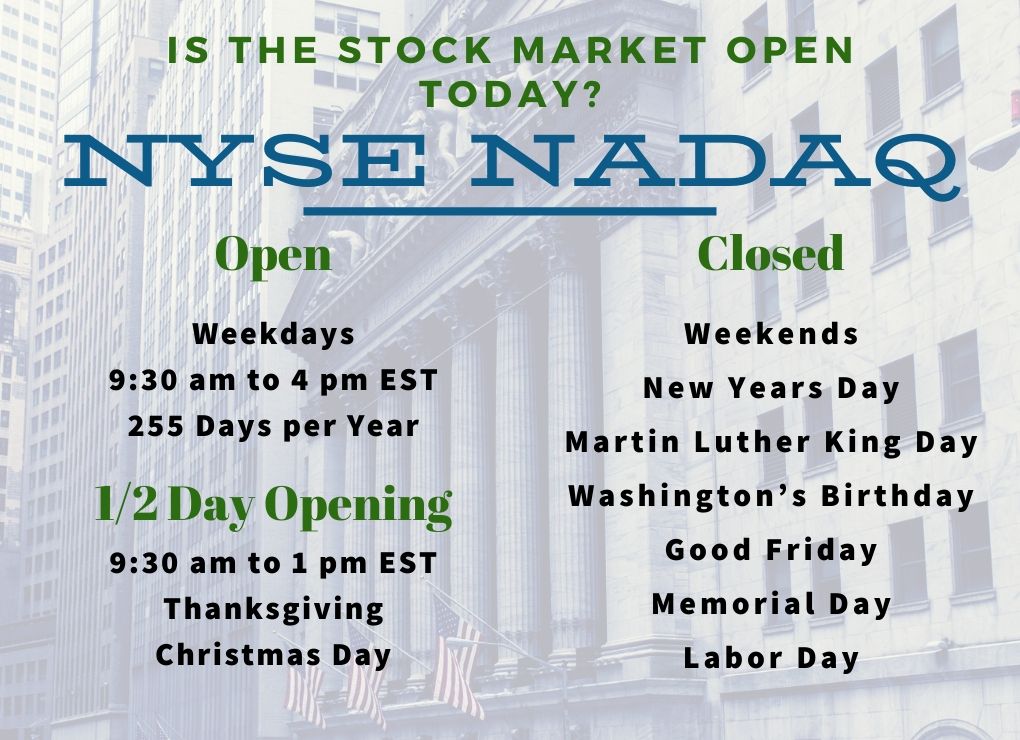
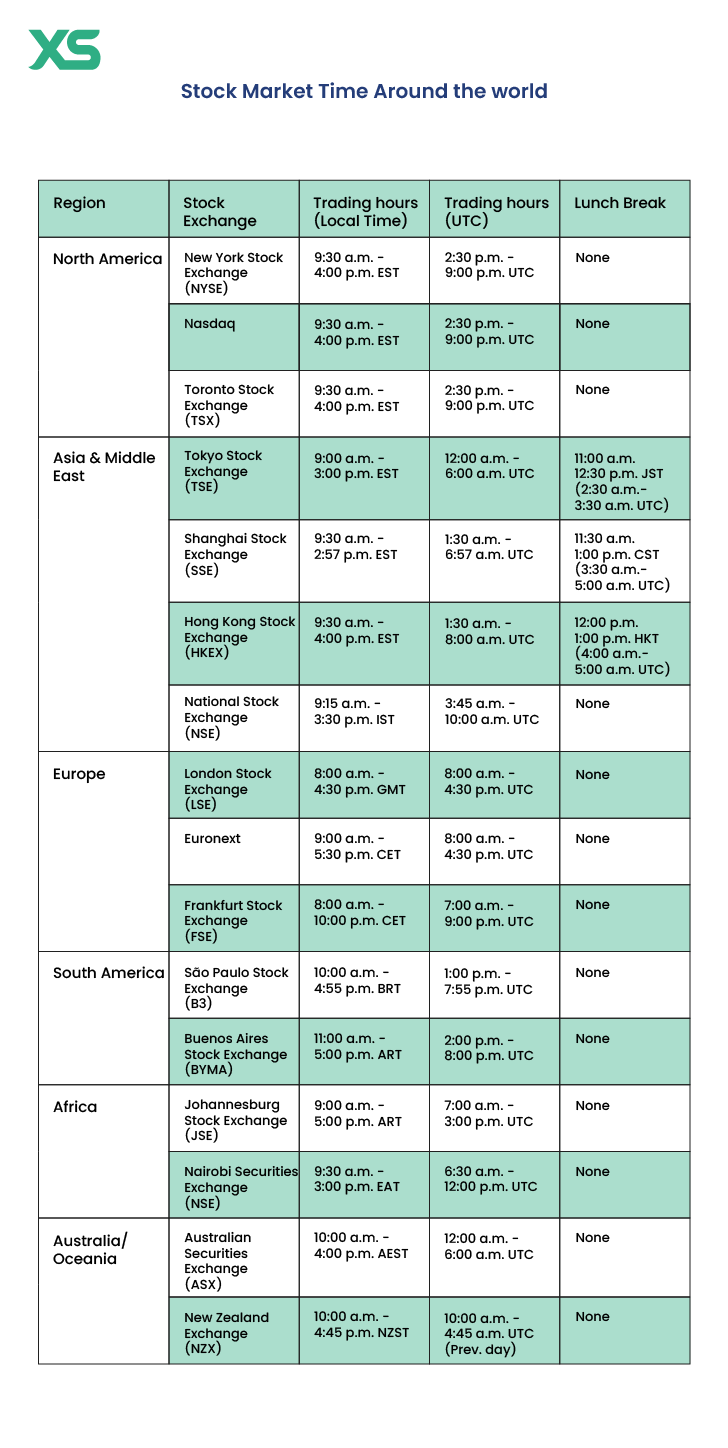
For investors focused on U.S. equities, the primary focus is on the New York Stock Exchange (NYSE) and the NASDAQ. Both of these exchanges operate on a synchronized schedule. The regular trading session begins at 9:30 AM Eastern Time (ET) and concludes at 4:00 PM ET, Monday through Friday.
These hours are strictly observed, and they represent the period of highest liquidity. During this window, the “bid-ask spread”—the difference between what a buyer is willing to pay and what a seller is willing to accept—is typically at its narrowest. This makes it the most cost-effective time for retail investors to execute trades. It is also the period during which institutional “market makers” are most active, ensuring that large orders can be filled without causing excessive price swings.
European Markets: The Mid-Day Bridge
European markets serve as a critical bridge between the Asian and North American sessions. The London Stock Exchange (LSE), one of the world’s oldest and most influential, typically opens at 8:00 AM Greenwich Mean Time (GMT) and closes at 4:30 PM GMT.
Other major European hubs, such as the Euronext Paris and the Deutsche Börse (Frankfurt), operate on Central European Time (CET), usually opening at 9:00 AM CET and closing at 5:30 PM CET. Because these markets overlap with the early hours of the U.S. session (typically between 8:00 AM and 11:30 AM ET), this “overlap period” often sees a significant spike in trading volume as global macroeconomic news is digested by both continents simultaneously.
Asian Markets: The Start of the Global Cycle
The trading day technically begins in Asia. The Tokyo Stock Exchange (TSE) opens at 9:00 AM Japan Standard Time (JST). Unlike Western markets, many Asian exchanges, including Tokyo and the Hong Kong Stock Exchange, observe a mandatory lunch break. In Tokyo, the morning session runs from 9:00 AM to 11:30 AM, followed by a break, and the afternoon session runs from 12:30 PM to 3:00 PM JST.
The Hong Kong Stock Exchange follows a similar pattern, opening at 9:30 AM local time and closing at 4:00 PM, with a break between 12:00 PM and 1:00 PM. For Western investors, these markets provide the first indication of how global sentiment is shifting in response to overnight news before the London and New York markets take over.
The World of Pre-Market and After-Hours Trading
While the “opening bell” at 9:30 AM ET marks the start of the regular session in the United States, the markets are actually active much earlier. Through Electronic Communication Networks (ECNs), investors can participate in extended-hours trading.
Pre-Market Sessions
The pre-market session in the U.S. can begin as early as 4:00 AM ET, though the majority of activity occurs between 8:00 AM and 9:30 AM. This period is often used by investors to react to earnings reports released late the previous evening or to major geopolitical events that occurred overnight.
However, pre-market trading comes with significant caveats. Liquidity is substantially lower than during regular hours, meaning there are fewer participants. This often leads to “wide spreads” and extreme price volatility. A stock might appear to be up 5% in the pre-market on very low volume, only to see that gain evaporate the moment the regular session opens and the broader market participants weigh in.
After-Hours Sessions
Similarly, the after-hours session begins immediately after the 4:00 PM ET close and can run until 8:00 PM ET. This is the primary window for corporate earnings announcements. Most major companies wait until the market closes to release their quarterly results to avoid causing mid-day chaos.
As a result, the period between 4:00 PM and 4:30 PM ET is often one of the most volatile times of the day for individual stocks. Investors who trade during this window must be cautious; the lack of a centralized clearinghouse during these hours means that price discovery is less efficient, and it is much easier for a single large order to move a stock’s price significantly.
Market Holidays and Early Closures
To answer “when do stock markets open today” accurately, one must also consult the holiday calendar. Stock markets do not operate on weekends, and they observe several federal and bank holidays throughout the year.
U.S. Holiday Schedule
In the United States, the NYSE and NASDAQ are closed on the following major holidays:
-
New Year’s Day
-
Martin Luther King, Jr. Day
-
Presidents’ Day
-
Good Friday
-
Memorial Day
-
Juneteenth National Independence Day
-
Independence Day
-
Labor Day
-
Thanksgiving Day
-
Christmas Day
If a holiday falls on a Saturday, the market is typically closed on the preceding Friday. If it falls on a Sunday, the market is closed on the following Monday.
Early Closures and “Half-Days”
There are also specific days where the market closes early, typically at 1:00 PM ET. This usually occurs on the day after Thanksgiving (Black Friday) and sometimes on Christmas Eve, depending on which day of the week it falls. These early-close days are characterized by very low trading volume. Many institutional traders take these days off, leading to “thin” markets where prices can drift aimlessly or react sporadically to minor news. For the disciplined investor, these are often days to observe rather than engage, as the lack of liquidity can make it difficult to execute trades at desired prices.
The Psychological and Structural Impact of the Bell
The opening and closing of the market are not just administrative markers; they are structural events that dictate the flow of billions of dollars.
The Opening Cross
When the market opens at 9:30 AM, it does not just start from zero. The “Opening Cross” is a process where the exchange’s computers look at all the limit orders, market orders, and interest accumulated overnight to determine a single fair price to begin the day. This first 30 minutes of trading—often called the “amateur hour” by seasoned pros—is frequently the most volatile. This is when retail investors rush to execute trades based on news they read over the weekend or the previous night. Professional traders often wait for this initial “washout” of orders to settle before committing significant capital.
The Closing Auction
Conversely, the final minutes leading up to the 4:00 PM close are dominated by institutional players and passive index funds. Many mutual funds and ETFs are required to value their holdings based on the official closing price. Consequently, a massive amount of volume is executed in the “Closing Auction” at exactly 4:00 PM. For investors, this means that the price of a stock in the final seconds of the day can move sharply as these massive institutional orders are filled. Understanding this “MOC” (Market on Close) imbalance is a key component of modern institutional finance.
Optimizing Your Strategy Around Market Timing
Knowing when the market opens is the first step; knowing how to use that information is what builds wealth.
The Mid-Day Lull
Statistically, the period between 11:30 AM and 2:00 PM ET is often the quietest time for the U.S. stock market. This “mid-day lull” occurs as traders in New York take lunch and the European markets close their sessions. For long-term investors looking to build a position in a stock without the interference of high volatility, this can be an ideal time to execute “limit orders.”
Time Zone Management for Global Diversification
For those holding international assets, time zone management is a necessity. If you are a U.S.-based investor trading Japanese stocks, you must be aware that the “today” in Tokyo is actually your “yesterday evening” or “tonight.” Using tools like global market clocks or setting alerts for specific session openings can prevent you from being blindsided by price gaps—situations where a stock opens significantly higher or lower than its previous close due to events that happened while you were asleep.

The Importance of “Limit Orders”
Because of the volatility associated with market openings and extended-hours trading, financial advisors and professional traders almost universally recommend the use of limit orders rather than market orders during these times. A market order instructs the broker to buy or sell immediately at the best available price. In the frantic seconds after the 9:30 AM opening bell, the “best available price” could be significantly different from what you saw on your screen a moment prior. A limit order ensures you only trade at a price you have pre-determined, protecting your capital from the inherent chaos of market timing.
In conclusion, while the question “when do stock markets open today” has a straightforward answer on most days, the implications of those hours are vast. By understanding the rhythm of global exchanges, the risks of extended hours, and the mechanics of the opening and closing bells, investors can move beyond mere participation and begin to trade with professional-grade precision. Timing may not be everything in long-term investing, but in the execution of a financial plan, it is a variable that no serious investor can afford to ignore.
aViewFromTheCave is a participant in the Amazon Services LLC Associates Program, an affiliate advertising program designed to provide a means for sites to earn advertising fees by advertising and linking to Amazon.com. Amazon, the Amazon logo, AmazonSupply, and the AmazonSupply logo are trademarks of Amazon.com, Inc. or its affiliates. As an Amazon Associate we earn affiliate commissions from qualifying purchases.