
The dynamic world of financial markets never truly sleeps, yet individual stock exchanges have very specific operating hours that dictate when investors can buy and sell shares. Understanding these closing times, both on a daily basis and during special events, is fundamental for anyone participating in the stock market, from day traders to long-term investors. For many, the stock market can seem like a perpetually open entity, especially with news cycles and global economic activity churning around the clock. However, the reality for equity trading is much more structured, adhering to fixed schedules designed to ensure fair, orderly, and efficient markets.
Knowing precisely when a market opens and, more crucially, when it closes, can impact investment strategies, risk management, and even the psychological approach to trading. A missed opportunity or an inability to react to breaking news due to market closure can have significant financial implications. This article will delve into the intricacies of stock market closing times, exploring the rationale behind these schedules, the standard hours for major global exchanges, the phenomenon of extended-hours trading, and the crucial impact of holidays and special events on market availability. For those navigating the complexities of personal finance, investing, or business finance, this knowledge is not just useful—it’s essential for informed decision-making and strategic planning in the capital markets.
The Rationale Behind Fixed Trading Hours
At first glance, the concept of fixed trading hours in an increasingly interconnected and digital world might seem anachronistic. Why wouldn’t stock markets simply operate 24/7, mirroring other aspects of our always-on society? The answer lies in a combination of historical precedent, regulatory necessity, and practical considerations aimed at maintaining market integrity and investor confidence.
Ensuring Orderly Markets and Liquidity
One of the primary reasons for fixed trading hours is to concentrate trading activity into specific windows. This concentration helps ensure sufficient liquidity, meaning there are enough buyers and sellers in the market at any given time to facilitate smooth transactions without drastic price swings. When trading is spread too thin across a 24-hour cycle, liquidity can diminish, making it harder to execute trades at fair prices and increasing volatility. Concentrated hours help create a robust marketplace where price discovery is more efficient and reliable. Furthermore, the defined opening and closing bells provide clear reference points for market participants, establishing a regulated environment that prevents chaos and speculation from running unchecked at all hours.
Facilitating Price Discovery and Fairness
Fixed hours contribute significantly to accurate price discovery. During the active trading session, a multitude of orders converge, allowing the true market consensus on a stock’s value to emerge. This continuous auction process leads to more accurate and reliable pricing. If markets were open non-stop, the constant, low-volume trading could lead to erratic price movements, making it difficult for investors to gauge fair value. Moreover, fixed hours help level the playing field for all investors. While institutional investors often have resources to monitor markets constantly, retail investors primarily operate during standard business hours. Defined market times provide a period when all participants, regardless of their resources, have equal access to real-time information and the ability to act upon it. This fosters a sense of fairness and transparency, which is crucial for maintaining trust in the financial system.
Operational Logistics and the Human Element
Despite advancements in automation, the stock market still relies heavily on human oversight, analysis, and decision-making, especially concerning regulatory bodies, compliance departments, and support staff. Fixed hours allow for the necessary operational downtime for market infrastructure maintenance, system upgrades, reconciliation of trades, and settlement processes. It also provides time for analysts to digest market data, company news, and economic reports without the pressure of an active trading session, enabling them to provide informed guidance before the next open. Furthermore, from a human perspective, round-the-clock operation would lead to burnout and potential errors, diminishing the quality of service and oversight provided by market professionals. The structured schedule allows for periods of rest and preparation, which are vital for sustained high performance and vigilance.
Standard Closing Times for Major Global Exchanges
While the general concept of fixed hours is universal, the exact times vary significantly across different global markets, primarily due to geographical location and time zones. Understanding these differences is paramount for investors with international portfolios or those looking to trade across different regions.
North American Markets: NYSE and NASDAQ
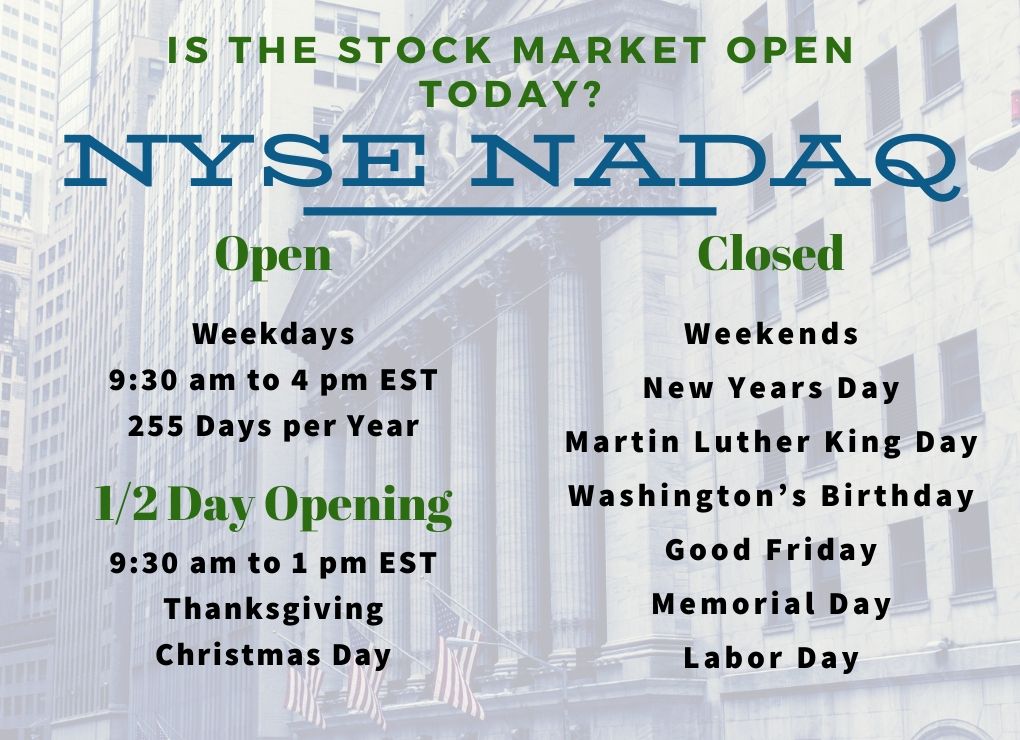
In the United States, the New York Stock Exchange (NYSE) and the NASDAQ, the two largest stock exchanges globally by market capitalization, adhere to a standard trading day. Both markets open at 9:30 AM Eastern Time (ET) and close at 4:00 PM ET on weekdays. This seven-and-a-half-hour window is the core trading session during which the vast majority of stock transactions occur. Canadian markets, such as the Toronto Stock Exchange (TSX), generally follow a similar schedule, opening at 9:30 AM ET and closing at 4:00 PM ET.
European Giants: London Stock Exchange and Euronext
Across the Atlantic, European markets operate on their respective local times. The London Stock Exchange (LSE), one of Europe’s oldest and most influential exchanges, opens at 8:00 AM Greenwich Mean Time (GMT) and closes at 4:30 PM GMT (or BST during daylight saving). This allows for some overlap with Asian markets in the morning and North American markets in the afternoon. Euronext, which operates exchanges in Paris, Amsterdam, Brussels, Lisbon, and Dublin, typically trades from 9:00 AM Central European Time (CET) to 5:30 PM CET. These hours cater to their local business environments while also strategically positioning them within the global trading day.
Asian Powerhouses: Tokyo, Shanghai, and Hong Kong
Asian markets often have split sessions, including a lunch break. The Tokyo Stock Exchange (TSE) in Japan, for instance, opens at 9:00 AM Japan Standard Time (JST), has a lunch break from 11:30 AM to 12:30 PM, and then resumes trading until its closing time of 3:00 PM JST. China’s Shanghai Stock Exchange (SSE) also follows a similar pattern, opening at 9:30 AM China Standard Time (CST), breaking from 11:30 AM to 1:00 PM, and closing at 3:00 PM CST. The Hong Kong Stock Exchange (HKEX) operates from 9:30 AM to 12:00 PM, then from 1:00 PM to 4:00 PM Hong Kong Time (HKT). These schedules reflect local customs and operational needs.
Understanding Time Zone Differences
The critical takeaway for global investors is the impact of time zones. While a market might close at 4:00 PM local time, that could translate to late evening or early morning in another part of the world. Utilizing universal time converters and having a clear understanding of the time difference between your location and the target exchange is crucial for timely execution of trades and monitoring positions. Financial news platforms and brokerage interfaces often provide market hours adjusted to the user’s local time, which can be immensely helpful.
Beyond Standard Hours: Pre-Market and After-Hours Trading
While the standard trading session defines the core market activity, the advent of electronic trading platforms has introduced “extended-hours trading,” encompassing pre-market and after-hours sessions. These periods allow for trading outside the conventional market open and close.
What is Extended-Hours Trading?
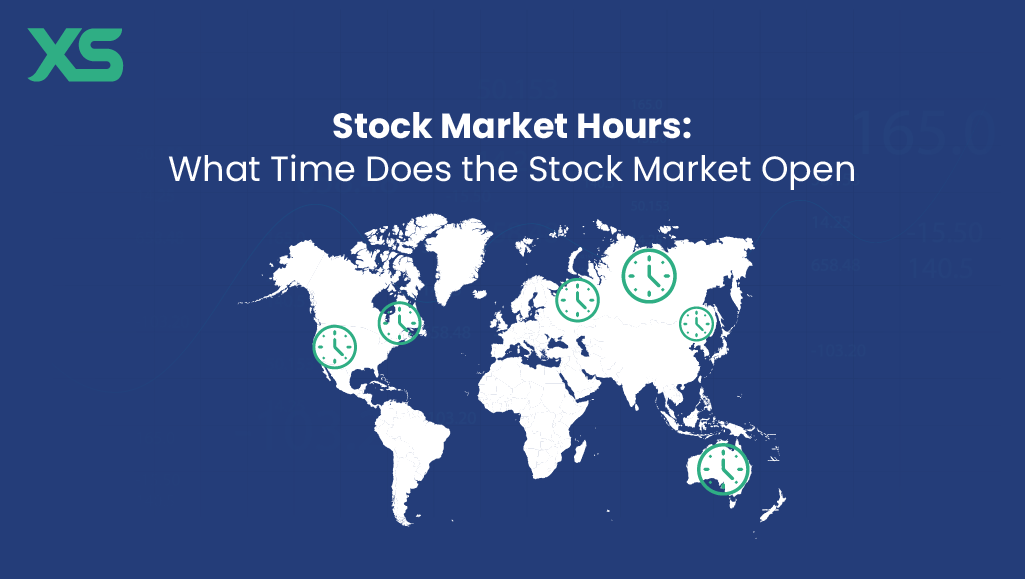
Pre-market trading typically occurs before the official market open, often starting as early as 4:00 AM ET for US exchanges and running until 9:30 AM ET. After-hours trading, conversely, takes place after the market closes, usually from 4:00 PM ET until 8:00 PM ET for US markets. During these extended sessions, investors can place buy and sell orders electronically, allowing them to react to news that breaks outside of regular hours, such as earnings reports, economic data releases, or geopolitical developments. These sessions are exclusively electronic and are handled by Electronic Communication Networks (ECNs), which match buy and sell orders.
Advantages and Disadvantages for Investors
Extended-hours trading offers several advantages. It provides flexibility, allowing investors to react quickly to significant news before or after the main session, potentially capitalizing on early price movements or mitigating losses. It’s particularly appealing for investors who cannot actively trade during standard market hours due to work or other commitments. However, these sessions come with significant disadvantages. The most prominent is reduced liquidity. Fewer participants mean wider bid-ask spreads, making it more challenging to execute trades at desired prices. This lower liquidity also leads to increased volatility, as smaller orders can have a disproportionate impact on stock prices. Furthermore, price discrepancies can occur between extended-hours trading and the subsequent regular session, meaning gains or losses made outside regular hours may not hold once the full market opens. Investors also face competition from institutional investors, who often have superior information access and faster execution capabilities during these less liquid periods.
Market Makers and Liquidity in Extended Sessions
Unlike the regular trading session where numerous market makers and specialists actively provide liquidity, extended-hours trading relies more heavily on direct order matching via ECNs. While some institutional players and high-frequency trading firms do participate, the overall depth of the order book is significantly shallower. This means that a large order could easily move the price of a stock by a substantial margin, presenting both opportunities for savvy traders and heightened risks for less experienced investors. Brokers typically warn clients about these risks, advising caution when engaging in pre-market and after-hours trading. Understanding these dynamics is crucial for anyone considering participation in extended-hours sessions.
The Impact of Holidays and Special Events
Beyond the daily rhythm of opens and closes, stock markets worldwide observe various holidays and, occasionally, special events that lead to full closures or shortened trading days. Being aware of these exceptions is vital for financial planning and avoiding missed opportunities or unexpected market unavailability.
National and Exchange-Specific Closures
Most stock exchanges close completely for a number of national holidays. In the U.S., for example, the NYSE and NASDAQ observe holidays such as New Year’s Day, Martin Luther King, Jr. Day, Presidents’ Day, Good Friday, Memorial Day, Juneteenth National Independence Day, Independence Day, Labor Day, Thanksgiving Day, and Christmas Day. Similar national holidays lead to closures in other countries. The London Stock Exchange typically closes for New Year’s Day, Good Friday, Easter Monday, May Bank Holiday, Spring Bank Holiday, Summer Bank Holiday, Christmas Day, and Boxing Day. It’s important to note that these holidays vary by country and even by exchange. For instance, some stock exchanges might close for a local holiday that others in the same country do not.
Shortened Trading Days and Early Closures
In addition to full closures, some holidays result in shortened trading days, where the market closes early. For example, in the U.S., the day before Independence Day, the day after Thanksgiving, and Christmas Eve (when it falls on a weekday) often see markets closing at 1:00 PM ET instead of the usual 4:00 PM ET. These shortened sessions allow market participants to observe holidays while still providing a trading window. While seemingly minor, these early closures can still impact trading strategies, especially for active traders who rely on the full day’s liquidity. News released late on a shortened trading day can have an amplified effect due to the compressed trading window.
How to Stay Informed About Market Calendars
For investors, staying abreast of these closures and shortened days is non-negotiable. Brokerage firms typically provide calendars of market holidays well in advance. Major financial news websites and the official websites of stock exchanges also publish comprehensive schedules. Subscribing to alerts from these sources or regularly checking their financial calendars can help investors plan their trades and manage their portfolios effectively. Ignoring these schedules can lead to frustration, missed trading opportunities, or an inability to react to critical market-moving news during periods of closure. For those involved in business finance or managing corporate treasury, awareness of these calendars is critical for cash flow management and transaction scheduling.
Strategic Implications for Investors
Understanding when stock markets close is not merely a logistical detail; it has profound strategic implications for various types of investors and their approach to wealth management and financial planning.
For Day Traders and Active Investors
For day traders, who thrive on intra-day price movements, market hours define their entire operational window. The closing bell signifies the end of their trading day, forcing them to liquidate positions or carry them overnight (which introduces significant risk). Understanding pre-market and after-hours liquidity and volatility is crucial, as these periods can set the tone for the regular session or offer opportunities for quick gains, albeit with higher risk. Active investors must constantly monitor market hours, especially when tracking international equities, to ensure they can execute trades when desired and react swiftly to news. The timing of news releases relative to market closures can significantly impact their strategies and profit potential.
For Long-Term and International Investors
Long-term investors, while less focused on minute-by-minute price fluctuations, still benefit from knowing market hours. It helps them understand when their portfolio valuations will update and when they can place orders that will be executed during the most liquid periods. For international investors, managing portfolios across multiple time zones is a daily challenge. They need to understand the overlap between different markets and how global events occurring during one market’s closure might impact another when it opens. For instance, a major economic announcement from Asia during North American market hours can influence how Asian stocks trade when they reopen the next day. This global interconnectedness means that even when a local market is closed, underlying factors influencing its performance are still at play elsewhere.

The Role of Technology in Bridging Time Gaps
While stock exchanges maintain fixed trading hours, modern financial technology and global interconnectedness have somewhat blurred the traditional boundaries. Futures and options markets, as well as foreign exchange (forex) markets, often operate closer to 24/5 or even 24/7, providing continuous price discovery for underlying assets. Financial news and data aggregators operate around the clock, ensuring investors are always informed, even when their specific market is closed. Advanced trading platforms and automated order systems allow investors to place orders (like limit orders) that will be queued for execution when the market reopens, effectively bridging the time gap. However, these technological aids do not eliminate the risks associated with market closures, particularly the risk of significant price changes due to overnight news.
Mastering the nuances of stock market closing times is more than just knowing when the bell rings; it’s about understanding the rhythm of global finance and making informed decisions. While technology continues to push the boundaries, the core structure of fixed trading hours remains a cornerstone of market integrity and investor protection. For anyone engaged in the financial world, from individual investors to business finance professionals, this understanding is fundamental to navigating the complex and ever-evolving landscape of capital markets.
aViewFromTheCave is a participant in the Amazon Services LLC Associates Program, an affiliate advertising program designed to provide a means for sites to earn advertising fees by advertising and linking to Amazon.com. Amazon, the Amazon logo, AmazonSupply, and the AmazonSupply logo are trademarks of Amazon.com, Inc. or its affiliates. As an Amazon Associate we earn affiliate commissions from qualifying purchases.