
Understanding the “00” size in jeans, or indeed any numerical sizing for apparel, is less about a fixed, universal measurement and more about navigating the complex, often strategic, landscape of brand sizing conventions. For brands, sizing is a critical component of product design, marketing, and consumer relationship management, heavily influencing perception, loyalty, and market positioning. Far from a simple metric, the “00” label encapsulates a multitude of branding decisions, from target demographic considerations to the psychological nuances of vanity sizing.
The Elusive “00”: A Brand Sizing Conundrum
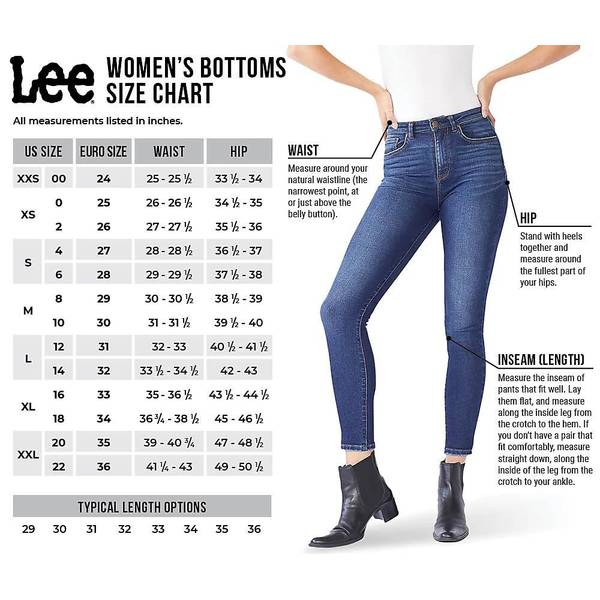
At its core, “size 00” typically signifies the smallest end of a brand’s traditional women’s denim offering, sometimes even smaller than size 0. Conventionally, it might correspond to a waist measurement in the range of 22 to 24 inches and hip measurements of approximately 32 to 34 inches, depending heavily on the brand’s specific fit block and target audience. However, the exact dimensions are anything but standard across the industry. This lack of standardization presents a significant challenge and opportunity for brands.

For consumers, the variability means a “00” from one premium denim brand might fit entirely differently than a “00” from a fast-fashion retailer or a heritage workwear brand. For brands, this inherent inconsistency is both a strategic lever and a potential pitfall. Brands must define their size “00” not in isolation, but in context with their entire size run, aiming to cater to their intended customer base. This involves extensive research into body anthropometrics, demographic trends, and competitive analysis to carve out a distinct fit identity.
The proliferation of “00” and even “000” sizes over the past few decades reflects a broader shift in fashion, partly driven by a demand for smaller sizes and partly by specific brand strategies. When a brand introduces a “00” size, it makes a statement about its target demographic, often appealing to younger consumers or those with smaller frames. This decision impacts everything from fabric procurement and pattern making to visual merchandising and advertising campaigns, shaping the brand’s overall image and market appeal. The very existence and interpretation of “00” are therefore deeply embedded in a brand’s corporate identity and its strategic positioning within the competitive apparel market.
The Absence of Universal Standards
Unlike some industries where precise measurements are governed by strict international standards, apparel sizing remains largely unregulated. This historical anomaly allows each brand the autonomy to develop its own sizing charts and fit models. While this freedom enables creativity and niche targeting, it also contributes to consumer frustration and the infamous “sizing lottery.” For brands, navigating this landscape means making conscious decisions about their sizing philosophy. Do they adhere to traditional sizing blocks, create their own unique fit, or follow trends like vanity sizing? Each choice has profound implications for their brand reputation, customer satisfaction, and ultimately, sales. A brand’s approach to “00” is a microcosm of its broader sizing strategy, reflecting its commitment to consistency, inclusivity, and customer understanding.
Vanity Sizing and Brand Perception: The Psychological Impact
Vanity sizing is a prevalent practice in the apparel industry where brands label garments with smaller sizes than their actual measurements might suggest, often deviating from historical sizing conventions. For instance, a pair of jeans labeled “size 00” today might have the same waist measurement as a “size 4” from 20 or 30 years ago. This strategic manipulation of sizing is a powerful, albeit sometimes controversial, marketing tool that significantly impacts brand perception and consumer psychology.
The primary aim of vanity sizing is to appeal to consumers’ desire to feel good about themselves. By allowing customers to fit into a “smaller” size, brands can foster a sense of satisfaction and confidence, potentially increasing purchase likelihood and cultivating brand loyalty. A customer who consistently finds they fit a size “00” in a particular brand, even if they wear a larger size elsewhere, may develop a strong affinity for that brand. This creates a psychological bond, where the brand is perceived as understanding and flattering to their body type.
However, the strategic deployment of vanity sizing carries risks. While it can boost immediate sales and self-esteem, it contributes to the overall confusion in the market. Consumers often struggle to find consistent sizing across different brands, leading to frustration, increased returns, and a perception of unpredictability. Brands that engage in extreme vanity sizing without clear communication risk alienating segments of their customer base who value transparency and consistent fit above all else. Furthermore, the practice can inadvertently exclude customers at the smallest end of the spectrum if the “00” becomes disproportionately large relative to body types that truly require minute measurements.
Communicating Fit: Bridging the Gap
To mitigate the negative aspects of vanity sizing and enhance brand perception, effective communication is paramount. Brands that clearly articulate their sizing philosophy, provide detailed size charts with actual garment measurements, and offer robust customer service for fit guidance tend to build stronger trust. Visual aids, such as models of diverse body types showcasing different sizes, and advanced online tools like virtual try-on or AI-powered fit predictors, can significantly bridge the gap between abstract size labels and real-world fit. For a “00” wearer, this means understanding not just the nominal size, but the specific garment dimensions and how they are intended to fit their body, whether it’s a slim, relaxed, or skinny cut. A brand’s ability to transparently communicate its fit strategy becomes a distinct competitive advantage, fostering a more engaged and loyal customer base.
Designing for Fit: The Product Development and Communication Challenge
The journey from a designer’s sketch to a pair of “00” jeans on a retail rack involves intricate product development and a sophisticated understanding of human anatomy and garment engineering. For a brand, the design process for sizing, particularly at the extreme ends like “00,” is a critical factor in defining its product quality and market appeal. It’s not merely about scaling down larger patterns; it’s about meticulously crafting a silhouette that flatters and performs for the intended wearer.
This process begins with defining the brand’s “fit block” – the foundational pattern that dictates the basic shape and proportions of all garments. For “00,” designers and technical developers must consider the unique characteristics of smaller body frames, ensuring that elements like rise, inseam, hip curve, and thigh circumference are proportionally balanced. This often involves working with specialized “fit models” who embody the target dimensions of a “00” wearer, providing real-time feedback on comfort, drape, and aesthetic appeal.
Beyond the initial design, the material selection plays a crucial role. The stretch, recovery, and hand-feel of denim fabric significantly impact how a “00” jean will fit and feel. A brand’s choice of fabric weight, composition (e.g., cotton-elastane blends), and weave directly influences the garment’s ability to conform to the body while maintaining its shape throughout wear.

The communication of fit extends beyond the physical product to branding assets like size charts, product descriptions, and marketing visuals. A brand’s responsibility is to provide accurate, easy-to-understand information that empowers consumers to make informed purchasing decisions. This might include:
- Detailed Size Charts: Offering exact garment measurements (waist, hip, inseam, rise) rather than just body measurements.
- Fit Descriptions: Clearly defining whether the “00” jean is a skinny fit, straight leg, boyfriend cut, etc., and how it’s intended to sit on the body (e.g., “sits high on the natural waist”).
- Customer Reviews & Q&A: Leveraging user-generated content to provide peer insights on fit accuracy.
A brand’s commitment to precision in its “00” sizing, from design to communication, reinforces its credibility and dedication to customer satisfaction. It transforms a numerical label into a promise of quality and a superior wearing experience, directly influencing repeat purchases and brand advocacy.
Beyond the Label: Strategic Implications for Brand Loyalty
The consistency and accuracy of a brand’s sizing, particularly for niche sizes like “00,” are foundational pillars for building and maintaining customer loyalty. In an era where online shopping dominates, the inability to physically try on garments makes reliable sizing a non-negotiable expectation for consumers. For brands, getting this right for their “00” demographic is not just about avoiding returns; it’s about fostering a deep, enduring relationship with their customers.
When a brand consistently delivers a “00” that fits well and meets expectations, it earns trust. This trust translates into repeat purchases, higher customer lifetime value, and positive word-of-mouth marketing. Conversely, inconsistent or misleading sizing can erode trust quickly, leading to customer churn and negative reviews that can significantly damage a brand’s reputation. The experience of receiving a “00” jean that is either too large or too small, despite following the size chart, is a pain point that directly impacts brand perception and willingness to purchase again.
Furthermore, a brand’s approach to sizing reflects its broader values and commitment to its customer base. Brands that invest in inclusive sizing, providing accurate and thoughtful options for a wide range of body types—including detailed attention to “00” as well as larger sizes—are increasingly seen as progressive and customer-centric. This resonates with modern consumers who prioritize authenticity and ethical considerations when making purchasing decisions.
For “00” wearers, finding a brand that consistently fits well can be a significant relief, turning them into highly loyal advocates. They will often return to brands that understand their specific fit needs, becoming less price-sensitive and more invested in the brand’s overall identity. This loyalty is invaluable, as these customers often become the most vocal champions, influencing their social circles and contributing to a brand’s organic growth.
Leveraging Data for Fit Optimization
In the digital age, brands have unprecedented access to data that can optimize their sizing strategies. Analyzing return rates linked to sizing issues, customer feedback on fit, and online sizing tool usage provides actionable insights. Brands can use this data to refine their “00” patterns, adjust their size charts, and improve product descriptions. Proactive data analysis allows brands to preemptively address fit concerns, ensuring that their “00” offering remains perfectly aligned with the evolving needs and preferences of their target customers. This continuous feedback loop is crucial for any brand aiming to build a resilient and loyal customer base.
Navigating a Diverse Market: Opportunities for Inclusive Brands
The global apparel market is characterized by an immense diversity of body types, cultural preferences, and sizing expectations. For brands, navigating this complex landscape presents both significant challenges and unparalleled opportunities, particularly concerning how they define and market “size 00.” As consumer awareness around inclusivity and body positivity grows, brands are increasingly under pressure to adopt more thoughtful and transparent sizing strategies.
For brands targeting a global audience, a “00” in North America might not correspond to the smallest size in Asian markets, where body frames can typically be smaller, or in European markets, which often follow different sizing standards (e.g., EU sizes 32, 34). This necessitates a nuanced approach to product development and regional marketing. Brands must either adapt their size blocks for different geographical regions or provide exceptionally clear conversion charts and fit guides to prevent confusion and ensure customer satisfaction.
Moreover, the conversation around “size 00” is evolving within the broader context of body inclusivity. While “00” caters to a specific demographic, brands are increasingly being challenged to ensure that their entire size range is inclusive and representative. This means not just offering a wide array of sizes, but also designing each size to flatter and fit various body shapes, moving beyond a single fit model approach. For “00,” this might involve ensuring that proportions are scaled thoughtfully, rather than simply shrinking a larger pattern, to accommodate genuine differences in smaller body types.
Brands that strategically embrace inclusive sizing, from “00” to plus sizes, position themselves as progressive, empathetic, and responsive to the modern consumer’s values. This commitment can significantly enhance brand equity, attracting a broader customer base and fostering a powerful sense of community around the brand.
The Future of Sizing: Personalization and Technology
The future of sizing for brands, including the interpretation of “00,” lies in greater personalization driven by technology. Advancements in 3D body scanning, AI-powered fit prediction algorithms, and virtual try-on experiences are revolutionizing how consumers find their perfect fit. Brands that integrate these technologies can offer highly precise recommendations, reducing sizing guesswork and enhancing the online shopping experience.
For the “00” wearer, this means an end to the “sizing lottery.” Instead of relying on a generic size chart, they can receive personalized recommendations based on their unique body measurements, ensuring a perfect fit every time. Brands that invest in these innovations will not only streamline their operations by reducing returns but also build an unparalleled level of customer confidence and loyalty, solidifying their position as leaders in a highly competitive market. The strategic evolution of “00” will therefore be less about a fixed numerical label and more about a hyper-personalized fit experience, delivered through smart design and cutting-edge technology.
aViewFromTheCave is a participant in the Amazon Services LLC Associates Program, an affiliate advertising program designed to provide a means for sites to earn advertising fees by advertising and linking to Amazon.com. Amazon, the Amazon logo, AmazonSupply, and the AmazonSupply logo are trademarks of Amazon.com, Inc. or its affiliates. As an Amazon Associate we earn affiliate commissions from qualifying purchases.