
The world of finance never truly sleeps, yet its individual components, the bustling markets where assets are bought and sold, operate on distinct schedules. For investors, traders, and anyone engaged with capital markets, understanding when these venues open and close is not merely a matter of trivia; it’s a critical piece of operational knowledge that influences strategy, risk management, and the very execution of trades. The global financial landscape is a complex tapestry of time zones, national holidays, and market-specific protocols, each dictating the ebb and flow of liquidity and opportunity. This comprehensive guide delves into the intricate schedules of various financial markets, exploring standard operating hours, the nuances of extended trading, and the profound implications these timings have for participants worldwide.
Understanding Standard Market Hours
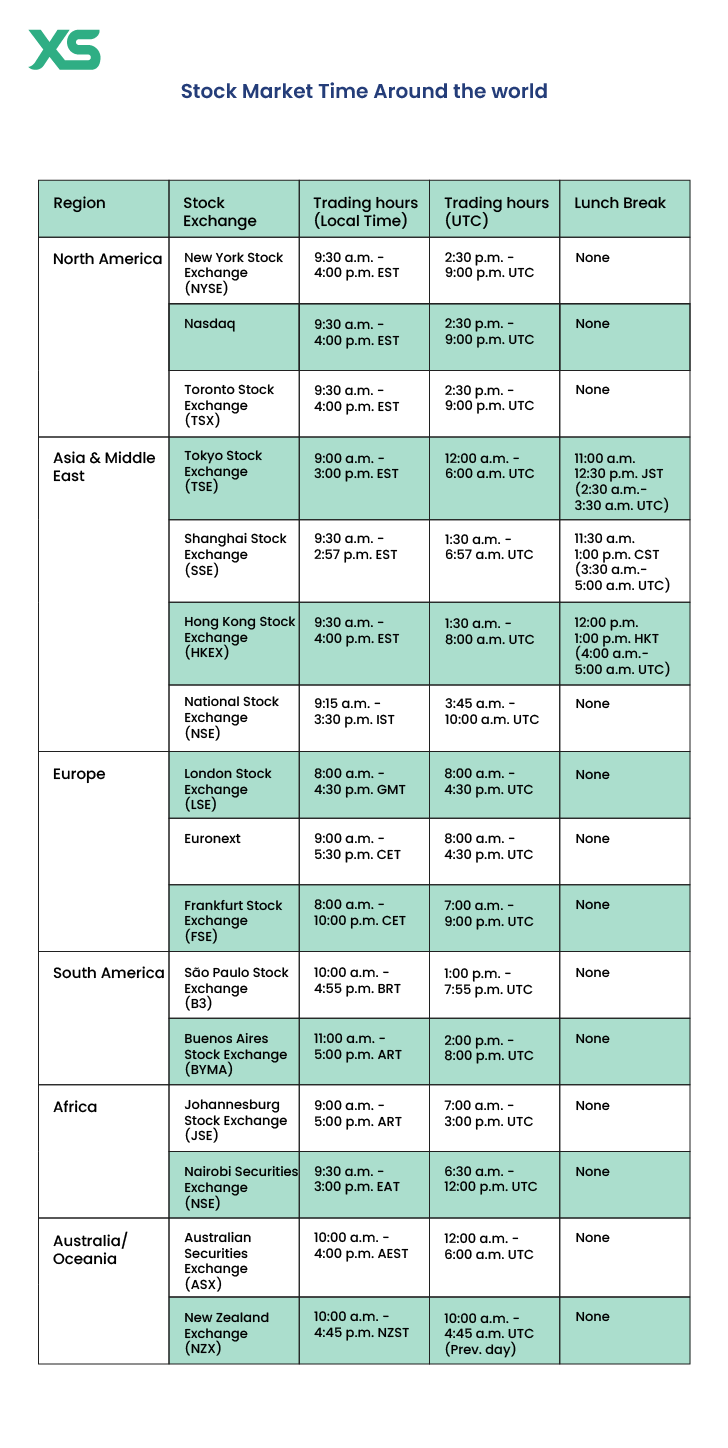
The core of market activity revolves around its standard trading hours, the period when the vast majority of transactions occur and where liquidity is typically at its highest. These hours are typically set by the exchange and regulatory bodies within each jurisdiction, reflecting local business practices and time zones.
The Core Trading Session
For most major stock exchanges, the standard trading session is a clearly defined period during the local workday. In the United States, for instance, the New York Stock Exchange (NYSE) and NASDAQ typically operate from 9:30 AM to 4:00 PM Eastern Time, Monday through Friday. This seven-and-a-half-hour window is often characterized by high trading volumes and significant price discovery. Similarly, European exchanges like the London Stock Exchange (LSE) run from 8:00 AM to 4:30 PM GMT, and the Euronext Paris from 9:00 AM to 5:30 PM CET. In Asia, the Tokyo Stock Exchange (TSE) has a morning session (9:00 AM to 11:30 AM JST) and an afternoon session (12:30 PM to 3:00 PM JST), with an hour lunch break in between. These core hours are designed to allow for efficient trading while accommodating the local business day.
Global Variations: A Tangle of Time Zones
The global nature of finance means that as one market closes, another is often just beginning to hum with activity. This sequential opening and closing across different time zones creates a continuous cycle of trading around the clock. When London closes, New York is still in full swing. When New York winds down, markets in Asia – Tokyo, Hong Kong, Sydney – are already preparing for their opening bell, or have already begun trading. This geographical spread ensures that global events can be reacted to in real-time by different regional markets, albeit with varying degrees of delay depending on the asset class. Understanding these overlaps is crucial for international investors, allowing them to monitor portfolios and execute trades across different time zones, reacting to news as it breaks in various parts of the world.
Weekends and Holidays: When Markets Rest
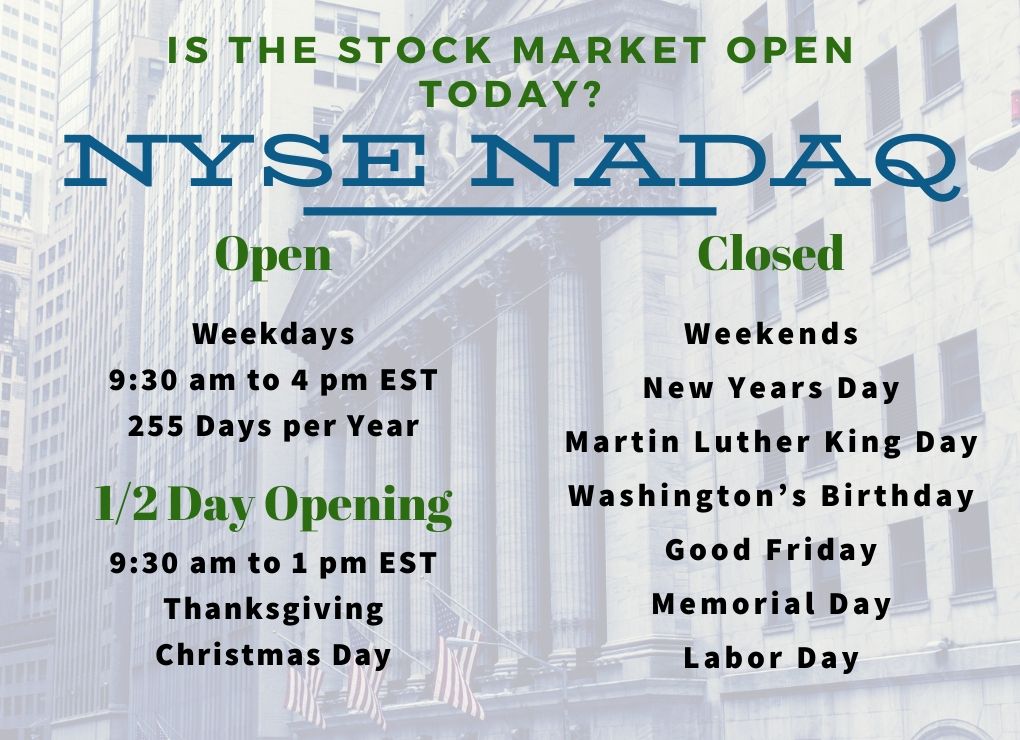
While the internet and digital trading platforms provide 24/7 access to information, traditional financial markets observe weekends and national holidays. Saturday and Sunday are universally recognized as non-trading days for most major stock, bond, and commodity exchanges. Additionally, each country observes its own set of public holidays, during which their respective markets remain closed. In the U.S., these include holidays like New Year’s Day, Martin Luther King Jr. Day, Presidents’ Day, Good Friday, Memorial Day, Juneteenth, Independence Day, Labor Day, Thanksgiving Day, and Christmas Day. European and Asian markets have their own calendars, which may include religious festivals or national celebrations. Savvy investors must stay abreast of these holiday schedules, as they can impact trading strategies, settlement periods, and liquidity, often leading to reduced trading volumes or unexpected volatility around these times.
Beyond Standard Hours: Extended Trading
The idea of trading strictly within conventional daytime hours has become increasingly antiquated with the advent of electronic trading. Extended trading hours, encompassing pre-market and after-hours sessions, now offer investors additional windows to react to news and adjust their positions.
Pre-Market Trading: Getting a Head Start
Pre-market trading refers to the period before the official opening bell of an exchange. For instance, in the U.S., pre-market trading can begin as early as 4:00 AM ET, extending until 9:30 AM ET. This session allows institutional investors, hedge funds, and sophisticated retail traders to react to overnight news, earnings reports released before market open, or global market movements that occurred while the local market was closed. It’s an opportunity to gain an early advantage or mitigate potential losses based on fresh information.
After-Hours Trading: Reacting to Late News
Conversely, after-hours trading takes place once the regular trading session has concluded. In the U.S., this typically runs from 4:00 PM ET to 8:00 PM ET, though some platforms may offer even longer periods. This session is critical for reacting to news that breaks after the market closes, such as quarterly earnings announcements, merger and acquisition news, or major economic data releases. Both pre-market and after-hours trading are executed electronically through Electronic Communication Networks (ECNs), which match buy and sell orders directly.
Implications and Risks of Extended Trading
While extended trading offers flexibility and an immediate response mechanism, it comes with significant risks. The primary concern is often lower liquidity. With fewer participants, spreads (the difference between the buy and sell price) can widen considerably, making it more expensive to execute trades. This lower liquidity can also lead to increased volatility, as even small orders can have a disproportionate impact on stock prices. Furthermore, price discovery can be less efficient, meaning prices might not accurately reflect the true consensus value of a security until the regular session resumes. For retail investors, access to these sessions may depend on their brokerage platform, and the lack of a full trading desk or analyst support further emphasizes the need for caution and thorough research during these periods.
Specific Market Types and Their Schedules
While “markets” often conjure images of stock exchanges, the financial world encompasses a diverse array of asset classes, each with its unique operational rhythm.
Stock Exchanges: The Beating Heart
As discussed, stock exchanges like the NYSE, NASDAQ, LSE, and TSE operate on defined daytime schedules, typically Monday to Friday, with breaks for weekends and holidays. These hours are designed to concentrate trading activity, ensuring sufficient liquidity and orderly markets. The concentration of trading within these hours helps in price discovery and reduces fragmentation, making it easier for investors to buy and sell shares efficiently.
Bond Markets: Fixed Income, Flexible Hours
Bond markets, particularly the over-the-counter (OTC) corporate and municipal bond markets, often have slightly different schedules than their equity counterparts. In the U.S., the Securities Industry and Financial Markets Association (SIFMA) recommends a 8:00 AM to 5:00 PM ET trading window for most fixed-income products. However, government bonds (Treasuries) can trade almost 24 hours a day globally through various platforms. On early close days, often preceding holidays, bond markets might close significantly earlier (e.g., 2:00 PM ET). The nature of bond trading, often institutional and less geared towards rapid retail speculation, allows for these slightly different structures.
Commodity Markets: Raw Materials, Global Reach
Commodity markets, which trade everything from crude oil and natural gas to gold, silver, wheat, and coffee, typically operate on futures exchanges. Major commodity exchanges like the CME Group (Chicago Mercantile Exchange) and ICE (Intercontinental Exchange) offer extended trading hours, often bordering on 24 hours a day for certain contracts, from Sunday evening through Friday afternoon, with short daily breaks for maintenance. For example, crude oil futures (WTI) on NYMEX (part of CME) trade for nearly 23 hours a day. This extensive trading window is crucial given the global nature of supply and demand for these raw materials, allowing participants to react to geopolitical events or weather patterns around the clock.
Forex (FX) Market: The 24/5 Giant
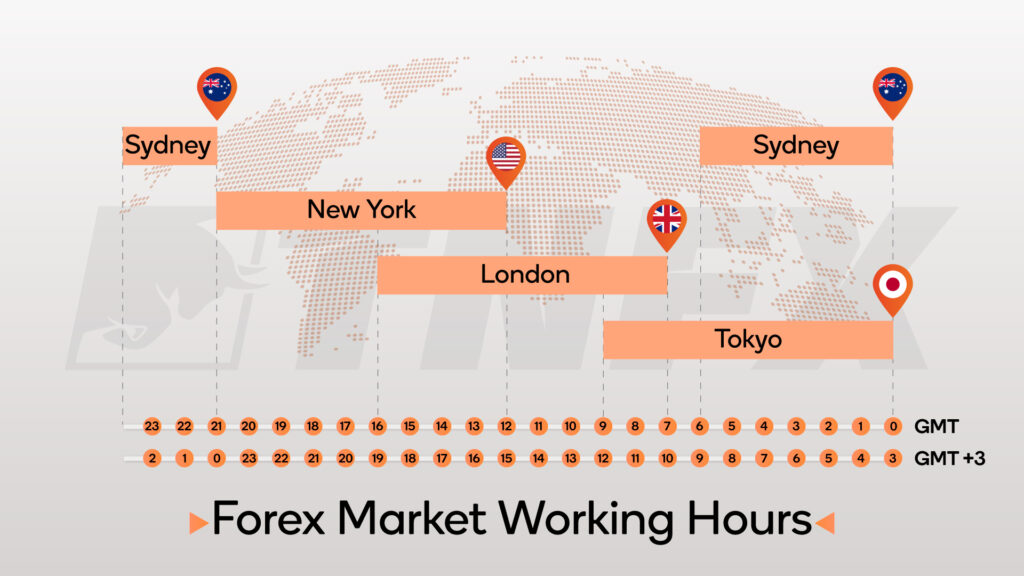
The foreign exchange market, or Forex, stands out as the most liquid and geographically dispersed market, operating 24 hours a day, five days a week. It opens on Sunday evening (typically 5:00 PM ET with the Sydney market) and closes on Friday afternoon (5:00 PM ET when New York closes). This continuous operation is due to the sequential opening and closing of major financial centers worldwide: Sydney, Tokyo, London, and New York. This unbroken chain ensures constant liquidity for currency pairs, allowing participants to trade at any time during the weekday, making it highly responsive to global economic and political news.
Cryptocurrency Markets: Always On
In stark contrast to traditional markets, cryptocurrency markets operate 24 hours a day, seven days a week, 365 days a year. There are no official closing times, holidays, or weekends. This continuous operation reflects the decentralized, global nature of cryptocurrencies like Bitcoin and Ethereum. Trading occurs on various exchanges worldwide, and transactions are processed continuously. This “always on” characteristic presents unique opportunities and challenges, including the potential for rapid price movements at any time and the need for constant vigilance for active traders.
Why Market Hours Matter to Investors
Beyond simply knowing when to place an order, understanding market hours is fundamental to developing effective investment strategies and managing risk.
Liquidity and Volatility Considerations
Market hours directly correlate with liquidity and volatility. During core trading hours, high liquidity ensures that investors can buy and sell assets quickly at fair prices, with minimal impact on the market. Extended hours, conversely, often suffer from lower liquidity, leading to wider bid-ask spreads and potentially more significant price swings from smaller trades. Similarly, during holiday periods or before market opens, reduced liquidity can exacerbate volatility. Investors must adjust their strategies to account for these dynamics, potentially avoiding large trades during illiquid periods or using limit orders to manage price risk.
Executing Trades Strategically
The timing of a trade can significantly impact its outcome. Many traders prefer to execute trades during periods of high liquidity to ensure efficient execution. For day traders, understanding the market’s opening and closing hours, and even the “power hour” (the last hour of trading), is crucial for capitalizing on specific intraday trends. Long-term investors, while less concerned with minute-to-minute price fluctuations, still need to be aware of how market hours affect the processing and settlement of their transactions, particularly when dealing with international assets or managing cash flow.
Risk Management and Information Flow
Market hours dictate when information can most effectively be incorporated into asset prices. Major news events, earnings reports, or economic data releases outside of standard trading hours can create significant gaps when the market reopens, leading to considerable gains or losses for those holding positions. Active investors use pre-market and after-hours sessions to manage these event-driven risks, while passive investors might use stop-loss orders or simply accept the overnight risk. Being informed about global market hours also helps in understanding the context of price movements—a drop in a European stock might be a reaction to Asian market closures or news, providing clues for the upcoming local market open.
Navigating Different Time Zones and Platforms
For the modern investor, geographical boundaries are increasingly blurred, but time zones remain a tangible consideration.
Brokerage Platforms and Their Clocks
Most online brokerage platforms will display market hours relevant to the investor’s local time zone or provide options to view times in various zones. However, it’s essential to confirm the specific time zone being displayed when reviewing market open/close times, especially for international exchanges. Some platforms might automatically adjust for daylight saving time, while others require manual adjustment. Double-checking these settings can prevent costly misunderstandings regarding trade execution windows.
Staying Informed Across Continents
For investors with diversified international portfolios or those trading in multiple global markets, staying informed about market hours and holidays across different continents is paramount. Many financial news outlets and dedicated market data providers offer comprehensive calendars of global market holidays and operating hours. Setting up alerts or using specialized financial software can help track these schedules, ensuring that one is always aware of when and where the next trading opportunity—or risk—might emerge. In an interconnected global economy, the prudent investor recognizes that the market is always open somewhere, and understanding these shifting schedules is key to sustained financial success.
aViewFromTheCave is a participant in the Amazon Services LLC Associates Program, an affiliate advertising program designed to provide a means for sites to earn advertising fees by advertising and linking to Amazon.com. Amazon, the Amazon logo, AmazonSupply, and the AmazonSupply logo are trademarks of Amazon.com, Inc. or its affiliates. As an Amazon Associate we earn affiliate commissions from qualifying purchases.