
Navigating the landscape of tax deadlines can often feel like deciphering a complex calendar, laden with critical dates that carry significant financial implications. For individuals, self-employed professionals, and businesses alike, understanding “when do I need to file my taxes by” is not merely a matter of compliance but a fundamental aspect of sound financial management. Missing these deadlines can lead to a cascade of penalties, interest charges, and unnecessary stress. This article aims to demystify these crucial dates, providing a comprehensive guide to the standard tax filing calendar, exploring available extensions, outlining the consequences of non-compliance, and offering proactive strategies to ensure you remain on track. In the realm of personal and business finance, timeliness is not just a virtue—it’s a necessity.
The Standard Tax Filing Deadline: Understanding the Annual Calendar
While “April 15th” is almost synonymous with tax day in the minds of many, the reality is that tax filing deadlines are multifaceted, varying based on the type of taxpayer and the nature of the income. A clear understanding of these primary deadlines is the first step towards a stress-free tax season.
Individual Income Tax Returns (Form 1040)
For the vast majority of American taxpayers, the annual deadline for filing individual federal income tax returns (Form 1040) is April 15th. This date applies to income earned in the preceding calendar year. For example, income earned between January 1st and December 31st of 2023 would typically be due by April 15th, 2024. This deadline requires not only the submission of all necessary forms and schedules but also the payment of any taxes owed.
It’s crucial to note that if April 15th falls on a weekend or a holiday, the deadline is automatically shifted to the next business day. For instance, in years where April 15th falls on a Saturday or Sunday, the deadline moves to the following Monday. Furthermore, specific holidays, such as Emancipation Day in Washington, D.C., and Patriots’ Day in Massachusetts and Maine, can further push the deadline back for all taxpayers, not just those in those specific areas. The IRS typically announces these adjustments well in advance, so it’s always wise to confirm the exact date for any given tax year. Paying attention to these nuances is vital for accurate and timely filing.
Estimated Taxes for Self-Employed Individuals and Gig Workers
For those who are self-employed, independent contractors, freelancers, or who earn income that isn’t subject to withholding (like income from investments, rents, or certain side hustles), the tax payment schedule is different. These individuals are generally required to pay estimated taxes quarterly throughout the year, rather than a lump sum on April 15th. This system ensures that taxpayers pay income tax and self-employment tax (Social Security and Medicare taxes) as they earn or receive income during the year.
The four quarterly deadlines for estimated tax payments are:
- April 15th: For income earned from January 1st to March 31st.
- June 15th: For income earned from April 1st to May 31st.
- September 15th: For income earned from June 1st to August 31st.
- January 15th of the following year: For income earned from September 1st to December 31st.
Again, if any of these dates fall on a weekend or holiday, the deadline shifts to the next business day. Failing to pay estimated taxes, or paying insufficient amounts, can result in underpayment penalties, even if you ultimately file your annual return on time and pay any remaining balance. It is imperative for individuals with non-wage income to accurately estimate their earnings and liabilities to avoid these penalties.
Corporate Tax Filing Deadlines
Businesses also operate under specific tax deadlines, which vary based on their structure. For calendar year corporations (C-corporations), the deadline for filing their income tax returns (Form 1120) is generally April 15th, aligning with the individual deadline. However, S-corporations and partnerships, which are pass-through entities, have an earlier deadline. For calendar year S-corps (Form 1120-S) and partnerships (Form 1065), the deadline is typically March 15th. This earlier deadline is because these entities file information returns that flow through to the owners’ individual tax returns, which are then due by April 15th. Understanding these distinctions is crucial for business owners to maintain compliance and facilitate timely reporting for their stakeholders.
Navigating Extensions and Special Circumstances
While the standard deadlines are rigid, the IRS does provide mechanisms for taxpayers who need more time. However, it’s vital to understand the difference between an extension to file and an extension to pay, as well as special circumstances that may automatically grant additional time.
Requesting a Tax Extension (Form 4868)
If you find yourself unable to complete your federal income tax return by the April 15th deadline, you can request an extension using Form 4868, Application for Automatic Extension of Time to File U.S. Individual Income Tax Return. This grants you an automatic six-month extension, typically pushing your filing deadline to October 15th.
It is paramount to understand that an extension of time to file is not an extension of time to pay. If you anticipate owing taxes, you must still estimate your tax liability and pay any taxes due by the original April 15th deadline. Failure to do so will result in failure-to-pay penalties and interest charges, even if your return is filed by the extended October 15th date. The purpose of the extension is to give you more time to gather documents and prepare an accurate return, not to delay your payment obligations. Many taxpayers mistakenly believe an extension buys them more time to pay, which is a costly misunderstanding.
Military Personnel and Those Residing Abroad
The IRS acknowledges the unique challenges faced by U.S. citizens and residents living and working outside the country, as well as military personnel serving in combat zones.
- U.S. Citizens and Residents Abroad: If you live and work outside the U.S. and Puerto Rico, you automatically receive a two-month extension to file your federal income tax return and pay any taxes due, pushing the deadline to June 15th. If you need more time beyond June 15th, you can file Form 4868 to request an additional four-month extension, bringing your filing deadline to October 15th. However, interest still accrues on any unpaid taxes from the original April 15th due date.
- Military Personnel in Combat Zones: Members of the U.S. Armed Forces serving in combat zones or designated hazardous duty areas are granted an automatic extension to file and pay taxes. This extension is typically 180 days after they leave the combat zone, plus the period of time they were in the combat zone and any continuous hospitalization outside the U.S. resulting from injuries sustained in a combat zone. This provision offers crucial relief to service members dedicating themselves to national defense.
Disaster Relief and Other Unique Situations
The IRS is often responsive to victims of natural disasters and other unforeseen circumstances. In the wake of major natural disasters (e.g., hurricanes, floods, wildfires), the IRS frequently grants affected taxpayers automatic extensions to file and pay taxes. These extensions are typically announced through official IRS news releases, specifying the affected areas and the new deadlines. It’s essential for individuals and businesses in federally declared disaster areas to check the IRS website or official announcements for up-to-date information, as these extensions can provide significant relief during challenging times. Other rare circumstances, such as a severe illness preventing you from filing, might also be grounds for penalty relief, though the original payment deadline typically remains.
Consequences of Missing the Deadline
Missing tax deadlines can lead to significant financial repercussions, diminishing your financial health through avoidable penalties and interest. Understanding these consequences is a powerful motivator for timely compliance.
Failure-to-File Penalty
The penalty for failing to file your tax return by the due date (including extensions) is generally 5% of the unpaid taxes for each month or part of a month that a tax return is late. This penalty is capped at 25% of your unpaid taxes. If your return is filed more than 60 days late, the minimum penalty is the smaller of $485 (for returns required to be filed in 2023) or 100% of the tax due. This is a severe penalty designed to strongly encourage taxpayers to submit their returns. It’s crucial to remember that the failure-to-file penalty is substantially higher than the failure-to-pay penalty, emphasizing that filing, even without full payment, is always the better option.
Failure-to-Pay Penalty

Separate from the failure-to-file penalty is the failure-to-pay penalty. This penalty is 0.5% of the unpaid taxes for each month or part of a month that taxes remain unpaid. Like the failure-to-file penalty, it’s capped at 25% of your unpaid taxes. The failure-to-pay penalty applies even if you file an extension, as the tax payment itself is still due by the original deadline. If both penalties apply in the same month, the failure-to-file penalty is reduced by the failure-to-pay penalty, so the maximum combined penalty is 5% per month. However, the combined impact can still be substantial.
Interest on Underpayments
Beyond penalties, the IRS charges interest on underpayments and any unpaid taxes. This interest compounds daily, meaning the amount owed can grow quickly. The interest rate is determined quarterly and is typically the federal short-term rate plus 3 percentage points. This means that delaying payment not only incurs a penalty but also results in additional interest charges, further increasing your total tax liability. This financial burden underscores the importance of paying estimated taxes throughout the year or settling any balance owed by the original deadline.
Avoiding Penalties: Reasonable Cause and Payment Plans
While the IRS imposes penalties strictly, there are avenues for relief in certain situations. If you have a “reasonable cause” for not filing or paying on time—such as a serious illness, natural disaster, death in the immediate family, or unavoidable absence—you might be able to request penalty abatement. It’s essential to provide clear documentation supporting your claim.
If you owe taxes but cannot pay in full by the deadline, you can explore payment options with the IRS. These include:
- Short-Term Payment Plan: Up to 180 additional days to pay your tax liability in full, though interest and penalties still apply.
- Offer in Compromise (OIC): Allows certain taxpayers to resolve their tax liability with the IRS for a lower amount than what they originally owe. This is typically an option for those facing significant financial hardship.
- Installment Agreement: Allows you to make monthly payments for up to 72 months. This option reduces the failure-to-pay penalty rate while the agreement is in effect.
Engaging with the IRS proactively, rather than ignoring the problem, is crucial for mitigating financial damage.
Proactive Steps for Timely Filing
Ensuring you meet all tax deadlines doesn’t have to be a scramble. With a few proactive strategies, you can streamline your tax preparation process and minimize stress.
Gather Documents Early
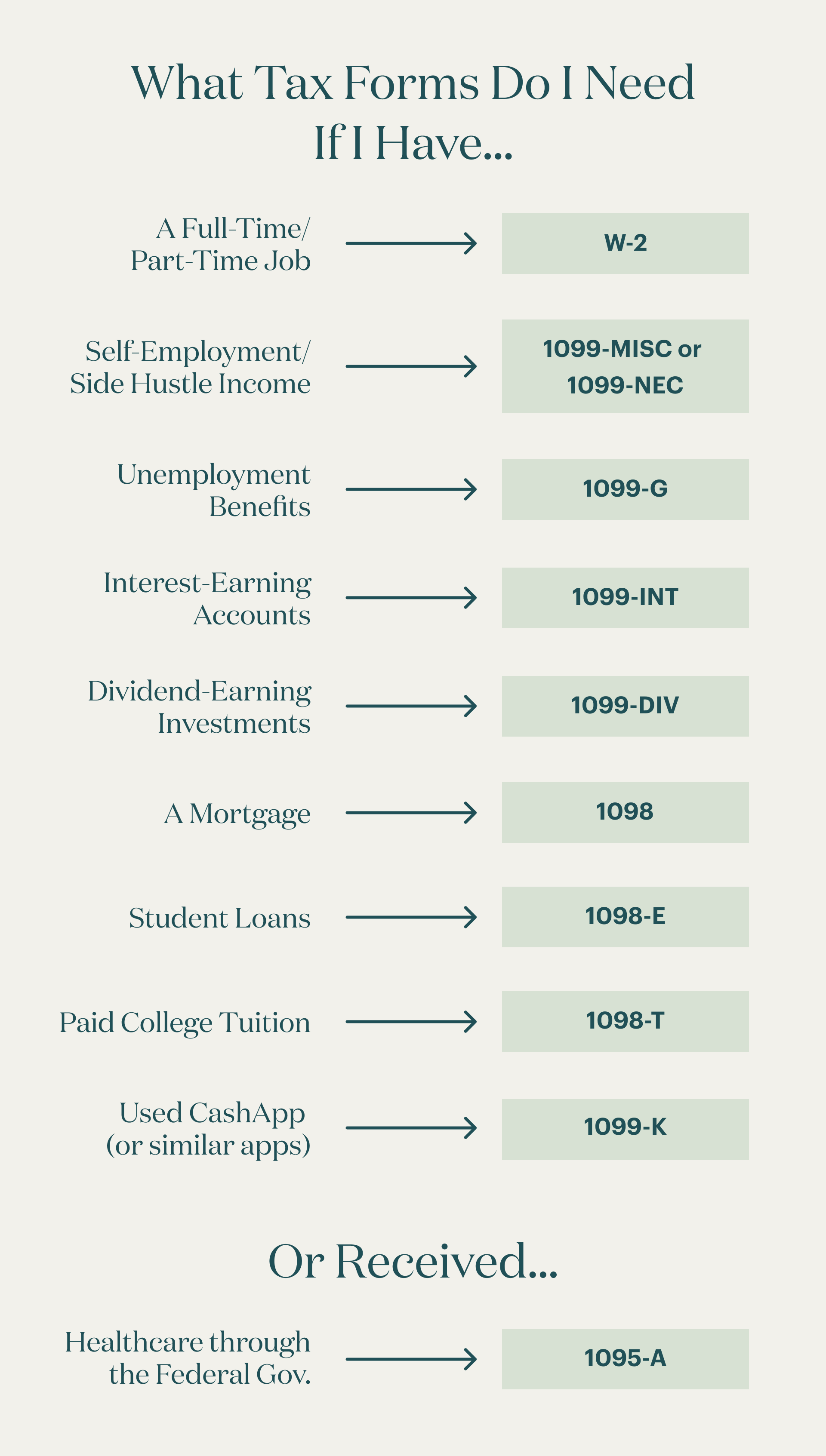
The foundation of a timely and accurate tax filing is organized documentation. As soon as you begin receiving tax-related documents (W-2s, 1099s, 1098s, K-1s, etc.) in January, start a dedicated tax folder. Throughout the year, consistently add relevant records, such as receipts for deductible expenses, donation records, medical expense statements, and property tax bills. Having all your information consolidated makes the preparation process much smoother and reduces the likelihood of overlooking important deductions or credits. Consider digital folders for electronic documents to enhance accessibility and backup.
Leverage Technology and Professional Help
Modern technology offers a plethora of tools to simplify tax preparation.
- Tax Software: Programs like TurboTax, H&R Block, and FreeTaxUSA guide you step-by-step, helping you organize information, identify deductions, and accurately calculate your tax liability. Many offer e-filing directly to the IRS, confirming receipt.
- Financial Tracking Apps: Use budgeting and expense tracking apps to categorize transactions throughout the year, making it easier to pull financial data at tax time.
- Professional Assistance: For individuals with complex financial situations (e.g., multiple businesses, significant investments, international income), or those who simply prefer peace of mind, engaging a qualified tax professional (a CPA, Enrolled Agent, or tax attorney) can be invaluable. They can ensure compliance, optimize deductions, and provide strategic financial advice.
Plan Your Payments
For employees, reviewing and adjusting your payroll withholding (Form W-4) is a critical step. If you frequently owe a significant amount at tax time, you might consider increasing your withholding to spread your tax burden throughout the year. Conversely, if you consistently receive a large refund, you might be over-withholding and could adjust to have more take-home pay during the year. For self-employed individuals, establishing a disciplined habit of setting aside a portion of every payment received for estimated taxes is essential. Many open a separate savings account solely for tax payments to avoid dipping into those funds. Regular review of your income and expenses throughout the year can help you refine your estimated tax payments and avoid underpayment penalties.
Regular Check-ins with IRS Resources
The IRS website (IRS.gov) is the authoritative source for all tax-related information. It provides the most current deadlines, forms, publications, and guidance. Regularly checking their “Newsroom” section or subscribing to their email updates can keep you informed about any changes to tax laws, special provisions, or extended deadlines due to unforeseen events. Relying on official IRS communications ensures you receive accurate and timely information, safeguarding you from misinformation.
Beyond the Deadline: What if You Missed It?
Even with the best intentions, sometimes life happens, and a tax deadline slips by. While it’s certainly not ideal, it’s crucial to understand what steps to take if you find yourself in this situation. Panic is unproductive; action is key.
File as Soon as Possible
The most important step if you miss a deadline is to file your tax return as quickly as possible. As highlighted earlier, the failure-to-file penalty (5% per month) is significantly steeper than the failure-to-pay penalty (0.5% per month). The longer you delay filing, the more these penalties accumulate. Even if you cannot pay the full amount you owe, filing the return itself stops the accrual of the failure-to-file penalty. If you owe money, make an effort to pay as much as you can along with your late return to reduce the failure-to-pay penalty and interest.
What if You Are Owed a Refund?
If you are due a refund from the IRS, there is generally no penalty for filing your tax return late. The IRS does not penalize taxpayers for not claiming money they are owed. However, there is a catch: you typically have a three-year window from the original due date of the return to claim your refund. If you do not file your return within this three-year period, you forfeit your right to that refund. For instance, if your 2023 tax return was due on April 15, 2024, you would generally have until April 15, 2027, to file and claim any refund. Beyond this period, the money becomes the property of the U.S. Treasury. So, even if there’s no penalty, a late refund filing can still result in a financial loss.
Seeking Professional Guidance Post-Deadline
Navigating a late filing, especially if penalties and interest have started to accrue, can be complex. This is where a qualified tax professional becomes an invaluable resource. They can help you:
- Calculate correct penalties and interest: Ensure you understand the full scope of your liability.
- Prepare and file your late return: Expedite the process and ensure accuracy.
- Explore penalty abatement options: If you have a reasonable cause for your late filing, a professional can help you craft and submit a request for penalty relief.
- Set up payment arrangements: If you cannot pay the full amount immediately, they can assist in negotiating an installment agreement or an Offer in Compromise with the IRS.
Proactive engagement with a tax professional can often reduce the overall financial impact and provide peace of mind in a stressful situation.

Conclusion
Understanding “when do I need to file my taxes by” is a cornerstone of responsible financial stewardship. Whether you’re an individual, a self-employed professional, or a business owner, adherence to tax deadlines protects you from costly penalties and unnecessary financial strain. By familiarizing yourself with the standard calendar, understanding the nuances of extensions, recognizing the severe consequences of non-compliance, and adopting proactive preparation strategies, you can transform tax season from a dreaded chore into a manageable financial task. Timely and accurate tax filing is more than just a legal obligation; it’s a critical component of maintaining a healthy and secure financial future.
aViewFromTheCave is a participant in the Amazon Services LLC Associates Program, an affiliate advertising program designed to provide a means for sites to earn advertising fees by advertising and linking to Amazon.com. Amazon, the Amazon logo, AmazonSupply, and the AmazonSupply logo are trademarks of Amazon.com, Inc. or its affiliates. As an Amazon Associate we earn affiliate commissions from qualifying purchases.