
In the intricate landscape of business finance, distinguishing between a company’s core operational performance and other financial activities is paramount for accurate assessment. Non-operating income represents a critical component of a company’s financial health, offering insights into revenues generated from activities that are not directly tied to its primary business operations. Understanding this category of income is essential for investors, analysts, and business managers seeking to gain a comprehensive view of an organization’s profitability, sustainability, and underlying financial strategies.
Defining Non-Operating Income: Beyond Core Business Activities
Non-operating income refers to revenues derived from sources other than a company’s day-to-day principal business activities. For a shoe manufacturer, selling shoes and related accessories would generate operating income. However, if that same manufacturer earns interest from a large cash reserve, or profits from selling an old factory building, these would be classified as non-operating income. The fundamental distinction lies in whether the income is generated from the company’s core business model or from ancillary financial or asset-related activities.

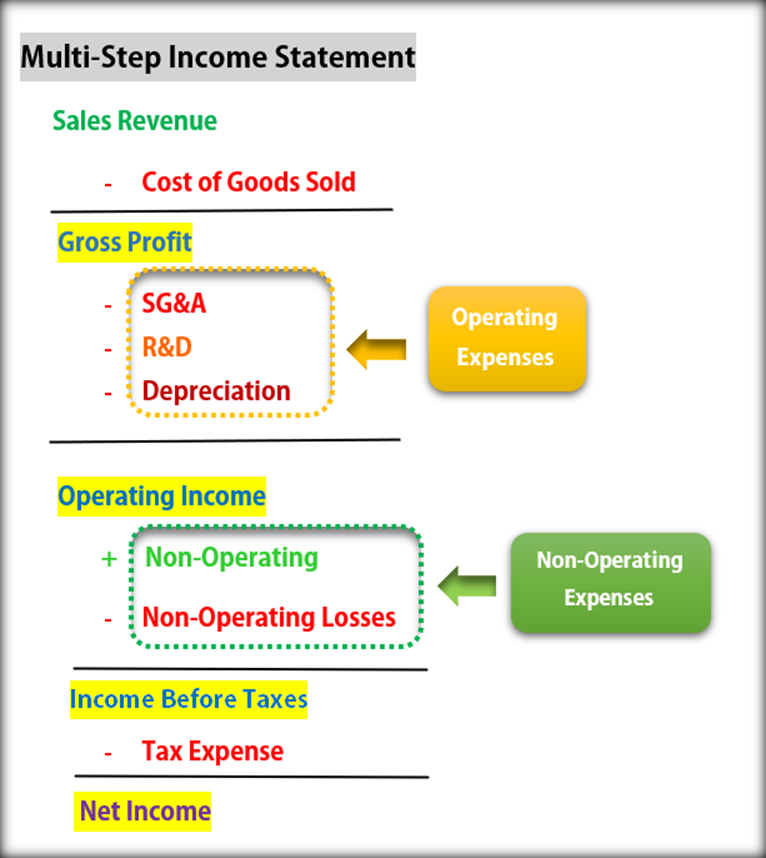
To fully grasp non-operating income, it’s crucial to first understand its counterpart: operating income. Operating income, also known as earnings before interest and taxes (EBIT) in some contexts, is the profit a company makes from its normal business operations. It is calculated by subtracting operating expenses (like cost of goods sold, salaries, rent, utilities, and depreciation) from gross profit. This figure reflects the efficiency and profitability of a company’s main business model, stripped of external financial influences and tax obligations.
Non-operating income, therefore, provides a broader picture of a company’s total profitability, contributing to its net income. While operating income is often considered a stronger indicator of a business’s health and competitive strength, non-operating income can significantly boost a company’s bottom line, albeit often with less predictability or direct control from core management decisions. For financial analysts, separating these two forms of income allows for a more nuanced evaluation, revealing whether a company’s success is driven by its core competencies or by supplementary activities.
Common Sources and Examples of Non-Operating Income
Non-operating income can originate from various sources, reflecting a company’s financial structure, investment strategies, and management of non-core assets. Identifying these sources is key to understanding their impact on a company’s overall financial performance.
Interest Income
Perhaps the most common form of non-operating income, interest income is earned when a company lends money or holds interest-bearing investments. This can include interest earned on bank deposits, short-term investments like certificates of deposit (CDs) or money market funds, or even long-term bonds. For companies with substantial cash reserves, generating interest income can be a strategy to put idle capital to work, contributing passively to profitability without engaging in core business operations.
Dividend Income
Companies that hold shares in other corporations may receive dividends, which are distributions of profits by those companies to their shareholders. This income is considered non-operating because it arises from an investment activity rather than the company’s primary business. For example, a software company investing in a diverse portfolio of publicly traded stocks would record any dividends received as non-operating income.
Gains from Asset Sales
When a company sells a long-term asset (such as property, plant, or equipment) for more than its book value, the resulting profit is a gain from the sale of an asset. Since selling these assets is not part of the company’s regular operations (unless the company’s primary business is asset trading), this gain is classified as non-operating income. For instance, a manufacturing firm selling an outdated factory for a profit would record this as a non-operating gain. Conversely, if the asset is sold for less than its book value, it results in a non-operating loss.
Rental Income from Non-Core Assets
If a company owns property that is not directly used in its primary operations and leases it out to tenants, the rental income generated is considered non-operating. For example, a retail chain that owns a large building and leases out a portion of it to another business would classify the rental payments as non-operating income. This source highlights how companies can leverage underutilized assets to generate additional revenue streams.
Royalty Income
Royalty income is generated when a company licenses its intellectual property (such as patents, trademarks, or copyrights) to another entity for use. If a technology company licenses a specific patent to another manufacturer and receives royalty payments, these payments are non-operating income, as the company’s core business might be developing software, not licensing patents as its primary revenue model.
Foreign Exchange Gains
Companies operating internationally often hold foreign currencies or have assets and liabilities denominated in foreign currencies. Fluctuations in exchange rates can lead to gains or losses when these currencies are converted back to the company’s reporting currency. A gain resulting from favorable currency movements is a non-operating gain, as currency speculation or management is typically not the company’s core business activity.
Insurance Proceeds
While less common as a regular income source, certain insurance proceeds can be classified as non-operating income. For example, if a company receives a payout from a business interruption insurance policy that compensates for lost profits due to an unforeseen event, this could be seen as non-operating, especially if it’s a one-time event outside the normal course of business.
The Strategic Importance for Financial Analysis

Understanding non-operating income is not merely an accounting exercise; it carries significant strategic implications for financial analysis, informing investment decisions, and guiding management strategy.
Impact on Profitability Ratios
Non-operating income directly impacts a company’s net income, which in turn influences various profitability ratios such as net profit margin and return on equity (ROE). While operating income focuses on the efficiency of core operations, net income provides the ultimate bottom-line figure, showing the total profit available to shareholders. Analysts often look at both operating profit margin and net profit margin to assess a company’s comprehensive profitability. A strong net profit margin driven significantly by non-operating income might suggest a company is diversifying its revenue streams, but it could also mask weaknesses in its primary business if operating income is stagnant or declining.
Evaluating Business Sustainability and Quality of Earnings
One of the most crucial aspects of analyzing non-operating income is its role in evaluating the sustainability and quality of a company’s earnings. Operating income is generally considered more sustainable and predictable because it stems from the company’s core, recurring business activities. Non-operating income, especially from irregular sources like asset sales or large foreign exchange gains, can be less predictable and may not recur in future periods.
For investors, a company whose profits are consistently bolstered by substantial non-operating income might warrant closer scrutiny. While beneficial in the short term, over-reliance on non-recurring non-operating gains can be a red flag, indicating that the core business might be struggling to generate sufficient profits on its own. A high “quality of earnings” typically means that profits are primarily driven by strong, consistent operating activities.
Investor Perspective: Assessing Core Business Strength
Savvy investors dissect financial statements to discern the true drivers of a company’s performance. They want to know if a company is making money because it sells a great product or service efficiently (operating income) or because it’s effectively managing its cash reserves or selling off old assets (non-operating income). A company with robust operating income and stable or growing operating margins signals a healthy, competitive business. Conversely, a company with declining operating income but boosted net income due to one-time non-operating gains might not be a sustainable long-term investment. Investors use this distinction to make informed decisions about a company’s fundamental value and future growth prospects.
Management Perspective: Strategic Asset Utilization
From a management standpoint, understanding non-operating income is crucial for strategic decision-making. Managers can leverage non-core assets to generate additional revenue. For example, selling an underutilized asset at a gain or investing excess cash in interest-bearing instruments can improve overall profitability. However, management must also assess whether these non-operating activities align with the company’s long-term strategic goals and whether they are detracting resources or attention from core operations. Effectively managing non-operating income sources can enhance shareholder value and provide financial flexibility, but it must be balanced with a strong focus on core business growth and efficiency.
Distinguishing Non-Operating Income from Non-Recurring Items and Other Income
While non-operating income inherently lies outside a company’s primary operations, it’s important to distinguish it from other categories of income and expenses that are also irregular or non-core. Terms like “non-recurring items,” “extraordinary items,” and “other comprehensive income” sometimes cause confusion.
Non-operating income is a broader category that can include both recurring (e.g., consistent interest or dividend income from stable investments) and non-recurring elements (e.g., a one-time gain from the sale of a significant asset). “Non-recurring items” or “extraordinary items” (though the latter term is less frequently used under modern accounting standards) typically refer to events that are both unusual in nature and infrequent in occurrence. Examples include gains or losses from natural disasters, major regulatory changes, or the sale of a discontinued operation. While these are certainly non-operating, the term “non-operating income” specifically encompasses a wider range of activities that may or may not be unusual or infrequent, but definitively fall outside the core business.
“Other income” is a general category on the income statement that often groups together various smaller sources of non-operating revenue. Depending on the size and nature of these items, they might be separately itemized or grouped for simplicity. The key is that they all reflect revenues from activities outside the company’s primary service or product offerings.
The consistency and predictability of non-operating income are key analytical considerations. Interest and dividend income from a stable portfolio might be somewhat predictable, while gains from asset sales or foreign exchange fluctuations are inherently less so. Analysts often “normalize” earnings by stripping out highly volatile or one-time non-operating items to get a clearer picture of a company’s core earning power.
Navigating Non-Operating Income: Opportunities and Caveats
For businesses and investors alike, a comprehensive understanding of non-operating income presents both opportunities for value creation and potential pitfalls to avoid.
Identifying Potential for Value Creation
Companies can strategically manage their non-operating activities to enhance overall financial performance. This might involve optimizing cash management to maximize interest income, making shrewd investments in other companies to generate dividends, or effectively managing non-core assets to realize gains through timely sales or leasing. For example, a company with excess land might develop and lease it, turning a dormant asset into a recurring income stream. Such strategic utilization of resources beyond core operations can contribute significantly to shareholder value and provide a buffer during challenging operating periods.
Warning Signs of Over-Reliance or Misleading Financial Pictures
Conversely, an over-reliance on non-operating income can be a significant warning sign. If a company’s net income is consistently boosted by large, irregular non-operating gains while its operating income is flat or declining, it suggests underlying weaknesses in the core business model. This can mislead investors who might only glance at the bottom-line net income figure. For example, a company repeatedly selling off its assets to boost profits might be liquidating itself rather than growing sustainably. Similarly, large, volatile foreign exchange gains can make a company’s earnings appear strong in one period, only to reverse in the next, making future performance unpredictable. Analysts must meticulously examine the breakdown of income to avoid being misled by these trends.
Tax Considerations
Non-operating income is generally subject to taxation, though the specific rates and rules can vary depending on the type of income and jurisdiction. For instance, capital gains from asset sales, interest income, and dividend income are all typically taxable. Companies must account for these tax implications when evaluating the net benefit of non-operating activities. Strategic tax planning can sometimes optimize the after-tax impact of certain non-operating gains, further emphasizing the need for financial acumen in this area.
In conclusion, non-operating income is a vital component of a company’s financial statement, offering crucial context beyond its primary business activities. By dissecting its sources and understanding its impact on overall profitability and financial ratios, stakeholders can gain a more complete and accurate picture of a company’s true financial health, sustainability, and strategic direction. While a healthy core business remains paramount, the judicious management and interpretation of non-operating income are indispensable for robust financial analysis in the modern economic landscape.
aViewFromTheCave is a participant in the Amazon Services LLC Associates Program, an affiliate advertising program designed to provide a means for sites to earn advertising fees by advertising and linking to Amazon.com. Amazon, the Amazon logo, AmazonSupply, and the AmazonSupply logo are trademarks of Amazon.com, Inc. or its affiliates. As an Amazon Associate we earn affiliate commissions from qualifying purchases.