
The quest for affordable airfare is a universal pursuit for both leisure travelers and business professionals alike. Yet, the price of a flight seems to possess a mind of its own, fluctuating with bewildering speed and often leaving consumers feeling like they’re playing a high-stakes game of chance. Understanding when flight prices change and, more importantly, why they change, is not just about luck; it’s about mastering a complex interplay of economic forces, technological algorithms, and strategic airline decisions. This deep dive will unravel the mysteries behind airline pricing, equipping you with the knowledge and financial strategies to navigate the market and secure the best possible value for your travel investments.
The Volatile Nature of Airfare: Why Prices Fluctuate
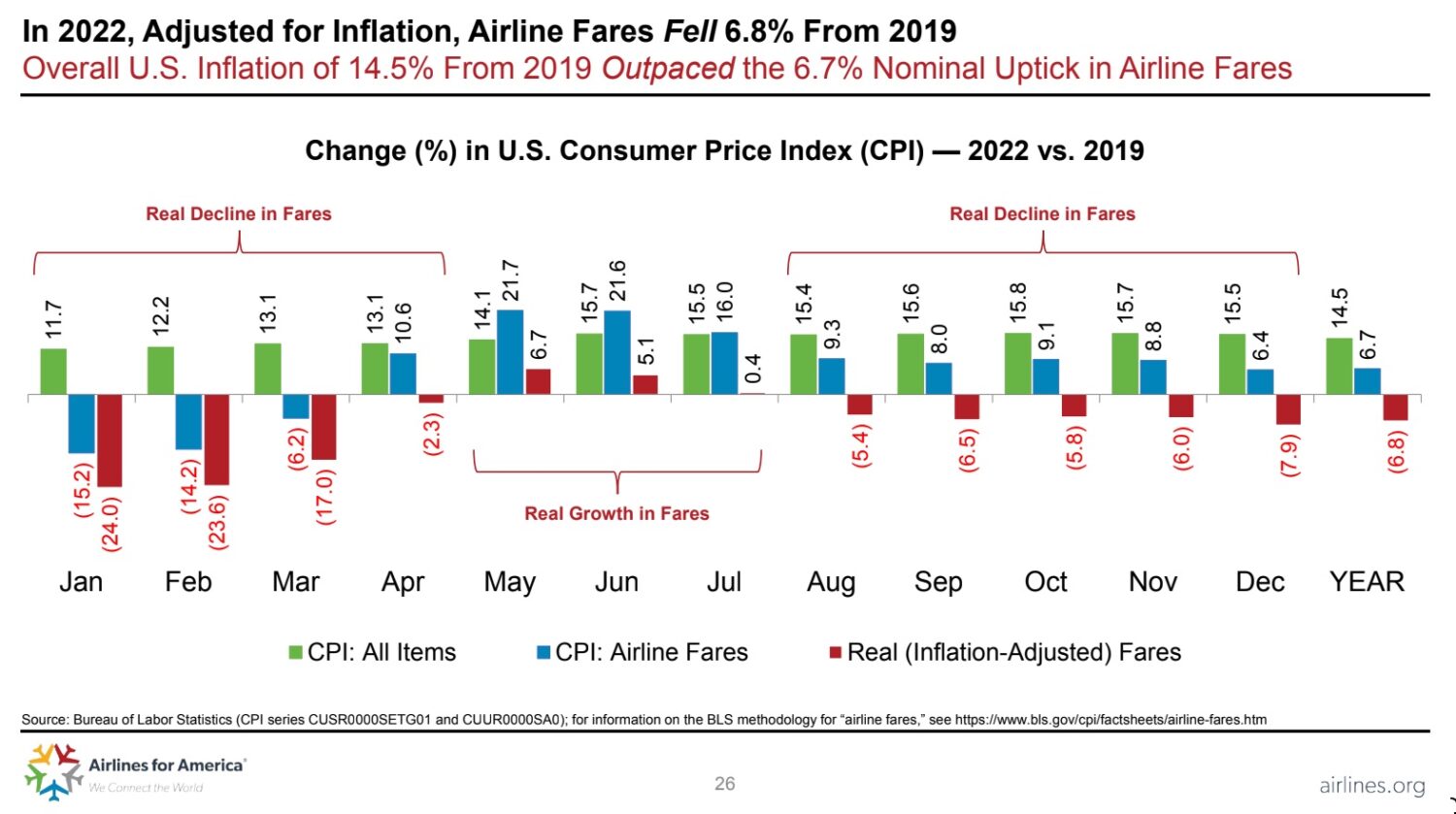
The ticket price displayed for a flight is not a static figure but a dynamic reflection of numerous underlying factors, constantly shifting in response to market conditions and airline strategies. These fluctuations are not random but are the result of sophisticated financial models and real-time data analysis designed to maximize revenue.
Demand and Supply Economics in Aviation
At its core, airline pricing is a classic example of supply and demand economics. When demand for a particular route or time is high (e.g., holiday periods, major events, popular vacation seasons), and the supply of available seats is limited, prices naturally rise. Conversely, if a flight has many empty seats and departure is approaching, airlines may lower prices to stimulate demand and fill the plane, as an empty seat represents lost revenue. This principle extends to specific fare classes; airlines allocate a certain number of seats at each price point, and once those are sold, the next, higher fare class becomes available. This constant adjustment creates the “roller coaster” effect observed in airfare.
Fuel Costs and Operational Overheads
A significant portion of an airline’s operating costs is tied to fuel. Global oil prices are inherently volatile, influenced by geopolitical events, supply disruptions, and economic forecasts. Airlines often incorporate fuel surcharges, directly or indirectly, into their ticket prices. When fuel costs rise, these increases are typically passed on to consumers. Beyond fuel, operational overheads such as aircraft maintenance, crew salaries, airport fees, air traffic control charges, and administrative expenses contribute to the base cost of a flight. Any substantial change in these costs can trigger a shift in ticket prices as airlines adjust to maintain profitability. These are fundamental financial inputs that dictate the lower bounds of what an airline can charge.
Competitive Landscape and Market Share Battles
The presence of multiple airlines on a given route fosters competition, which can be a boon for consumers. Airlines constantly monitor their competitors’ pricing strategies. If one airline drops its prices, others operating on the same route may quickly follow suit to avoid losing market share. This competitive dynamic often leads to price wars, particularly on popular routes, resulting in temporary price drops. Conversely, if a major competitor exits a route or reduces capacity, the remaining airlines might increase their prices due to reduced competition. The financial health and strategic objectives of individual airlines also play a role, as they might be willing to absorb losses on certain routes to gain market share or introduce new services.
Timing is Everything: Best Practices for Booking Flights
While the underlying mechanics of pricing can seem opaque, extensive data analysis has revealed patterns that savvy travelers can exploit to their financial advantage. The timing of your booking, the day of the week you search, and the seasonality of your travel all play crucial roles in determining the price you pay.
The “Sweet Spot” Window: Early Bird vs. Last Minute
Common wisdom often suggests booking far in advance, but there’s a more nuanced “sweet spot” for securing the best prices. For domestic flights, this window typically falls between 1.5 to 3 months before departure. For international flights, it often extends to 3 to 6 months out. Booking too early (e.g., 9-11 months in advance) can sometimes mean paying higher prices, as airlines initially set higher baseline fares. As the departure date approaches, airlines use sophisticated algorithms to adjust prices based on demand. While last-minute deals can occasionally emerge for undersold flights, relying on them is a significant financial gamble, as prices often skyrocket in the final weeks before departure, especially for popular routes or peak travel times. The ideal strategy involves monitoring prices within this sweet spot and being ready to purchase when a favorable price appears.
Day of the Week and Time of Day Impact
The day of the week you book your flight can be as impactful as the day you fly. Data consistently shows that Tuesday, Wednesday, and sometimes Thursday mornings are often the best times to find cheaper flights. This is largely attributed to airlines launching new sales or matching competitors’ price drops earlier in the week, with other airlines typically responding by Tuesday. Prices tend to creep up towards the weekend as more leisure travelers begin their search. Similarly, the day of the week you fly also matters. Tuesdays, Wednesdays, and Saturdays are generally the cheapest days to fly, avoiding the premium associated with weekend travel and Monday morning business departures. Early morning flights and red-eye flights can also be cheaper due to less desirable departure times.
Seasonal Trends and Holiday Surges
Seasonal demand is a primary driver of price fluctuations. Traveling during peak seasons – summer holidays, winter breaks, major festivals, or school holidays – will invariably result in higher prices. Airlines capitalize on captive demand during these periods. Conversely, traveling during the “shoulder seasons” (just before or after peak season) or the “off-season” can lead to significant savings. Flexibility in travel dates is a powerful financial tool. Avoiding major holidays like Christmas, New Year’s, Thanksgiving, or Spring Break, even by a few days, can dramatically reduce costs. Understanding these annual cycles allows for strategic financial planning around travel, allowing consumers to anticipate price surges and plan alternative dates or destinations.
Understanding Airline Pricing Strategies and Algorithms
Behind every flight price change is a complex tapestry of data science, predictive analytics, and revenue management strategies. Airlines invest heavily in these systems to maximize their profitability, treating each seat as a perishable commodity that must be sold at the optimal price.
Dynamic Pricing Models and AI Influence
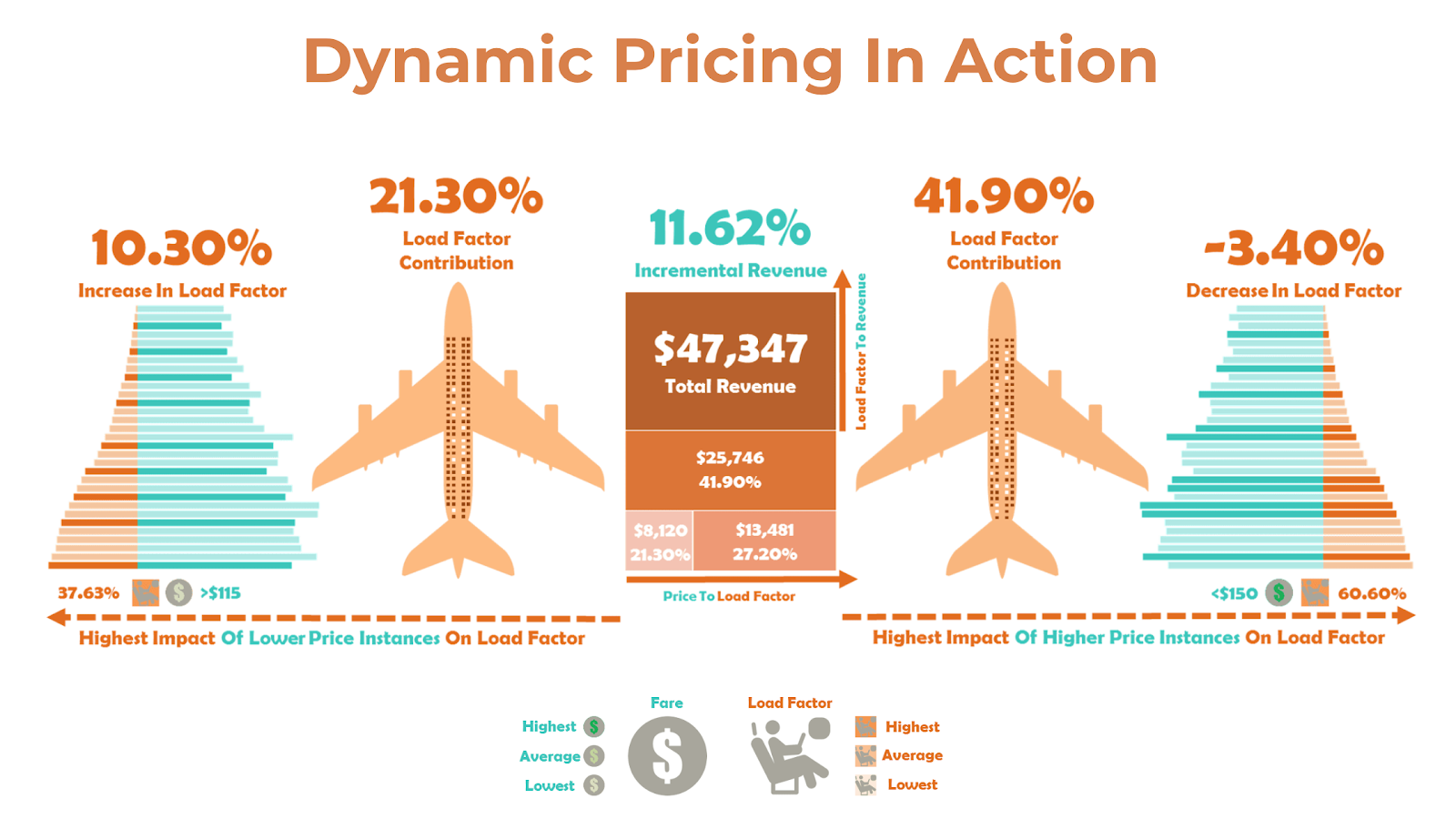
Modern airline pricing is almost entirely governed by dynamic pricing models, often powered by advanced artificial intelligence and machine learning algorithms. These systems constantly analyze vast datasets, including historical booking patterns, competitor prices, current demand, website traffic, weather forecasts, local events, and even fuel price predictions. The algorithms then adjust prices in real-time, sometimes multiple times per hour, to react to changes in demand and supply. This means that two people searching for the exact same flight moments apart could see different prices, depending on how the algorithm interprets current market conditions and user behavior. This ensures that airlines can capture maximum revenue by charging different prices to different segments of customers based on their perceived willingness to pay.
Fare Classes and Seat Buckets
A key concept in airline pricing is the allocation of “fare classes” or “seat buckets.” Every seat on a plane, even in the same cabin (e.g., economy), is assigned to a specific fare class, each with its own set of rules and price point. These are often denoted by single letters (e.g., “Y” for full-fare economy, “Q” for a discounted economy fare). As lower-priced fare classes sell out, the system automatically moves to the next available, higher-priced class. This is why a flight might have 100 available seats, but only a handful are at the lowest advertised price. When these low-cost buckets are depleted, the price jumps, even if the flight isn’t nearly full. This strategy allows airlines to cater to different market segments – from budget-conscious leisure travelers to business travelers needing flexibility – while optimizing revenue from every flight.
Geo-Arbitrage and Currency Fluctuations
Another intriguing aspect of airline pricing is “geo-arbitrage.” Prices for the same flight can sometimes vary depending on the country from which the booking is made. This is due to varying economic conditions, local market competition, and currency exchange rates. An airline might offer a lower price in a country with a weaker economy or where it’s trying to stimulate demand. Travelers have occasionally used VPNs to appear as if they are browsing from a different country to access these potentially lower fares. Additionally, currency exchange rate fluctuations can impact the final price if the booking is made in a currency different from the traveler’s home currency. While sometimes offering savings, these tactics require careful consideration of terms and conditions, as well as potential banking fees for foreign transactions.
Tools and Tactics for Tracking and Saving on Flights
Navigating the financial labyrinth of flight prices requires more than just understanding the dynamics; it demands proactive engagement with specialized tools and smart booking tactics. Leveraging these resources can transform a stressful search into a strategic exercise in cost-saving.
Price Alerts and Prediction Tools
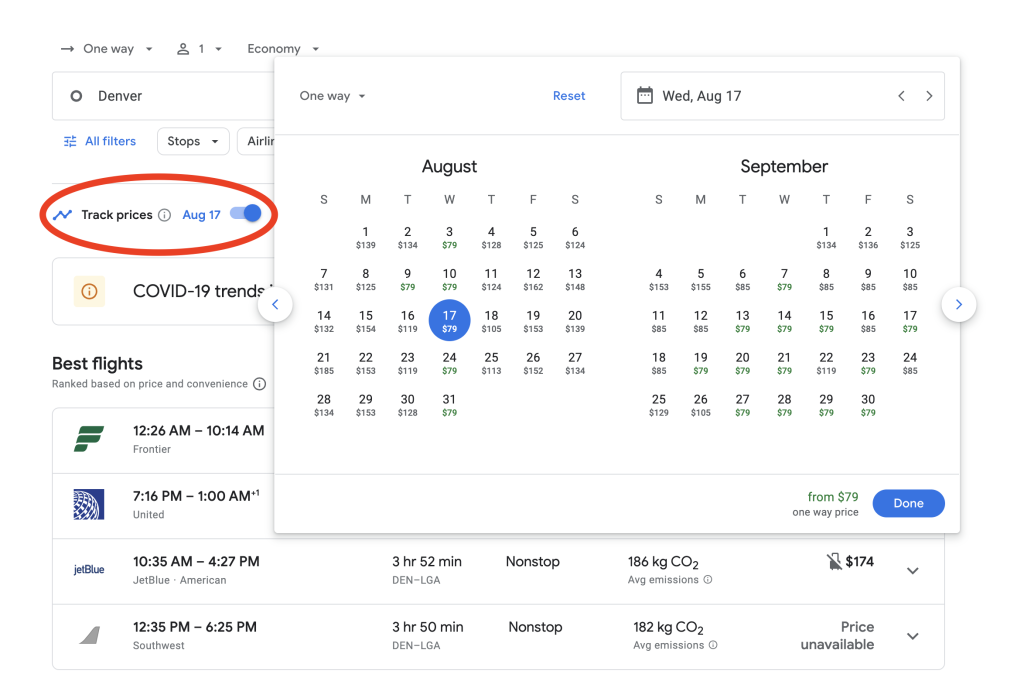
One of the most effective ways to manage flight costs is to set up price alerts. Websites like Google Flights, Skyscanner, Kayak, and Hopper allow users to track specific flight routes and receive notifications when prices drop or are predicted to change significantly. Hopper, in particular, uses historical data and predictive algorithms to advise users on whether to buy now or wait, offering a “buy” or “watch” recommendation. These tools act as personal financial assistants, eliminating the need for constant manual checking and ensuring you’re informed when a financially advantageous moment arises to purchase your ticket. Subscribing to airline newsletters can also provide direct access to flash sales and promotional codes that are not widely advertised elsewhere.
Flexible Dates and Destinations
Flexibility is perhaps the most powerful financial lever a traveler possesses. If your travel dates are not rigidly fixed, using “flexible date” search functions (often appearing as “Cheapest Month” or “Anytime”) on aggregators can reveal significantly lower fares. Flying a day or two earlier or later than originally planned could save hundreds of dollars. Similarly, being open to different destination airports within a region (e.g., flying into Oakland instead of San Francisco, or London Gatwick instead of Heathrow) can yield substantial savings due to differing airport fees and airline competition. Even considering alternative cities entirely, based on where the best flight deals are available, can open up new travel experiences that are more financially accessible.
Leveraging Loyalty Programs and Credit Card Perks
For frequent travelers, loyalty programs are an indispensable financial tool. Earning miles or points through airline-specific programs or co-branded credit cards can lead to free flights, upgrades, or significant discounts. Strategic use of credit card sign-up bonuses, which often offer large chunks of miles, can fund entire trips. Beyond earning points, many travel credit cards offer benefits like travel insurance, baggage delay protection, lounge access, and fee waivers for checked bags, all of which contribute to overall cost savings and an enhanced travel experience. It’s a smart financial play to analyze your spending habits and choose a card that aligns with your travel goals and rewards structure.
The Power of Incognito Mode and VPNs
While not universally effective, some travelers swear by using incognito or private browsing modes, or even VPNs, when searching for flights. The theory behind incognito mode is that some websites use cookies to track your searches and potentially display higher prices if you revisit a flight multiple times, suggesting high interest. While airlines generally deny this practice for direct bookings, third-party aggregators might use such tactics. A VPN allows you to mask your geographical location, potentially accessing geo-arbitrage opportunities where flights might be cheaper when booked from a different country’s IP address. While results vary, these low-effort financial hacks are worth trying in your quest for the best price.
Beyond the Ticket Price: Hidden Costs and Financial Considerations
Focusing solely on the advertised flight price can lead to an incomplete financial picture. Savvy budgeting extends beyond the initial ticket, encompassing various additional costs that can significantly inflate the total expenditure of a trip. A comprehensive financial plan considers all potential outlays.
Baggage Fees and Seat Selection Charges
Airlines have increasingly unbundled their fares, offering a low base price and then charging separately for services that were once included. Baggage fees, especially for checked luggage, can quickly add up, particularly for long trips or multiple travelers. Be sure to check the specific baggage allowance and fees for your chosen airline and fare class. Similarly, many airlines now charge for advance seat selection, especially for desirable seats like aisle or window. While sometimes optional, for long flights, securing a preferred seat might be a worthwhile financial investment for comfort. Factor these potential costs into your budget from the outset, especially if you’re flying a budget airline where these charges are almost guaranteed.
Travel Insurance: A Financial Safeguard
While an additional upfront cost, travel insurance can be a critical financial safeguard, especially for expensive trips or international travel. It provides protection against unforeseen circumstances such as trip cancellations, medical emergencies abroad, lost luggage, and travel delays. Without insurance, a medical emergency in a foreign country or a last-minute cancellation due to an illness could result in significant financial losses. Carefully evaluate the coverage provided by your credit card (if any) and consider purchasing a comprehensive policy that aligns with your travel risks and financial exposure. It’s an investment in peace of mind and protection against potentially devastating financial setbacks.
Budgeting for the Entire Travel Experience
A flight ticket is just one component of the total travel budget. For a truly financially sound trip, it’s crucial to budget for accommodations, ground transportation (taxis, ride-shares, public transit), meals, activities, visas, and spending money. Overlooking these elements can lead to an inflated expenditure that far exceeds the initial flight savings. Utilize budgeting apps or spreadsheets to track all anticipated expenses. Research average costs for dining and activities at your destination. By creating a holistic financial plan, travelers can avoid unpleasant surprises and ensure their travel experience remains enjoyable and within their means, making the flight price just one piece of a larger, well-managed financial puzzle.
In conclusion, understanding when flight prices change is a powerful tool for financial empowerment in the realm of travel. It’s not a matter of random chance but a predictable, albeit complex, dance of economic principles, technological advancements, and strategic airline decisions. By comprehending the drivers of fluctuation, mastering booking timing, leveraging smart tools, and budgeting comprehensively, travelers can move beyond guesswork and become savvy financial navigators, consistently securing the best value for their travel investments.
aViewFromTheCave is a participant in the Amazon Services LLC Associates Program, an affiliate advertising program designed to provide a means for sites to earn advertising fees by advertising and linking to Amazon.com. Amazon, the Amazon logo, AmazonSupply, and the AmazonSupply logo are trademarks of Amazon.com, Inc. or its affiliates. As an Amazon Associate we earn affiliate commissions from qualifying purchases.