
In the rapidly evolving landscape of digital finance, cryptocurrency has emerged as a transformative asset class, capturing the imagination of investors, technologists, and the financially curious alike. What once seemed like a niche digital experiment has matured into a multi-trillion-dollar market, offering new avenues for wealth creation, investment, and financial independence. For many, the initial hurdle is understanding not just what cryptocurrency is, but fundamentally, how one can acquire it. This guide delves into the various practical and strategic methods for obtaining digital assets, all viewed through the lens of personal finance, investment, and sound financial decision-making.

Understanding the Landscape of Digital Assets
Before embarking on the journey to acquire cryptocurrency, it’s crucial to grasp the fundamental nature of these assets and the environment they inhabit. Cryptocurrency represents a paradigm shift in how we perceive and interact with money, offering decentralization, transparency, and often, enhanced security compared to traditional financial systems.
What is Cryptocurrency and Why Acquire It?
At its core, cryptocurrency is a digital or virtual currency secured by cryptography, making it nearly impossible to counterfeit or double-spend. Most cryptocurrencies are decentralized networks based on blockchain technology—a distributed ledger enforced by a disparate network of computers. Unlike fiat currencies issued by central banks, cryptocurrencies operate outside conventional financial institutions and government control.
People acquire cryptocurrency for a multitude of reasons:
- Investment Potential: Many view cryptocurrencies as a high-growth asset, with the potential for significant returns, akin to early-stage tech stocks.
- Diversification: Adding crypto to a traditional investment portfolio can help diversify assets and potentially reduce overall risk.
- Technological Belief: Some invest out of belief in the underlying blockchain technology and its potential to revolutionize industries.
- Utility and Payments: Certain cryptocurrencies offer practical utility, enabling faster and cheaper international transactions or acting as fuel for decentralized applications (dApps).
- Speculation: Short-term traders aim to profit from the inherent volatility of the crypto market.
Key Considerations Before Diving In
The allure of quick gains can be strong, but entering the cryptocurrency market requires a thoughtful and informed approach. Investors must be acutely aware of the unique characteristics and risks associated with digital assets.
- Volatility: Cryptocurrency markets are notoriously volatile, with prices capable of swinging wildly in short periods. This volatility presents both opportunities and significant risks.
- Regulatory Uncertainty: The regulatory landscape for cryptocurrency is still developing globally. Changes in regulations can significantly impact market sentiment and asset values.
- Security Risks: While blockchain technology itself is robust, individual users face risks such as hacking, phishing scams, and losing access to their wallets. Robust security practices are paramount.
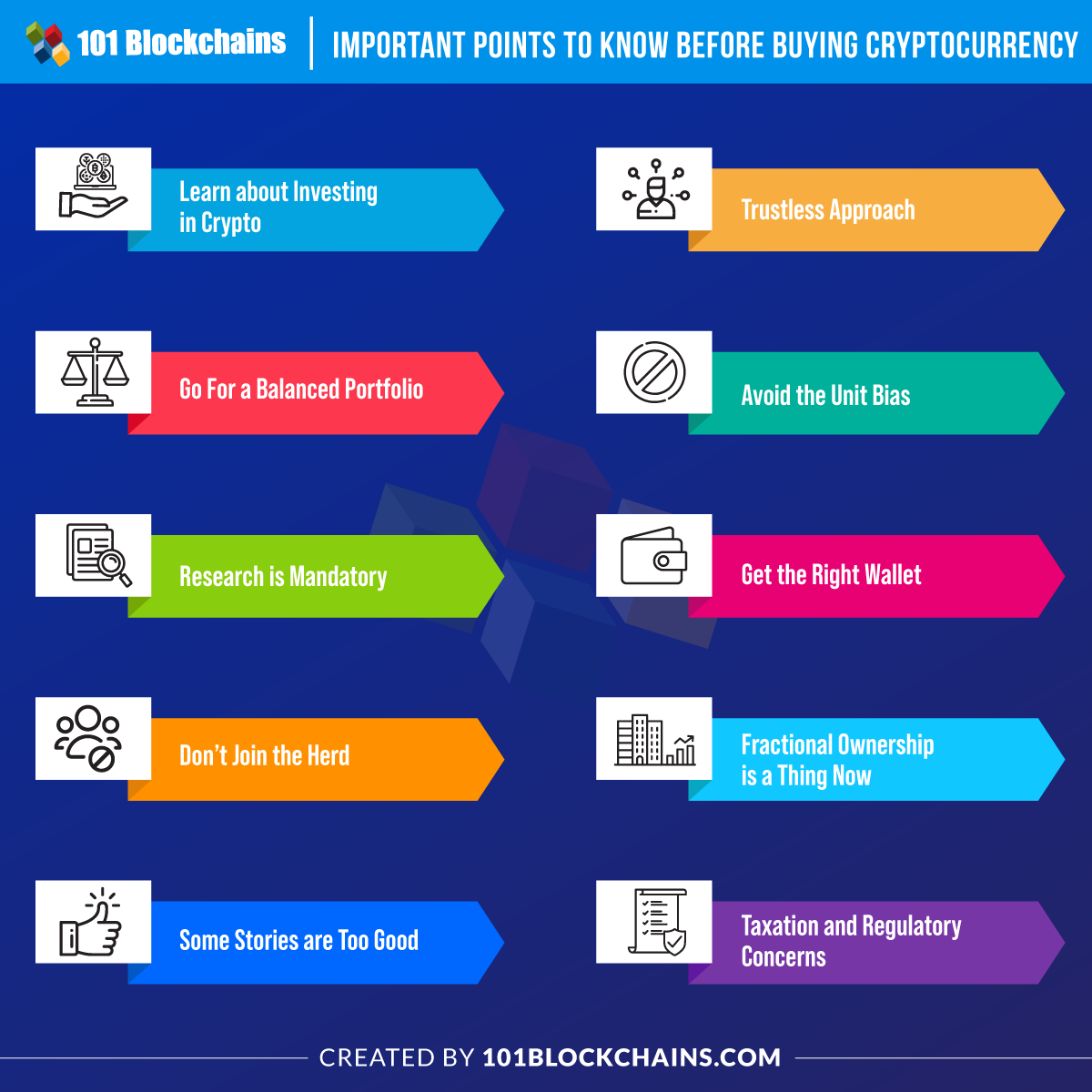
- Research and Due Diligence: The crypto market is vast, with thousands of different coins and tokens. Thorough research into a project’s whitepaper, team, technology, and market capitalization is essential before any investment.
- Risk Tolerance: Only invest what you can afford to lose. Cryptocurrency should be considered a high-risk, high-reward investment, and it may not be suitable for all investors.
Direct Purchase Methods for Cryptocurrencies
The most common and straightforward way to obtain cryptocurrency is through direct purchase. Several platforms facilitate this process, each offering distinct advantages and disadvantages depending on a user’s priorities regarding ease of use, fees, privacy, and control.
Centralized Exchanges (CEXs): The Gateway
Centralized exchanges are the most popular entry point for new crypto investors. Platforms like Binance, Coinbase, Kraken, and Gemini act as intermediaries, allowing users to buy, sell, and trade cryptocurrencies using fiat currency (e.g., USD, EUR) or other cryptocurrencies.
- Ease of Use: CEXs typically offer user-friendly interfaces, mobile apps, and robust customer support, making them ideal for beginners.
- Liquidity: These platforms boast high trading volumes, ensuring that users can easily buy or sell assets without significant price slippage.
- Security Features: CEXs implement various security measures, including two-factor authentication (2FA), cold storage for a majority of assets, and insurance policies in some cases.
- Regulatory Compliance (KYC/AML): To combat money laundering and comply with financial regulations, CEXs require users to complete Know Your Customer (KYC) and Anti-Money Laundering (AML) verification, which involves providing personal identification.
- Fees: CEXs charge various fees, including trading fees, deposit/withdrawal fees, and sometimes conversion fees. These vary by platform and transaction type.
Decentralized Exchanges (DEXs): Peer-to-Peer Trading
Decentralized exchanges like Uniswap, PancakeSwap, and SushiSwap operate without a central authority. They allow users to trade cryptocurrencies directly from their personal wallets, maintaining custody of their funds throughout the process.
- Privacy and Control: DEXs do not require KYC verification, offering greater privacy. Users retain full control over their private keys and assets.
- No Central Point of Failure: Being decentralized, DEXs are less susceptible to single-point-of-failure hacks or censorship.
- Broader Token Access: DEXs often list newer, smaller tokens before they are available on centralized exchanges.
- Complexity and Fees: DEXs can be more complex to navigate for beginners. Transactions typically incur “gas fees” (network transaction fees) which can be variable and, at times, high.
- Liquidity Issues: Smaller DEXs or less popular trading pairs might suffer from lower liquidity, leading to higher price slippage.
Brokerage Platforms and Payment Processors
Traditional brokerage platforms and payment processors have increasingly integrated cryptocurrency trading capabilities, offering an even simpler on-ramp for those already familiar with their services. Examples include PayPal, Revolut, and Cash App.
- Simplicity: These platforms are incredibly easy to use, often integrating crypto alongside existing financial services.
- Convenience: Users can buy and sell crypto directly from their existing accounts with minimal setup.
- Limited Functionality: Often, these platforms offer a curated selection of cryptocurrencies and may not allow users to transfer their crypto off the platform to personal wallets, meaning users don’t truly own the underlying assets (they own an “IOU”).
- Higher Fees: Transaction fees can sometimes be higher compared to dedicated crypto exchanges.
OTC Desks and Private Sales
For high-net-worth individuals and institutional investors looking to purchase large quantities of cryptocurrency without impacting market prices, Over-The-Counter (OTC) desks and private sales offer a tailored solution.
- Large Volume Transactions: OTC desks facilitate large block trades, providing better pricing and discretion than public exchanges.
- Personalized Service: Clients receive dedicated support and custom solutions.
- Higher Minimums: These services are typically reserved for transactions exceeding significant minimums.
Earning Cryptocurrency Through Engagement and Contribution
Beyond direct purchases, there are various ways to earn cryptocurrency, often by contributing resources, participating in networks, or engaging with specific platforms. These methods can range from passive income generation to active participation in the crypto ecosystem.
Mining and Staking: Passive Income Generation
- Mining (Proof-of-Work): This involves using powerful computers to solve complex computational problems to validate transactions and add new blocks to a blockchain (e.g., Bitcoin, early Ethereum). Successful miners are rewarded with new coins. While historically profitable, individual mining has become increasingly capital-intensive and less accessible due to the high cost of hardware and electricity. Cloud mining services offer an alternative, but come with their own set of risks.
- Staking (Proof-of-Stake): Many newer cryptocurrencies (e.g., Ethereum 2.0, Cardano, Solana) use a Proof-of-Stake consensus mechanism. Staking involves “locking up” a certain amount of cryptocurrency in a wallet to support the network’s operations. In return, stakers earn rewards, similar to earning interest in a savings account. It’s a more energy-efficient and often more accessible way to earn passive crypto income.
Earning through Play-to-Earn (P2E) Gaming and NFTs
The rise of blockchain gaming and Non-Fungible Tokens (NFTs) has created new earning opportunities.
- Play-to-Earn (P2E) Games: Games like Axie Infinity, Decentraland, and The Sandbox reward players with in-game cryptocurrencies or NFTs for completing tasks, winning battles, or contributing to the game’s ecosystem. These digital assets can then be sold on marketplaces for real-world value.
- NFT Creation and Trading: Artists, creators, and even collectors can earn cryptocurrency by creating, buying, and selling NFTs—unique digital assets representing ownership of art, music, collectibles, or even virtual land.
Airdrops and Bounties: Free Crypto Opportunities
- Airdrops: Projects often distribute free tokens to wallet holders of specific cryptocurrencies (e.g., Bitcoin or Ethereum) or to users who meet certain criteria. This is typically done as a marketing strategy to raise awareness and distribute new tokens.
- Bounties: Projects may offer cryptocurrency rewards for completing specific tasks, such as finding bugs in code, translating documents, creating promotional content, or engaging with their social media campaigns.
Crypto Faucets and Micro-Tasks
- Crypto Faucets: These are websites or apps that distribute small amounts of cryptocurrency as a reward for completing simple tasks like solving captchas, playing games, or viewing ads. While the amounts are tiny, they can serve as an introductory way to accumulate very small sums.
- Micro-Task Platforms: Similar to faucets, platforms like CoinWorker or Microworkers (which may offer crypto payments) allow users to earn cryptocurrency by completing small, data-entry or survey-style tasks.
Accepting Crypto as Payment for Goods/Services
For freelancers, small businesses, or even individuals, accepting cryptocurrency as payment for goods or services can be a direct way to obtain digital assets. This requires setting up a crypto wallet and potentially integrating crypto payment gateways into an e-commerce platform.
Securing Your Digital Riches: Wallet Management
Regardless of how you obtain cryptocurrency, securing it is paramount. Unlike traditional banks that safeguard your funds, with crypto, you are your own bank. Mismanaging your private keys or falling victim to scams can lead to irreversible loss.
Types of Wallets: Hot vs. Cold Storage
- Hot Wallets: These are connected to the internet and include mobile wallets (e.g., Trust Wallet, Exodus), desktop wallets, and exchange wallets. They offer convenience for frequent transactions but are more susceptible to online attacks.
- Cold Wallets: These are offline storage solutions, offering the highest level of security. Hardware wallets (e.g., Ledger, Trezor) are physical devices that store your private keys offline. Paper wallets, while less common now, involve printing your public and private keys on paper. Cold storage is ideal for holding significant amounts of crypto long-term.
Best Practices for Wallet Security
- Seed Phrase (Recovery Phrase): This is a series of 12 or 24 words that serves as the master key to your wallet. Write it down physically, store it in multiple secure, offline locations, and never share it or store it digitally. Losing your seed phrase means losing your crypto.
- Two-Factor Authentication (2FA): Always enable 2FA on exchanges and wallets where available. Authenticator apps (e.g., Google Authenticator, Authy) are generally more secure than SMS-based 2FA.
- Strong, Unique Passwords: Use complex, unique passwords for all crypto-related accounts and consider using a password manager.
- Beware of Phishing: Be extremely cautious of suspicious emails, messages, or websites impersonating legitimate crypto services. Always double-check URLs.
- Regular Software Updates: Keep your wallet software, operating system, and antivirus up to date.
- Diversify Storage: Avoid keeping all your crypto in one place. Use a combination of hot and cold storage depending on your needs.
Strategic Approaches to Cryptocurrency Acquisition
Acquiring cryptocurrency isn’t just about the “how-to” but also the “how thoughtfully.” Strategic planning can help mitigate risks and optimize financial outcomes.
Dollar-Cost Averaging (DCA): Mitigating Volatility
Dollar-Cost Averaging is an investment strategy where an investor invests a fixed amount of money at regular intervals (e.g., weekly or monthly), regardless of the asset’s price.
- Reduces Risk of Market Timing: DCA helps smooth out the impact of market volatility by averaging out the purchase price over time. You buy more when prices are low and less when prices are high.
- Discipline: It promotes a disciplined investment approach, removing emotional decision-making.
- Long-Term Strategy: DCA is best suited for long-term investors who believe in the growth potential of their chosen assets.
Research and Due Diligence: Informed Investment Decisions
Before investing in any cryptocurrency, comprehensive research is indispensable.
- Whitepaper Analysis: Understand the project’s vision, technology, use case, and roadmap.
- Team and Advisors: Investigate the credibility and experience of the development team and advisors.
- Market Capitalization and Supply: Analyze the project’s market cap, circulating supply, and total supply to gauge its relative size and scarcity.
- Community and Development Activity: A strong, active community and ongoing development indicate a healthy project.
- Competitors and Niche: Understand where the project fits within the broader crypto ecosystem and its competitive advantages.

Understanding Tax Implications
Acquiring and transacting with cryptocurrency often has tax implications, which vary by jurisdiction. In many countries, cryptocurrency is treated as property for tax purposes, meaning capital gains taxes may apply when you sell, trade, or use crypto for purchases. It’s crucial to:
- Keep Meticulous Records: Document all your crypto transactions, including purchase dates, prices, and sale dates/prices.
- Consult a Tax Professional: Seek advice from a tax expert familiar with cryptocurrency taxation in your region to ensure compliance and optimize your tax strategy. Ignoring tax obligations can lead to significant penalties.
Obtaining cryptocurrency is a multifaceted endeavor that bridges technological innovation with traditional financial principles. Whether through direct purchase, strategic earning, or disciplined investment, the key to navigating this exciting frontier lies in thorough research, robust security practices, and a clear understanding of the financial risks and rewards involved. As the digital asset space continues to mature, those who approach it with an informed and strategic mindset will be best positioned to harness its potential.
aViewFromTheCave is a participant in the Amazon Services LLC Associates Program, an affiliate advertising program designed to provide a means for sites to earn advertising fees by advertising and linking to Amazon.com. Amazon, the Amazon logo, AmazonSupply, and the AmazonSupply logo are trademarks of Amazon.com, Inc. or its affiliates. As an Amazon Associate we earn affiliate commissions from qualifying purchases.