
The digital age has fundamentally reshaped how we interact with money. From online banking to contactless payments, technology has streamlined financial transactions, making them faster, more convenient, and increasingly integrated into our daily lives. Among the pantheon of applications that have revolutionized personal finance, Venmo stands out as a pioneering force in the realm of peer-to-peer (P2P) payments. Far more than just a money transfer service, Venmo seamlessly blended financial transactions with social networking, creating an intuitive platform that quickly became synonymous with splitting bills, sending rent, and settling debts among friends. To understand its profound impact and enduring relevance, one must look back at its origins and trace the technological journey that propelled it from a novel idea to an indispensable financial utility. The simple question, “When did Venmo come out?” unlocks a narrative of technological innovation, strategic growth, and a keen understanding of evolving user behaviors in the digital landscape.

The Inception: From Idea to Disruptive Platform
The story of Venmo begins not with a grand corporate vision, but with a relatable, everyday problem that its founders sought to solve using nascent mobile technology. In an era before smartphones were ubiquitous and mobile payment apps were a mainstream concept, two innovators identified a gap in how people managed their casual financial exchanges.
The Visionary Founders and Their Initial Spark
Venmo was co-founded by Andrew Kortina and Iqram Magdon-Ismail. The initial spark for Venmo actually arose from a rather mundane, yet universal, inconvenience. In 2009, while working on a different project together, Magdon-Ismail flew from Philadelphia to visit Kortina in New York. Magdon-Ismail forgot his wallet, and Kortina had to pay for everything. The subsequent hassle of settling up – whether through cash, checks, or awkward bank transfers – highlighted a clear need for a simpler, more immediate way to exchange money digitally. This personal experience became the catalyst for developing a solution that would eliminate such friction. They envisioned a mobile application that would allow friends to send and receive money directly from their phones, making financial interactions as simple and instant as sending a text message.
Launching a Revolution: The Early Days of P2P Payments
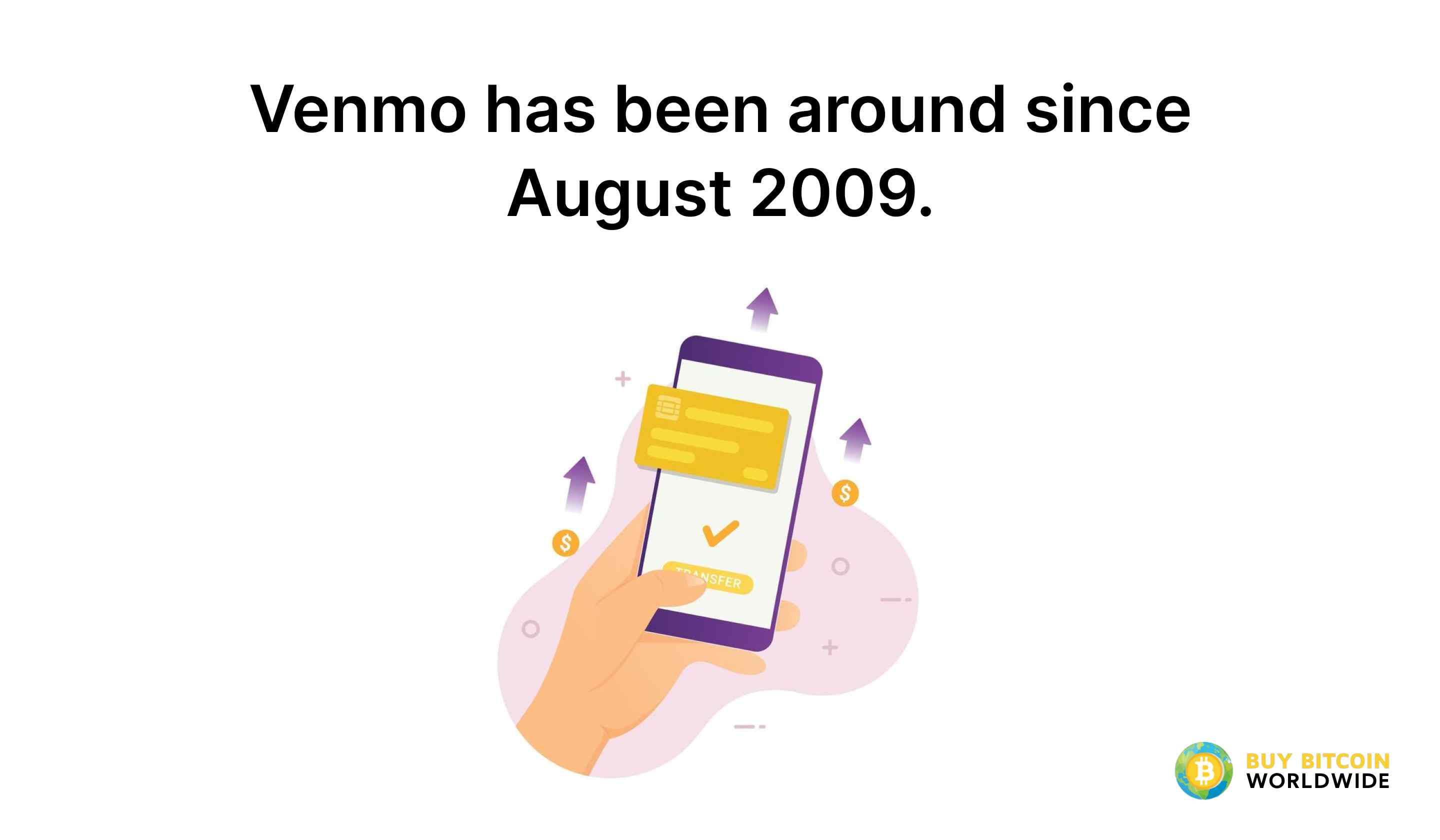
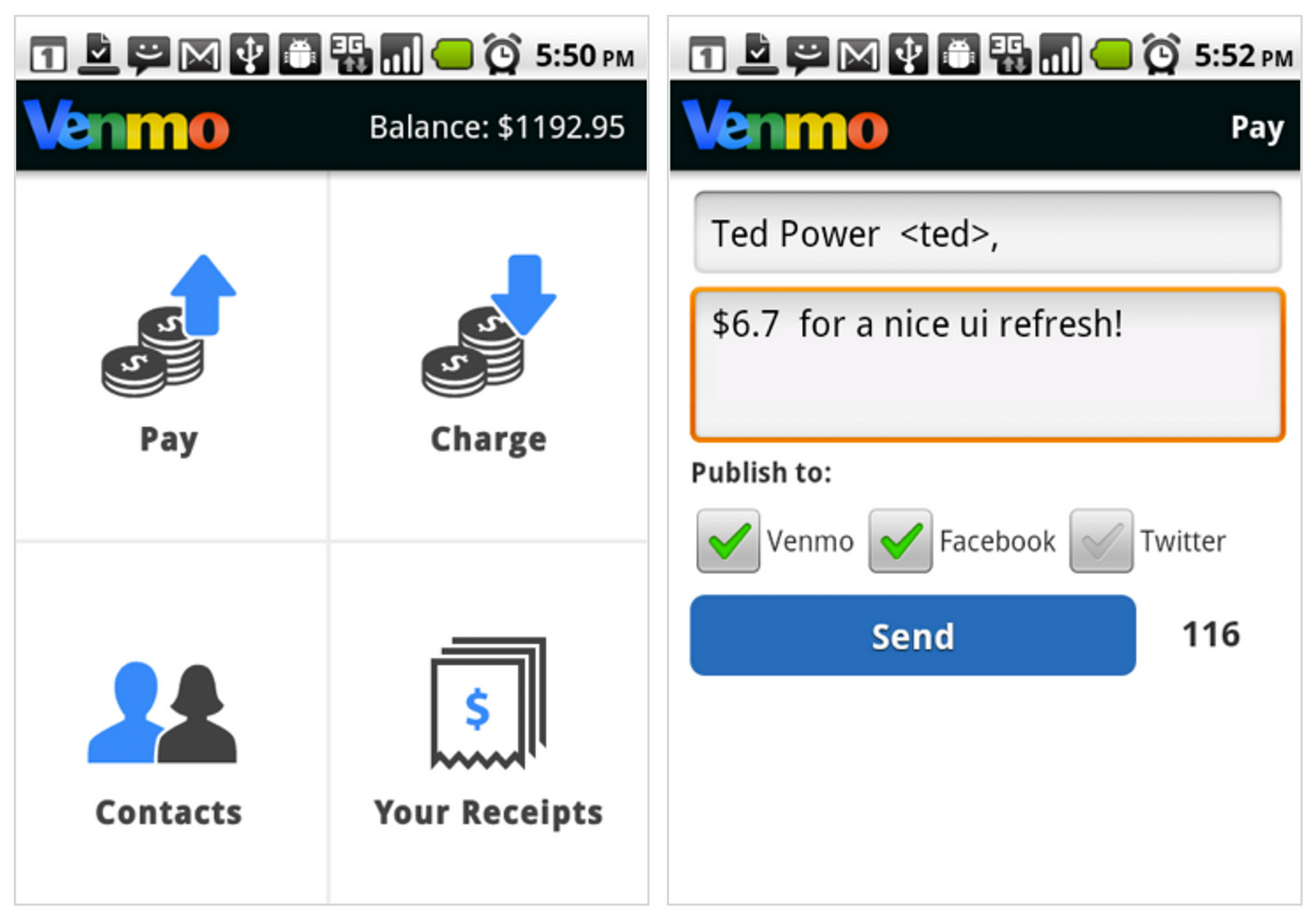
With this vision in mind, Kortina and Magdon-Ismail officially launched Venmo in 2009. Initially, the platform wasn’t the polished, social-first app we know today. Its early iteration was far more rudimentary, focusing purely on the core utility of sending money. The technology at the time was still catching up with their ambition. Smartphones were gaining traction, but the infrastructure for robust, secure, and instant mobile payments was nascent. They began by integrating with existing banking systems, abstracting away the complexities of routing numbers and account numbers into a user-friendly interface. The early user base grew organically, primarily through word-of-mouth among tech-savvy individuals and students who quickly grasped the convenience it offered. This initial period was crucial for refining the core technology, addressing early bugs, and building a foundation of trust with a small but growing user community.
Core Technological Principles of Early Venmo
The success of early Venmo was rooted in several key technological principles. First, simplicity of user interface (UI) was paramount. They understood that for mass adoption, the process had to be intuitive, requiring minimal steps to complete a transaction. Second, mobile-first design was central; unlike some services that adapted web experiences for mobile, Venmo was conceived and built for the smartphone environment, leveraging its native capabilities. Third, integration with existing financial infrastructure was critical. Instead of trying to reinvent the entire banking system, Venmo acted as an intelligent overlay, facilitating transactions between bank accounts and debit cards without requiring users to navigate traditional banking portals. Finally, an emphasis on speed and immediacy set it apart. While not always truly “instant” in its earliest days due to backend processing, the user perception of instant transfer was a powerful draw, contrasting sharply with the multi-day waits of traditional bank transfers. This blend of user-centric design and clever integration laid the groundwork for its future scalability and feature expansion.
Evolution and Strategic Acquisitions: Fueling Growth and Innovation
The journey from a promising startup to a dominant market player is rarely linear. For Venmo, a series of strategic decisions and technological integrations proved pivotal in accelerating its growth, expanding its capabilities, and securing its place in the digital payments ecosystem.
The Braintree Acquisition: Expanding Reach and Capabilities
A significant turning point for Venmo occurred in August 2012 when it was acquired by Braintree, a prominent payment gateway company. This acquisition was more than just a financial transaction; it was a strategic alignment that brought substantial technological benefits. Braintree specialized in providing payment solutions for businesses, allowing them to accept credit card payments, PayPal, and other digital payment methods through a single integration. By integrating Venmo into Braintree’s robust infrastructure, Venmo gained access to advanced security protocols, enhanced compliance mechanisms, and a more scalable backend capable of handling exponentially larger transaction volumes. This acquisition also exposed Venmo to a broader network of developers and businesses, laying the groundwork for future merchant integration functionalities. The expertise and resources of Braintree helped mature Venmo’s core technology, making it more resilient and feature-rich.
Becoming Part of the PayPal Ecosystem: Synergies and Scale
The narrative continued its rapid progression just over a year later. In September 2013, PayPal acquired Braintree for an estimated $800 million. As a result, Venmo became a subsidiary of PayPal, a global leader in online payments. This integration into the PayPal ecosystem was transformative. PayPal, with its decades of experience in online transactions, its vast user base, and its sophisticated fraud detection and security systems, provided an unparalleled foundation for Venmo’s continued expansion. The technological synergies were immense. Venmo could leverage PayPal’s global infrastructure, regulatory compliance expertise, and financial backing to accelerate its development, introduce new features, and significantly scale its operations without incurring the massive overhead of building everything from scratch. This strategic move solidified Venmo’s position, providing the resources necessary to transition from a niche P2P app to a mainstream payment method.
Enhancing the User Experience: Feature Rollouts and UI/UX Innovations
Under PayPal’s stewardship, Venmo continued to evolve its technological offerings and user experience. The period following these acquisitions saw a rapid rollout of new features designed to enhance convenience, security, and the social aspect of the app. Key technological advancements included:
- Debit Card Integration: Allowing users to link their debit cards directly, enabling faster transfers to and from bank accounts.
- Venmo Mastercard Debit Card: Introduced in 2018, this allowed users to spend their Venmo balance directly in physical stores and online, blurring the lines between a digital wallet and a traditional bank account.
- Direct Deposit: Enabling users to have their paychecks or government payments sent directly to their Venmo account, further cementing its role as a primary financial tool.
- Enhanced Security Features: Continuous improvements in encryption, multi-factor authentication, and fraud detection algorithms, leveraging PayPal’s industry-leading expertise to protect user funds and data.
- Iterative UI/UX Improvements: Regular updates to the app’s interface, incorporating user feedback, optimizing navigation, and enhancing visual appeal, ensuring that the app remained intuitive and engaging despite increasing complexity.
These technological enhancements were crucial in maintaining Venmo’s competitive edge and satisfying the growing demands of its expanding user base.
Venmo’s Technological Edge and Market Dominance
Venmo didn’t just facilitate transactions; it redefined the user experience of exchanging money. Its technological innovations weren’t solely about backend efficiency but also about creating a seamless, engaging, and trustworthy platform.
The Social Layer: Blending Finance with Network Dynamics
Perhaps the most distinctive technological feature that propelled Venmo into widespread adoption was its integration of a social feed. While often overlooked in a purely technical analysis, this was a brilliant application of network dynamics to a financial service. Each transaction, by default, included a brief description and emojis, which could be shared publicly, with friends, or kept private. This created a dynamic, real-time feed of financial interactions, transforming a typically private and transactional activity into a semi-public, social experience. From a technological standpoint, this required:
- Robust Data Structuring: To capture and display transaction details, user profiles, and comments efficiently.
- Privacy Controls: Granular settings to allow users to control the visibility of their transactions, a critical component for any socially integrated financial tool.
- Real-time Feed Generation: Algorithms to present a chronological and engaging stream of activity, similar to social media platforms.
This social layer, while optional, encouraged engagement, fostered a sense of community, and demystified financial transactions for a younger, digitally native audience. It was a technological gamble that paid off, differentiating Venmo significantly from more traditional P2P services.
Security Architecture and Trust in P2P Transactions
For any financial technology, security is paramount. Venmo, especially after joining the Braintree and PayPal families, significantly invested in a robust security architecture. Key components include:
- End-to-End Encryption: Protecting sensitive financial data during transit and at rest.
- Fraud Detection Systems: Leveraging advanced machine learning algorithms and PayPal’s extensive historical data to identify and flag suspicious transactions in real-time.
- Account Protection: Features like PIN protection, biometric login (fingerprint/Face ID), and multi-factor authentication to secure user accounts from unauthorized access.
- Compliance: Adherence to strict financial regulations and data protection standards (e.g., PCI DSS compliance for handling card data), which requires sophisticated technical controls and auditing.
Building and maintaining this level of security is a continuous technological challenge, requiring constant updates, threat monitoring, and rapid response capabilities. Venmo’s ability to instill trust in its users through transparent security measures has been a cornerstone of its market dominance.
Scalability and Performance: Handling Millions of Transactions
As Venmo’s user base exploded, the underlying technology had to scale dramatically. Processing millions of transactions daily, often with peak loads during common payment times (e.g., rent day, weekend outings), demands an exceptionally resilient and high-performance infrastructure. This includes:
- Distributed Systems: Leveraging cloud computing and distributed databases to handle data storage and processing across multiple servers, ensuring high availability and fault tolerance.
- Load Balancing: Distributing network traffic efficiently across servers to prevent bottlenecks and ensure consistent performance during high demand.
- Optimized Database Management: Employing advanced database technologies and indexing strategies to ensure rapid retrieval and storage of transaction data.
- API Management: Providing secure and efficient APIs for internal services and external integrations (e.g., linking banks, merchant payments).
The technical challenges of maintaining low latency and high throughput for such a critical service are immense. Venmo’s continuous investment in these areas ensures that its platform remains reliable and responsive, even as its user base and transaction volumes continue to grow.
Beyond P2P: Expanding the Technological Horizon
Venmo’s initial success was built on P2P payments, but its technological journey didn’t stop there. Recognizing the evolving needs of its users and the broader digital economy, Venmo strategically expanded its functionalities, leveraging its existing infrastructure and venturing into new technological frontiers.
Business Profiles and Merchant Integration
A significant evolution for Venmo was its move beyond purely personal transactions to enable business profiles and merchant payments. This required a substantial technological overhaul to support:
- Payment Processing for Businesses: Adapting its system to handle commercial transactions, including sales taxes, refunds, and detailed transaction reporting for accounting purposes.
- QR Code Payments: Implementing secure QR code generation and scanning capabilities for in-store payments, reducing friction at the point of sale.
- Integration with Point-of-Sale (POS) Systems: Developing APIs and SDKs to allow businesses to integrate Venmo as a payment option within their existing POS hardware and software.
- Enhanced Reporting and Analytics: Providing businesses with tools to track sales, customer behavior, and transaction trends, leveraging data analytics to offer valuable insights.
This expansion opened up new revenue streams for Venmo and cemented its position as a versatile payment platform capable of supporting both casual and commercial exchanges.
Cryptocurrency Capabilities: Embracing Emerging Tech
In a nod to the rapidly evolving financial landscape, Venmo made a significant technological leap by integrating cryptocurrency trading capabilities in 2021. This move demonstrated its commitment to staying at the forefront of financial technology. Implementing crypto trading required:
- Secure Wallet Infrastructure: Developing and integrating secure digital wallets for holding various cryptocurrencies (e.g., Bitcoin, Ethereum, Litecoin, Bitcoin Cash).
- Real-time Market Data Integration: Connecting to cryptocurrency exchanges to provide users with up-to-the-minute pricing and market information.
- Regulatory Compliance for Crypto: Navigating the complex and evolving regulatory environment surrounding digital assets, ensuring compliance with anti-money laundering (AML) and know-your-customer (KYC) requirements.
- User Interface for Trading: Designing an intuitive interface within the existing app that allows users to buy, sell, and hold cryptocurrencies without needing advanced knowledge of blockchain technology.
By integrating crypto, Venmo positioned itself as a modern financial tool, appealing to a younger demographic interested in emerging asset classes while simplifying access to a traditionally complex market.
Future-Proofing Venmo: AI, Analytics, and User-Centric Development
Looking ahead, Venmo’s technological trajectory is likely to focus on further enhancing personalization, security, and convenience through advanced technologies.
- Artificial Intelligence (AI) and Machine Learning (ML): Expect increased use of AI for enhanced fraud detection, personalized financial insights, intelligent budgeting tools, and predictive analytics to anticipate user needs.
- Advanced Analytics: Leveraging vast amounts of transaction data to understand user behavior, optimize features, and inform strategic decisions, all while maintaining rigorous data privacy standards.
- Voice and Conversational Interfaces: Exploring integrations with voice assistants and chatbots to offer even more seamless ways to send money or check balances.
- Hyper-Personalization: Tailoring the app experience, offers, and financial advice to individual users based on their spending habits and financial goals.
The continuous cycle of user feedback, data analysis, and agile development will drive Venmo’s future innovations, ensuring it remains relevant in a rapidly changing technological landscape.
The Enduring Legacy and Future Trajectory
Venmo’s journey from a solution for a forgotten wallet to a payments behemoth illustrates the power of technological innovation guided by a deep understanding of human behavior. Its origins are firmly rooted in 2009, a time when the mobile revolution was gaining momentum, and its evolution has been a testament to continuous adaptation and strategic technological integration.
Redefining Digital Payments: A Cultural and Technological Shift
Venmo didn’t just introduce a new app; it fostered a cultural shift. By making P2P payments instant, social, and mobile-first, it transformed how a generation interacts with money. Technologically, it proved that financial tools could be both robust and enjoyable to use. It set a new standard for user experience in fintech, influencing countless other applications that followed. Its legacy is not just in its transaction volume but in its ability to make finance feel less intimidating and more integrated into everyday life.
Navigating the Competitive Landscape with Continuous Innovation
The P2P payments space is now crowded with competitors, from established banks to new fintech startups. However, Venmo’s early lead, strong brand recognition, and continuous technological innovation, especially under the PayPal umbrella, have allowed it to maintain a significant market share. Its future trajectory will depend on its ability to keep pace with emerging technologies, anticipate user needs, and continually enhance its security and feature set. As digital financial tools become even more sophisticated, Venmo’s commitment to user-centric design, robust security, and seamless integration of new functionalities will be key to its continued success as a leading force in the digital payments revolution.
aViewFromTheCave is a participant in the Amazon Services LLC Associates Program, an affiliate advertising program designed to provide a means for sites to earn advertising fees by advertising and linking to Amazon.com. Amazon, the Amazon logo, AmazonSupply, and the AmazonSupply logo are trademarks of Amazon.com, Inc. or its affiliates. As an Amazon Associate we earn affiliate commissions from qualifying purchases.