
The Strategic Launch of “Spirit: Stallion of the Cimarron”
The animated feature film “Spirit: Stallion of the Cimarron” premiered on May 24, 2002, in the United States. This release date was not merely a point on a calendar but a carefully considered strategic decision by DreamWorks Animation, aimed at maximizing the film’s impact and establishing its unique brand identity within a competitive market. The timing, positioning, and overall marketing campaign surrounding this launch were critical in defining how “Spirit” would be perceived by audiences and critics alike, laying the groundwork for its eventual legacy as a distinct entry in the animation canon.
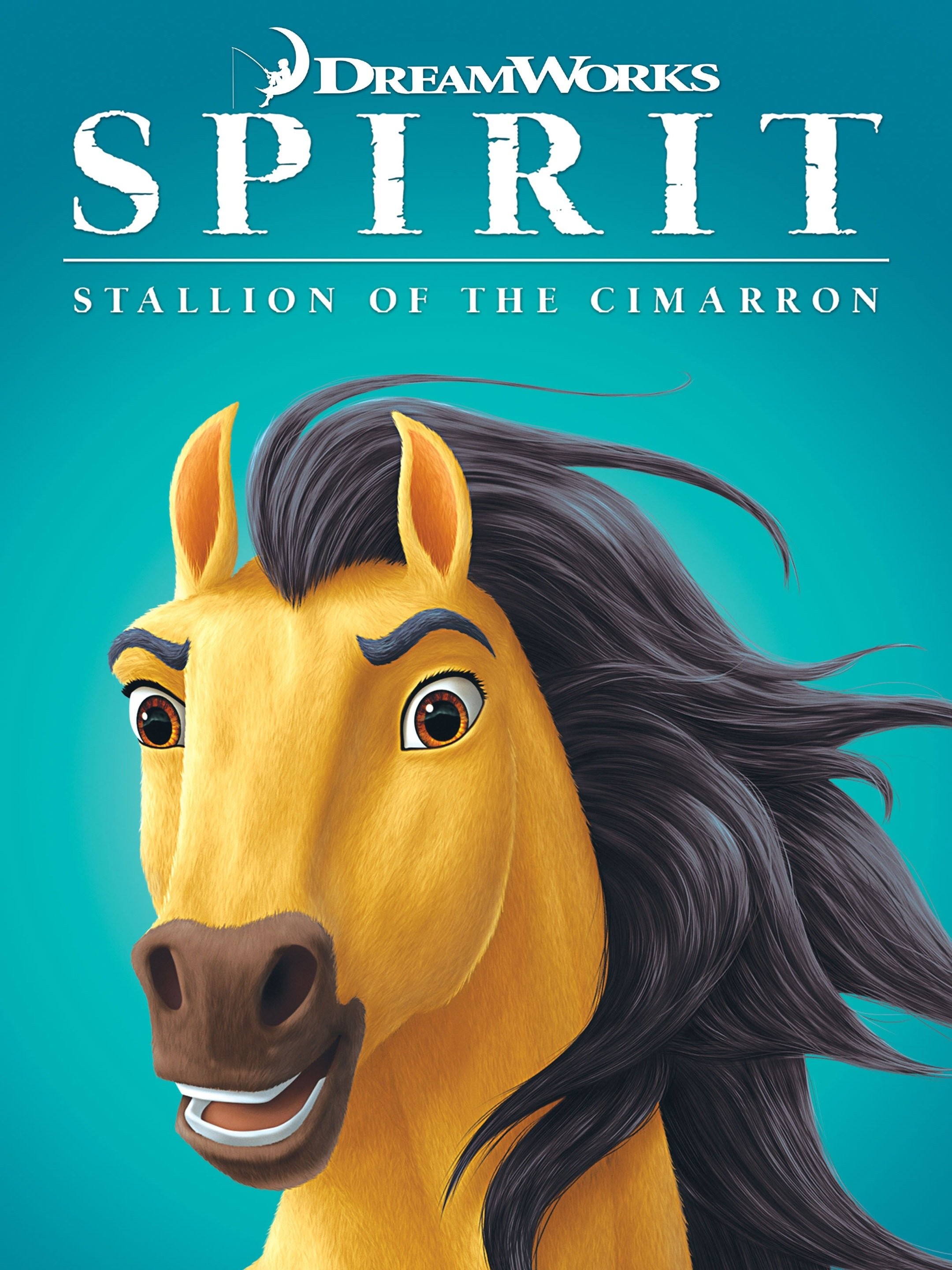
Unpacking the 2002 Release Date
The choice of late May for the theatrical release placed “Spirit: Stallion of the Cimarron” squarely within the burgeoning summer blockbuster season. This period is traditionally characterized by high audience turnout, particularly from families and younger demographics, making it an opportune window for animated films. However, it also meant contending with a crowded field of high-profile releases. In 2002, “Spirit” launched just weeks after major live-action productions like Star Wars: Episode II – Attack of the Clones and Spider-Man, and slightly before other animated features that would follow later in the summer. This required a clear differentiation strategy to ensure the film did not get lost in the shuffle. DreamWorks aimed to capitalize on the holiday weekend (Memorial Day) following its release, a common tactic for boosting opening weekend numbers and generating early buzz. The film’s pre-release marketing highlighted its distinctive hand-drawn animation style, epic scope, and mature themes, signaling a deviation from the more overtly comedic animated fare often seen during this period, thus carving out a specific niche for its brand.
DreamWorks Animation’s Brand Vision for Spirit
At the turn of the millennium, DreamWorks Animation was actively defining its brand identity, often positioned as an edgier, more contemporary alternative to the traditional Disney animation studio. While films like “Shrek” (released just a year prior) exemplified their comedic, pop-culture-infused approach, “Spirit: Stallion of the Cimarron” presented an opportunity to showcase another facet of their brand: a commitment to artistic integrity, serious storytelling, and innovative animation techniques. The vision for “Spirit” was to create an animated epic that transcended typical children’s entertainment, appealing to a broader audience through its dramatic narrative, breathtaking visuals, and a compelling, non-verbal protagonist. This move was a deliberate attempt to diversify the DreamWorks brand portfolio, demonstrating their versatility and ability to produce films that were both critically acclaimed and commercially successful across different sub-genres of animation. The emphasis on realism in the horse animation, the use of a minimal human dialogue approach for the animals, and the majestic musical score were all integral components of this brand vision, intended to establish “Spirit” as a unique and memorable cinematic experience.
Crafting a Distinct Brand Identity
“Spirit: Stallion of the Cimarron” achieved a strong and distinct brand identity through several key creative decisions that set it apart from its contemporaries. The film’s brand was built not just on its narrative, but equally on its visual style, sound design, and thematic depth, all meticulously crafted to resonate with its target audience and establish a lasting impression.
Visual Storytelling and Artistic Direction
The visual brand of “Spirit” is arguably its most enduring attribute. In an era increasingly dominated by CGI, DreamWorks made a conscious decision to blend traditional hand-drawn animation for the animal characters with CGI for certain environments and complex camera movements. This hybrid approach allowed for the expressive, fluid animation of Spirit and his herd, imbued with a lifelike quality that resonated with audiences. The artistic direction championed sweeping landscapes, majestic natural environments, and dynamic action sequences, all rendered with a painterly aesthetic. The deliberate choice to use minimal dialogue for the animal characters meant that visual storytelling became paramount. Spirit’s emotions, struggles, and triumphs were conveyed through nuanced animation, body language, and powerful imagery. This commitment to visual purity and cinematic grandeur became a hallmark of the film’s brand, distinguishing it from animated films that relied heavily on dialogue or slapstick humor. It positioned “Spirit” as an animation brand focused on natural beauty, freedom, and the epic journey of self-discovery.
The Voice of Spirit: Narrator and Music as Brand Elements
Beyond the visuals, the sonic landscape of “Spirit” played a crucial role in shaping its brand. The decision to employ a celebrity narrator, Matt Damon, for Spirit’s inner thoughts and broader narrative framework was a strategic branding choice. Damon’s voice lent a gravitas and relatability to Spirit’s journey, making the stallion’s experience accessible and emotionally resonant for human audiences. This narration served as the bridge between the non-verbal animal world and the human understanding of their plight, without anthropomorphizing the horses in a way that might dilute the film’s realistic intent.
Equally significant was the film’s musical score, composed by Hans Zimmer, with songs performed by Bryan Adams. Zimmer’s score is an expansive, orchestral masterpiece that evokes the grandeur of the American West and the raw emotion of Spirit’s struggles. Bryan Adams’ contributions, particularly songs like “Here I Am (This Is Me)” and “I Will Always Return,” became integral to the film’s narrative and emotional arc. These songs were not merely background music; they advanced the plot, articulated Spirit’s feelings, and contributed significantly to the film’s emotional brand. The combination of Damon’s narration, Zimmer’s score, and Adams’ powerful vocals created a distinct audial brand for “Spirit,” imbuishing it with an epic, heartfelt, and adventurous spirit that resonated deeply with viewers and further cemented its unique identity.

Market Positioning and Audience Engagement
The release of “Spirit: Stallion of the Cimarron” was a calculated move within the animation industry, aiming to carve out a specific market position and engage a diverse audience. DreamWorks carefully crafted its marketing and distribution strategies to highlight the film’s unique attributes, ensuring it stood out in a crowded entertainment landscape.
Targeting Family Audiences and Beyond
From its inception, “Spirit” was designed to appeal to family audiences, a core demographic for animated films. However, DreamWorks sought to broaden this appeal by emphasizing themes that resonated beyond typical children’s fare. The film’s narrative, focusing on freedom, courage, the struggle against oppression, and the bond between humans and animals, possessed a universality that attracted older viewers as well. Marketing campaigns highlighted the film’s artistic merit and emotional depth, rather than solely its entertainment value for children. This strategy aimed to elevate “Spirit” above being just a “kids’ movie,” positioning it as a cinematic experience for all ages. By focusing on the epic nature of the story and the breathtaking animation, DreamWorks communicated that “Spirit” offered a substantive viewing experience, thus expanding its potential market reach to adolescents and adults who appreciated sophisticated storytelling in animation. This broad appeal helped secure its brand as a family-friendly film with artistic integrity.
Competitive Landscape and Niche Definition
In 2002, the animation industry was experiencing a significant shift, with CGI becoming increasingly dominant. DreamWorks itself had found immense success with “Shrek,” a computer-animated film that playfully subverted fairy tale tropes. “Spirit,” with its hybrid animation style and more earnest tone, was intentionally positioned to occupy a different niche. It sought to appeal to audiences who might appreciate the classic artistry of hand-drawn animation combined with modern techniques, offering an alternative to the prevailing trends.
The film’s focus on the American West, horses, and a narrative devoid of overt comedic relief differentiated it from the fantasy and anthropomorphic animal comedies prevalent at the time. This specific thematic and stylistic niche allowed “Spirit” to avoid direct competition with films that occupied more mainstream comedic territory. Instead, it carved out its own space as an adventurous, dramatic animated feature with educational undertones regarding American history and environmental respect. This strategic definition of its brand niche allowed “Spirit” to stand out, attract a dedicated fan base interested in its unique blend of artistry and storytelling, and cement its place as a distinctive offering in DreamWorks’ diverse brand portfolio.
The Enduring Brand Legacy
The impact of “Spirit: Stallion of the Cimarron” extends far beyond its initial release, demonstrating remarkable brand longevity and evolving into a multi-faceted media franchise. Its initial strategic launch and distinct identity laid the groundwork for a brand that continues to resonate with new generations.
Spin-offs, Sequels, and Continued Brand Evolution
The strength of the “Spirit” brand was such that it naturally led to expansion into other media. Nearly fifteen years after the original film, the brand saw a significant revival and evolution with the release of the animated Netflix series, “Spirit Riding Free,” which premiered in 2017. This series introduced new characters and narratives, maintaining the core themes of friendship, adventure, and the bond between girls and horses, but adapting them for a contemporary audience. The success of “Spirit Riding Free” demonstrated the brand’s adaptability and appeal to a younger, more diverse demographic, extending its reach far beyond the original film’s fan base.
This television series then paved the way for a direct cinematic sequel, “Spirit Untamed,” which was released in 2021. While “Spirit Untamed” utilized a different animation style (full CGI) and focused on characters introduced in “Spirit Riding Free,” it consciously drew upon the heritage and brand recognition of the original “Spirit: Stallion of the Cimarron.” These spin-offs and sequels illustrate a careful strategy of brand extension, leveraging the established goodwill and emotional connection audiences had with the original film’s themes and iconic imagery. They ensure the “Spirit” brand continues to evolve, remaining relevant and accessible to new audiences while honoring its roots.
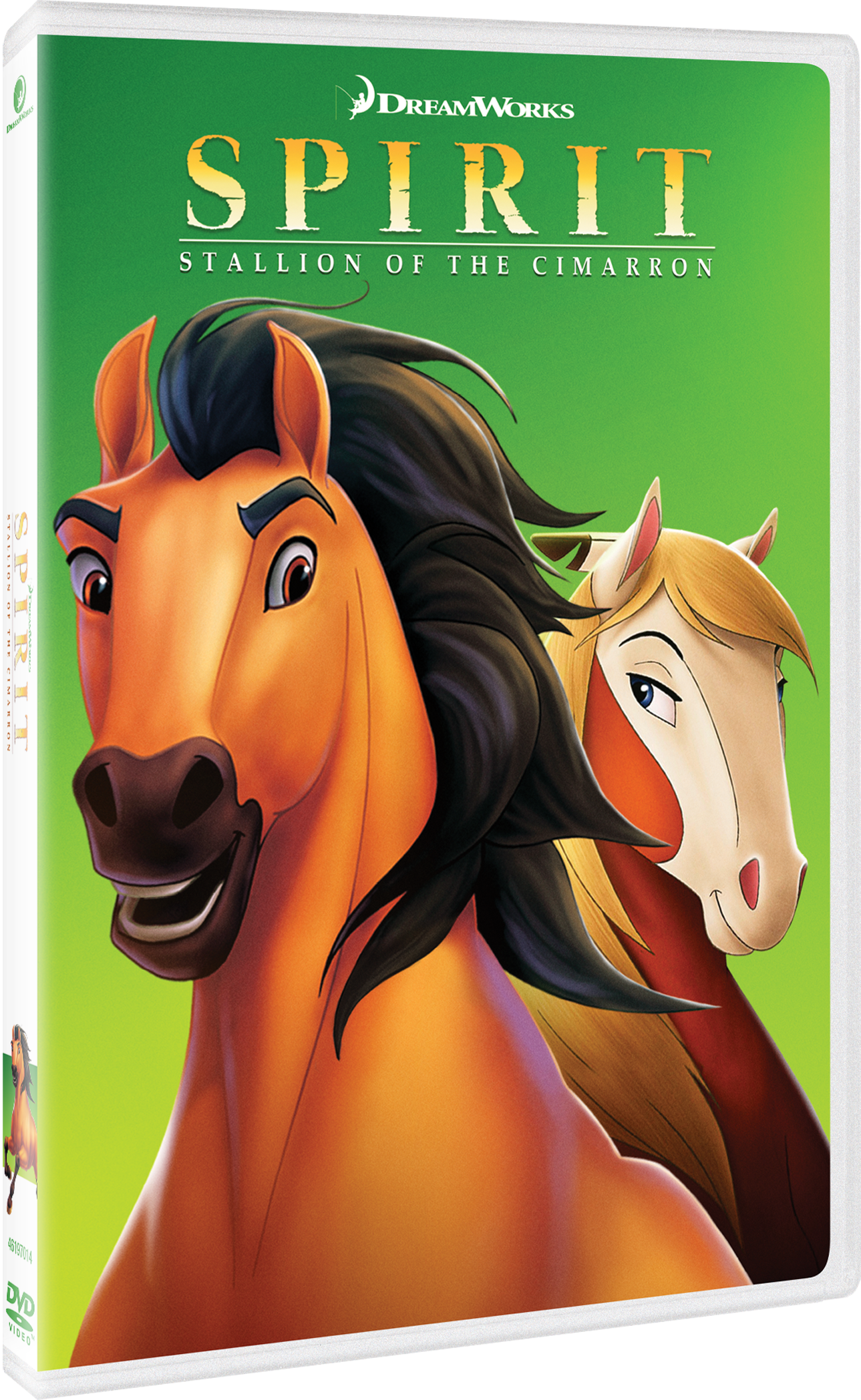
Cultural Impact and Long-Term Brand Equity
“Spirit: Stallion of the Cimarron” left a notable cultural footprint, particularly among horse enthusiasts and those who appreciate animation that champions natural beauty and heartfelt storytelling. The film’s authentic portrayal of horses and its celebration of wilderness and freedom struck a chord, cementing its status as a beloved classic within its niche. Its long-term brand equity is evident in its continued popularity on streaming platforms, its presence in merchandise, and its consistent discussion among animation aficionados.
The brand’s message of perseverance, the importance of freedom, and the power of silent understanding resonated deeply, contributing to its lasting appeal. For DreamWorks, “Spirit” reinforced its brand image as a studio capable of producing diverse animated content—from irreverent comedies to epic, dramatic narratives. The film’s enduring legacy is a testament to the effectiveness of its initial brand strategy: crafting a unique identity through artistic choices, strategic market positioning, and themes that transcend generations. “Spirit” remains a powerful brand symbol of animated artistry and an enduring tale of an untamed heart.
aViewFromTheCave is a participant in the Amazon Services LLC Associates Program, an affiliate advertising program designed to provide a means for sites to earn advertising fees by advertising and linking to Amazon.com. Amazon, the Amazon logo, AmazonSupply, and the AmazonSupply logo are trademarks of Amazon.com, Inc. or its affiliates. As an Amazon Associate we earn affiliate commissions from qualifying purchases.