
The practice of tipping is so deeply ingrained in American culture that it often feels like a natural law of the service economy. However, the taxation of those tips has a complex, contentious, and relatively modern history. For decades, the financial relationship between service workers, employers, and the Internal Revenue Service (IRS) was a murky landscape of “honor system” reporting and vague definitions. As we navigate a modern economy where digital payments leave a permanent paper trail, understanding the evolution of tip taxation is essential for anyone interested in personal finance, business compliance, or economic policy.

To answer the question of when tax on tips started, we have to look back over a century to the inception of the federal income tax, while recognizing that the rigorous enforcement and reporting structures we see today didn’t fully materialize until the 1960s and 1980s.
The Roots of Tipping and the Dawn of Modern Taxation
Before we can address the tax code, we must understand the cultural origin of the tip itself. Tipping was imported to the United States from Europe in the late 19th century. Initially, it was met with fierce resistance; many Americans viewed it as an aristocratic custom that fostered a master-servant dynamic incompatible with democratic values. Six states even briefly banned tipping in the early 20th century.
However, the custom endured, largely because it allowed employers—particularly in the hospitality and rail industries—to shift the burden of labor costs directly onto the consumer. This shift set the stage for a massive legal question: Was a tip a “gift” from a grateful customer, or was it “earned income” for services rendered?
The 16th Amendment and the Definition of Income
The formal taxation of tips technically began with the ratification of the 16th Amendment in 1913, which gave Congress the power to lay and collect taxes on incomes “from whatever source derived.” Under this broad definition, tips were legally considered taxable income from the very beginning.
However, in those early decades, the IRS had very little infrastructure to track cash transactions. For the first half of the 20th century, tip reporting was largely left to the integrity of the individual worker. Because tips were handed directly from the customer to the server in cash, the government had no reliable way to verify the amounts. Consequently, while tips were legally taxable, they were practically untaxed for a significant portion of the workforce for nearly fifty years.
The Shift from “Gift” to “Compensation”
Throughout the 1920s and 30s, legal challenges occasionally arose regarding whether tips should be included in the calculation of a worker’s “wages” for purposes of the newly created minimum wage laws and social programs. The courts and the government eventually solidified the view that tips were not gifts of personal affection, but rather a direct result of the employment relationship. This distinction was crucial: if a tip is compensation for service, it is subject to the same tax obligations as a standard hourly wage.
The 1960s: Bringing Tips into the Social Security System
The most significant turning point in the history of tip taxation occurred in 1965. This was the year the federal government moved beyond the theoretical “all income is taxable” stance and implemented the first real reporting requirements.
The 1965 Social Security Amendments
As part of the Social Security Amendments of 1965, Congress mandated that employees must report cash tips to their employers if those tips exceeded $20 in any given month. This was a landmark change for two reasons. First, it forced the employer into the role of a middleman for the IRS. Second, it brought tipped income into the Social Security and Medicare systems (FICA).
For the first time, workers were required to keep a daily record of their tips and provide a written statement to their boss by the 10th day of the following month. This wasn’t just about collecting more tax revenue; it was also presented as a benefit to the worker. By reporting tips as income, service workers could build a higher “average indexed monthly earnings” record, which would eventually lead to larger Social Security checks upon retirement and better disability coverage.
The Challenge of Compliance
Despite the 1965 mandate, compliance remained notoriously low. The “honor system” was still the primary mechanism for reporting. Many servers reported only enough to meet the minimum wage requirements, or reported nothing at all, knowing that the IRS lacked the resources to audit millions of individual waitstaff. This created a significant “tax gap”—the difference between what the government was owed and what it actually collected—which eventually led to the more aggressive reforms of the 1980s.
1982: The Year Tipping Regulations Got Teeth
If 1965 was the year the rules were written, 1982 was the year they were enforced. The Tax Equity and Fiscal Responsibility Act of 1982 (TEFRA) changed the hospitality industry forever. Facing a ballooning federal deficit, the Reagan administration and Congress looked for ways to tighten tax compliance, and tipped workers were a primary target.
TEFRA and the 8% Rule
TEFRA introduced the concept of “allocated tips.” The law required large food and beverage establishments (those with more than 10 employees) to ensure that the total amount of tips reported by their staff equaled at least 8% of the establishment’s total gross receipts.
If the employees as a group reported less than 8%, the employer was required to “allocate” the difference among the employees and report that figure to the IRS. This effectively created a floor for tipped income. It sent a clear message to the service industry: the government assumed that people were tipping, and if the staff didn’t report it, the government would estimate it for them.
Employer Reporting Responsibilities
TEFRA also ramped up the paperwork. Employers were required to file Form 8027, an annual report of their gross receipts and the tips reported by their employees. This turned restaurant owners into reluctant auditors of their own staff. It also led to the “FICA Tip Credit” (Section 45B of the Internal Revenue Code), which allowed employers to claim a tax credit for the Social Security and Medicare taxes they paid on their employees’ tips, mitigating the financial burden the new reporting rules placed on small businesses.
The Digital Age and Modern Tax Enforcement
The landscape of tip taxation shifted again with the technological revolution of the late 1990s and 2000s. The decline of cash and the rise of credit card transactions fundamentally changed the visibility of tipped income.
The Impact of Electronic Payments
When a customer leaves a tip on a credit card, the transaction is recorded instantly in the merchant’s Point of Sale (POS) system. This has made the old “honor system” of the 1950s obsolete. Today, the IRS can easily reconcile a business’s total sales with the tips recorded through electronic payments. For most modern service workers, nearly 100% of their tipped income is documented and taxed before they even receive their paycheck.
This transparency has led to a significant increase in tax revenue from the service sector, but it has also increased the complexity of personal finance for workers. Withholding for federal income tax, state tax, and FICA is often calculated based on the combined total of the hourly wage and the credit card tips, sometimes resulting in “zero-dollar paychecks” where the entire hourly wage is consumed by the tax obligations of the tips.
Voluntary Compliance Agreements
In an effort to avoid the heavy-handed audits of the TEFRA era, the IRS introduced voluntary compliance programs in the 1990s and 2000s, such as the Tip Reporting Alternative Commitment (TRAC) and the Tip Rate Determination Agreement (TRDA). These programs allow businesses to agree to certain reporting and education standards in exchange for protection from retroactive audits. These agreements further institutionalized the expectation that every dollar tipped is a dollar taxed.
The Future of Tipped Income: Policy Debates and Financial Planning
Today, the question of “when did tax on tips start” is being replaced by a new question: “Should we stop taxing tips?”
The “No Tax on Tips” Movement
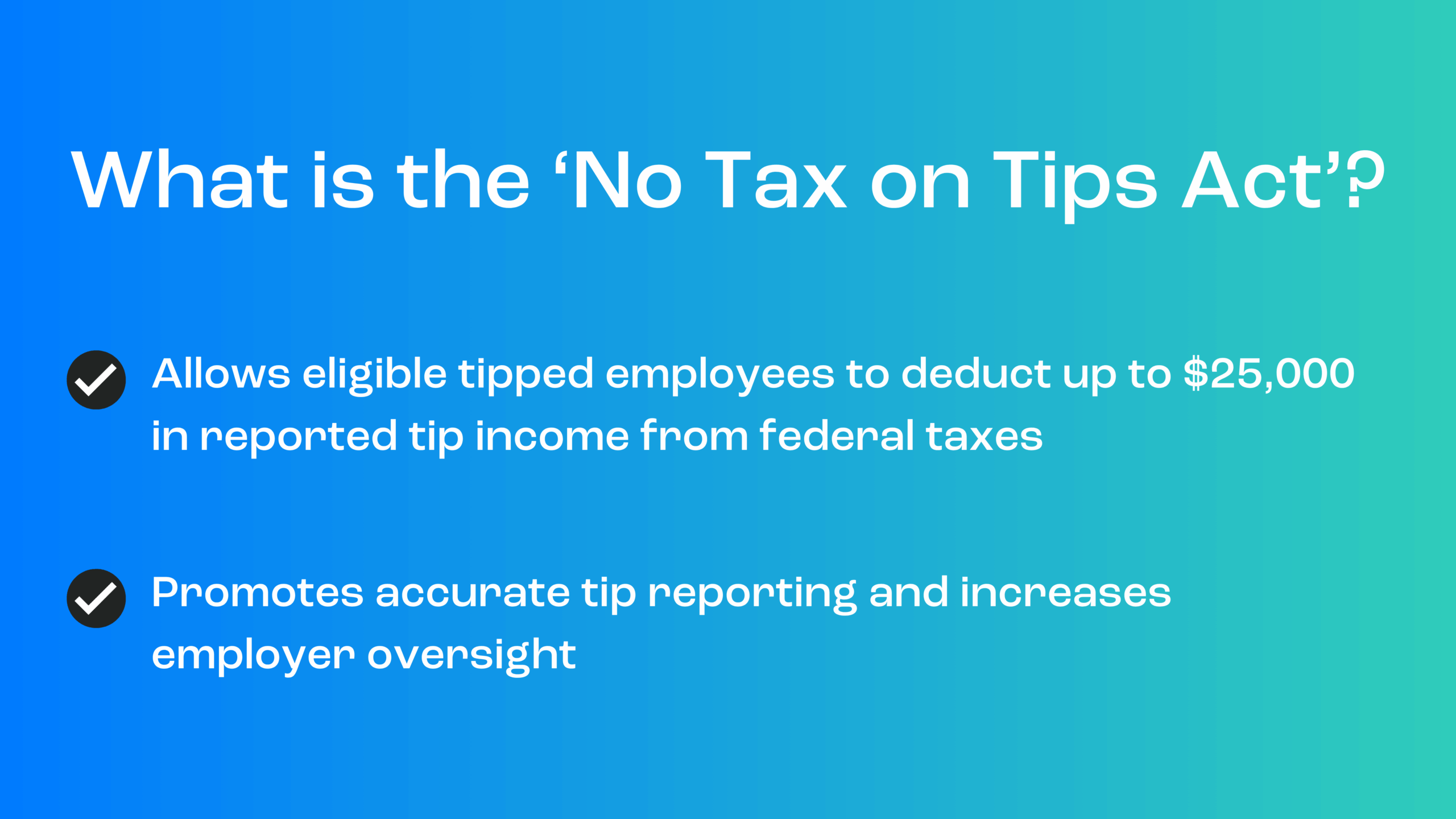
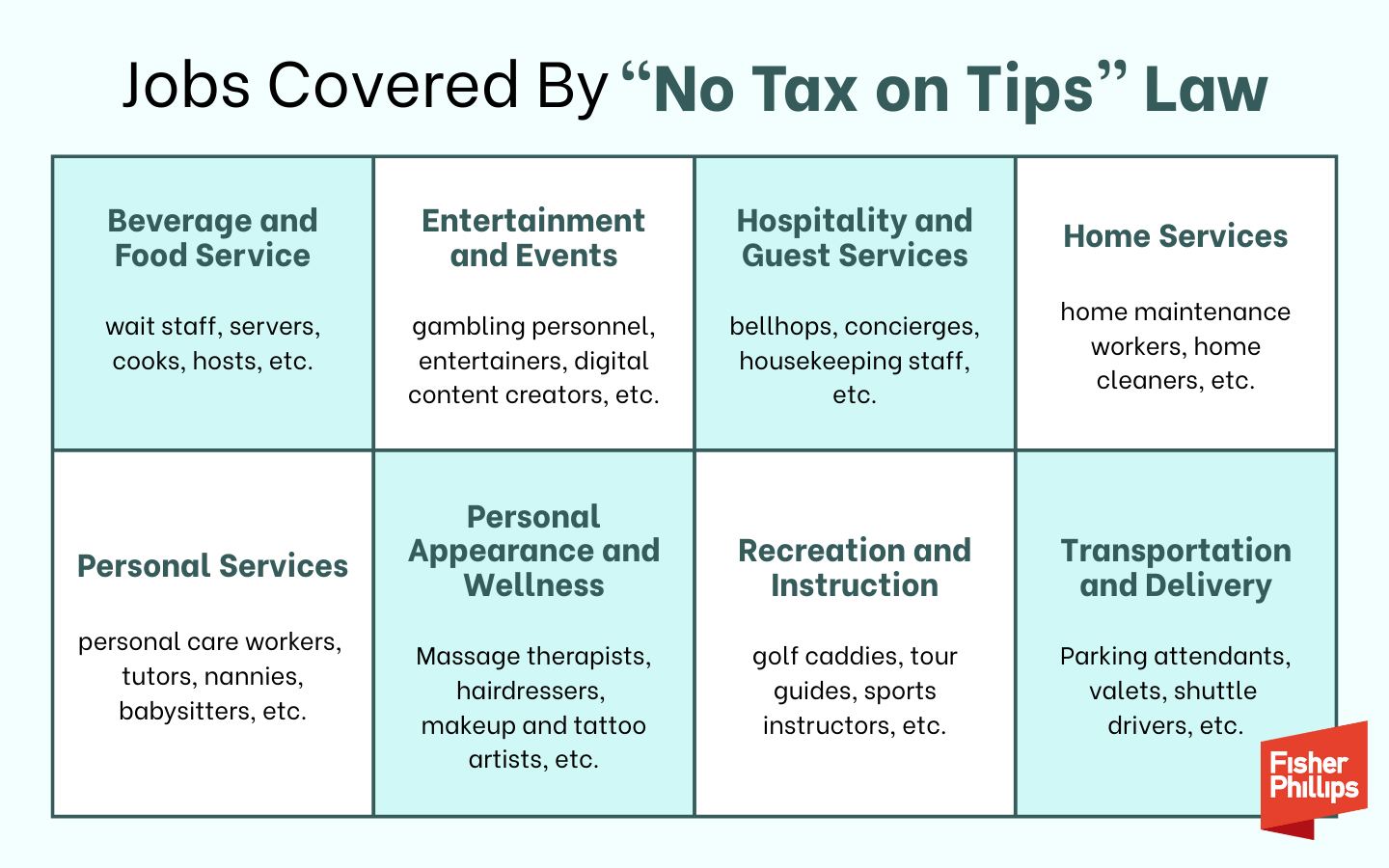
In recent political cycles, the idea of eliminating federal income tax on tipped income has gained traction across the political spectrum. Proponents argue that it would provide an immediate boost to the take-home pay of millions of low-to-middle-income workers and simplify a notoriously complex part of the tax code.
However, from a financial and economic perspective, this proposal raises significant concerns. Critics point out that it could lead to “tax arbitrage,” where workers in other industries demand to be reclassified as tipped employees to avoid taxes. Furthermore, since Social Security benefits are based on taxed income, eliminating taxes on tips could inadvertently lower the future retirement security of service workers unless the policy specifically addresses FICA contributions.
Long-term Financial Implications for Workers
For the individual worker, the history of tip taxation is a reminder of the importance of financial literacy. Because tipped income can be volatile, understanding how it is taxed is vital for budgeting and tax planning. Tipped workers must be aware of:
-
Estimated Tax Payments: If a worker receives a high volume of cash tips that aren’t fully covered by paycheck withholdings, they may owe the IRS at the end of the year or even face underpayment penalties.
-
Credit Power: Consistently reporting tips is essential for workers looking to qualify for mortgages or car loans. Lenders look at documented income, not “under the table” cash.
-
Retirement Planning: Because tipped workers often have lower base salaries, they must be proactive about contributing to IRAs or other retirement vehicles to supplement their Social Security.
The history of taxing tips is a journey from total invisibility to total transparency. What started as a vague mandate in 1913 evolved into a structured system of reporting in 1965 and a high-stakes enforcement regime in 1982. Today, as we move toward a cashless society, the “tax on tips” is an unavoidable reality of the service economy, shaping the financial lives of millions and remaining a central pillar of the American tax debate.
aViewFromTheCave is a participant in the Amazon Services LLC Associates Program, an affiliate advertising program designed to provide a means for sites to earn advertising fees by advertising and linking to Amazon.com. Amazon, the Amazon logo, AmazonSupply, and the AmazonSupply logo are trademarks of Amazon.com, Inc. or its affiliates. As an Amazon Associate we earn affiliate commissions from qualifying purchases.