
The question “When did Elon Musk buy Tesla?” is frequently asked, yet it contains a common misconception. Unlike a traditional acquisition where one entity purchases another outright, Elon Musk did not “buy” Tesla in a singular, definitive transaction. Instead, his relationship with Tesla began as an early, pivotal investor who subsequently took on a leadership role, fundamentally shaping the company’s financial and operational destiny. To understand Musk’s entry into Tesla is to trace a fascinating narrative of high-stakes investment, near-bankruptcy, strategic capital raises, and an unprecedented surge in market valuation, all firmly rooted in the realm of finance and investment.
This article will delve into the financial journey of Elon Musk and Tesla, exploring the initial capital infusions, the critical periods of financial distress, the innovative funding strategies employed, and the immense wealth generation that followed. We will analyze the pivotal moments from a purely financial perspective, highlighting how investment, capital allocation, and market dynamics transformed a nascent startup into one of the world’s most valuable companies under Musk’s unique stewardship.
The Formative Investment: Elon Musk’s Entry into Tesla’s Financial Orbit
Elon Musk’s involvement with Tesla began not as an acquisition, but as a strategic investment at a critical juncture in the company’s nascent history. His decision to inject substantial capital not only provided a lifeline but also set the stage for his eventual deep operational involvement, fundamentally altering Tesla’s financial trajectory.
Initial Capital Infusion and Vision Alignment
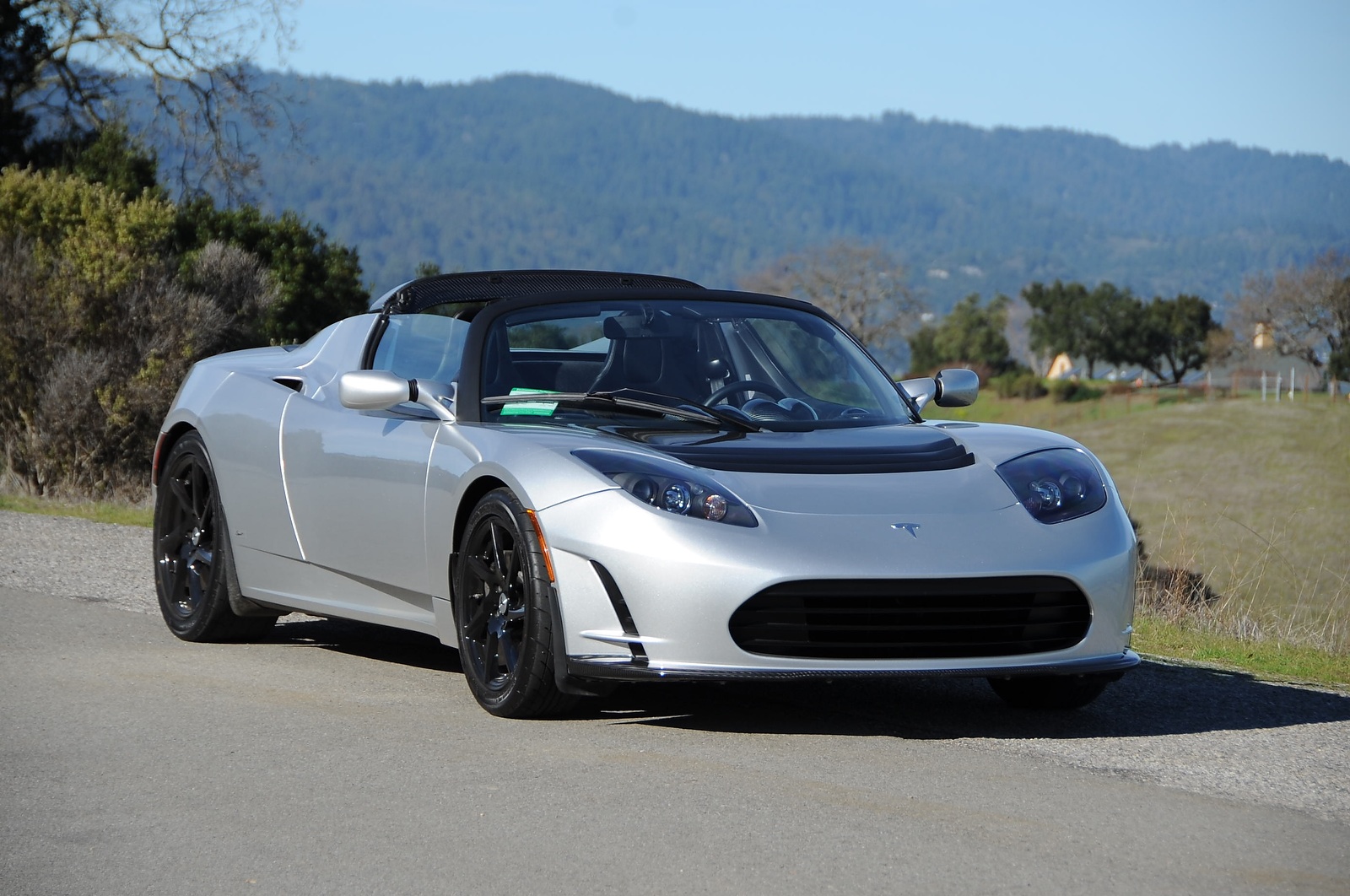
The year was 2004. Tesla Motors had been founded in July 2003 by Martin Eberhard and Marc Tarpenning. By February 2004, the company was seeking Series A funding to develop its groundbreaking electric sports car, the Roadster. It was at this point that Elon Musk, fresh from his success with PayPal, invested $6.5 million into the company. This investment represented the vast majority of Tesla’s $7.5 million Series A round, making him the single largest shareholder and effectively the primary financial backer.
Musk’s motivation for this significant investment was deeply rooted in his vision for a sustainable future, aligning his personal financial resources with his long-held belief in electric vehicles and renewable energy. It was a calculated financial risk, but one driven by a profound conviction in the market potential of zero-emission transportation. His investment was not merely a passive financial stake; it immediately granted him a seat on the board of directors and the position of Chairman, indicating a more engaged role from the outset than a typical early-stage investor. This initial capital was crucial for moving the Roadster project forward, covering critical R&D, design, and early manufacturing expenses that would otherwise have been insurmountable for a startup of its kind.
From Investor to Leadership: Consolidating Financial Control
While Musk was the Chairman and a significant investor from 2004, his direct operational control over Tesla was not immediate. The company continued to face significant financial and production challenges in its early years, typical for any hardware startup venturing into a capital-intensive industry. By 2007, mounting financial pressures and internal disagreements regarding the production timeline and cost of the Roadster led to a change in leadership.
In October 2008, after a tumultuous period characterized by missed deadlines, cost overruns, and a dwindling cash reserve, Elon Musk took over as CEO and product architect. This transition was not a fresh “buyout” but rather a consolidation of financial and operational control by the company’s largest investor. Faced with the stark reality of potential bankruptcy, Musk leveraged his financial stake and his personal commitment to the company’s survival. He stepped in to steer the ship, recognizing that his substantial financial investment—and indeed, his vision for the future—was on the line. This move was a critical financial decision, signaling to other investors and the market that the primary financier was now fully accountable for the company’s economic performance and viability. It underscored that Musk’s relationship with Tesla was not just one of an owner, but of a financial steward willing to take direct action to protect and grow his investment.
Navigating the Financial Crucible: Tesla’s Early Years and Capital Raising
Tesla’s journey from a startup with a visionary product to a publicly traded company was fraught with financial peril. The company’s survival hinged on continuous and often desperate capital raising efforts, spearheaded by Elon Musk, which tested the limits of investor confidence and personal financial resilience.
The Brink of Bankruptcy: A Test of Financial Resolve
The period between 2008 and 2009 stands as the most precarious financial chapter in Tesla’s history. The global financial crisis hit just as Tesla was struggling to ramp up Roadster production and secure funding for its next vehicle, the Model S. The company was hemorrhaging cash, and its balance sheet was in dire straits. By late 2008, Tesla was weeks, if not days, away from bankruptcy. Elon Musk, already heavily invested, personally poured virtually all of his remaining liquid wealth into the company, taking out loans and committing tens of millions of his own funds to keep it afloat. This personal financial sacrifice was an extraordinary measure, demonstrating an unparalleled commitment that went far beyond that of a typical investor. It was a financial gamble that risked his entire fortune.
A crucial turning point came on Christmas Eve 2008 when Tesla managed to close a new internal funding round of approximately $40 million, largely bolstered by Musk’s own additional investment and securing matching funds from other investors. This last-ditch effort, combined with an agreement with Daimler for a strategic investment of around $50 million in 2009 for an equity stake and technology collaboration, pulled Tesla back from the precipice. Furthermore, the receipt of a $465 million loan from the U.S. Department of Energy (DOE) in June 2009 for advanced technology vehicle manufacturing was a monumental financial lifeline, providing the necessary capital to scale production and begin development of the Model S. These financial maneuvers were not about “buying” Tesla but about an almost continuous struggle for its financial survival through a series of complex funding rounds, debt financing, and strategic partnerships.
The IPO and Subsequent Funding Rounds: Fueling Growth
With the DOE loan secured and the Model S in development, Tesla’s financial footing became stable enough to pursue a public listing. On June 29, 2010, Tesla Motors had its initial public offering (IPO) on the NASDAQ exchange, raising approximately $226 million by offering 13.3 million shares at $17 each. This IPO was a landmark event, not just for Tesla but for the auto industry, marking the first U.S. automotive company IPO since Ford Motor Company in 1956. From a financial perspective, the IPO was transformative, providing a significant injection of growth capital and establishing a public market for Tesla’s shares, enabling future capital raises.

The IPO, however, was merely the beginning of Tesla’s insatiable demand for capital. Developing new models, building Gigafactories, expanding charging infrastructure, and investing in battery technology required colossal amounts of funding. Throughout the 2010s, Tesla frequently returned to the capital markets, conducting numerous secondary offerings of common stock and issuing convertible notes and bonds to raise billions of dollars. These fundraising efforts were critical for financing the construction of massive manufacturing facilities like Gigafactory Nevada and Gigafactory Shanghai, as well as funding the intensive research and development required for autonomous driving and advanced battery technology. Each capital raise, often led by Musk’s persuasive vision and backed by increasing investor confidence, was a strategic financial decision to fuel aggressive expansion and achieve economies of scale, vital for moving from a niche luxury manufacturer to a mass-market electric vehicle producer.
The Financial Landscape Transformed: Tesla’s Ascent to Market Dominance
Under Elon Musk’s guidance, Tesla transitioned from a financially precarious startup to an undisputed titan of the automotive and energy sectors. This transformation is best understood through the lens of its unprecedented market valuation growth and the strategic deployment of its capital.
Valuation Explosion: From Startup to Trillion-Dollar Enterprise
Perhaps the most compelling financial story of Tesla under Elon Musk is its meteoric rise in market capitalization. From its IPO valuation of under $2 billion, Tesla’s market cap soared into the hundreds of billions, eventually surpassing $1 trillion in late 2021. This incredible financial expansion made Tesla, at various points, more valuable than the combined worth of many legacy automakers. This valuation explosion was not merely a result of selling cars; it reflected a complex interplay of factors including groundbreaking technological innovation, brand prestige, strong investor belief in future growth, and speculative interest in disruptive technologies.
Musk’s ambitious pronouncements, coupled with actual product deliveries (Model S, 3, X, Y), continuous software updates, and the promise of full self-driving capabilities, fueled an extraordinary level of investor confidence and often, exuberance. The financial markets began to value Tesla not just as a car company, but as a technology and energy company with exponential growth potential. This re-rating was a testament to the market’s belief in Musk’s ability to execute on his long-term vision, generating a valuation that far exceeded traditional financial metrics based on current earnings or production volumes. This exponential growth in shareholder wealth is a direct outcome of Musk’s financial leadership and the market’s response to his strategic decisions.
Operationalizing Financial Scale: Gigafactories and Supply Chain Investment
The massive capital raised through public offerings and debt issuance was not simply accumulated; it was strategically deployed to build an unparalleled global manufacturing and supply chain ecosystem. The concept of “Gigafactories” – vast, integrated facilities designed for large-scale battery and vehicle production – became central to Tesla’s financial strategy. Investing billions into these facilities in Nevada, New York, Shanghai, Berlin, and Texas was a calculated risk aimed at achieving unprecedented economies of scale and vertical integration.
Financially, these investments were critical. By controlling more of its supply chain, particularly battery production, Tesla aimed to reduce costs, increase production efficiency, and mitigate supply chain risks. While initial capital expenditures were enormous and often led to periods of negative free cash flow, the long-term financial objective was to drive down the per-unit cost of electric vehicles, making them more affordable and accelerating mass adoption. This strategy, while capital-intensive, was crucial for unlocking profitability and generating sustained positive cash flow in later years. The financial health of Tesla became increasingly tied to its ability to efficiently build and operate these large-scale manufacturing hubs, turning theoretical market potential into tangible financial returns.
Elon Musk’s Enduring Financial Stake and Influence
Elon Musk’s relationship with Tesla transcends that of a mere investor; he is the company’s largest individual shareholder and its most influential figure, profoundly impacting its financial performance and strategic direction.
Shareholding Dynamics and Personal Wealth Creation
As of various public filings, Elon Musk remains Tesla’s largest individual shareholder. His exact percentage fluctuates due to stock option exercises, sales, and new grants, but he typically holds a significant double-digit percentage of the company’s outstanding shares. This substantial ownership means his personal wealth is intrinsically linked to Tesla’s stock performance. His compensation packages, particularly the historically unprecedented 2018 performance-based stock option award, were designed to align his financial incentives directly with massive increases in Tesla’s market capitalization and operational milestones. This agreement tied billions in potential earnings to a series of escalating financial and operational targets, providing a powerful financial impetus for his leadership.
The growth of Tesla’s stock has propelled Musk to become one of the wealthiest individuals globally. This immense wealth creation is a direct financial outcome of his early investment, continued leadership, and the market’s perception of Tesla’s future under his command. His shareholding also provides him with significant voting power, allowing him to exert substantial influence over corporate governance and strategic financial decisions, such as capital allocation, major investments, and even dividend policies (though Tesla has never paid a dividend, choosing to reinvest earnings for growth).

Strategic Financial Decisions and Future Trajectories
Elon Musk’s influence extends deeply into Tesla’s financial strategy. He has been the principal architect of its audacious growth plans, often requiring aggressive capital expenditure and novel approaches to fundraising. His strategic decisions have included everything from the bold investment in Gigafactories to the controversial acquisition of SolarCity in 2016, a move criticized by some investors for its financial implications and potential conflicts of interest, yet defended by Musk as a critical step towards a vertically integrated sustainable energy company.
Musk’s public communications also carry immense financial weight. His tweets, interviews, and public appearances frequently move Tesla’s stock price, impacting shareholder value, investor sentiment, and market liquidity. From announcing new product lines and production targets to commenting on financial market conditions or regulatory challenges, his words can result in significant fluctuations in the company’s valuation. This level of personal financial influence is almost unparalleled in the corporate world, making his leadership not just operational but also a central financial narrative for the company. The future financial trajectory of Tesla remains heavily reliant on Musk’s vision, his ability to attract and deploy capital effectively, and his ongoing capacity to maintain investor confidence in his ambitious, long-term financial and technological goals.
In conclusion, to ask “When did Elon Musk buy Tesla?” is to oversimplify a complex, multi-faceted financial journey. Elon Musk did not “buy” Tesla in a conventional sense. He was a critical early investor who provided essential seed capital in 2004, then stepped into a leadership role as CEO in 2008 to rescue the company from financial collapse. His tenure has been defined by a relentless pursuit of capital through innovative funding rounds, a landmark IPO, and numerous subsequent offerings, all aimed at financing an ambitious global expansion and technological revolution. His personal financial commitment, strategic decision-making, and unparalleled vision transformed Tesla from a cash-strapped startup into a multi-trillion-dollar financial powerhouse, indelibly linking his personal wealth and legacy to the company’s extraordinary financial saga.
aViewFromTheCave is a participant in the Amazon Services LLC Associates Program, an affiliate advertising program designed to provide a means for sites to earn advertising fees by advertising and linking to Amazon.com. Amazon, the Amazon logo, AmazonSupply, and the AmazonSupply logo are trademarks of Amazon.com, Inc. or its affiliates. As an Amazon Associate we earn affiliate commissions from qualifying purchases.