
The emergence of Bitcoin (BTC) stands as a pivotal moment in modern financial history, fundamentally reshaping perceptions of money, value, and investment. To understand “when did BTC come out” is to trace the genesis of a decentralized digital asset that has grown from an obscure online experiment into a global financial force, influencing everything from personal savings strategies to institutional investment portfolios.
The Genesis of a Financial Revolution
Bitcoin’s conceptual origins trace back to the depths of the 2008 global financial crisis, a period marked by widespread mistrust in traditional banking systems and centralized financial authorities. It was against this backdrop of economic turmoil that an anonymous entity, or group, known as Satoshi Nakamoto, introduced a radical idea that would forever alter the financial landscape.
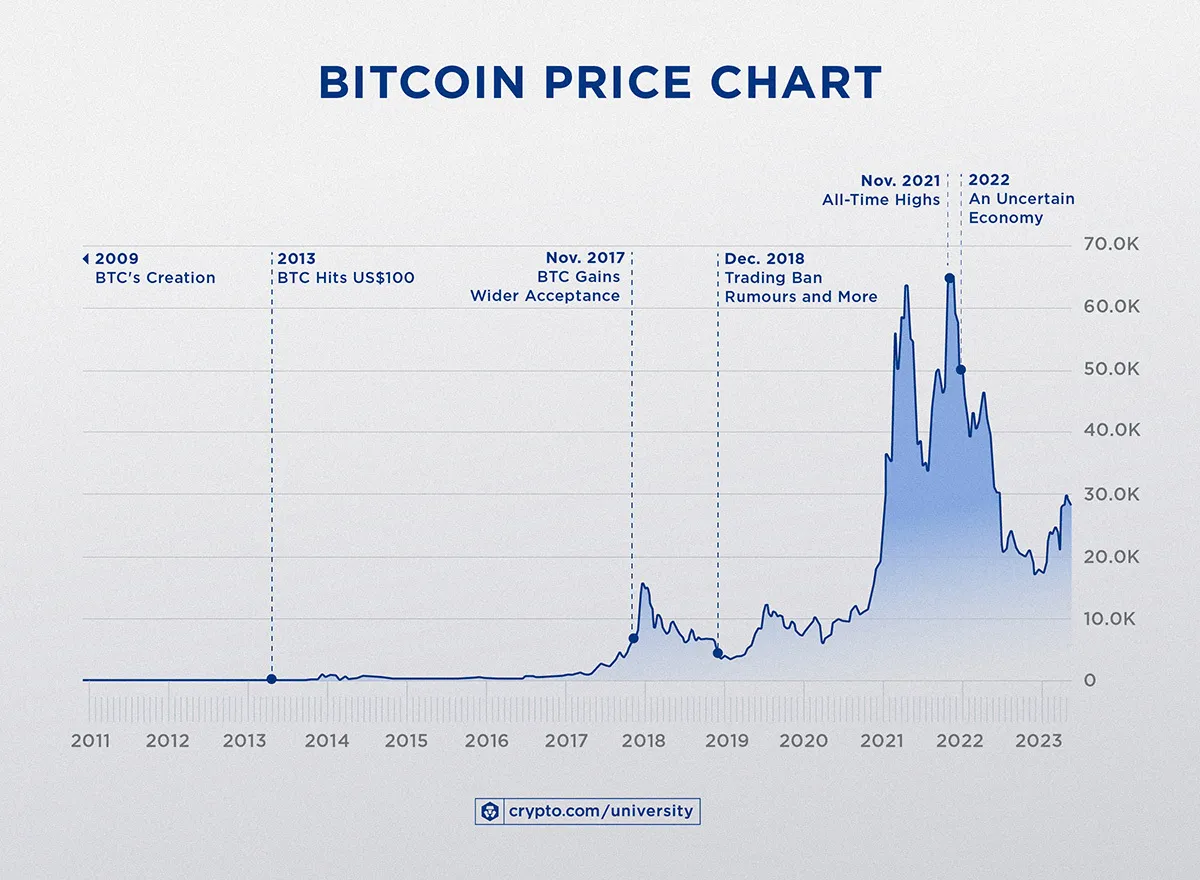
Satoshi Nakamoto’s Vision
Satoshi Nakamoto published the Bitcoin whitepaper, titled “Bitcoin: A Peer-to-Peer Electronic Cash System,” on October 31, 2008. This document wasn’t just a technical blueprint; it was a philosophical statement, proposing a solution to the inherent flaws of conventional finance: the need for intermediaries, the potential for inflation through central bank money printing, and the lack of individual control over monetary supply. Nakamoto envisioned a currency that was purely peer-to-peer, without the need for a central authority, allowing online payments to be sent directly from one party to another without going through a financial institution. This vision resonated deeply with cypherpunks and libertarians, but its financial implications were quickly recognized by a broader audience.
The Whitepaper’s Debut and Core Principles
The whitepaper outlined a cryptographic proof-of-work system for creating and verifying transactions, ensuring the integrity and security of the network. Key financial principles embedded in this original vision included:
- Fixed Supply: A predetermined and finite supply of 21 million Bitcoins, designed to prevent inflation and mimic the scarcity of precious metals like gold. This contrasts sharply with fiat currencies, which can be printed indefinitely by central banks.
- Decentralization: No single entity controls Bitcoin. Its network is maintained by a global community of users and miners, distributing power and resisting censorship or seizure. This offers an alternative to the centralized control seen in traditional banking.
- Transparency and Pseudonymity: While transactions are publicly recorded on the blockchain, the identities of the participants remain pseudonymous, linked only to wallet addresses. This provides a balance between financial accountability and privacy.
- Irreversibility: Once a Bitcoin transaction is confirmed on the blockchain, it cannot be reversed, offering finality similar to physical cash transactions but in a digital realm.
Early Doubts and Speculation
In its nascent stages, Bitcoin faced significant skepticism. Many economists and financial experts dismissed it as a fleeting curiosity, a niche interest for tech enthusiasts, or even a tool for illicit activities. The concept of a digital currency with no physical backing and no government guarantor seemed alien and risky to those accustomed to traditional monetary systems. However, for a small but growing cohort, the financial implications of a truly decentralized, scarce digital asset were profound, sparking early speculation about its potential as an investment and an alternative store of value.
From Idea to First Transaction: The Birth of a Digital Asset
While the whitepaper laid the theoretical groundwork, Bitcoin transitioned from an abstract concept to a tangible, albeit digital, financial asset through specific, verifiable events that cemented its existence.
The Genesis Block: January 3, 2009
The actual birth of the Bitcoin network occurred on January 3, 2009, when Satoshi Nakamoto mined the genesis block (Block 0) of the Bitcoin blockchain. This block contained the first 50 Bitcoins and a profound, indelible message embedded in its coinbase transaction: “The Times 03/Jan/2009 Chancellor on brink of second bailout for banks.” This message was a clear commentary on the prevailing financial climate and a direct nod to the motivations behind Bitcoin’s creation – a response to the systemic failures of traditional finance. This date marks the official launch of the Bitcoin network and the first instance of BTC coming into existence.
The First Bitcoin Transaction: May 22, 2010 (Bitcoin Pizza Day)
While the network was operational and Bitcoins were being mined throughout 2009, its real-world financial utility was demonstrated much later. The first documented commercial transaction using Bitcoin took place on May 22, 2010. A programmer named Laszlo Hanyecz famously paid 10,000 BTC for two Papa John’s pizzas. At the time, 10,000 Bitcoins were valued at approximately $41. This event, now celebrated annually as “Bitcoin Pizza Day,” was a critical milestone. It proved that Bitcoin could function as a medium of exchange, transitioning from a purely theoretical asset to one with transactional value, albeit humble at its outset. This transaction also provided the first public, market-derived valuation for Bitcoin, setting a precedent for its future price discovery.
Early Mining and Value Discovery
In the early days, mining Bitcoin required minimal computational power, typically a standard CPU. This made it accessible to many, fostering a community of early adopters who were rewarded with significant amounts of BTC. The value of these early Bitcoins was nominal. For months, Bitcoin traded primarily among a small group of enthusiasts, often valued in forums against arbitrary metrics or simply given away. The first exchange to facilitate Bitcoin trading, BitcoinMarket.com, launched in March 2010. By July 2010, the price of Bitcoin reached $0.08 per coin, slowly beginning its journey towards becoming a recognized financial asset. These initial years were crucial for establishing the network’s resilience, refining its code, and slowly building its initial financial ecosystem.
Bitcoin’s Ascendance: A New Era for Investing and Finance
From these humble beginnings, Bitcoin began its often tumultuous, yet ultimately transformative, journey into the mainstream financial consciousness. Its trajectory has been marked by extreme volatility, but also by unprecedented growth and increasing legitimacy as a novel investment vehicle.
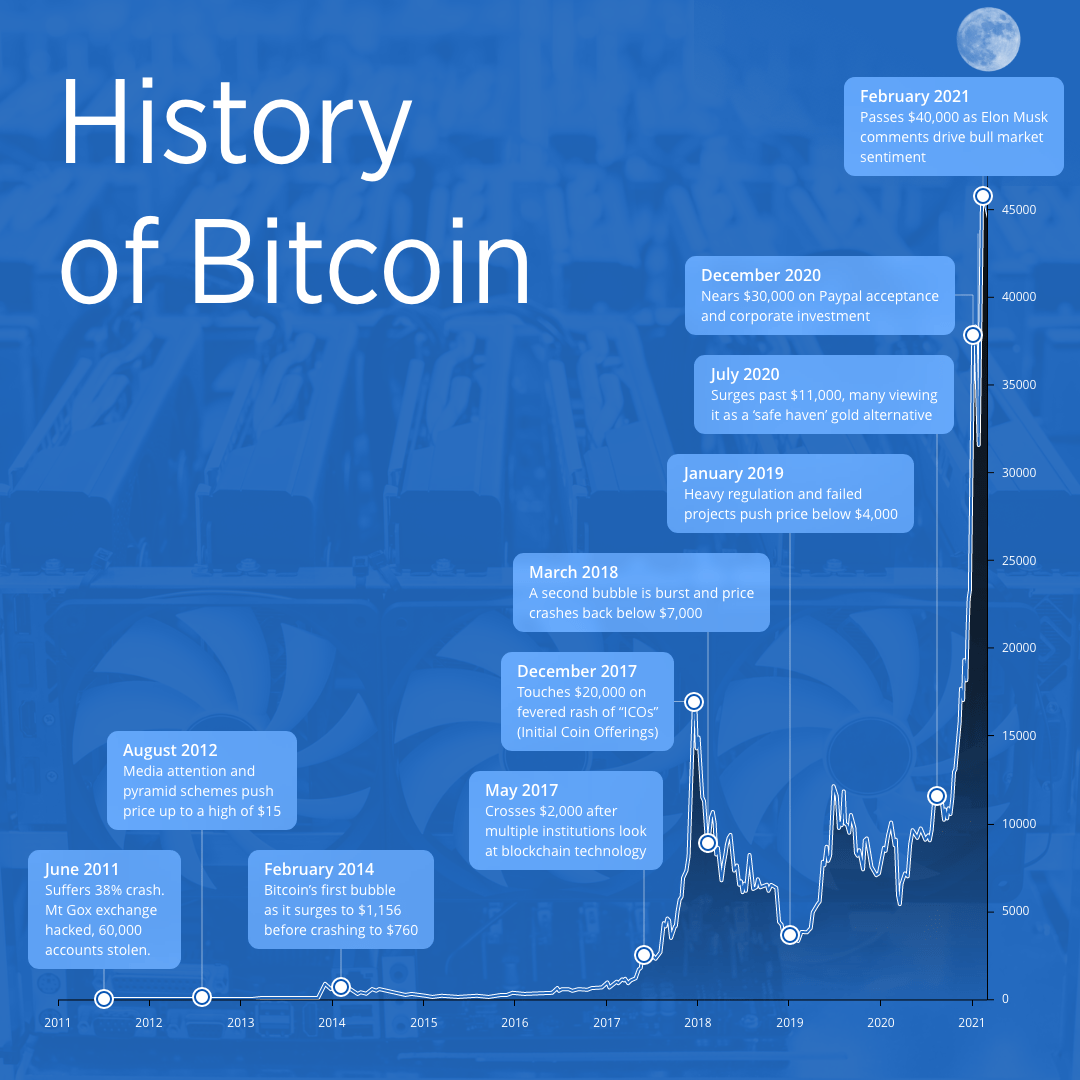
Initial Market Volatility and Speculative Growth
The period following Bitcoin’s inception was characterized by extreme price swings. Early investors witnessed dramatic rallies and equally steep corrections. These fluctuations were largely driven by speculative interest, news events (both positive and negative), and the limited liquidity of a nascent market. Despite the volatility, the underlying principles of scarcity and decentralization continued to attract a growing base of adherents who saw its long-term potential. Each bull run attracted new capital and attention, pushing its market capitalization higher and gradually solidifying its position in the financial world.
Mainstream Recognition and Institutional Interest
As Bitcoin’s price climbed through various cycles, it began to attract significant attention beyond its initial tech and libertarian user base. News outlets, financial analysts, and eventually, institutional investors started to take notice. The concept of “digital gold” gained traction, with many seeing Bitcoin as a potential hedge against inflation and a safe haven asset similar to traditional commodities. Public companies like MicroStrategy and Tesla began adding Bitcoin to their balance sheets, signaling a new era of corporate adoption. The launch of Bitcoin futures by established exchanges like the CME Group further legitimized it as a financial instrument, allowing institutional players to gain exposure to its price movements.
Bitcoin as a Store of Value and Inflation Hedge
One of the most compelling narratives for Bitcoin in the financial world is its potential as a store of value. Its fixed supply of 21 million units, impervious to central bank intervention, is often contrasted with the inflationary tendencies of fiat currencies. In an era of quantitative easing and escalating national debts, many investors view Bitcoin as a scarce asset that can preserve purchasing power over time. While its short-term volatility remains a factor, its long-term performance has led many to allocate a portion of their investment portfolios to BTC, viewing it as a robust asset class alongside traditional stocks, bonds, and commodities.
Impact on Traditional Finance and Future Implications
Bitcoin’s emergence has not merely added another asset to the financial markets; it has instigated a broader re-evaluation of how financial systems operate and how value is created and transferred.
Challenging Centralized Systems
Bitcoin’s decentralized nature poses a direct challenge to the millennia-old model of centralized financial authority. It demonstrates that money can function efficiently and securely without banks, governments, or other intermediaries. This paradigm shift has prompted traditional financial institutions to explore blockchain technology themselves, leading to the development of central bank digital currencies (CBDCs) and enterprise-level blockchain solutions aimed at improving efficiency and transparency within existing frameworks. Bitcoin spurred a global conversation about financial autonomy and the role of trust in economic transactions.
The Rise of the Crypto Economy
Beyond Bitcoin itself, its success spawned an entire “crypto economy.” Thousands of other cryptocurrencies (altcoins) have emerged, each with different functionalities and use cases, from decentralized finance (DeFi) applications to non-fungible tokens (NFTs). This ecosystem has created new investment opportunities, new financial products, and an entirely new sector of the global economy, offering avenues for income generation, lending, borrowing, and trading that operate outside conventional financial rails. Investors are now navigating a complex landscape of digital assets, seeking diversification and understanding the unique risk-reward profiles of various crypto assets.
Regulatory Scrutiny and Adaptation
The rise of Bitcoin and the broader crypto market has inevitably attracted the attention of regulators worldwide. Governments are grappling with how to classify, tax, and regulate these new digital assets without stifling innovation. This has led to a patchwork of regulations across different jurisdictions, ranging from outright bans in some countries to comprehensive frameworks in others. The evolution of regulatory clarity is a critical factor for Bitcoin’s continued integration into mainstream finance, influencing institutional adoption, consumer protection, and the overall stability of the digital asset market.
Understanding Bitcoin’s Enduring Financial Significance
To grasp the full weight of “when did BTC come out” is to appreciate not just its origin, but its ongoing and expanding financial significance. Bitcoin continues to evolve, constantly challenging and integrating with established financial paradigms.
Portfolio Diversification and Risk Management
For modern investors, Bitcoin represents a unique asset class that can contribute to portfolio diversification. Its price movements often exhibit low correlation with traditional assets like stocks and bonds, potentially offering a hedge during periods of market downturns in conventional sectors. However, its high volatility also necessitates careful risk management, with many financial advisors recommending a modest allocation suitable for an investor’s risk tolerance. Understanding its role in a balanced portfolio is key to leveraging its potential benefits while mitigating its inherent risks.
Global Accessibility and Financial Inclusion
One of Bitcoin’s most profound financial impacts is its potential to foster global financial inclusion. For billions worldwide who are unbanked or underbanked, Bitcoin offers an accessible alternative to traditional financial services. A smartphone and internet connection are often all that’s needed to send, receive, and store value, bypassing the need for complex banking infrastructure or government IDs. This democratizes access to financial tools, allowing individuals to participate in the global economy in ways previously impossible.
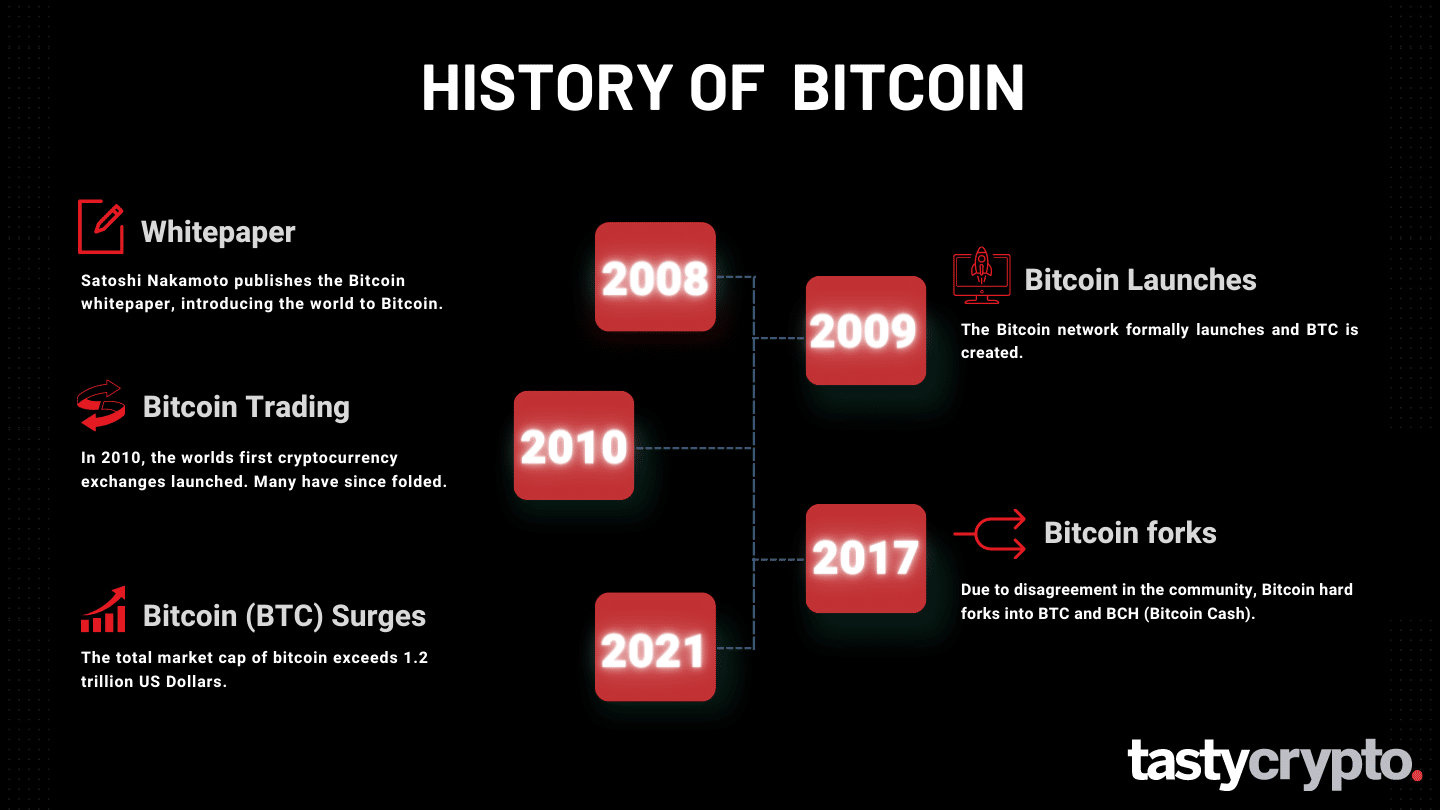
The Ongoing Evolution of Digital Assets
From a moment born out of the 2008 financial crisis, Bitcoin has proven to be far more than a fleeting technological novelty. It has established itself as a resilient and increasingly significant financial asset. Its initial release marked the beginning of a profound transformation, ushering in an era where digital scarcity, decentralization, and cryptographic security are now recognized as fundamental pillars of a new financial frontier. As the world continues to digitalize, Bitcoin’s enduring legacy as the first, and still dominant, cryptocurrency ensures its central role in the ongoing evolution of global finance and investment.
aViewFromTheCave is a participant in the Amazon Services LLC Associates Program, an affiliate advertising program designed to provide a means for sites to earn advertising fees by advertising and linking to Amazon.com. Amazon, the Amazon logo, AmazonSupply, and the AmazonSupply logo are trademarks of Amazon.com, Inc. or its affiliates. As an Amazon Associate we earn affiliate commissions from qualifying purchases.