
In the fiercely competitive landscape of global commerce, certain innovations don’t just shift market dynamics; they fundamentally redefine an entire industry and solidify a brand’s identity for decades to come. Amazon Prime, the subscription service that has become synonymous with convenience, value, and seamless online shopping, is precisely one such innovation. Today, its ubiquitous presence and ever-expanding suite of benefits make it easy to forget a time before its existence. But to truly appreciate its strategic brilliance and profound impact on Amazon’s brand, we must rewind to its inception. So, when did Amazon Prime begin? The answer marks a pivotal moment in the history of e-commerce and a masterclass in brand strategy: March 2005.

At its core, the launch of Amazon Prime wasn’t merely the introduction of a new service; it was a bold strategic gamble designed to transform Amazon’s brand relationship with its customers, elevate its market positioning, and create an unparalleled competitive moat. It was a testament to visionary leadership, understanding customer pain points, and a willingness to invest heavily in long-term customer loyalty over short-term transactional profits.
The Genesis of a Game-Changing Brand Offering: March 2005
The early 2000s internet commerce scene, while growing, was still grappling with significant friction points that hindered widespread adoption. Among these, shipping costs stood out as a primary deterrent for consumers. Amazon, a burgeoning online retailer known for its vast selection, recognized this challenge as both an obstacle and an opportunity.
Addressing Customer Pain Points: The Problem of Shipping Costs
Before Prime, the checkout process for online shoppers often involved an unpleasant surprise: the accumulation of shipping fees. These charges, whether flat-rate or calculated based on weight and distance, could significantly inflate the total cost of an order, often diminishing the appeal of competitive product prices. For a customer comparing prices, adding a $5 or $10 shipping fee could easily push the online purchase price above that of a local brick-and-mortar store, negating the convenience of shopping from home. This friction point led to countless abandoned carts and frustrated customers, directly impacting Amazon’s ability to maximize sales and cultivate consistent buying habits.
From a brand perspective, these fluctuating shipping costs introduced an element of unpredictability and perceived unfairness. Consumers sought simplicity and transparency, and the existing shipping models often delivered the opposite. Amazon understood that to truly cement its brand as the most customer-centric company on Earth, it needed to remove this significant barrier, transforming a source of frustration into a source of delight.
Jeff Bezos’ Vision: Loyalty Through Convenience
The strategic brain behind Amazon, Jeff Bezos, was famously obsessed with customer experience and long-term thinking. He envisioned a future where the friction of online shopping was minimized to the point of invisibility, making Amazon the default choice for virtually any purchase. The idea of a subscription service that eliminated per-order shipping costs was born from this vision, a concept radical for its time.
Bezos understood that a fixed annual fee, while potentially leading to short-term losses on individual shipments for Amazon, would dramatically increase customer loyalty and engagement in the long run. By committing to an annual membership, customers would be incentivized to consolidate their purchases on Amazon to maximize the value of their Prime subscription. This psychological shift from a transactional relationship (“Do I want to pay shipping for this order?”) to a relationship of commitment and perceived ongoing value (“I’ve paid for Prime, so I’ll shop on Amazon for everything”) was groundbreaking. This was the famous “flywheel” concept in action: lower prices (through free shipping effectively), more customer visits, more sellers, greater economies of scale, and even lower prices. Prime was designed to accelerate this flywheel, embedding Amazon deeper into the daily lives of its most valuable customers and fortifying its brand against emerging competition.
Prime’s Core Value Proposition: Redefining Customer Expectations
When Amazon Prime launched in March 2005, its offering was remarkably focused and, by today’s standards, deceptively simple. Yet, it was precisely this laser focus on a key customer pain point that made it an immediate game-changer for Amazon’s brand and the broader e-commerce landscape.
The Initial Offering: Unlimited Two-Day Shipping
At launch, Amazon Prime’s core benefit was unlimited two-day shipping on eligible items for an annual fee of $79. In an era where standard shipping often took a week or more, and expedited shipping incurred substantial additional costs, this was revolutionary. It removed the mental calculus of “is this item worth the shipping cost?” and transformed shopping into a frictionless experience for members. The promise of consistent, reliable, and swift delivery without extra charges elevated Amazon’s brand from a convenient online store to an indispensable service provider.
This benefit wasn’t just about speed; it was about reliability and the psychological freedom it offered. Customers no longer had to strategize their purchases to meet free shipping minimums or wait weeks for items. This set a new industry standard that competitors would eventually be forced to emulate, fundamentally reshaping consumer expectations for online delivery. Amazon, through Prime, effectively created a new benchmark for convenience, solidifying its brand as a leader and innovator in customer service.
The Pricing Strategy: An Investment in Loyalty
The $79 annual fee for Prime was not arbitrarily chosen; it was a carefully calculated investment in customer lifetime value (LTV). For Amazon, the immediate cost of providing “free” two-day shipping to Prime members was substantial. It was widely speculated that Amazon lost money on shipping for its Prime members, especially in the early years. However, this upfront investment was strategically sound from a brand perspective.
The annual fee acted as both a barrier and an incentive. It required a commitment from the customer, signaling that they were serious about frequent Amazon purchases. Once that commitment was made, the psychological urge to “get your money’s worth” naturally led to increased purchasing frequency and higher overall spend on Amazon. Prime members quickly became Amazon’s most valuable customers, spending significantly more than non-members. This strategy shifted Amazon’s focus from maximizing profit on individual transactions to maximizing the long-term value of its customer relationships. It was a testament to Amazon’s confidence in its ability to retain these customers and grow their engagement, building a brand founded on sustained loyalty rather than fleeting transactions.
Expanding the Brand Ecosystem: From Shipping to Lifestyle
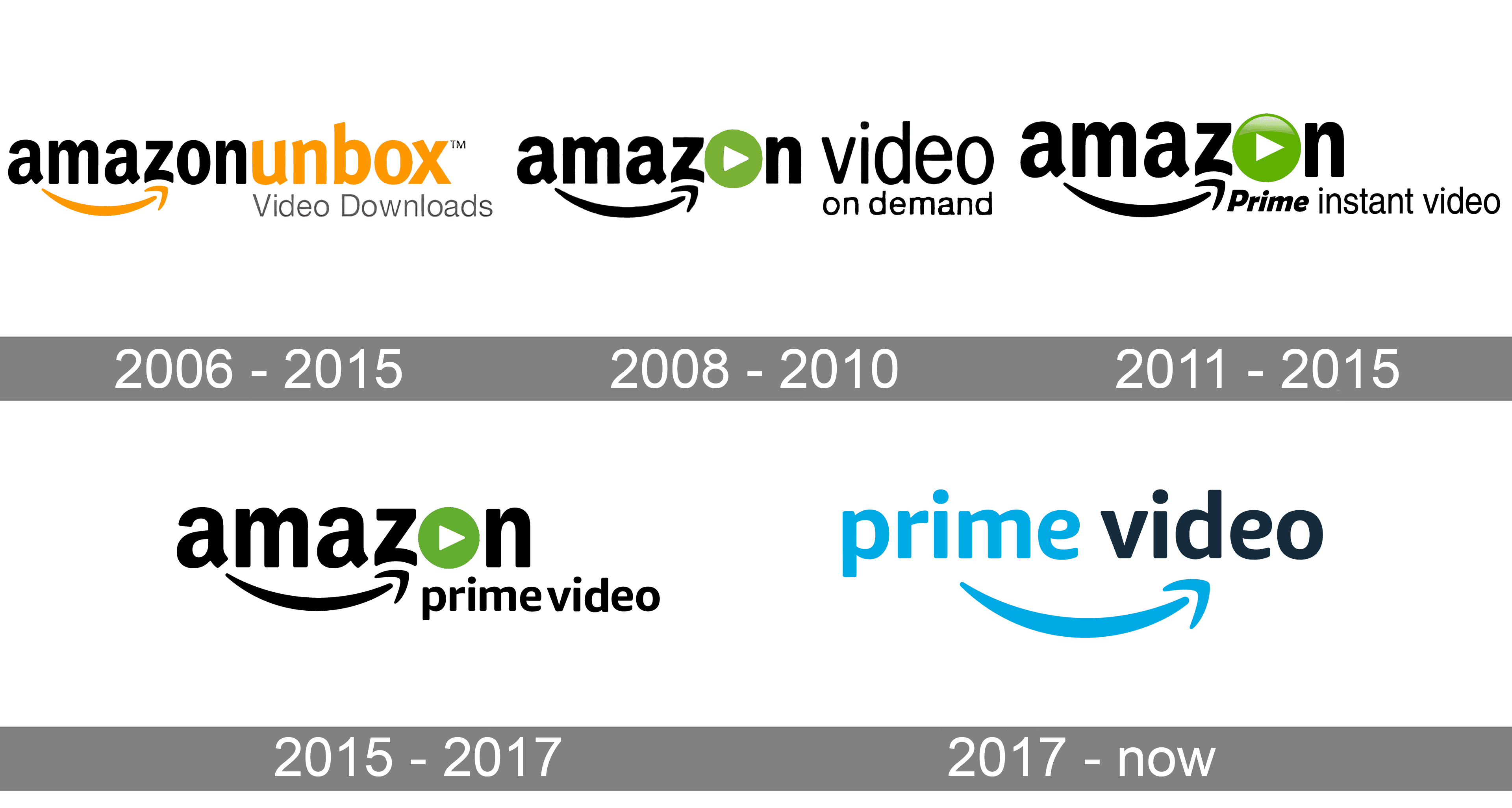
While two-day shipping was Prime’s initial draw, Amazon’s strategic vision for the service was always far grander. Recognizing the power of an engaged subscriber base, the company systematically expanded Prime’s offerings, transforming it from a mere shipping program into a comprehensive digital and physical lifestyle ecosystem. This expansion was crucial for strengthening the Amazon brand, increasing its stickiness, and widening its appeal across diverse consumer segments.
The Evolution Beyond Logistics: Adding Value and Stickiness
The true brilliance of Prime as a brand strategy lay in its continuous evolution. Amazon understood that to keep members engaged and prevent churn, the value proposition needed to grow. The introduction of digital benefits was a pivotal step:
-
Prime Video (launched 2006, significantly expanded 2011): This marked Amazon’s foray into content streaming, directly challenging Netflix and the traditional entertainment industry. It positioned Amazon not just as a retailer but as a purveyor of digital entertainment, adding immense value to the Prime subscription and diversifying the brand’s offerings. It created a powerful lock-in effect, giving members another compelling reason to stay within the Amazon ecosystem.
-
Prime Music (launched 2014): Providing ad-free access to millions of songs further enhanced Prime’s appeal as a comprehensive media hub.
-
Prime Reading (launched 2016): Offering a rotating selection of free e-books and magazines reinforced Amazon’s literary roots and broadened its digital content portfolio.
-
Twitch Prime (now Prime Gaming, launched 2016): Integrating benefits for gamers demonstrated Amazon’s ability to tailor Prime to niche, highly engaged communities.
Beyond digital content, Amazon extended Prime’s reach into physical retail with initiatives like Amazon Fresh and the acquisition of Whole Foods Market, offering Prime member discounts and delivery benefits. These expansions transformed Prime from a shipping utility into an overarching lifestyle membership, deeply embedding the Amazon brand into multiple facets of its customers’ daily lives.
Strengthening the Brand Identity: “The Everything Store” & Beyond
This continuous accretion of services under the Prime umbrella profoundly strengthened Amazon’s brand identity. It reinforced the vision of Amazon as “the everything store”—a single destination where customers could fulfill virtually any need, from physical goods to digital entertainment, groceries, and even cloud computing services (though AWS is a separate beast, its innovative spirit aligns with Prime’s ethos).
Prime created a cohesive, interconnected brand experience. Each new benefit didn’t just add value; it made the overall Amazon brand more indispensable, convenient, and multifaceted. The emotional connection fostered by Prime transcended mere transactions; it built a sense of belonging, a feeling of being valued as a premium customer. This strategic bundling and continuous innovation allowed Amazon to build an incredibly strong brand narrative around unparalleled customer convenience, choice, and value, differentiating it sharply from competitors who focused solely on price or selection.
Prime’s Impact on Amazon’s Brand & The E-commerce Landscape
The launch and subsequent expansion of Amazon Prime stand as a monumental case study in effective brand strategy, demonstrating how a bold vision and sustained investment in customer experience can yield unparalleled market dominance and loyalty. Prime’s influence extends far beyond Amazon’s balance sheet, reshaping consumer behavior and forcing a paradigm shift across the entire retail industry.
Cultivating Unparalleled Customer Loyalty and Retention
One of the most significant impacts of Prime on Amazon’s brand is its phenomenal ability to cultivate and sustain customer loyalty. Prime members are not just customers; they are a highly engaged and deeply committed segment of Amazon’s user base. Numerous studies have shown that Prime members spend significantly more money on Amazon annually and shop more frequently than non-Prime customers. This phenomenon, often referred to as the “Prime Effect,” translates into reduced customer churn rates and an exceptionally high customer lifetime value.
For Amazon’s brand, this means a stable, predictable revenue stream and a robust, loyal customer base that acts as a powerful barrier to entry for competitors. The brand perception shifted from a transactional website to an essential service provider, making it incredibly difficult for customers to leave once they’ve integrated Prime into their shopping habits. This deeply ingrained loyalty is a cornerstone of Amazon’s brand strength, providing a consistent demand engine that drives its growth and innovation.
Setting Industry Benchmarks and Influencing Competitors
Amazon Prime didn’t just innovate within Amazon; it fundamentally altered the expectations of online consumers everywhere. The promise of fast, free shipping became a baseline expectation, forcing other retailers, both online and brick-and-mortar, to adapt their strategies. Companies like Walmart, Target, and even smaller e-commerce players found themselves compelled to offer similar shipping benefits, minimum purchase thresholds for free shipping, or their own subscription programs to remain competitive.
This ripple effect across the retail industry underscores Prime’s power as a disruptive force. Amazon, through Prime, effectively dictated a new standard for customer service and logistical efficiency, demonstrating its unparalleled influence on the market. It showcased a brand that not only understood its customers but was willing to invest massively to serve them better, thereby raising the bar for everyone else. Prime stands as a prime example of how a single brand offering can reshape an entire sector’s operational and customer engagement models.

A Pillar of Corporate Identity and Brand Valuation
Today, Amazon Prime is far more than a service; it is an indispensable pillar of Amazon’s corporate identity and a critical component of its brand valuation. It embodies Amazon’s core tenets of customer obsession, long-term thinking, and relentless innovation. The Prime logo, symbolizing convenience and value, is instantly recognizable and carries significant brand equity.
Prime’s success has been a significant driver of Amazon’s astounding market capitalization, demonstrating the immense value of a loyal, recurring customer base. Internally, Prime’s ethos has fostered a culture of continuous improvement and customer-centric development, attracting top talent and reinforcing Amazon’s reputation as a pioneering tech giant. The perception of Amazon as a leader in logistics, customer experience, and digital services is inextricably linked to the Prime brand, making it a cornerstone of its global image and a testament to strategic foresight in brand development.
In conclusion, the beginning of Amazon Prime in March 2005 was not just a launch date; it was the genesis of a revolutionary brand strategy. It transformed Amazon from a mere online bookseller into the “everything store,” deepening its relationship with customers, setting new industry standards, and cementing its position as a global retail and technology behemoth. Prime’s journey is a powerful testament to how understanding customer needs, daring to innovate, and consistently adding value can build a brand that is not just successful but truly indispensable.
aViewFromTheCave is a participant in the Amazon Services LLC Associates Program, an affiliate advertising program designed to provide a means for sites to earn advertising fees by advertising and linking to Amazon.com. Amazon, the Amazon logo, AmazonSupply, and the AmazonSupply logo are trademarks of Amazon.com, Inc. or its affiliates. As an Amazon Associate we earn affiliate commissions from qualifying purchases.