
Understanding current mortgage rates is paramount for anyone navigating the complex world of real estate, whether you’re a first-time homebuyer, a seasoned investor, or a homeowner considering refinancing. Mortgage rates are not static; they are dynamic indicators influenced by a myriad of economic forces, central bank policies, and global events. Pinpointing “what they are now” requires a comprehensive look at these influencing factors and an understanding of how they translate into the various loan products available. This article will delve into the current landscape of mortgage rates, explore the mechanisms that drive their fluctuations, illuminate the different types of rates, and provide actionable strategies to help you secure the most favorable terms for your financial future.
Understanding Current Mortgage Rate Dynamics
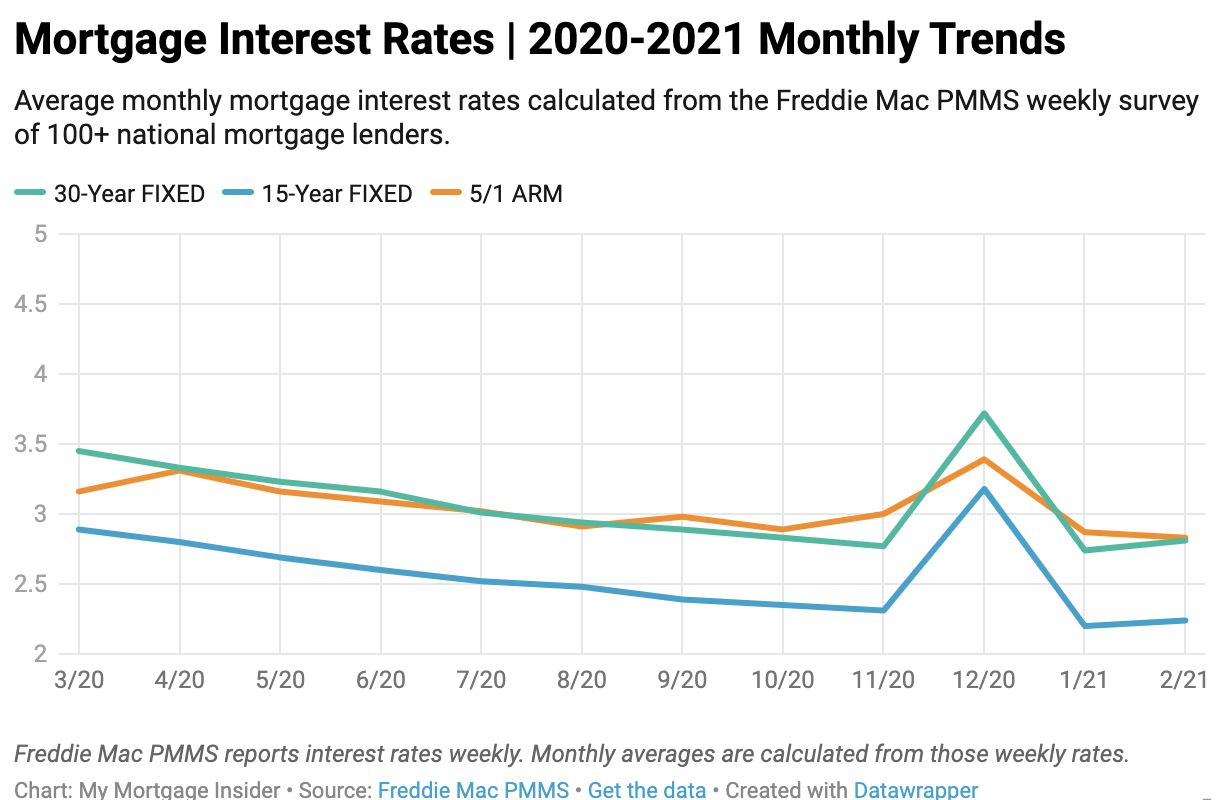
Mortgage rates are a reflection of the broader economic environment and the current cost of borrowing money. They don’t just magically appear; rather, they are the culmination of several powerful forces interacting in the financial markets. Staying informed about these drivers is the first step towards making smart mortgage decisions.
The Federal Reserve’s Influence
Perhaps the most significant player in the interest rate arena is the Federal Reserve (the “Fed”). While the Fed doesn’t directly set mortgage rates, its actions profoundly impact them. When the Fed raises or lowers the federal funds rate – the target rate for overnight borrowing between banks – it ripples through the entire financial system. Mortgage rates, particularly those for adjustable-rate mortgages (ARMs), often move in tandem with these changes. Furthermore, the Fed’s quantitative easing or tightening policies, which involve buying or selling government bonds and mortgage-backed securities, directly affect the supply and demand for these instruments, consequently influencing their yields and, by extension, mortgage rates.
Inflation and Economic Indicators
Inflation is a critical determinant of mortgage rates. Lenders need to ensure that the return on their loans outpaces the rate at which money loses its purchasing power. Therefore, when inflation is high or anticipated to rise, mortgage rates generally increase to compensate lenders for the erosion of their future returns. Conversely, low inflation can put downward pressure on rates. Beyond inflation, other economic indicators such as Gross Domestic Product (GDP) growth, unemployment rates, and consumer confidence reports offer insights into the health of the economy, all of which indirectly signal to lenders whether to adjust their rates up or down. A strong economy often leads to higher rates as demand for credit increases, while a weakening economy might see rates fall as central banks try to stimulate borrowing.
Market Sentiment and Global Events
Beyond hard economic data, market sentiment plays an undeniable role. Investor confidence, perceptions of risk, and speculative trading can all contribute to daily fluctuations in bond yields, which are closely correlated with mortgage rates. Global events, from geopolitical conflicts to major health crises, can introduce volatility into financial markets, leading investors to seek safe-haven assets like U.S. Treasury bonds. An increased demand for these bonds can drive down their yields, which, in turn, can sometimes pull mortgage rates lower. Conversely, widespread uncertainty or instability can lead to a “flight to quality,” but also risk aversion, potentially causing rates to rise as lenders seek higher compensation for perceived risks.
Lender Specific Factors
While the broader economy sets the stage, individual lenders also have their own set of criteria that influence the rates they offer. These include their own cost of funds, operational expenses, desired profit margins, and specific risk assessments for different loan products and borrower profiles. Even on the same day, different lenders can offer slightly varying rates, highlighting the importance of shopping around.
Types of Mortgage Rates and Their Suitability
Navigating the mortgage market means understanding the different types of rates available and which one best suits your financial situation and risk tolerance. The choice between a fixed-rate and an adjustable-rate mortgage, or opting for a government-backed loan, can have significant long-term implications.
Fixed-Rate Mortgages: Stability in an Unstable World
The most common and often preferred option, a fixed-rate mortgage offers an interest rate that remains constant for the entire life of the loan. This provides homeowners with predictable monthly principal and interest payments, making budgeting easier and shielding them from future interest rate hikes. The stability of a fixed-rate mortgage is particularly appealing in times of rising interest rates or for borrowers who plan to stay in their home for many years. While the initial rate might be slightly higher than an adjustable-rate mortgage during periods of low interest, the peace of mind it offers is invaluable for many. Common terms include 15-year and 30-year fixed-rate mortgages, with shorter terms typically offering lower rates and quicker equity build-up.
Adjustable-Rate Mortgages (ARMs): Flexibility with Risk
Adjustable-Rate Mortgages (ARMs) start with an initial interest rate that is fixed for a set period (e.g., 3, 5, 7, or 10 years) and then adjusts periodically for the remainder of the loan term. The initial fixed period often comes with a lower interest rate compared to a 30-year fixed mortgage, making them attractive for borrowers who anticipate selling or refinancing before the fixed period ends, or those who expect their income to rise significantly in the future. However, the risk lies in the unknown; once the rate adjusts, it can go up or down, potentially leading to higher monthly payments if interest rates increase. ARMs typically have caps that limit how much the rate can change per adjustment period and over the life of the loan, offering some protection against extreme fluctuations.
Government-Backed Loans (FHA, VA, USDA): Specific Benefits
Beyond conventional loans, government-backed programs offer specialized benefits, often with more lenient qualification requirements.
-
FHA Loans: Insured by the Federal Housing Administration, these loans are popular among first-time homebuyers due to lower down payment requirements (as low as 3.5%) and more flexible credit score criteria. However, they typically require mortgage insurance premiums (MIP) for the life of the loan, which adds to the monthly cost.
-
VA Loans: Guaranteed by the U.S. Department of Veterans Affairs, these loans offer exceptional benefits to eligible service members, veterans, and surviving spouses, including no down payment requirements, no private mortgage insurance (PMI), and competitive interest rates.
-
USDA Loans: Backed by the U.S. Department of Agriculture, these loans aim to promote homeownership in rural areas. They also offer zero down payment options for eligible low- to moderate-income borrowers in designated rural areas.
Conventional Loans: Standard for Strong Borrowers
Conventional loans are not insured or guaranteed by a government agency. They are typically offered by private lenders and conform to the guidelines set by Fannie Mae and Freddie Mac. These loans usually require a good credit score and a stable financial history. While a 20% down payment helps avoid private mortgage insurance (PMI), conventional loans are available with as little as 3% down. They offer greater flexibility in loan terms and property types compared to government-backed options and are often preferred by borrowers with strong financial profiles.
Navigating the Mortgage Application Process
The journey to securing a mortgage can be intricate, but a well-prepared borrower is a powerful borrower. Understanding the process, from initial assessment to final closing, is crucial for success and for locking in the most favorable rates available.
Assessing Your Financial Health: Credit Score and Debt-to-Income
Before even speaking to a lender, objectively assess your financial health. Your credit score is a major factor lenders use to gauge your creditworthiness and risk. A higher score typically qualifies you for lower interest rates. Your debt-to-income (DTI) ratio is another critical metric, comparing your total monthly debt payments to your gross monthly income. Lenders generally prefer a DTI ratio below 43%, though this can vary. Taking steps to improve your credit score and reduce your DTI before applying can significantly impact the rates you’re offered.
Pre-Approval: The Crucial First Step

Obtaining a mortgage pre-approval is not just a formality; it’s a strategic move. A pre-approval letter from a lender states how much you’re eligible to borrow, based on a preliminary review of your finances. This demonstrates to sellers that you are a serious and qualified buyer, giving you a competitive edge in a tight housing market. More importantly, it clarifies your budget, preventing you from looking at homes outside your affordability range. A pre-qualification is less rigorous and provides only an estimate, whereas pre-approval involves a credit check and more thorough financial review.
Gathering Essential Documentation
Once you’re ready to apply, lenders will require a comprehensive set of documents to verify your income, assets, and liabilities. Be prepared to provide:
-
Proof of Income: Pay stubs, W-2s, tax returns (typically for the past two years).
-
Asset Verification: Bank statements, investment account statements.
-
Debt Information: Credit card statements, student loan statements, auto loan statements.
-
Identification: Driver’s license, Social Security card.
-
Employment History: Contact information for employers.
Having these documents organized and readily available will streamline the application process and prevent delays.
Shopping Around for Lenders
This step cannot be overstressed: shop around. Mortgage rates can vary significantly between lenders on the same day, even for the same borrower profile. Contact multiple banks, credit unions, and mortgage brokers to compare interest rates, fees (origination fees, application fees, appraisal fees), and loan terms. A difference of even a quarter-point in your interest rate can save you tens of thousands of dollars over the life of a 30-year mortgage. Don’t just look at the interest rate; compare the Annual Percentage Rate (APR), which reflects the total cost of the loan, including fees.
Impact of Mortgage Rates on Your Financial Future
The mortgage rate you secure today will cast a long shadow over your financial future, influencing everything from your monthly budget to your long-term wealth accumulation and investment flexibility. Understanding this impact is key to making informed decisions.
Affordability and Monthly Payments
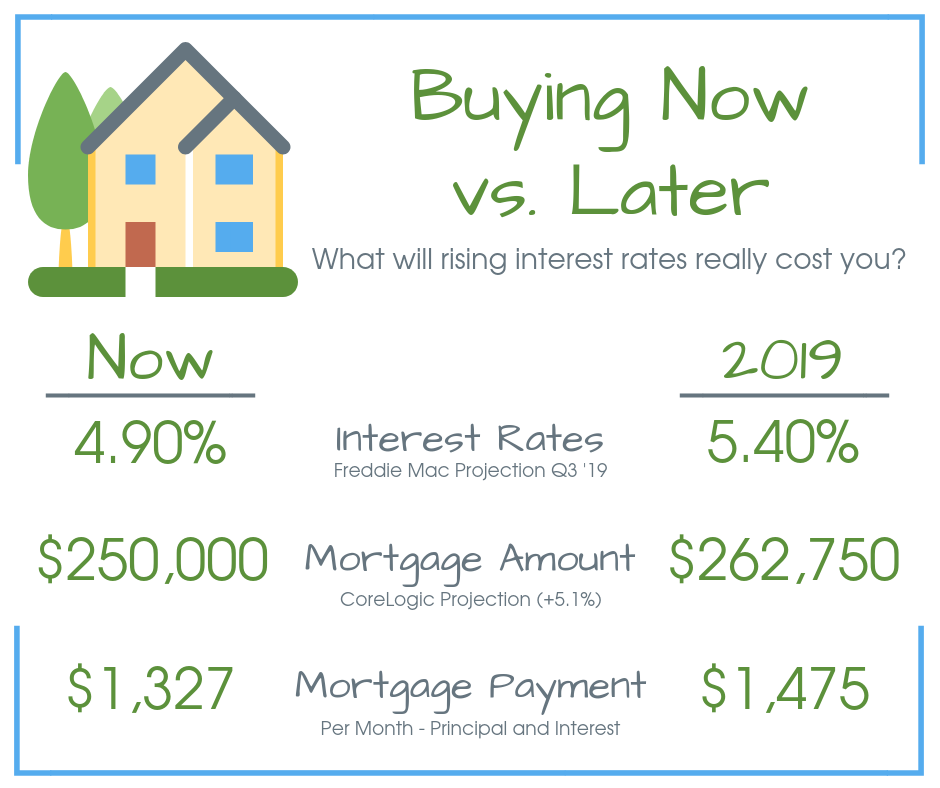
The most immediate and apparent impact of mortgage rates is on your monthly payment. A lower interest rate means a smaller portion of your payment goes towards interest, leaving more for principal reduction, and resulting in a lower overall monthly outlay for the same loan amount. Conversely, even a slight increase in rates can significantly boost your monthly housing costs, impacting your discretionary income and overall budget. This relationship directly affects how much house you can afford, as lenders calculate your maximum loan amount based on your ability to manage the projected monthly payments.
Equity Building and Long-Term Wealth
A lower interest rate accelerates your equity building. With less money siphoned off by interest, more of each payment chips away at the principal balance of your loan. This means you own a larger share of your home sooner, which is a vital component of long-term wealth building. Equity can be leveraged for future financial needs through home equity loans or lines of credit (HELOCs), or realized upon the sale of the property. For investors, lower rates can enhance cash flow on rental properties and improve overall return on investment.
Refinancing Opportunities
Current and future mortgage rates play a pivotal role in refinancing decisions. If interest rates drop significantly after you’ve taken out a mortgage, refinancing to a lower rate can reduce your monthly payments, lower the total interest paid over the life of the loan, or even allow you to switch from an adjustable-rate to a fixed-rate mortgage for greater stability. However, refinancing comes with closing costs, so a careful cost-benefit analysis is essential to ensure the savings outweigh these upfront expenses. Regularly monitoring market rates allows homeowners to seize opportune moments for refinancing.
Market Timing and Real Estate Decisions
While it’s impossible to perfectly time the market, understanding current rate trends can inform your real estate decisions. In a rising rate environment, buyers might feel pressured to purchase sooner rather than later to lock in a lower rate. Conversely, falling rates can stimulate buyer demand and make homeownership more accessible. For sellers, current rates affect the pool of potential buyers and their purchasing power. A holistic view of the housing market, including interest rate trajectories, is essential for strategic planning whether you’re buying, selling, or holding.
Strategies for Securing the Best Mortgage Rate
While the broader economic environment dictates the general direction of mortgage rates, there are several proactive steps you can take to position yourself for the most favorable terms available to you. Taking control of these personal financial levers can translate into substantial savings over the life of your loan.
Improving Your Credit Profile
Your credit score is arguably the single most important factor within your control when it comes to qualifying for low mortgage rates. Lenders use it to assess your reliability as a borrower. To improve your credit profile:
-
Pay bills on time, every time: Payment history accounts for 35% of your FICO score.
-
Reduce credit utilization: Keep credit card balances low, ideally below 30% of your credit limit.
-
Avoid opening new credit accounts unnecessarily: New credit inquiries can temporarily lower your score.
-
Review your credit report for errors: Dispute any inaccuracies immediately.
Reducing Your Debt Load
Beyond your credit score, your debt-to-income (DTI) ratio directly impacts how much you can borrow and at what rate. A lower DTI indicates that you have more disposable income to put towards your mortgage payment, signaling less risk to lenders. Focus on paying down high-interest debts, such as credit card balances, before applying for a mortgage. This not only improves your DTI but also frees up cash flow.
Saving for a Larger Down Payment
While not always feasible, a larger down payment generally results in a lower interest rate because it reduces the lender’s risk. It also means you’ll borrow less, reducing your monthly payments and potentially allowing you to avoid private mortgage insurance (PMI) on conventional loans if you put down 20% or more. Even a slightly larger down payment than the minimum required can demonstrate financial stability and potentially secure a better rate.
Negotiating with Lenders
Remember that posted rates are not always set in stone. Once you’ve pre-approved with one lender, use that offer to negotiate with other lenders. Ask if they can beat or match the lowest rate you’ve received. Be prepared to discuss fees as well, as some lenders might offer a lower rate but charge higher closing costs. A good relationship with your lender or mortgage broker can also lead to them finding the best deals for you.
Locking in Your Rate
Once you’ve found a favorable rate, inquire about “locking in” that rate. A rate lock guarantees that your interest rate won’t change between the time you apply and the day you close, typically for 30 to 60 days. This protects you from potential rate increases during the underwriting process. Be aware of any fees associated with rate locks and ensure the lock period is long enough to cover your anticipated closing timeline.
In conclusion, “what are the mortgage rates now” is a question with a multi-faceted answer, deeply rooted in macroeconomic conditions and individual financial preparedness. By understanding the forces that shape rates, knowing the various loan products, meticulously navigating the application process, and strategically positioning your finances, you can confidently approach the mortgage market and secure a deal that supports your financial goals and aspirations for years to come. Staying informed and proactive is your most powerful tool in the ever-evolving world of mortgage finance.
aViewFromTheCave is a participant in the Amazon Services LLC Associates Program, an affiliate advertising program designed to provide a means for sites to earn advertising fees by advertising and linking to Amazon.com. Amazon, the Amazon logo, AmazonSupply, and the AmazonSupply logo are trademarks of Amazon.com, Inc. or its affiliates. As an Amazon Associate we earn affiliate commissions from qualifying purchases.