
The annual ritual of filing taxes is a cornerstone of financial responsibility for individuals and businesses alike. While often met with a mix of dread and anticipation (especially for those expecting a refund), understanding when taxes can be filed is paramount to ensuring compliance, avoiding penalties, and maintaining sound financial health. Far from being a single, monolithic deadline, the tax filing calendar is a nuanced landscape with opening dates, primary deadlines, extension options, and specific considerations for different types of filers. Mastering this timeline isn’t just about ticking a box; it’s about strategic planning, proactive document gathering, and ultimately, securing peace of mind.
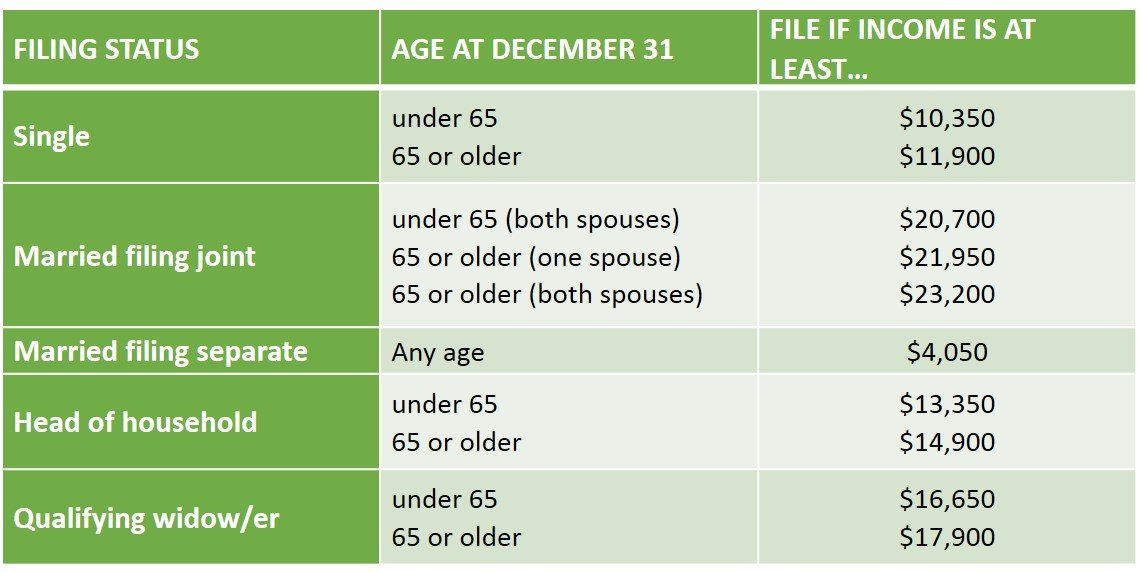
This comprehensive guide delves into the intricacies of the tax filing calendar, offering insights into standard timelines, extension procedures, the advantages of early filing, and crucial preparatory steps to navigate tax season with confidence.
Understanding the Standard Tax Filing Calendar
For most taxpayers in the United States, the tax season follows a predictable rhythm, orchestrated primarily by the Internal Revenue Service (IRS). Knowing these fundamental dates is the first step towards a smooth filing experience.
The IRS Tax Season Opening
The official start of tax season typically commences in late January. This is the date when the IRS begins accepting and processing federal income tax returns for the previous tax year. For example, tax season for the 2023 tax year usually opens in January 2024. While taxpayers can technically prepare their returns beforehand, they cannot submit them electronically or via mail until this official opening. The IRS uses this brief window between the end of the calendar year and the opening of tax season to finalize forms, update systems, and ensure everything is ready for the millions of returns they expect to process. This period also allows employers and financial institutions to send out essential tax documents like W-2s and 1099s.
The Ubiquitous April 15th Deadline
The most widely recognized and crucial deadline for individual income tax filing is April 15th. This date marks the deadline for most individual taxpayers to file their federal income tax returns (Form 1040) and pay any taxes owed for the preceding calendar year. It’s important to note that if April 15th falls on a weekend or a holiday recognized by the District of Columbia, the deadline is typically shifted to the next business day. For instance, if April 15th is a Saturday, the deadline moves to Monday, April 17th. This primary deadline applies to individuals, including those who are self-employed or freelancers, even if they plan to file for an extension. While an extension grants more time to file, it does not grant more time to pay taxes owed.
Estimated Taxes and Quarterly Due Dates
Not all income is subject to withholding, particularly for self-employed individuals, independent contractors, and those with significant investment income. In these cases, taxpayers are generally required to pay estimated taxes quarterly throughout the year to cover their tax liability. The IRS provides specific due dates for these payments, which are crucial for avoiding underpayment penalties:
- Q1 (January 1 to March 31 income): Due April 15th
- Q2 (April 1 to May 31 income): Due June 15th
- Q3 (June 1 to August 31 income): Due September 15th
- Q4 (September 1 to December 31 income): Due January 15th of the following year
Like the annual filing deadline, if any of these dates fall on a weekend or holiday, the deadline shifts to the next business day. Consistent adherence to these quarterly payments is a critical component of financial planning for those with non-W2 income.
Business Tax Filing Deadlines
Business entities face a different set of filing deadlines, which vary depending on their structure:
- Partnerships (Form 1065) and S Corporations (Form 1120-S): These “pass-through” entities typically have a filing deadline of March 15th for calendar year filers. This earlier deadline allows partners and shareholders to receive their K-1 schedules, which they need to complete their individual income tax returns by April 15th.
- C Corporations (Form 1120): Most C Corporations that operate on a calendar year basis must file their income tax returns by April 15th.
- Non-Profit Organizations (Form 990): The deadline for most non-profit organizations is the 15th day of the 5th month after their tax year ends. For those with a calendar year, this would be May 15th.
Understanding these distinct business deadlines is vital for entrepreneurs and business owners to ensure their operations remain compliant with tax regulations.
Extending Your Filing Time: When and How
Life happens, and sometimes, the April 15th deadline (or other relevant deadlines) approaches too quickly. Fortunately, the IRS offers mechanisms to extend your time to file, though it’s crucial to understand what an extension truly entails.
Automatic Extension for Individuals (Form 4868)
For individual taxpayers who need more time, the IRS provides an automatic six-month extension by filing Form 4868, “Application for Automatic Extension of Time To File U.S. Individual Income Tax Return.” This form must be filed by the original April 15th deadline (or the next business day if April 15th falls on a weekend/holiday). Upon filing, it generally extends your deadline to October 15th.
Crucially, an extension grants you more time to file your return, but not more time to pay any taxes owed. If you anticipate owing taxes, you must estimate your tax liability and pay that amount by the original April 15th deadline to avoid failure-to-pay penalties and interest. Failure to do so will result in penalties, even with an approved extension to file. Many tax software programs and professional tax preparers can help you file Form 4868 quickly and efficiently.
Business Extensions
Businesses also have access to extensions, though the specific forms and extension durations vary:
- Partnerships (Form 1065) and S Corporations (Form 1120-S): Can file Form 7004, “Application for Automatic Extension of Time To File Certain Business Income Tax, Information, and Other Returns,” to receive a six-month extension, typically moving their deadline to September 15th.
- C Corporations (Form 1120): Also use Form 7004 for a six-month extension, shifting their deadline to October 15th.
Similar to individual extensions, these business extensions only grant additional time to file, not to pay. Businesses must pay their estimated tax liability by the original due date to avoid penalties.
Special Circumstances for Extensions
Beyond the standard extensions, certain situations may automatically grant taxpayers more time:
- Military Personnel in Combat Zones: Members of the military serving in combat zones or contingency operations generally receive an automatic extension of 180 days after leaving the combat zone, plus the period of time they were in the combat zone.
- Disaster Victims: Taxpayers affected by federally declared disasters often receive automatic extensions for filing and paying taxes. The IRS typically announces these relief measures for specific affected areas.
- Americans Living Abroad: U.S. citizens and resident aliens who live and work outside the United States and Puerto Rico are automatically granted a two-month extension to file their returns, moving their deadline to June 15th. They can further request an additional four-month extension (until October 15th) by filing Form 4868. However, interest still applies to any unpaid tax from the original April 15th due date.
Understanding these special provisions can provide crucial relief during challenging times or for those with unique residency situations.
The Benefits of Early Filing (and Potential Pitfalls of Waiting)

While extensions provide a safety net, proactively filing your taxes as soon as you have all your necessary documents offers a multitude of benefits that can improve your financial well-being and reduce stress.
Quicker Refunds
One of the most immediate and tangible benefits of early filing is receiving your tax refund sooner. The IRS typically processes electronically filed returns with direct deposit faster than paper returns or those requesting a paper check. Filing in late January or early February often means receiving your refund within a few weeks, providing a welcome boost to your cash flow or allowing you to pay down debt, bolster savings, or make planned purchases.
Reduced Stress and Error Correction
Waiting until the last minute inevitably leads to increased stress, hurried decisions, and a higher likelihood of errors. Filing early provides ample time to gather all required documents, carefully review your return for accuracy, and seek professional help if needed. If you uncover missing information or identify a mistake, you have the luxury of time to correct it without the pressure of an impending deadline. This calmer approach reduces the chances of costly errors that could trigger an IRS audit or penalties.
Deterring Identity Theft
Tax-related identity theft is a pervasive issue where fraudsters use stolen Social Security numbers to file bogus tax returns and claim fraudulent refunds. Filing your return early, before potential thieves have a chance to act, significantly reduces your risk. If you’ve already filed, the IRS will reject any subsequent return filed with your SSN, alerting you to the potential fraud and making it easier to resolve. This proactive measure acts as a strong deterrent and an early warning system.
Avoiding Penalties and Interest
The most obvious pitfall of waiting is the risk of missing the deadline altogether. Failing to file on time can result in a “failure-to-file” penalty, which is generally 5% of the unpaid taxes for each month or part of a month that a tax return is late, capped at 25%. Even if you file an extension, failing to pay your estimated tax liability by the original due date can incur a “failure-to-pay” penalty, typically 0.5% of the unpaid taxes for each month or part of a month the taxes remain unpaid, also capped at 25%. Additionally, interest accrues on underpayments. Filing early and paying on time completely eliminates the risk of these avoidable and costly penalties.
Key Documents and Preparatory Steps for Tax Season
Successful tax filing begins long before the IRS officially opens its doors. Proper preparation is essential for accuracy, efficiency, and ensuring you claim all eligible deductions and credits.
Gathering Essential Tax Documents
The foundation of any tax return is accurate documentation. Start collecting these key documents as they become available:
- Income Documents:
- W-2: From employers, showing wages and withheld taxes.
- 1099 Forms:
- 1099-NEC: For nonemployee compensation (freelancers, independent contractors).
- 1099-MISC: For miscellaneous income.
- 1099-INT: For interest income.
- 1099-DIV: For dividend income.
- 1099-B: For proceeds from broker and barter exchange transactions.
- 1099-R: For distributions from pensions, annuities, IRAs, etc.
- 1099-G: For government payments (e.g., unemployment compensation).
- SSA-1099: For Social Security benefits.
- Deductions & Credits Documents:
- 1098: For mortgage interest paid.
- 1098-E: For student loan interest paid.
- 1098-T: For tuition and related expenses.
- Property Tax Records: For real estate taxes paid.
- Medical Expense Receipts: For out-of-pocket healthcare costs.
- Charitable Contribution Receipts: For donations to qualified organizations.
- IRA Contribution Records: For traditional IRA contributions.
- Childcare Expense Statements: For the Child and Dependent Care Credit.
- Records of business expenses: If self-employed.
- Other Important Information:
- Prior year tax returns.
- Bank account and routing numbers (for direct deposit/debit).
- Social Security Numbers (SSNs) or Individual Taxpayer Identification Numbers (ITINs) for all individuals on the return.
- Proof of health insurance coverage (if applicable for state mandates).
Maintaining an organized system for these documents throughout the year significantly streamlines tax preparation.
Choosing Your Filing Method
Once you have your documents, you need to decide how to file:
- Tax Software: Popular options like TurboTax, H&R Block Tax Software, and TaxAct guide you through the process with user-friendly interfaces, offering various editions for different complexities (e.g., simple W-2, self-employment, investments).
- Professional Tax Preparer: For complex returns, significant life changes, or simply peace of mind, a Certified Public Accountant (CPA) or Enrolled Agent (EA) can provide expert guidance, ensure accuracy, and help identify all eligible deductions.
- IRS Free File: For taxpayers below a certain income threshold (which changes annually), the IRS partners with various tax software companies to offer free online tax preparation and e-filing. This is a valuable resource for eligible individuals.
Reviewing Prior Year Returns
Your previous year’s tax return is a treasure trove of information. Reviewing it can remind you of recurring deductions or income sources, highlight changes in your financial situation, and serve as a checklist to ensure you don’t miss anything. It can also help you understand how certain events (like buying a home or starting a business) impacted your taxes and what to expect this year.
Updating Personal Information
Before filing, double-check that all personal information is current. This includes your address, bank account details for direct deposit of refunds (or debit of payments), and accurate Social Security Numbers for all dependents. Incorrect information can delay refunds or cause payment processing issues.
Beyond the Deadline: What Happens If You Miss It?
Even with the best intentions, deadlines can be missed. While it’s always best to file and pay on time, understanding the consequences and available recourse is crucial if you find yourself in this situation.
Penalties for Late Filing and Late Payment
The IRS imposes two primary penalties for missed deadlines:
- Failure-to-File Penalty: This is typically 5% of the unpaid taxes for each month or part of a month that a tax return is late, capped at 25% of your unpaid tax. If your return is more than 60 days late, the minimum penalty is the lesser of $485 (for 2023 returns) or 100% of the tax due.
- Failure-to-Pay Penalty: This penalty is usually 0.5% of the unpaid taxes for each month or part of a month the taxes remain unpaid, also capped at 25% of your unpaid tax.
In addition to these penalties, interest accrues on unpaid tax from the original due date until the date of payment. The interest rate can change quarterly and is based on the federal short-term rate plus 3 percentage points. It’s important to note that the failure-to-file penalty is significantly steeper than the failure-to-pay penalty.
Offers in Compromise and Payment Plans
If you owe taxes and cannot pay the full amount by the deadline, the IRS offers solutions:
- Installment Agreement: This allows you to make monthly payments for up to 72 months. You will still incur penalties and interest, but this can make your tax liability manageable.
- Offer in Compromise (OIC): An OIC allows certain taxpayers to settle their tax liability with the IRS for a lower amount than what they originally owe. This is typically an option for individuals experiencing significant financial hardship and must be justified with comprehensive financial documentation. The IRS will consider your ability to pay, income, expenses, and asset equity when evaluating an OIC.
The Importance of Filing Even If You Can’t Pay
A critical takeaway for anyone facing a financial shortfall at tax time is this: Always file your return on time, even if you cannot pay the full amount owed. By filing on time (or filing an extension), you avoid the much larger failure-to-file penalty. You can then address the payment issue through an installment agreement or other arrangements with the IRS, significantly mitigating your overall penalty exposure. Not filing at all can lead to the IRS filing a substitute return for you, which typically doesn’t include any deductions or credits you might be entitled to, resulting in a higher tax liability and greater penalties.
Conclusion
Understanding “when can taxes be filed” is more than just memorizing a date; it’s about engaging in a proactive, informed approach to your financial responsibilities. From the opening of tax season in late January to the primary April 15th deadline, and the various nuances for businesses and quarterly estimated payments, the tax calendar offers a structured framework for compliance. Leveraging extensions when needed, but more importantly, embracing the benefits of early filing – from quicker refunds and reduced stress to enhanced fraud protection – are hallmarks of sound financial management.
By diligently gathering documents, choosing an appropriate filing method, and being prepared for various scenarios, you can transform the often-dreaded tax season into a manageable, even empowering, financial exercise. Ultimately, knowledge of these timelines and the discipline to act within them are crucial components of maintaining financial health and stability, ensuring you meet your obligations and optimize your financial outcomes year after year.
aViewFromTheCave is a participant in the Amazon Services LLC Associates Program, an affiliate advertising program designed to provide a means for sites to earn advertising fees by advertising and linking to Amazon.com. Amazon, the Amazon logo, AmazonSupply, and the AmazonSupply logo are trademarks of Amazon.com, Inc. or its affiliates. As an Amazon Associate we earn affiliate commissions from qualifying purchases.