
In the modern financial landscape, few events carry as much weight as the quarterly earnings announcement from Nvidia Corporation (NVDA). Once known primarily by gamers for its high-performance graphics cards, Nvidia has transformed into the undisputed titan of the artificial intelligence (AI) revolution. Consequently, the question of “when are Nvidia earnings” has moved from the niche forums of hardware enthusiasts to the front pages of global financial news. For the strategic investor, understanding the timing, expectations, and financial implications of these reports is essential for navigating today’s volatile markets.
Understanding the Significance of Nvidia’s Earnings Cycle
Nvidia does not follow a standard calendar year for its financial reporting. Instead, it operates on a fiscal year that typically ends on the last Sunday of January. This means that when investors look for Nvidia’s “Q1 results,” they are often looking at a period that concludes in April, with the report released in late May. This slight offset from the traditional corporate calendar makes it imperative for investors to keep a close eye on the company’s specific Investor Relations schedule.
The Role of the Fiscal Calendar in Market Sentiment
The timing of Nvidia’s earnings often acts as a closing statement for the broader “Big Tech” reporting season. Usually, companies like Microsoft, Alphabet, and Meta report their earnings weeks before Nvidia. Because these companies are Nvidia’s primary customers—buying billions of dollars worth of H100 and Blackwell chips—their capital expenditure (CapEx) reports serve as a leading indicator for Nvidia’s performance. When Microsoft announces increased spending on AI infrastructure, the market immediately looks toward the upcoming Nvidia earnings date to see how much of that spending translated into revenue for the chipmaker.
Why Wall Street Watches Nvidia as a Market Bellwether
Nvidia has evolved into a “bellwether” stock, meaning its performance is seen as a proxy for the health of the entire technology sector and the viability of the AI trade. Due to its massive market capitalization, swings in Nvidia’s stock price following an earnings report can shift the direction of major indices like the S&P 500 and the Nasdaq-100. For an investor, the earnings date is not just about one company; it is a high-volatility event that can redefine market sentiment for the upcoming quarter.
How to Track and Prepare for the Next Earnings Date
Precision is key when managing a portfolio. Knowing the approximate window of an earnings release is helpful, but knowing the exact date and time allows for proper risk management, such as setting stop-loss orders or adjusting options positions.
Utilizing Official Investor Relations Channels
The most reliable source for “when are Nvidia earnings” is the Nvidia Investor Relations website. Typically, Nvidia will issue a press release three to four weeks in advance of the actual date to announce the timing of the conference call. These calls are almost always held after the market closes (around 2:00 PM PT / 5:00 PM ET) on a Wednesday in the months of May, August, November, and February. Subscribing to their email alerts ensures you receive the official “Notice of Earnings Call” the moment it is finalized.
Leveraging Financial News Platforms and Brokerage Tools
For those who prefer a consolidated view, financial platforms like Bloomberg, CNBC, and Reuters maintain “Earnings Calendars.” Most modern brokerage apps also provide push notifications for the stocks in your watchlist. It is important to distinguish between “estimated” dates and “confirmed” dates. Many platforms use historical algorithms to guess the date before Nvidia makes an official announcement. As a disciplined investor, always wait for the confirmed date before making high-stakes trades based on the timing.
Key Financial Metrics to Analyze During the Call
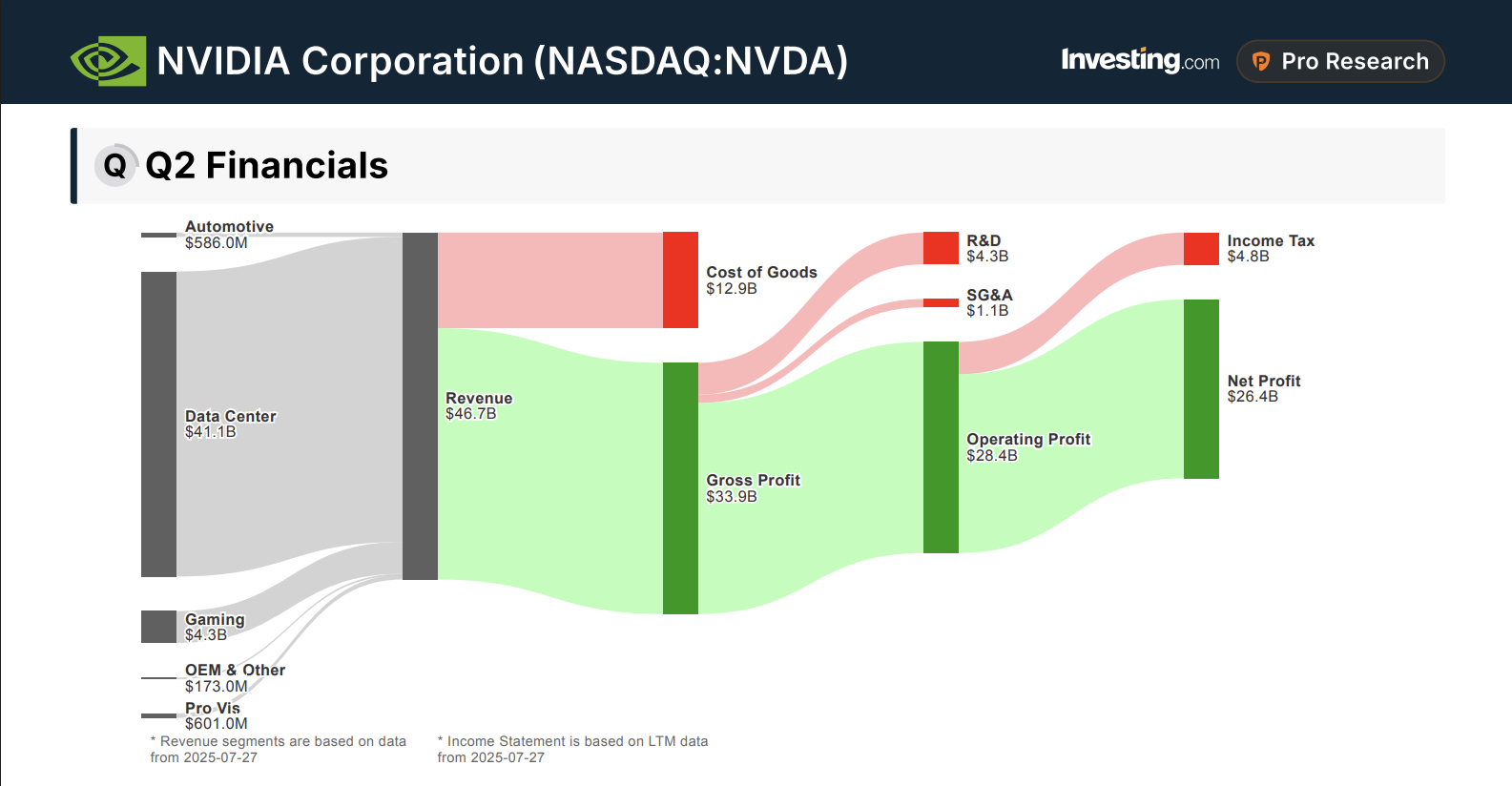
When the earnings report finally drops, the headline “beat or miss” on Earnings Per Share (EPS) is only the beginning. To truly understand the “Money” aspect of Nvidia, one must dive into the specific segments that drive its trillion-dollar valuation.
Revenue Growth and Data Center Performance
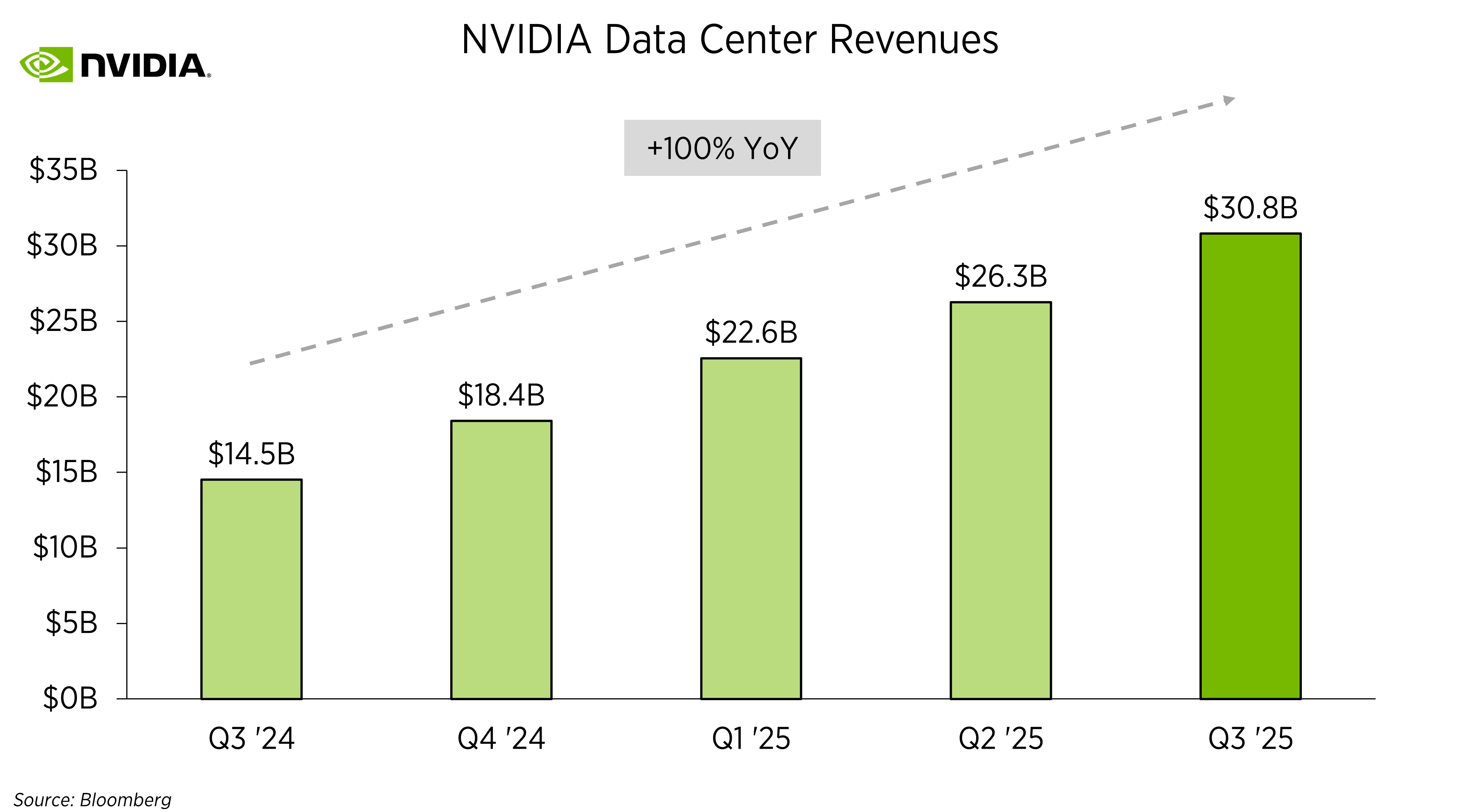
The “Data Center” segment is the heart of Nvidia’s current financial thesis. In recent quarters, this single segment has accounted for the vast majority of Nvidia’s total revenue. Investors should look for the year-over-year (YoY) growth rate in this department. Is the demand for AI training and inference chips still accelerating, or is it reaching a plateau? If Data Center revenue exceeds expectations, it suggests that the “AI gold rush” still has room to run, justifying a higher price-to-earnings (P/E) multiple.
Gross Margins and Profitability Trends
One of the most impressive aspects of Nvidia’s financial health is its gross margin. Maintaining margins above 70% is a rarity for a hardware company, as physical manufacturing usually involves significant costs. High margins indicate that Nvidia possesses immense “pricing power”—the ability to charge premium prices because competitors like AMD or Intel do not yet offer a comparable alternative. If margins begin to contract, it may signal rising competition or increased costs in the supply chain (such as those from its manufacturer, TSMC).
Forward-Looking Guidance: The “Beat and Raise” Factor
In the world of investing, the past is already priced in. What moves the stock during the after-hours session is “guidance.” This is management’s forecast for the next quarter and the full fiscal year. For Nvidia, a “beat and raise”—where they beat current quarter estimates and raise the outlook for the next—is often required to sustain its upward momentum. Investors should listen closely to the CEO’s commentary regarding supply chain constraints and the rollout of new architectures, such as the Blackwell platform, to gauge future revenue streams.
The Impact of Earnings on Your Investment Strategy
Understanding when Nvidia reports is only half the battle; the other half is knowing how to react. Earnings reports are “binary events,” meaning the stock could move significantly in either direction based on a single data point.
Managing Volatility in a High-Growth Stock
Nvidia is known for its high “implied volatility” leading up to earnings. This means the market expects a large price swing. For a personal finance-focused investor, this may be a time to rebalance. If Nvidia has grown to represent an oversized portion of your portfolio, the period leading up to earnings—when excitement is high—might be a strategic time to trim some gains. Conversely, for those looking to enter a position, the post-earnings “dip” (if expectations aren’t perfectly met) can provide a more favorable entry point.
Long-term Investing vs. Short-term Trading Around Results
There are two primary ways to approach Nvidia’s earnings. Short-term traders often use options to bet on the “move” itself, which is a high-risk strategy. Long-term investors, however, should view the earnings report as a “check-up” on the company’s fundamental health. Does the company still have a competitive moat? Is the leadership still executing on its vision? If the long-term thesis remains intact, the short-term volatility following an earnings announcement is merely “noise” and should not distract from the goal of long-term wealth accumulation.

Conclusion: Preparing for the Next Quarterly Update
The question of “when are Nvidia earnings” is the starting point for a deep dive into the most significant financial story of the decade. By understanding the fiscal calendar, identifying key metrics like Data Center revenue and gross margins, and maintaining a disciplined investment strategy, you can transform a routine corporate announcement into a powerful tool for financial growth.
As Nvidia continues to sit at the intersection of massive compute demand and generational technological shifts, its quarterly reports will remain the “Super Bowl” of the financial world. Whether you are a seasoned institutional investor or a retail participant building a retirement fund, staying informed about Nvidia’s earnings cycle is no longer optional—it is a prerequisite for understanding the modern market. Mark your calendars, review the guidance, and ensure your portfolio is positioned to handle the volatility that comes with the world’s most watched earnings report.
aViewFromTheCave is a participant in the Amazon Services LLC Associates Program, an affiliate advertising program designed to provide a means for sites to earn advertising fees by advertising and linking to Amazon.com. Amazon, the Amazon logo, AmazonSupply, and the AmazonSupply logo are trademarks of Amazon.com, Inc. or its affiliates. As an Amazon Associate we earn affiliate commissions from qualifying purchases.