
In the rapidly evolving landscape of digital finance, few names generate as much discussion, debate, and confusion as XRP. Often searched for by new investors under the term “XRP stock,” this digital asset represents a fundamental shift in how we perceive and move value across the globe. However, the first thing any savvy investor must understand is a crucial distinction: XRP is not a stock. It is a cryptocurrency, or more specifically, a digital asset native to the XRP Ledger (XRPL).
While traditional stocks represent equity in a private or public corporation, XRP is a medium of exchange designed to facilitate lightning-fast, low-cost international transactions. To understand the investment potential of XRP, one must look beyond the ticker symbol and delve into the ecosystem of its most prominent user—Ripple Labs—and the broader implications for the global banking sector.
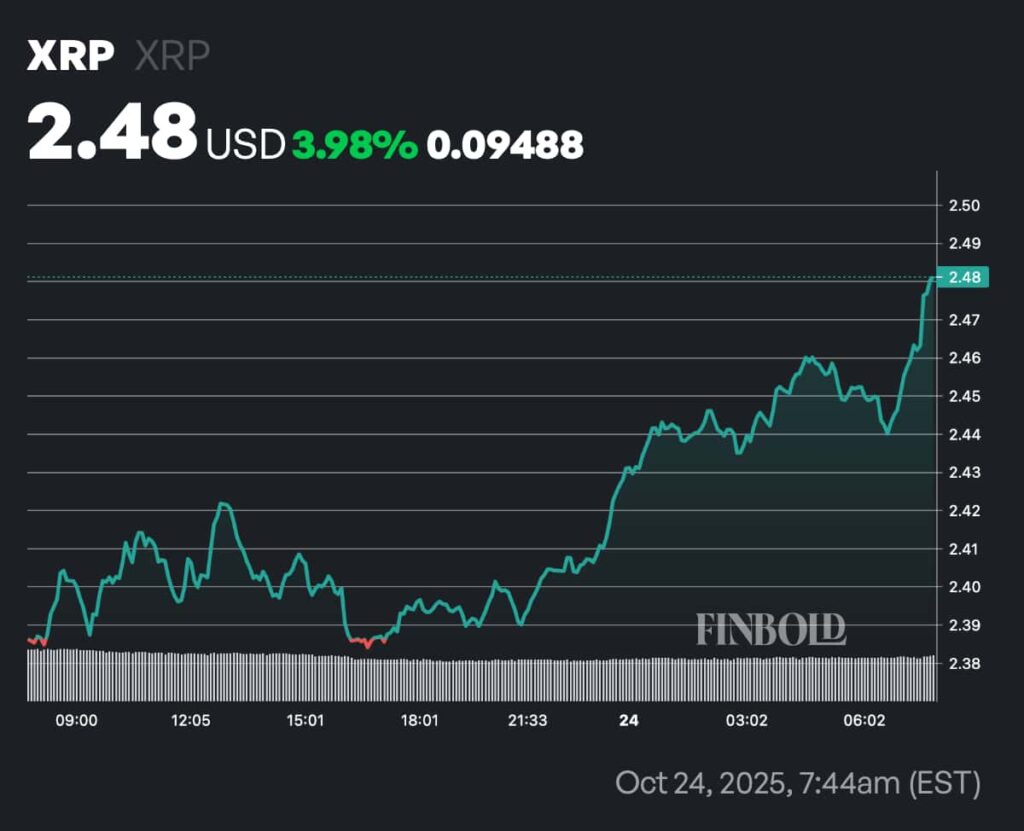
Decoding XRP: Cryptocurrency vs. Traditional Investing
To the uninitiated, the term “XRP stock” is a common misnomer. In the world of finance, stocks provide you with ownership rights, dividends, and voting power within a company. XRP provides none of these. Instead, XRP is a digital currency that functions on a decentralized, open-source blockchain.
Is it a Security or a Currency?
The question of whether XRP is a security (like a stock) or a commodity/currency has been at the heart of one of the most significant legal battles in financial history. The U.S. Securities and Exchange Commission (SEC) famously challenged Ripple Labs, alleging that the sale of XRP constituted an unregistered securities offering.
For investors, the distinction is paramount. If XRP were legally classified as a security, it would be subject to strict regulatory oversight similar to the shares of Apple or Amazon. However, a landmark 2023 court ruling suggested that XRP is not, in itself, a security when sold on public exchanges. This distinction has solidified XRP’s status in the “Money” niche as a functional digital asset rather than a stake in a corporate entity.
The Relationship Between Ripple Labs and XRP
While XRP and the company Ripple are often used interchangeably, they are distinct entities. Ripple is a private, for-profit technology company based in San Francisco. It uses XRP and the XRP Ledger to power its liquidity products and cross-border payment solutions.
Investors cannot buy “Ripple stock” on public markets (as of now), but they can buy XRP. The value of XRP is often influenced by the success of Ripple’s business partnerships. When Ripple signs a major deal with a global bank like Santander or Standard Chartered, the market often reacts by driving the price of XRP upward, assuming increased utility will lead to increased demand.
The Utility of XRP in the Global Financial Landscape
In the world of personal and business finance, efficiency is the ultimate currency. Traditional international wire transfers via the SWIFT network can take three to five business days and incur significant fees. This “pre-internet” approach to money movement is where XRP finds its primary value proposition.
RippleNet and Cross-Border Payments
Ripple’s flagship product, RippleNet, is a network of institutional payment providers that use XRP to settle transactions instantly. Unlike Bitcoin, which was designed to bypass banks, XRP was built to work with them.
By using XRP as a “bridge currency,” financial institutions can eliminate the need for “nostro” accounts—pre-funded accounts in foreign currencies that hold trillions of dollars in idle capital globally. Through On-Demand Liquidity (ODL), a bank can convert its local currency into XRP, send it across the world in seconds, and have it converted into the destination currency immediately. This frees up massive amounts of capital, making it a revolutionary tool for corporate finance.
Transaction Speed and Scalability
From an investment perspective, the “tech” is only as good as the “financial result.” XRP boasts some of the most impressive metrics in the crypto space:
- Settlement Time: Transactions on the XRP Ledger settle in 3–5 seconds.
- Cost: The average transaction fee is a fraction of a penny (typically around 0.0002 XRP).
- Throughput: The ledger can handle over 1,500 transactions per second, comparable to Visa’s network capabilities.

For the modern investor, these statistics represent a competitive advantage. In a world where “time is money,” the financial utility of a network that can move value as fast as information is immense.
Investing in XRP: Risks, Rewards, and Market Volatility
As with any asset in the “Money” and “Investing” category, XRP carries a unique risk-reward profile. Unlike a traditional savings account or a blue-chip stock, the cryptocurrency market is characterized by high volatility and speculative cycles.
Market Capitalization and Liquidity
XRP consistently ranks among the top ten largest cryptocurrencies by market capitalization. High market cap usually implies higher liquidity, meaning it is relatively easy for an investor to enter or exit a position without significantly moving the market price. This liquidity is a double-edged sword; while it attracts institutional interest, it also makes XRP a favorite for high-frequency traders, which can lead to rapid price swings.
The total supply of XRP is capped at 100 billion tokens. Crucially, a large portion of this supply is held in escrow by Ripple Labs, released periodically to maintain the ecosystem and sell to institutional partners. While this ensures a steady supply for utility, some investors worry about the inflationary pressure these releases might place on the price.
Regulatory Hurdles and the SEC Influence
One cannot discuss the financial outlook of XRP without addressing the “SEC shadow.” The multi-year litigation between the SEC and Ripple has been a primary driver of XRP’s price action. For years, the uncertainty caused many major exchanges (like Coinbase) to delist the asset, stifling its growth in the U.S. market.
Now that the legal landscape is clearing, XRP is viewed by many as one of the few digital assets with “legal clarity.” For a professional investor, clarity is often more important than the current price. It allows for institutional-grade risk assessment and opens the door for Exchange Traded Funds (ETFs) and other traditional financial instruments to potentially incorporate XRP in the future.
Building a Portfolio: Where XRP Fits for the Modern Investor
Integrating XRP into a broader financial strategy requires a nuanced understanding of diversification. Because XRP is more of a “utility” play than a “store of value” play (like Bitcoin), its role in a portfolio is often different from other digital assets.
Diversification Strategies
In personal finance, the goal is to balance risk. XRP is often seen as a “fintech hedge.” If you believe that the traditional banking system will eventually merge with blockchain technology, XRP is a direct bet on that outcome.
- Speculative Allocation: Many investors allocate a small percentage (1–5%) of their total portfolio to high-growth, high-risk assets like XRP.
- Correlation: XRP often moves independently of the stock market but can be correlated with the broader crypto market. However, news specific to Ripple’s legal wins or bank partnerships can cause XRP to “decouple” and move on its own.
Long-term Outlook vs. Speculative Trading
Is XRP a “get rich quick” scheme or a long-term retirement asset? The answer depends on your time horizon.
- The Trader’s View: Short-term traders look for volatility spikes, often playing the news cycles around regulatory updates or partnership announcements.
- The Investor’s View: Long-term holders focus on “Utility-Based Valuation.” They argue that if even 10% of the global cross-border payment volume moves through the XRP Ledger, the demand for the token would naturally drive the price to multiples of its current value, regardless of market sentiment.
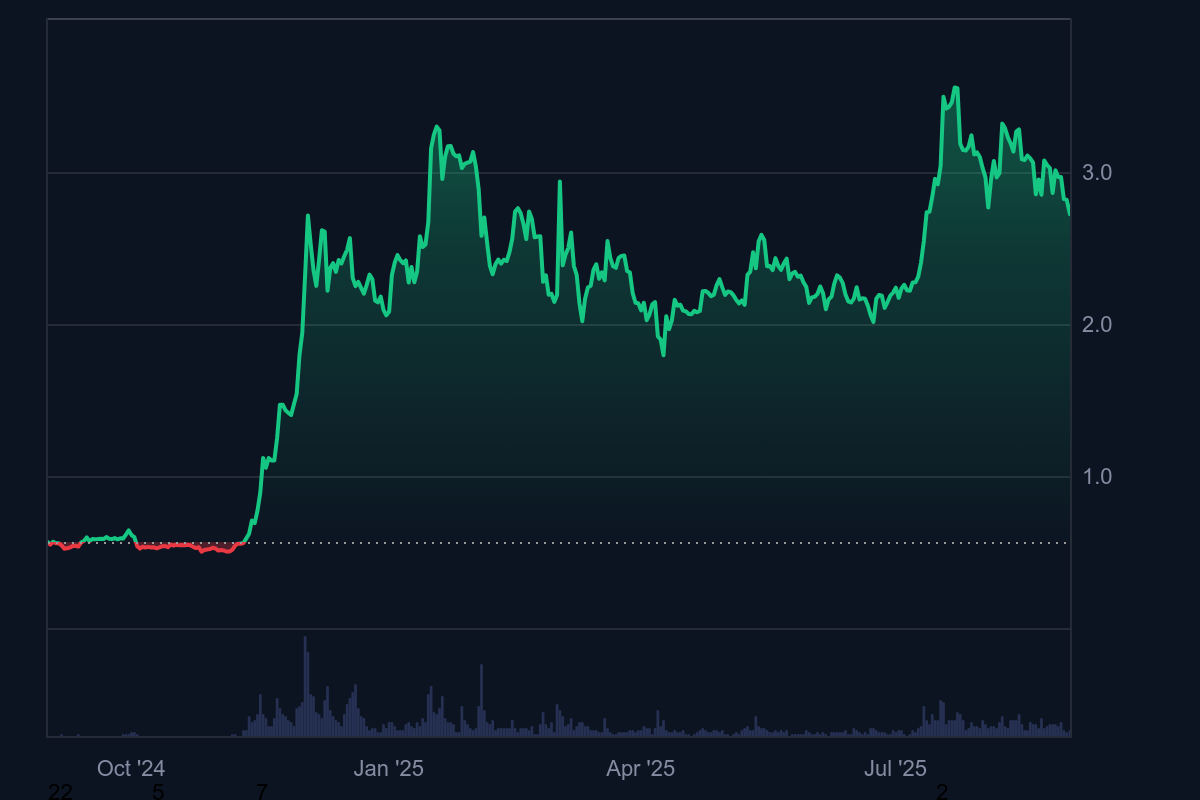
Conclusion: The Bottom Line on XRP
While “XRP stock” might be the term that brings people to the table, the reality of the asset is far more complex and potentially more impactful. XRP represents a bridge between the old guard of Wall Street and the new frontier of decentralized finance. It is an asset designed not just for individual wealth, but for institutional efficiency.
Investing in XRP requires a high tolerance for volatility and a keen eye on global regulatory shifts. As the world moves closer to a digital-first financial system, the role of bridge currencies like XRP will likely become more prominent. Whether you view it as a revolutionary financial tool or a speculative digital asset, one thing is certain: XRP has moved beyond the “experiment” phase and is now a cornerstone of the modern conversation regarding the future of money.
aViewFromTheCave is a participant in the Amazon Services LLC Associates Program, an affiliate advertising program designed to provide a means for sites to earn advertising fees by advertising and linking to Amazon.com. Amazon, the Amazon logo, AmazonSupply, and the AmazonSupply logo are trademarks of Amazon.com, Inc. or its affiliates. As an Amazon Associate we earn affiliate commissions from qualifying purchases.