
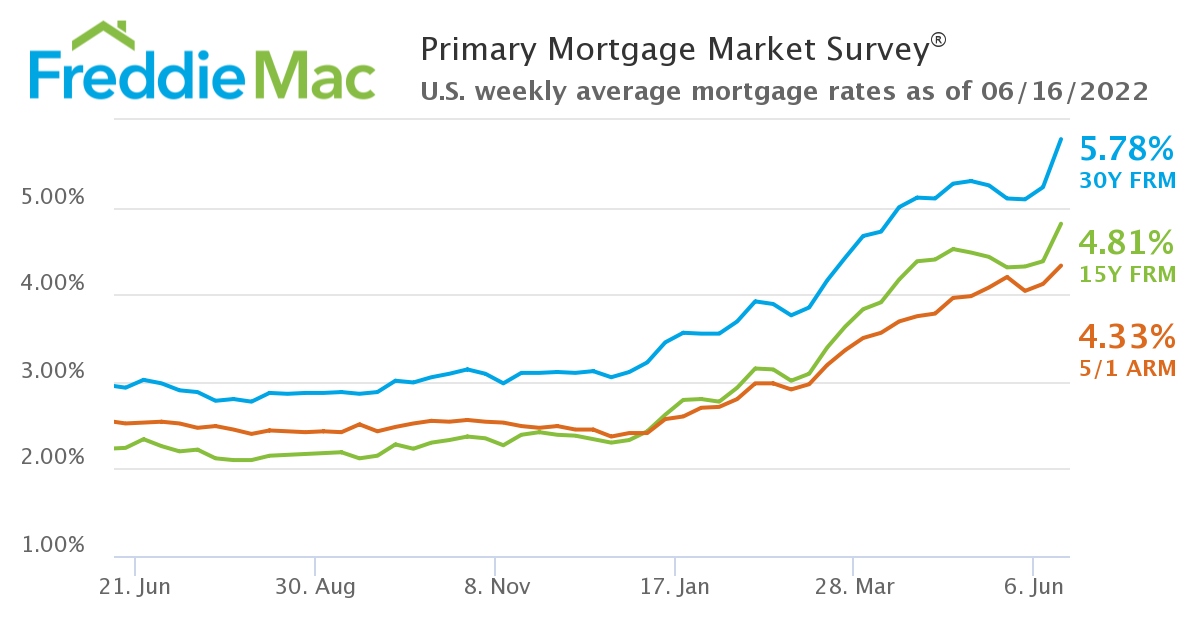
The question of when mortgage rates will decrease has become a dominant concern for millions of prospective homebuyers and existing homeowners alike. After a period of historically low rates, the rapid ascent over the past couple of years has fundamentally shifted the housing market landscape, making affordability a significant challenge for many. Understanding the intricate factors that influence these rates, from global economic shifts to the nuanced decisions of central banks, is crucial for anyone navigating the current financial climate. This article delves into the underlying mechanics of mortgage rate fluctuations, examines the current economic indicators, explores expert predictions, and offers actionable strategies for those affected by the prevailing high-rate environment.
Understanding the Forces Behind Mortgage Rates
Mortgage rates are not set in a vacuum. They are a complex interplay of several macroeconomic factors, primarily influenced by the Federal Reserve’s monetary policy, inflation trends, and the dynamics of the bond market. Grasping these foundational elements is key to anticipating future rate movements.
The Federal Reserve’s Role and Monetary Policy
The Federal Reserve, the central bank of the United States, plays a pivotal role in shaping the economic environment, which in turn profoundly impacts mortgage rates. While the Fed does not directly set mortgage rates, its actions, particularly regarding the federal funds rate, have a strong indirect influence.
The federal funds rate is the target rate for overnight borrowing between banks. When the Fed raises this rate, it makes borrowing more expensive for banks, a cost that is then passed on to consumers and businesses through higher interest rates on loans, including variable-rate mortgages, credit cards, and business loans. The Fed’s primary tool for managing inflation is adjusting this rate, aiming to slow down economic activity when inflation is too high and stimulate it when inflation is too low. Mortgage rates, especially fixed-rate mortgages, are more closely tied to the 10-year Treasury yield, but even these yields react strongly to expectations about the Fed’s future moves.
Furthermore, the Fed engages in quantitative easing (QE) or quantitative tightening (QT). During QE, the Fed buys government bonds and mortgage-backed securities (MBS), injecting liquidity into the market and putting downward pressure on long-term interest rates. Conversely, QT involves the Fed reducing its holdings of these assets, which tends to push long-term rates higher by increasing the supply of bonds in the market.
Inflationary Pressures
Inflation is perhaps the single most significant factor currently driving the Fed’s decisions and, consequently, influencing mortgage rates. When inflation (the rate at which prices for goods and services are rising) is high, the purchasing power of money diminishes. Lenders, to ensure they earn a real return on their loans after accounting for inflation, will demand higher interest rates.
The Fed’s dual mandate is to achieve maximum employment and stable prices (low, stable inflation, typically around 2%). If inflation is persistently above this target, the Fed is likely to maintain a restrictive monetary policy, keeping interest rates higher for longer. Key inflation indicators the Fed closely monitors include the Consumer Price Index (CPI), the Personal Consumption Expenditures (PCE) price index (its preferred measure), and various measures of wage growth. A sustained cooling of these inflation metrics is a prerequisite for the Fed to consider cutting rates, which would then pave the way for lower mortgage rates.
The Bond Market and Treasury Yields
Fixed-rate mortgages, particularly the popular 30-year fixed mortgage, are predominantly influenced by the 10-year Treasury yield. This is because mortgage lenders typically use the 10-year Treasury as a benchmark to price their long-term loans. When investors demand higher yields on Treasury bonds, often due to inflation concerns or expectations of higher future interest rates, mortgage rates tend to follow suit.
The bond market acts as a forward-looking indicator. Bond traders factor in anticipated economic growth, inflation expectations, and future Fed policy moves. If the market anticipates inflation to subside and the Fed to cut rates in the future, bond yields might start to decline even before the Fed officially acts, potentially offering an early signal for mortgage rate decreases. Conversely, if economic data suggests persistent inflation or stronger-than-expected growth, bond yields could rise, pushing mortgage rates higher.
Economic Growth and Employment Data
The overall health of the economy, as measured by indicators like Gross Domestic Product (GDP), job reports, and consumer confidence, also plays a role. A robust economy with strong job growth and high consumer spending can lead to increased demand for goods and services, potentially fueling inflation. In such a scenario, the Fed might feel compelled to keep rates higher to prevent the economy from “overheating.”
Conversely, signs of an economic slowdown, such as declining GDP, rising unemployment, or reduced consumer spending, could prompt the Fed to consider cutting rates to stimulate economic activity. A weakening labor market, in particular, could signal that the economy is cooling sufficiently to allow for rate cuts without reigniting inflation.
Current Economic Landscape and Rate Trajectory
The current economic environment is characterized by a balancing act between slowing inflation and a resilient labor market. This dynamic presents a complex challenge for the Fed and creates uncertainty regarding the timing and magnitude of future rate adjustments.
Recent Fed Actions and Statements
Over the past year, the Federal Reserve has undertaken aggressive interest rate hikes to combat surging inflation. After a series of increases, the Fed has signaled a pause in its rate-hiking cycle, opting instead to monitor economic data closely. Recent statements from Fed officials emphasize a data-dependent approach, indicating that any future rate decisions will hinge on clear evidence of sustained progress towards their 2% inflation target. The phrase “higher for longer” has become a common refrain, suggesting that while the immediate hiking cycle might be over, rates are unlikely to drop precipitously in the near term until inflation is unequivocally under control.
Inflation Trends: Cooling or Persistent?
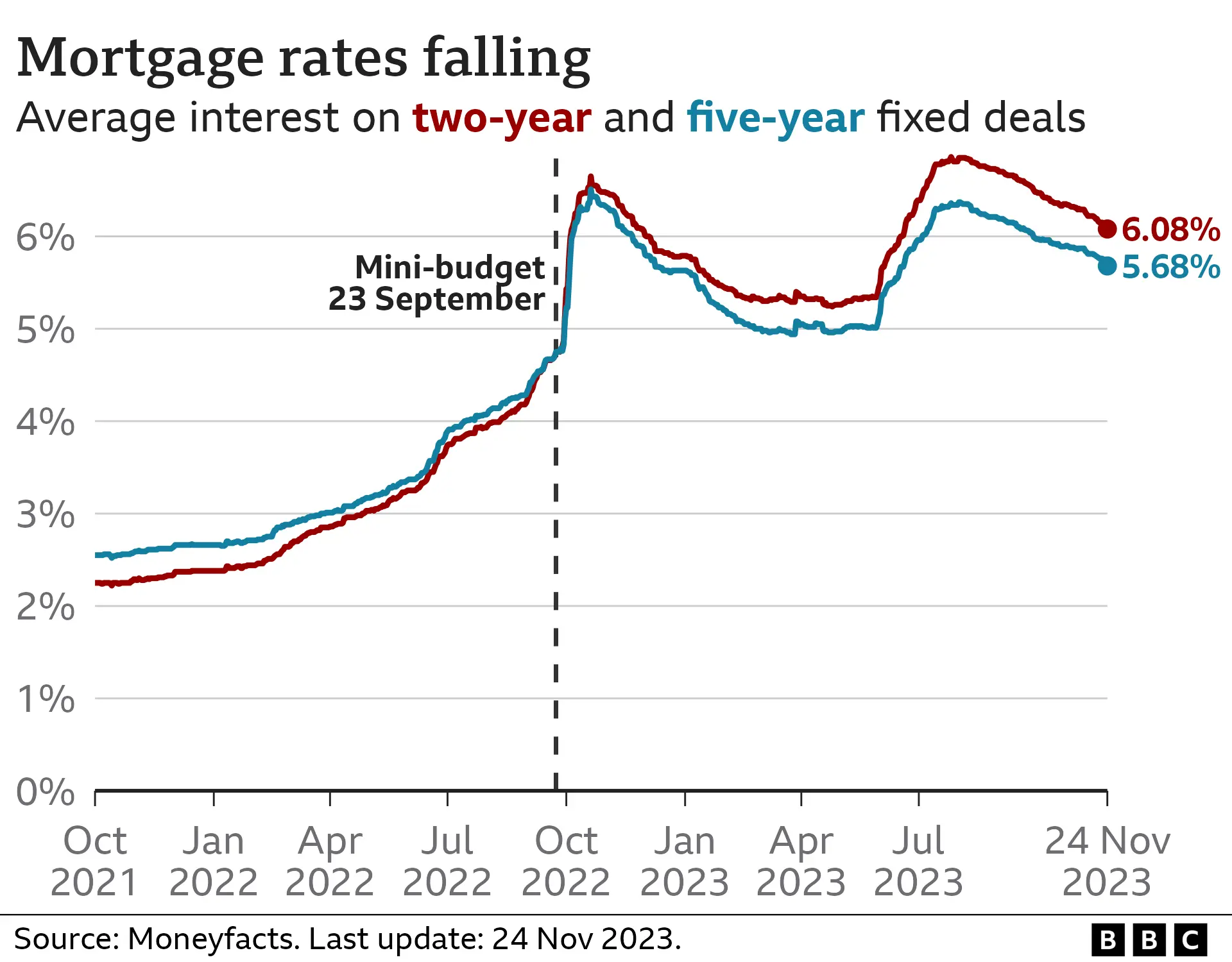
There is encouraging evidence that inflation is indeed cooling from its peak. Supply chain disruptions have largely eased, and commodity prices have moderated. The core PCE index, the Fed’s preferred measure, has shown a gradual downward trend. However, services inflation, particularly in sectors like housing and wages, has proven stickier. This “last mile” of inflation reduction is proving challenging. The path to 2% inflation is not expected to be linear, and any resurgence in inflationary pressures could quickly alter the Fed’s stance and delay rate cuts.
Labor Market Strength
Remarkably, the U.S. labor market has demonstrated considerable resilience despite the Fed’s tightening measures. Unemployment rates have remained historically low, and job creation, while moderating, has continued to be robust. Wage growth, a key component of services inflation, has also been strong. A strong labor market, while positive for workers, complicates the Fed’s task. It signals continued economic momentum, which could put upward pressure on inflation. For the Fed to feel comfortable cutting rates, they would ideally like to see some moderation in the labor market, suggesting a more balanced supply and demand for labor.
Geopolitical Factors and Global Economy
Beyond domestic economic indicators, global events also cast a shadow over interest rate predictions. Geopolitical tensions, such as conflicts in Europe or the Middle East, can disrupt global supply chains, drive up energy prices, or introduce uncertainty into financial markets, all of which can have inflationary consequences or impact economic growth. Similarly, the economic performance of major trading partners can influence U.S. economic stability. A global slowdown, for example, could put downward pressure on commodity prices and reduce demand for U.S. exports, indirectly influencing the Fed’s decisions.
Expert Forecasts and Market Expectations
Predicting the precise timing and magnitude of mortgage rate movements is inherently challenging, given the multitude of variables at play. However, financial institutions and economic analysts continually provide forecasts based on their models and interpretation of data.
Consensus Among Financial Institutions
The broad consensus among major financial institutions and economic forecasting bodies is that mortgage rates are likely to trend downwards in the coming year, but not dramatically or rapidly. Most anticipate a gradual decline, possibly beginning in mid-to-late next year, contingent on sustained evidence of disinflation. The expectation is not a return to the ultra-low rates seen during the pandemic but rather a moderation to levels that are still historically respectable but more manageable for borrowers. Forecasts often project 30-year fixed rates to settle into the mid-6% or even high-5% range by the end of the next year, down from their recent peaks.
Factors That Could Accelerate or Delay Rate Declines
Several factors could either accelerate or delay the anticipated decline in mortgage rates.
Accelerators:
- Faster-than-expected disinflation: If inflation cools more rapidly across all sectors, including services, the Fed might gain confidence to cut rates sooner.
- Significant economic slowdown/recession: A more pronounced economic downturn or a sharp increase in unemployment would likely compel the Fed to cut rates more aggressively to stimulate growth.
- Resolution of geopolitical tensions: A reduction in global uncertainty could stabilize markets and reduce inflationary pressures from commodities.
Delays: - Persistent inflation: If inflation proves stickier than anticipated, particularly core services inflation, the Fed would be forced to maintain higher rates for longer.
- Stronger-than-expected economic growth: A surprisingly resilient economy might lead the Fed to believe that rates need to remain restrictive to prevent inflationary pressures from re-emerging.
- New economic shocks: Unforeseen events like another energy crisis or supply chain disruption could reignite inflation or create new uncertainties, delaying rate cuts.
The “Soft Landing” vs. “Recession” Debate
A significant debate among economists centers on whether the U.S. economy will achieve a “soft landing” – where inflation is brought under control without triggering a recession – or if a recession is inevitable to tame prices.
- Soft Landing Scenario: In this scenario, inflation gradually returns to target, the labor market cools but avoids mass layoffs, and the economy continues to grow, albeit slowly. Mortgage rates would likely decline gradually as the Fed makes measured rate cuts.
- Recession Scenario: If a recession occurs, potentially with rising unemployment, the Fed would likely cut rates more aggressively to stimulate economic activity. This could lead to a more rapid decline in mortgage rates, though it would come with the significant downside of economic hardship. The market’s anticipation of which scenario will play out heavily influences bond yields and, by extension, mortgage rates.
Strategies for Homebuyers and Homeowners in a High-Rate Environment
Navigating a high-rate mortgage environment requires careful planning and strategic decision-making for both prospective buyers and existing homeowners. Adaptability and financial preparedness are key.
For Prospective Buyers: Waiting vs. Buying Now
The decision to wait or buy now is complex and depends heavily on individual financial circumstances and market outlook.
- The “Wait and See” Approach: Waiting for rates to drop might seem appealing, but it comes with risks. While rates could decline, home prices might continue to rise in many desirable markets due to ongoing supply shortages. A modest rate drop might be offset by a significant increase in home prices, leading to a similar or even higher monthly payment.
- The “Buy Now, Refinance Later” Strategy: Many financial advisors suggest focusing on affordability at current rates. If a home is within budget and meets personal needs, buying now with the intention to refinance when rates drop is a viable strategy. This allows buyers to secure a home and potentially benefit from future rate reductions without trying to time the market perfectly. Some lenders offer “rate reduction” programs or “float down” options for a limited time after closing.
- Adjustable-Rate Mortgages (ARMs): ARMs offer lower initial interest rates compared to fixed-rate mortgages, but the rate adjusts after an initial fixed period. For buyers confident that rates will fall within the next 3-5 years, an ARM could offer a lower payment upfront. However, ARMs carry the risk that if rates do not fall, or even rise, the monthly payments could increase significantly.
- Prioritize Affordability: Regardless of the strategy, ensuring the monthly mortgage payment is comfortably within budget is paramount. Factor in property taxes, insurance, and potential maintenance costs.
For Current Homeowners: Refinancing Opportunities
Existing homeowners who secured ultra-low rates during the pandemic are likely in a strong position. However, those who purchased or refinanced during the recent high-rate period might be eyeing future refinancing opportunities.
- Monitoring Rates: Homeowners with higher rates should actively monitor mortgage rates. Financial tools and alerts can help track daily fluctuations. Knowing when a significant drop occurs can allow for swift action.
- The Refinance Trigger: Determine a specific rate point that would make refinancing worthwhile. Consider not just the interest rate but also the closing costs associated with refinancing. A general rule of thumb is that a 0.75% to 1% reduction in your current rate might make refinancing cost-effective, but this varies based on loan size and remaining term.
- Cash-Out Refinance Considerations: While a rate drop might be a good time to consider a cash-out refinance, approach it cautiously. While it can provide funds for home improvements or debt consolidation, it also replaces your existing mortgage with a new one at potentially different terms and extends the loan period.
Financial Preparedness and Budgeting
In any interest rate environment, robust financial planning is non-negotiable.
- Build an Emergency Fund: Having a substantial emergency fund (3-6 months of living expenses) is critical to weather unexpected financial challenges without jeopardizing mortgage payments.
- Manage Debt: High-interest debt can severely impact a household’s financial flexibility. Prioritizing debt reduction frees up cash flow and improves borrowing power.
- Understand Affordability: Use online calculators to stress-test your budget against various interest rate scenarios. Ensure you understand the total cost of homeownership, not just the principal and interest.
- Consult a Financial Advisor: A professional can provide personalized advice based on your specific financial situation, risk tolerance, and long-term goals.
In conclusion, while the consensus points towards a gradual decline in mortgage rates in the coming year, significant uncertainty remains. The path to lower rates is contingent on a complex interplay of inflation, Fed policy, and broader economic stability. For homebuyers and homeowners, informed decision-making, combined with a focus on financial resilience, will be the most effective strategy for navigating this dynamic market.
aViewFromTheCave is a participant in the Amazon Services LLC Associates Program, an affiliate advertising program designed to provide a means for sites to earn advertising fees by advertising and linking to Amazon.com. Amazon, the Amazon logo, AmazonSupply, and the AmazonSupply logo are trademarks of Amazon.com, Inc. or its affiliates. As an Amazon Associate we earn affiliate commissions from qualifying purchases.