
In the vast landscape of publishing, few products possess the longevity and market dominance of the Bible. While it is a spiritual text, it is also a commercial powerhouse. For publishers, marketers, and data analysts, the Bible represents a masterclass in brand consistency and product evolution. Understanding why certain versions rise to the top of the charts—and remain there—requires a deep dive into brand strategy, consumer segmentation, and the art of product positioning.
The King James Version (KJV): The Gold Standard of Brand Equity
The King James Version remains the undisputed market leader in terms of sheer volume and historical recognition. From a branding perspective, the KJV is the ultimate example of “brand equity.” First published in 1611, it has enjoyed over 400 years of market saturation.
Leveraging Tradition and Authority
The KJV is often perceived by consumers as the “authentic” version. In branding terms, this is a powerful competitive moat. When a product has been the status quo for centuries, it occupies a mental space that newer competitors struggle to infiltrate. The language—elevated, rhythmic, and archaic—has become synonymous with the concept of “the Bible” itself. For many consumers, a translation that does not sound like the KJV feels, at a subconscious level, like a lesser product.
The Power of Public Domain
From a corporate strategy standpoint, the KJV is unique because it is in the public domain. This has allowed hundreds of publishers to print, distribute, and innovate on the physical design of the book without paying royalties. This open-source accessibility has ensured that the KJV is available at every price point, from mass-market bargain bins to luxury leather-bound editions. By being ubiquitous, the brand maintains its dominance across all economic demographics.
The New International Version (NIV): Modernizing for Market Share
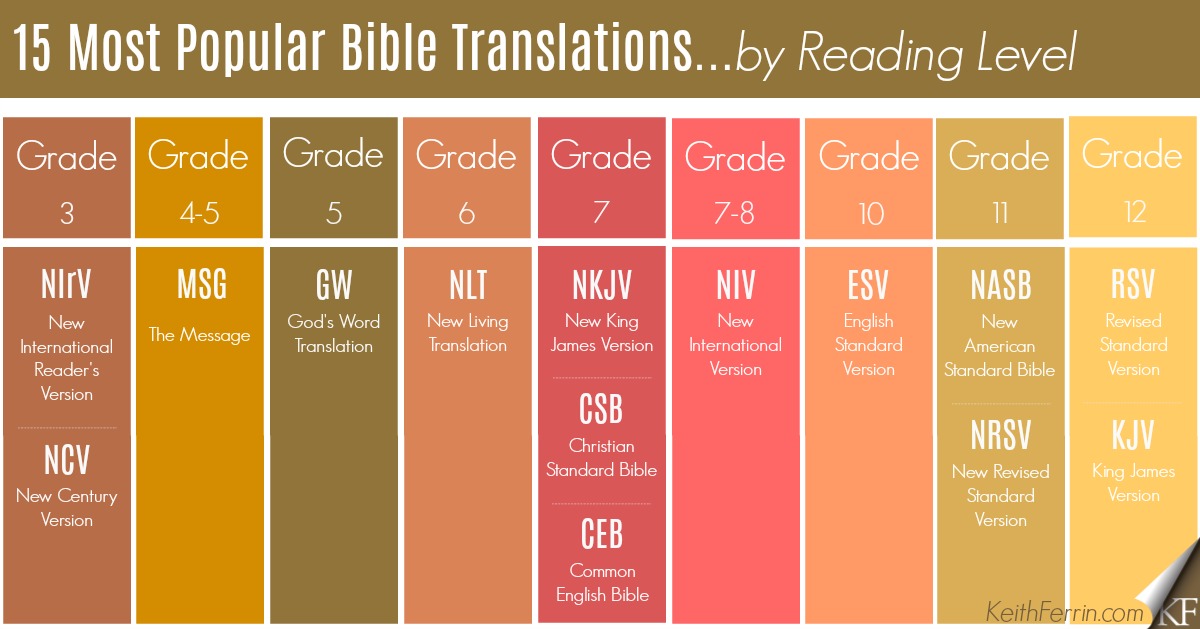
If the KJV represents tradition, the New International Version (NIV) represents the successful capture of the “modern user.” Since its release in 1978, the NIV has been the strategic response to the shifting linguistic needs of the American consumer. It is a textbook case of a brand identifying a pain point—the difficulty of understanding archaic English—and providing a solution that aligns with contemporary communication styles.
User Experience (UX) and Readability
The NIV was designed with a specific philosophy: “thought-for-thought” translation rather than “word-for-word.” This focus on readability—or what we might call the user experience—has allowed the NIV to capture the segment of the market that prioritizes utility over tradition. By making the text accessible to a younger demographic and those for whom English is a second language, the NIV has effectively expanded the total addressable market (TAM) for the Bible.
Strategic Distribution Partnerships
The success of the NIV is also a case study in effective distribution strategy. By partnering with major religious organizations and retail chains, the NIV positioned itself as the standard for church life and personal study. It is the version most frequently recommended by clergy and Bible study leaders, creating a “B2B2C” (Business-to-Business-to-Consumer) model where the product is endorsed by authority figures and subsequently purchased by the end-user.

Emerging Contenders: Niche Branding and Targeted Demographics
While the KJV and NIV dominate the mass market, the Bible publishing industry has evolved to embrace specialized branding. In a crowded marketplace, generic products struggle to compete; therefore, publishers are increasingly utilizing “niche branding” to appeal to specific sub-segments.
Designing for Personality: The Lifestyle Bible
Modern Bible branding now mirrors the strategies used by luxury lifestyle brands. We are seeing an influx of “Journaling Bibles,” “Minimalist Editions,” and Bibles designed with specific aesthetic palettes to match the home décor or personal style of the consumer. This is a direct application of marketing principles that prioritize the physical object as a statement piece rather than just a utilitarian text.
Digital Transformation and Data-Driven Translation
The rise of digital platforms like YouVersion and Logos Bible Software has fundamentally changed how the Bible is consumed. Digital analytics allow publishers to see exactly which versions are being highlighted, searched, and shared in real-time. This data-driven approach has led to the rise of translations like the English Standard Version (ESV), which has gained massive traction in the digital space. The ESV’s growth is attributed to its balance of scholarly accuracy and modern syntax, making it highly “shareable” and readable on screens.
The Competitive Future: Positioning in a Fragmented Market
The future of Bible publishing rests on how well organizations can navigate a fragmented landscape where consumer preference is increasingly hyper-personalized. The “one-size-fits-all” model is fading in favor of targeted segments.
The Move Toward Multi-Channel Engagement
Success in this market no longer depends on the text alone, but on the ecosystem surrounding it. The most popular versions are now those that exist across multiple touchpoints—physical print, audio streaming, mobile apps, and video sermon series. Brands that can provide a seamless omnichannel experience are the ones that maintain long-term consumer loyalty.
Brand Loyalty vs. Translation Preference
Interestingly, consumer data suggests that while people may start with one translation, they often cross-reference others. This behavior provides a strategic opening for publishers to sell “parallel bibles” or integrated software suites that include multiple versions. This is essentially an “upsell” strategy, turning a single-product customer into a multi-product user.

Defining “Popularity” Through Metrics
Ultimately, defining the “most popular” version depends on the metric used. If popularity is defined by long-term sales data, the KJV holds the crown. If defined by contemporary growth and active daily usage, the NIV and ESV are the primary competitors. For marketers, the key takeaway is that the Bible industry operates exactly like any other high-stakes consumer goods sector. It relies on deep brand trust, strategic alignment with user needs, constant refinement of the user interface (the text), and an aggressive, multi-channel distribution strategy.
In conclusion, the most popular Bible is not necessarily the one that is objectively “best” in a vacuum; it is the one that best understands its target audience’s needs. Whether those needs are rooted in historical continuity, modern linguistic ease, or digital-first accessibility, the winners in this market are those who treat their product as a living brand, capable of evolving alongside the society they serve. By analyzing the current market, it is clear that the Bible’s enduring popularity is a direct result of effective brand positioning, proving that even a 400-year-old product can dominate the modern marketplace through strategic excellence.
aViewFromTheCave is a participant in the Amazon Services LLC Associates Program, an affiliate advertising program designed to provide a means for sites to earn advertising fees by advertising and linking to Amazon.com. Amazon, the Amazon logo, AmazonSupply, and the AmazonSupply logo are trademarks of Amazon.com, Inc. or its affiliates. As an Amazon Associate we earn affiliate commissions from qualifying purchases.