
In the complex ecosystem of personal finance, travel expenditures often represent a significant line item for individuals and families alike. While the allure of exploring new destinations or reconnecting with loved ones remains strong, the fluctuating cost of airfares can transform an exciting prospect into a daunting financial challenge. Understanding when airfares are cheapest isn’t merely about finding a good deal; it’s a fundamental aspect of intelligent budgeting, maximizing disposable income, and making travel dreams a reality without compromising financial stability. This guide delves into the intricate dynamics that govern airline pricing, equipping you with the knowledge and strategies to secure the most economical flights and elevate your financial planning to new heights. By mastering the art of timing, leveraging market insights, and employing astute search tactics, you can unlock substantial savings, transforming potentially expensive journeys into affordable adventures.

The Rhythmic Flow of Demand: Understanding Peak and Off-Peak Travel
Airline pricing is a sophisticated algorithm driven by a core economic principle: supply and demand. Periods of high demand invariably lead to higher prices, while slacker periods present opportunities for significant savings. Recognizing these patterns is the first step toward becoming a financially savvy traveler.
Navigating Seasonal Highs and Lows
Every destination has its peak season, often dictated by weather, local events, or school holidays. For instance, European summer (June-August) or Caribbean winter (December-April) are prime examples of high-demand periods where prices naturally surge. Conversely, the shoulder seasons—the periods immediately before or after the peak—and the true off-season offer a reprieve. During these times, fewer tourists translate into less competition for seats, prompting airlines to lower fares to fill their planes. A trip to Italy in May or September, for example, typically yields more affordable flights than one in July, not to mention a more pleasant travel experience with fewer crowds. This principle applies globally; understanding the climatic and cultural rhythms of your desired destination is paramount for identifying when demand slackens and prices fall.
The High Cost of Holiday Travel
Perhaps no factor inflates airfares more predictably than major holidays. Thanksgiving, Christmas, New Year’s, Easter, and even popular long weekends like Memorial Day or Labor Day, trigger massive spikes in travel demand as people visit family or embark on holiday vacations. Airlines are acutely aware of this inelastic demand and price their tickets accordingly. Booking flights for these periods often requires a willingness to pay a substantial premium. For those with fixed holiday travel plans, the financial strategy shifts from finding the absolute cheapest fare to finding the least expensive option within a highly inflated market. This often means booking exceptionally early (sometimes 6-12 months in advance), being flexible with travel dates (e.g., flying on the holiday itself rather than the day before), or considering less direct routes. For the budget-conscious, avoiding holiday travel altogether or shifting dates by even a few days can result in hundreds of dollars in savings, freeing up funds for other financial goals or an extended trip later.
Discovering the “Shoulder Season” Advantage
The shoulder season represents a financial sweet spot for travelers. These are the months immediately preceding or following the peak travel period for a particular destination. For example, for many popular European cities, April-May and September-October constitute the shoulder seasons. During these times, the weather is often still pleasant, tourist attractions are open, and crowds are manageable, yet airfares and accommodation costs are noticeably lower than during the high summer. This window offers an ideal balance of cost savings and quality of experience, making it a prime target for financially intelligent travel planning. By consciously targeting shoulder seasons, travelers can significantly reduce their overall travel budget, allowing for longer trips, more luxurious experiences within the same budget, or simply retaining more capital for other investments. It’s a strategic choice that reflects a deeper understanding of market dynamics and personal finance.
The Strategic Timing of Your Booking: Days, Weeks, and Months That Matter
Beyond the overarching seasonal trends, the specific moment you choose to book your flight can have a profound impact on the price you pay. Airlines employ sophisticated dynamic pricing models, constantly adjusting fares based on a multitude of factors, making the “perfect” booking time an elusive but highly rewarding target.
The Optimal Booking Window: A Balancing Act
There’s no single magic number for the perfect booking window, as it varies by route, airline, and time of year. However, a general rule of thumb, often referred to as the “Goldilocks Zone,” suggests booking domestic flights between 1 to 3 months out, and international flights 2 to 8 months in advance. Booking too early (e.g., a year in advance) can sometimes result in higher prices, as airlines haven’t yet begun their competitive pricing adjustments or released their full slate of discount fares. Booking too late, especially within a few weeks of departure, almost invariably leads to exorbitant costs, as airlines capitalize on last-minute business travelers and those with urgent, inflexible travel needs. This window allows airlines to gauge demand and adjust prices, offering competitive fares to fill seats without resorting to deep discounts. Savvy travelers monitor prices within this optimal window, ready to pounce when a favorable fare appears.
The Day of the Week Myth vs. Reality
For years, the myth persisted that Tuesdays or Wednesdays were the absolute best days to book flights. The theory was that airlines would release sales on Monday evenings, and competing airlines would match those prices by Tuesday, creating a brief window of opportunity. While there’s a grain of historical truth to this, modern dynamic pricing systems mean that prices can change multiple times a day, every day of the week. Therefore, rather than focusing on a specific day for booking, a more financially sound strategy is to focus on the day of the week for travel. Flights departing on Tuesdays, Wednesdays, and Saturdays (especially early morning flights) are generally cheaper than those on high-demand days like Fridays and Sundays. This is because business travelers often prefer mid-week and early week travel, and leisure travelers prefer weekend departures, driving up demand and prices on those days. By shifting your departure or return by a day or two, you can often unlock significant savings, a prime example of how small adjustments in planning can yield substantial financial benefits.
Why Last-Minute Deals Are a Risky Bet
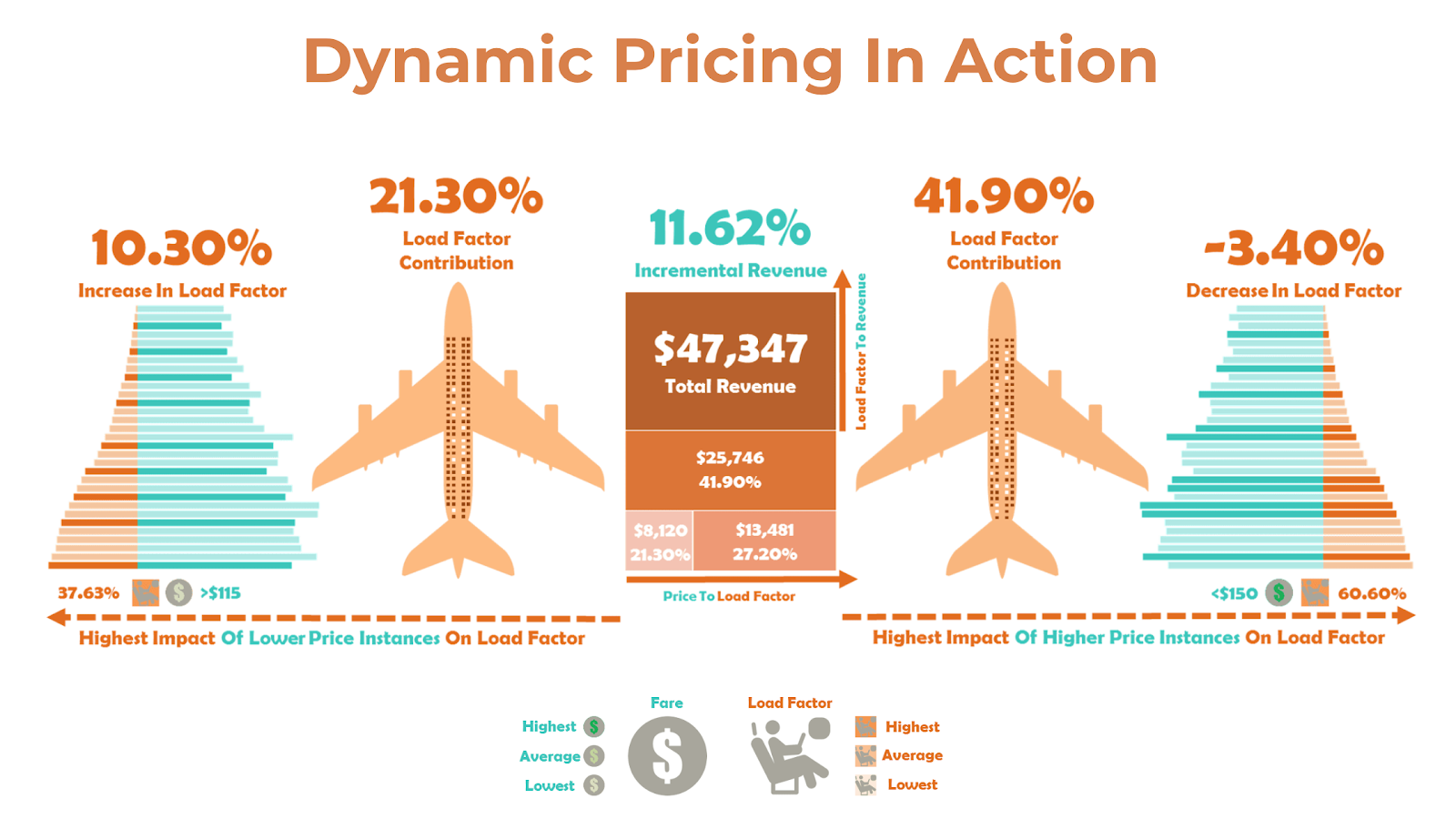
While the romantic notion of a spontaneous, dirt-cheap last-minute flight deal occasionally materializes, relying on such an occurrence for planned travel is a financially perilous strategy. For the vast majority of travelers, especially those heading to popular destinations or traveling during peak times, last-minute bookings result in the highest possible fares. Airlines understand that travelers booking very close to departure often have urgent needs or limited flexibility, allowing them to charge a premium. While airlines sometimes drop prices on a few remaining seats to avoid flying empty, these are rare and highly unpredictable. For budget-conscious travelers, particularly those flying on a fixed schedule or to a specific destination, embracing the optimal booking window is a far more reliable and financially responsible approach than gambling on a last-minute miracle. The goal is to minimize financial risk and maximize savings through informed planning, not to chase unlikely windfalls.
Harnessing Flexibility and Smart Search Tactics for Maximum Savings
In the quest for the cheapest airfares, flexibility is not just a convenience; it’s a powerful financial lever. Coupled with astute search strategies, it can uncover opportunities that rigid travel plans often miss.
Embracing Open-Ended Travel Dates and Destinations
One of the most effective ways to save money on airfares is to be flexible with your travel dates. Instead of locking into specific dates, search for flights across an entire month or even several months using flexible date search tools available on most flight comparison websites. These tools often highlight the cheapest days to fly within a given period, sometimes revealing price differences of hundreds of dollars for flights just a day or two apart. Similarly, being open to your destination can yield incredible savings. If your primary goal is to travel and experience something new, rather than visit a specific city, use tools that allow you to search for “everywhere” from your home airport. This can reveal shockingly cheap flights to unexpected destinations, opening up new travel possibilities that align perfectly with a conservative budget. This strategic flexibility empowers you to make financial choices driven by opportunity rather than constraint.
The Incognito Mode Advantage: Outsmarting Dynamic Pricing
Airlines and online travel agencies often employ sophisticated dynamic pricing models that can track your browsing history through cookies. If you repeatedly search for the same flight route and dates, the system might infer your strong interest and potentially show you higher prices on subsequent searches, encouraging you to book out of fear of further increases. While the extent of this practice is debated, it’s a wise financial precaution to clear your browser’s cookies or use an incognito/private browsing window when searching for flights. This effectively resets your “digital footprint,” presenting you as a new user each time you search and theoretically ensuring you see the lowest available prices without any potential artificial inflation based on your prior searches. It’s a simple, free tactic that every budget-conscious traveler should employ to ensure they’re always seeing the most unbiased pricing.
Exploring Alternative Airports and Stopovers
Focusing solely on major international airports or direct flights can limit your options and inflate costs. Often, flying into or out of smaller, regional airports near your desired destination can be significantly cheaper, even after factoring in ground transportation costs. For instance, flying into London Stansted or Luton might be cheaper than Heathrow or Gatwick, or flying into Oakland instead of San Francisco. Similarly, while direct flights offer convenience, they almost always come with a premium. Embracing flights with one or more layovers can dramatically reduce the fare, especially for long-haul international journeys. The financial decision here involves a trade-off between time/convenience and money. For those prioritizing savings, a longer journey with a stopover can be a financially astute choice, allowing for substantial savings that can then be allocated to experiences at the destination or other personal finance goals. Comparing the total cost and time for various airport combinations and stopover options is a crucial step in optimizing your travel budget.
Leveraging Digital Tools and Financial Strategies for Deeper Discounts
In the digital age, a plethora of tools and financial strategies exist to help savvy travelers navigate the complex world of airfare pricing. Mastering these can lead to significant cost reductions, transforming how you approach travel spending.
Setting Price Alerts and Utilizing Comparison Engines
The sheer volume of flight data makes manual price tracking nearly impossible. This is where flight comparison websites (like Google Flights, Skyscanner, Kayak, Expedia, etc.) become indispensable financial tools. Not only do they aggregate prices from hundreds of airlines and online travel agencies, but their most powerful feature for cost-conscious travelers is the ability to set price alerts. By setting up an alert for your desired route and dates, you’ll receive email notifications whenever the fare drops. This automates the monitoring process, ensuring you don’t miss a fleeting deal. It allows you to “set it and forget it” until the price hits your target, removing the need for constant, manual checking and preventing impulsive, financially suboptimal purchases. Using these tools effectively is a cornerstone of modern, financially intelligent travel planning.
The Art of Redeeming Travel Rewards and Credit Card Points
For many, loyalty programs and travel credit cards represent a hidden treasury of potential savings. By strategically accumulating airline miles or credit card points through everyday spending, travelers can often book flights for a fraction of the cash price, or even for free, paying only taxes and fees. The key here is financial discipline: choosing a credit card that aligns with your spending habits and travel goals, understanding its rewards structure, and redeeming points wisely. This requires careful tracking of points balances, awareness of blackout dates or redemption limitations, and sometimes, the willingness to book well in advance to secure award travel. For those with excellent credit and a disciplined approach to managing their finances, leveraging these rewards programs can be one of the most powerful strategies for making expensive air travel incredibly affordable, effectively turning everyday expenditures into free flights.

Understanding Budget Airlines and Their True Costs
Budget airlines (e.g., Ryanair, Spirit, Frontier, Allegiant, EasyJet) often advertise incredibly low base fares, making them highly attractive to the cost-conscious traveler. However, a critical aspect of financially prudent travel is understanding the true cost of flying with these carriers. Their business model relies heavily on unbundling services and charging for every “extra”: checked bags, carry-on bags (beyond a small personal item), seat selection, in-flight refreshments, and even printing your boarding pass at the airport. While the base fare might be rock-bottom, these add-on fees can quickly inflate the total cost, sometimes making it comparable to, or even more expensive than, a full-service carrier’s fare that includes these amenities. Therefore, when considering a budget airline, always calculate the total potential cost, including all anticipated fees, before making a booking decision. For minimalist travelers who can pack light and forgo luxuries, budget airlines remain a fantastic way to save money, but for others, the perceived savings can be deceptive, leading to unexpected financial outlays at the airport.
In conclusion, finding the cheapest airfares is less about luck and more about applying a series of informed financial strategies and leveraging available tools. By understanding the ebb and flow of demand, timing your purchases strategically, embracing flexibility, and utilizing modern digital aids and financial instruments, you can significantly reduce your travel expenses. This diligent approach not only empowers you to travel more frequently or to more desirable destinations but also reinforces broader principles of smart personal finance, ensuring your travel dreams align seamlessly with your financial well-being.
aViewFromTheCave is a participant in the Amazon Services LLC Associates Program, an affiliate advertising program designed to provide a means for sites to earn advertising fees by advertising and linking to Amazon.com. Amazon, the Amazon logo, AmazonSupply, and the AmazonSupply logo are trademarks of Amazon.com, Inc. or its affiliates. As an Amazon Associate we earn affiliate commissions from qualifying purchases.