
The humble email address remains the single most important digital identifier in the modern professional landscape. While social media handles and encrypted messaging apps have carved out significant niches in our daily communications, the email address stands as the gatekeeper to your professional identity, your financial accounts, and your personal brand. In an era of increasing digital noise, how you format, manage, and leverage your email address determines how the world perceives your professional competence and personal brand authority.
The Psychology of the Professional Address
Your email address is often the first touchpoint in a business interaction. Long before a potential client or employer reads your resume or proposal, they see the sender’s address. It acts as an implicit signal of your brand maturity.
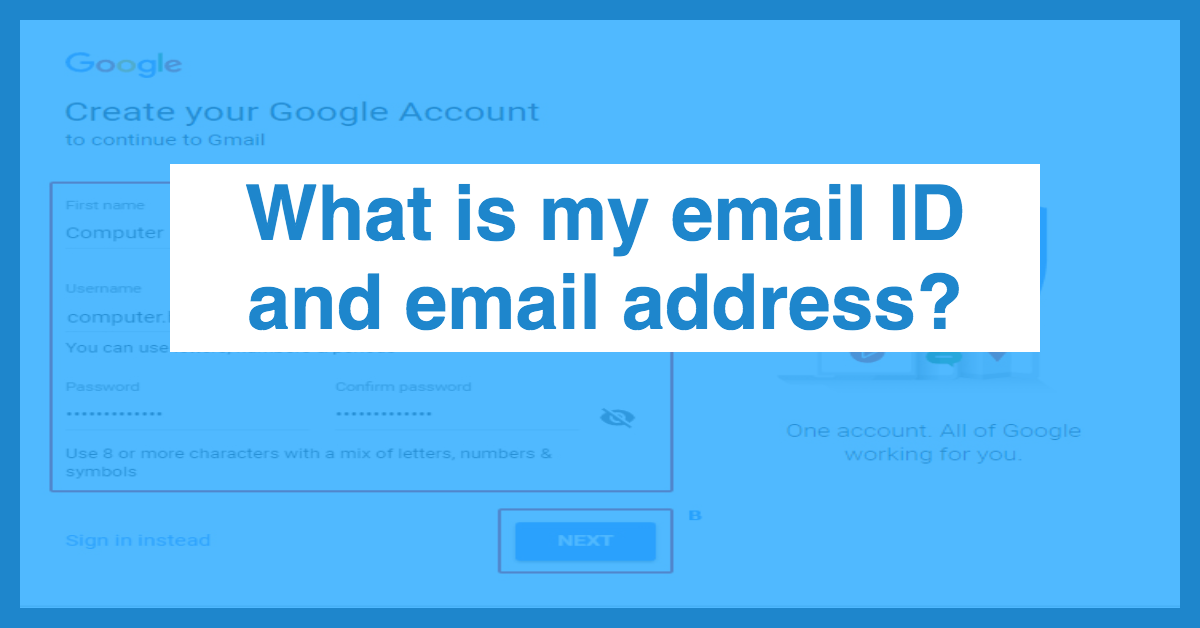
The Problem with “Cute” Identifiers
We have all encountered professional emails arriving from addresses like skaterboy88@gmail.com or princessglitterqueen@hotmail.com. While these might hold sentimental value or serve as vestiges of an earlier time, they are liabilities in a professional context. Using an immature or informal handle creates immediate friction. The recipient subconsciously questions whether the sender possesses the professional discipline required for the task at hand.
The Standard of Excellence
The gold standard remains the “first name, last name” convention. Whether it is firstname.lastname@gmail.com or a custom domain format like name@business.com, this structure signals transparency and confidence. When an email address is clear and professional, it removes the “who is this?” variable, allowing the recipient to focus entirely on the value of your message. If your preferred variation is taken, consider adding a professional middle initial or a location-based suffix, rather than resorting to arbitrary strings of numbers or quirky adjectives.
Personal Branding and the Custom Domain
Moving beyond free email providers is a critical step in evolving from a hobbyist to a serious professional. Personal branding is not just about what you post on LinkedIn; it is about the infrastructure you build to support your identity.
Ownership of Your Digital Real Estate
When you use a generic provider (like Gmail, Outlook, or Yahoo), your brand is technically a sub-tenant of a massive corporate ecosystem. By purchasing your own domain—yourname.com—and setting up professional email aliases, you signal that you are an independent operator. It is a subtle but powerful psychological lever. A custom domain tells the world that you are a business entity, regardless of whether you are a freelancer, a consultant, or a startup founder.
The Credibility Factor in Marketing
From a marketing perspective, an email sent from a custom domain receives higher open rates and demonstrates a higher barrier to entry for spammers. When you email a prospective client from hello@yourbrand.com instead of yourbrand_2024@gmail.com, you are reinforcing your brand identity with every single interaction. This consistency builds “brand recall,” ensuring that when a client finally decides to move forward with a project, they know exactly where to find you.
Digital Security as a Branding Priority
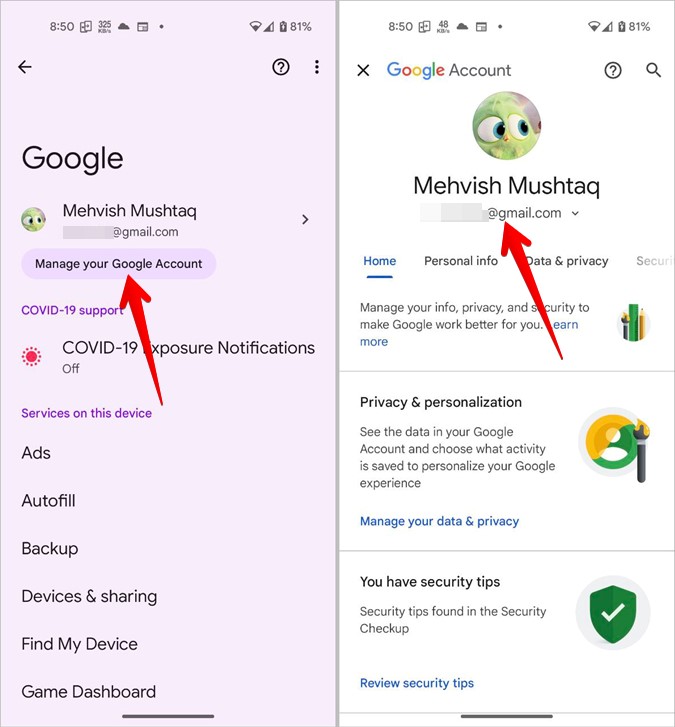
In today’s cybersecurity landscape, your email address is the master key to your digital life. Because virtually every password reset, banking notification, and legal document verification goes through your inbox, protecting this asset is a fundamental aspect of personal brand management.
The Vulnerability of Public Exposure
Publicly listing your primary email address on websites, social media profiles, or public forums is an invitation for sophisticated phishing attacks. As your personal brand grows, you become a higher-value target for scammers who scrape the web for contact information. Using your main professional address for newsletters, retail sign-ups, and social media creates a massive attack surface.
Mitigation Strategies
A robust security strategy involves compartmentalization. Professionals should maintain a “public-facing” email address—an alias or a secondary account—that is used strictly for networking, general inquiries, and public profiles. Your “private” professional address, the one connected to your banking, cloud storage, and domain hosting, should never be publicly shared. This strategy ensures that even if your public address is breached or flooded with spam, your core digital identity remains insulated and secure.
The Art of Email Etiquette and Communication
An email address is only as good as the communication that flows through it. Even with a perfect handle and a secure setup, the way you use your email determines your brand’s reputation in the marketplace.
Brevity and Clarity
The modern inbox is a battlefield for attention. High-level professionals value concise, actionable communication. Your brand suffers when your emails are long-winded, disorganized, or lack a clear call to action. Respecting the recipient’s time by getting to the point within the first two sentences establishes you as a high-value communicator.
The Signature as a Branding Tool
Your email signature is perhaps the most underutilized piece of real estate in your personal brand strategy. It should not be a cluttered mess of inspirational quotes and ten different social media icons. Instead, treat it like a digital business card. Include your name, your professional title, your primary website, and perhaps one relevant link—such as a recent portfolio piece or a case study. This turns every email you send into an opportunity to provide value or demonstrate your expertise without being overtly salesy.
Responsiveness and Reliability
Ultimately, the “what’s your email” question is a request for a reliable line of communication. Your brand is solidified by your responsiveness. If your email address is the portal through which people interact with you, ensure that it is a portal that leads to a prompt, polite, and professional destination. Delaying responses for days without explanation or failing to maintain a tidy, organized inbox reflects poorly on your work ethic. Treat your email management as an extension of your customer service philosophy; if you cannot be trusted to handle an inbox, you will not be trusted to handle a project.
Future-Proofing Your Digital Identity
As we look toward the future, the integration of AI and automated filtering into email clients means that the quality of your emails will be judged by algorithms as much as by humans.
Avoiding the Spam Filter
To ensure your brand reaches its intended audience, you must adhere to technical standards, such as setting up SPF, DKIM, and DMARC records if you are using a custom domain. These are not just “tech” concerns; they are brand concerns. If your emails end up in a spam folder because you neglected your technical setup, your brand effectively ceases to exist in the recipient’s eyes.
Evolving with Technology
Digital identity is fluid. As new platforms emerge, your primary email remains the constant tether. Whether you are transitioning between career paths, launching a new business, or scaling a personal venture, your email remains the foundation upon which your professional history is built. Guard it, polish it, and use it with the intention that your reputation deserves. When someone asks, “What’s your email?” you are not just providing a string of characters; you are handing them the keys to your professional kingdom. Treat that exchange with the gravity and professional standard that builds long-term success.
aViewFromTheCave is a participant in the Amazon Services LLC Associates Program, an affiliate advertising program designed to provide a means for sites to earn advertising fees by advertising and linking to Amazon.com. Amazon, the Amazon logo, AmazonSupply, and the AmazonSupply logo are trademarks of Amazon.com, Inc. or its affiliates. As an Amazon Associate we earn affiliate commissions from qualifying purchases.