
In an increasingly cashless world, digital payment platforms have become indispensable tools for managing personal finances. Among these, Cash App stands out as a prominent player, simplifying peer-to-peer payments, direct deposits, and even micro-investing. For many, understanding how to effectively use Cash App for various transactions is key to navigating modern financial landscapes. This guide delves into the mechanics of paying with Cash App, illustrating how this versatile application serves as a critical component in contemporary personal finance strategies.
Understanding Cash App as a Modern Financial Tool
Cash App, developed by Block, Inc. (formerly Square, Inc.), has rapidly transformed into more than just a simple money transfer service. It’s an integrated financial tool designed to facilitate a wide array of monetary operations directly from a smartphone, empowering users with greater control and flexibility over their funds.

What is Cash App and Its Core Function?
At its heart, Cash App is a mobile payment service that allows individuals to send and receive money with ease, often likened to a digital wallet. Its core function is to facilitate peer-to-peer (P2P) transfers, meaning users can send money to friends, family, or anyone with a Cash App account using a unique identifier called a “$Cashtag,” email address, or phone number. Beyond P2P, Cash App has evolved to support direct deposits, enabling users to receive paychecks, government benefits, or tax refunds directly into their Cash App balance, effectively functioning as a virtual bank account. This integration makes it a central hub for managing incoming and outgoing funds, a powerful feature for personal financial organization.
The Evolution of Digital Payments and Cash App’s Role
The financial world has witnessed a significant shift from physical currency and traditional banking methods to digital transactions. This evolution is driven by the demand for speed, convenience, and accessibility. Cash App has played a pivotal role in this transition, democratizing financial services and making them available to a broader audience, including those who may be underserved by traditional banking institutions. By offering instant transfers and a user-friendly interface, Cash App has made financial interactions more fluid and immediate, aligning with the fast-paced nature of modern life. It contributes to a financially inclusive ecosystem where sending money, paying bills, and even investing small amounts are no longer complex or time-consuming endeavors.
Key Features for Everyday Financial Management
Cash App’s utility extends beyond basic money transfers, offering several features that enhance everyday financial management:
- Cash Card: A customizable, free debit card linked to your Cash App balance, allowing users to spend their funds anywhere Visa is accepted, both online and in physical stores. This card also comes with “Boosts,” instant discounts at selected merchants, offering immediate savings on daily purchases.
- Direct Deposit: The ability to receive paychecks, tax refunds, and other payments directly into your Cash App account, often up to two days earlier than traditional banks. This feature makes Cash App a viable alternative for managing primary income.
- Investing: Cash App provides accessible avenues for micro-investing in stocks and Bitcoin, lowering the barrier to entry for individuals interested in growing their wealth with small, manageable amounts.
- Automatic Savings: A feature that allows users to round up transactions to the nearest dollar and automatically transfer the difference to a savings fund, promoting disciplined saving habits.
These features collectively position Cash App as a comprehensive financial tool capable of supporting various aspects of personal finance, from day-to-day spending to long-term financial planning.
Step-by-Step Guide to Making Payments with Cash App
Utilizing Cash App for payments is straightforward, designed for user convenience. However, understanding the nuances of each transaction type ensures efficient and secure financial operations.
Setting Up Your Cash App Account for Financial Transactions
Before making any payments, you’ll need a fully functional Cash App account. This involves:
- Downloading the App: Available on iOS and Android app stores.
- Signing Up: Register using your phone number or email, followed by a verification code.
- Linking a Funding Source: To send money or add funds, you must link a bank account (via debit card) or a credit card. While linking a bank account is free for most transactions, using a credit card for sending money typically incurs a 3% fee, a crucial financial consideration for users.
Once linked, your Cash App account is ready for various financial transactions, with your linked card or bank account serving as the primary source of funds.
Sending Money to Individuals
Sending money to another Cash App user is one of its most common functions:
- Open Cash App: Tap the “$” icon on the home screen.
- Enter Amount: Input the desired amount you wish to send.
- Tap “Pay”: This button is usually in the bottom right corner.
- Enter Recipient Details: You can use their $Cashtag, phone number, or email. Ensure you verify the recipient’s details carefully to avoid sending money to the wrong person – a critical financial safeguard.
- Add a Note (Optional): A brief description of the payment can be useful for financial record-keeping.
- Tap “Pay”: Confirm the transaction. The funds are typically transferred instantly.
For financial clarity, always double-check the recipient’s identity before confirming, as Cash App P2P payments are generally irreversible.
Paying Businesses and Online Merchants
Cash App offers several ways to pay businesses, extending its utility beyond personal transfers:
- Using the Cash Card: This is the most common method. Simply use your physical or virtual Cash Card like any other Visa debit card at points of sale or for online purchases. Funds are drawn directly from your Cash App balance.
- Square Integration: Many businesses that use Square’s point-of-sale systems can accept Cash App payments directly. Look for the Cash App option at checkout or ask the merchant.
- QR Code Payments: Some businesses display a QR code that you can scan with your Cash App to make a payment, providing a quick and contactless transaction method.
- Online Purchases: Input your Cash Card details (card number, expiration date, CVV) just as you would with any other debit or credit card on e-commerce websites.
These methods integrate Cash App seamlessly into your daily spending habits, making it a versatile tool for various financial obligations.
Understanding Transaction Fees and Limits
Awareness of Cash App’s fees and limits is vital for effective financial planning:
- Sending Money from a Debit Card/Cash App Balance: Free.
- Sending Money from a Credit Card: 3% fee. This fee is a significant consideration, as it can quickly add up, impacting the true cost of your transactions.
- Instant Deposits to a Bank Account: 0.5% – 1.75% fee (minimum $0.25). Standard deposits are free but take 1-3 business days. Planning your cash flow to avoid instant deposit fees can save you money.
- Bitcoin Purchases/Sales: Fees apply, varying based on market volatility and transaction size.
- Limits: Unverified accounts have lower sending and receiving limits (e.g., $250 send, $1,000 receive per 30 days). Verifying your identity (with SSN and date of birth) significantly increases these limits, allowing for larger financial transactions.
Understanding these financial parameters helps users optimize their Cash App usage and avoid unexpected costs.
Leveraging Cash App for Enhanced Personal Finance
Beyond simply facilitating payments, Cash App offers features that, when utilized strategically, can significantly enhance personal financial management.
Budgeting and Tracking Spending with Cash App
While Cash App doesn’t offer sophisticated budgeting tools, its transaction history serves as a valuable record for tracking spending:
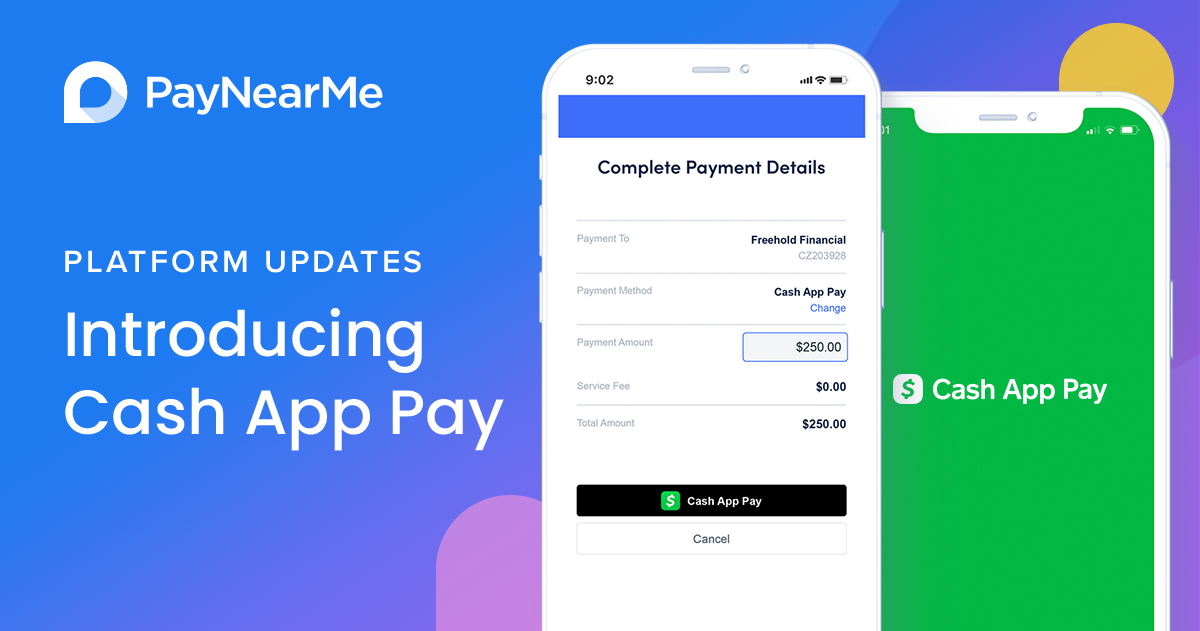
- Transaction History: Every payment sent or received is logged, providing a clear overview of your financial inflows and outflows. Regularly reviewing this history can help you identify spending patterns and areas for potential savings.
- Activity Feed: The app’s activity feed acts as a mini-statement, showing all your recent financial movements. By manually categorizing these transactions (e.g., in a separate spreadsheet or budgeting app), you can integrate Cash App data into your broader budgeting strategy.
- Notes for Transactions: Adding specific notes to each payment (e.g., “Grocery Shopping,” “Rent,” “Utilities”) can enhance clarity, making it easier to reconcile your spending at the end of the month.
By actively monitoring your Cash App activity, you gain greater insight into your spending habits, a foundational step in effective personal finance.
The Cash Card: A Tool for Everyday Spending and Budget Control
The Cash Card is a powerful extension of your Cash App balance, acting as a prepaid debit card. This functionality offers distinct advantages for budget control:
- Spend What You Have: Since the Cash Card draws directly from your Cash App balance, it inherently prevents overspending. You can only spend the funds available in your account, making it an excellent tool for adhering to a strict budget.
- Instant Boosts: The “Boosts” feature provides instant discounts at various retailers (e.g., a percentage off at a coffee shop or a discount on online orders). Strategically activating and using these boosts can lead to real-time savings on everyday expenses, effectively stretching your budget further.
- Segregated Funds: Some users choose to load a specific amount onto their Cash App balance for discretionary spending, separating it from their main bank account. This method creates a clear spending allowance, simplifying budget adherence.
The Cash Card transforms your Cash App balance into a functional spending account, integrated with rewards that benefit your financial health.
Direct Deposit Integration for Streamlined Income Management
The direct deposit feature is a game-changer for many, allowing Cash App to serve as a primary banking alternative:
- Early Paychecks: Cash App often processes direct deposits up to two days earlier than traditional banks, providing quicker access to your earned income. This can be beneficial for managing immediate financial obligations and improving cash flow.
- Centralized Income: By directing paychecks or other regular income to Cash App, users can centralize their incoming funds, making it easier to track earnings and allocate funds for different purposes.
- Tax Refunds and Benefits: You can also receive tax refunds and government benefits via direct deposit to your Cash App account, streamlining the receipt of important financial disbursements.
This feature solidifies Cash App’s role as a robust platform for managing the inflow side of personal finance.
Micro-Investing Made Accessible
Cash App’s investing features offer an accessible entry point into the world of wealth building:
- Stocks: Users can buy fractional shares of thousands of stocks with as little as $1. This feature demystifies stock market investing, allowing individuals to invest in companies they believe in without needing significant capital.
- Bitcoin: Cash App also allows users to buy, sell, and send Bitcoin directly within the app. For those interested in cryptocurrency, it provides a user-friendly platform for exposure to this emerging asset class.
While these are not full-fledged brokerage accounts, they serve as excellent tools for beginners to dip their toes into investing, fostering financial literacy and the habit of wealth accumulation.
Security and Best Practices for Financial Safety on Cash App
Given that Cash App handles your money, prioritizing security is paramount. Employing best practices can protect your financial assets and personal information.
Protecting Your Financial Information
Cash App provides several security features to safeguard your account:
- PIN/Touch ID/Face ID: Always enable a PIN, Touch ID (fingerprint), or Face ID for all transactions. This prevents unauthorized access to your funds, even if your phone is compromised.
- Two-Factor Authentication (2FA): Enable 2FA for an extra layer of security. This requires a code sent to your phone or email in addition to your password, making it significantly harder for unauthorized users to access your account.
- Strong, Unique Passwords: Use a complex password that is unique to your Cash App account. Avoid using easily guessable information or passwords used on other platforms.
- Monitor Activity: Regularly review your transaction history for any unfamiliar activity. Prompt detection of unauthorized transactions is crucial for timely intervention.
These measures are essential for maintaining the integrity of your financial accounts.
Recognizing and Avoiding Common Financial Scams
Scammers frequently target Cash App users. Awareness is your best defense:
- Fake Giveaways and Money Flips: Be wary of accounts promising to multiply your money or offering large sums in exchange for a small upfront payment. These are almost always scams.
- Phishing Attempts: Never click on suspicious links in emails or texts claiming to be from Cash App. Always verify the sender and go directly to the app or official website for support.
- “Customer Support” Scams: Scammers may impersonate Cash App support. Remember that official Cash App support will never ask for your PIN, sign-in code, or full debit card number over the phone or text.
- Payment for Goods/Services: For larger transactions or purchases from unknown sellers, consider using methods that offer buyer protection, as Cash App P2P payments offer limited recourse once sent.
Vigilance and skepticism are key to protecting your financial well-being from fraudsters.
What to Do if You Suspect Unauthorized Activity
If you believe your Cash App account has been compromised or you’ve been scammed:
- Contact Cash App Support Immediately: Within the app, navigate to “Profile” > “Support” > “Something Else” > “Contact Support.” Provide as much detail as possible about the suspicious activity.
- Change Your Password: Immediately change your Cash App password to prevent further unauthorized access.
- Unlink Suspicious Devices: Review and unlink any unfamiliar devices connected to your account.
- Contact Your Bank: If your linked bank account or debit card was affected, notify your bank as well.
Acting quickly can help mitigate potential financial losses and secure your account.
The Future of Digital Payments and Cash App’s Position
Cash App continues to evolve, reflecting the dynamic nature of digital finance. Its strategic position allows it to adapt to changing user needs and technological advancements.
Integrating Cash App into Your Financial Ecosystem
For many, Cash App is not just a standalone app but an integrated part of a broader financial ecosystem. It complements traditional banking by providing quick payment solutions, accessible investment opportunities, and a convenient way to manage a portion of one’s income and spending. Users often leverage Cash App for specific purposes—like managing a weekly budget for social outings, investing small amounts, or handling peer-to-peer reimbursements—while maintaining primary banking relationships for larger financial needs like mortgages or extensive savings. Its ease of use and instant nature make it ideal for immediate financial interactions, slotting neatly alongside other financial tools and strategies.

Anticipating Future Features for Financial Management
The trajectory of Cash App suggests continued innovation aimed at enhancing its utility as a comprehensive financial management tool. We can anticipate further integrations with other financial services, potentially including more sophisticated budgeting tools, enhanced savings features, and broader access to various investment vehicles. As digital currencies gain mainstream acceptance, Cash App’s Bitcoin capabilities may expand, possibly incorporating other cryptocurrencies or more advanced blockchain-based financial services. The trend towards personalized financial insights and AI-driven advice also hints at future features that could help users make more informed monetary decisions directly within the app, solidifying its role as a proactive partner in personal financial well-being.
By understanding how to pay with Cash App and harnessing its diverse features responsibly, users can streamline their financial lives, exercise greater control over their spending, and even embark on their investment journey, all from the convenience of their smartphone. It stands as a testament to the power of financial technology in shaping a more accessible and efficient monetary future.
aViewFromTheCave is a participant in the Amazon Services LLC Associates Program, an affiliate advertising program designed to provide a means for sites to earn advertising fees by advertising and linking to Amazon.com. Amazon, the Amazon logo, AmazonSupply, and the AmazonSupply logo are trademarks of Amazon.com, Inc. or its affiliates. As an Amazon Associate we earn affiliate commissions from qualifying purchases.