
For the average household, a vehicle represents the second-largest purchase ever made, trailing only the acquisition of real estate. Yet, despite its significant impact on a personal balance sheet, the car is often treated as a simple utility rather than a strategic financial asset. Understanding what your car is worth is not merely an exercise in curiosity for those looking to trade in for a newer model; it is a fundamental component of net worth tracking, insurance optimization, and long-term wealth management.
In a volatile economic landscape where supply chain disruptions and shifting consumer preferences have rewritten the rules of depreciation, the old adage that a car loses 20% of its value the moment it leaves the lot is no longer the absolute truth. To manage your finances effectively, you must understand the complex mechanics of vehicle valuation and how to leverage that value in your broader financial strategy.

The Role of the Automobile in Your Personal Net Worth
In personal finance, assets are generally categorized as either appreciating or depreciating. While vehicles almost exclusively fall into the latter category, their high entry price means they occupy a massive portion of an individual’s capital. Failing to track the real-time value of your vehicle can lead to significant blind spots in your financial planning.
Depreciation: The Silent Wealth Eroder
Depreciation is the single largest cost of car ownership, often exceeding fuel, insurance, and maintenance combined. However, depreciation is not a linear path. Most vehicles experience a “hockey stick” curve—a sharp drop in the first three years, followed by a plateauing period between years four and seven. By understanding where your specific make and model sits on this curve, you can make informed decisions about the “sweet spot” for selling. For instance, selling a car just before it hits a major mileage milestone (like 60,000 or 100,000 miles) or before a new generation of that model is released can save thousands of dollars in lost equity.
Equity vs. Liability: The Danger of Being Underwater
One of the most precarious positions in personal finance is being “underwater” or having “negative equity” on a car loan. This occurs when the market value of the vehicle drops faster than the principal balance of the loan is paid down. If you don’t know what your car is worth, you may not realize you are in this position until you attempt to sell the vehicle or, worse, until it is totaled in an accident. In the event of a total loss, insurance companies typically pay the Fair Market Value (FMV), not the balance of your loan. Understanding your car’s current value allows you to adjust your payment schedule or opt for GAP (Guaranteed Asset Protection) insurance to mitigate this risk.
Methodology of Modern Valuation: Beyond the Blue Book
The question “what’s my car worth?” used to have a simple answer found in a physical guidebook. Today, valuation is a data-driven science influenced by real-time market fluctuations, regional demand, and even global geopolitical events.
Market Comparables and Real-Time Data
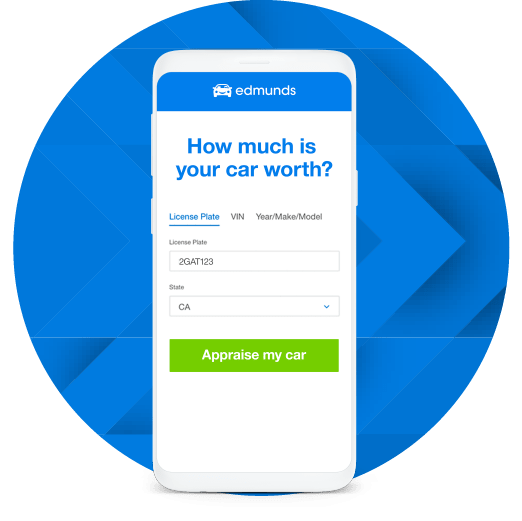
Modern valuation tools now aggregate millions of data points from private sales, dealer auctions, and listing sites. When determining value, it is essential to distinguish between the three primary figures:
- Trade-In Value: The amount a dealer will offer you toward the purchase of another car. This is typically the lowest value because the dealer must account for reconditioning costs and a profit margin.
- Private Party Value: The amount you can expect to receive if you sell the car yourself. This is higher than trade-in value but requires more effort and carries more risk.
- Retail Value: The price a consumer pays at a dealership. This is the highest number and is primarily used by insurance companies to determine replacement costs.
To get an accurate picture, a savvy investor in the automotive space should look at “sold” listings on auction platforms rather than “asking” prices on classified sites. Asking prices reflect seller aspirations; sold prices reflect market reality.
The Impact of Scarcity and Macroeconomic Trends
The period between 2021 and 2023 provided a masterclass in how external economic factors can invert traditional valuation models. A global semiconductor shortage led to a scarcity of new vehicles, which in turn sent used car prices skyrocketing—in some cases, used cars were selling for more than their original MSRP. While the market has begun to normalize, these fluctuations prove that vehicle value is tied to the broader economy. Interest rates also play a crucial role; as the cost of borrowing increases, the pool of buyers for high-priced used vehicles shrinks, putting downward pressure on valuations.
Strategies to Maximize and Retain Resale Value

While you cannot control the global economy, there are proactive steps you can take to ensure your vehicle remains a high-value asset. Maximizing what your car is worth is a long-term project that begins the day you drive it home.
The Maintenance Premium and Documentation
In the eyes of a sophisticated buyer or a professional appraiser, a vehicle with a documented service history is worth significantly more than an identical one without records. From a financial perspective, maintaining a car isn’t just about preventing breakdowns; it’s about preserving the “provenance” of the asset. Digital service records, receipts for major repairs (like timing belts or transmission flushes), and even a log of tire rotations serve as a “certified” stamp on your asset. This transparency reduces the buyer’s risk, allowing you to command a premium price.
Curb Appeal and the Psychology of Value
Small investments in the aesthetic condition of a vehicle often yield a high Return on Investment (ROI). Professional detailing, the removal of small dents (PDR), and ensuring that all electronics are functional can increase the perceived value of a car by thousands. In the world of personal finance, this is known as “forced appreciation”—spending a small amount of capital to increase the asset’s market value by a disproportionately larger amount.
Financing, Insurance, and the Opportunity Cost of Ownership
To truly understand what your car is worth, you must look beyond the sticker price and evaluate it through the lens of Total Cost of Ownership (TCO) and opportunity cost.
Total Cost of Ownership (TCO) Analysis
A vehicle that holds its value well (low depreciation) but has high maintenance and insurance costs might actually be a worse financial move than a vehicle that depreciates faster but is cheap to operate. When calculating the worth of your vehicle to your personal economy, you must factor in:
- Fuel Efficiency: The ongoing “tax” of moving the asset.
- Insurance Premiums: Higher-value or high-performance cars often carry premiums that eat into the equity you are building.
- Opportunity Cost: If you have $40,000 tied up in a vehicle that is depreciating at 10% a year, that same $40,000 could have been invested in an index fund yielding 7-10% annually. The “worth” of your car, therefore, includes the lost gains of alternative investments.
Using Car Equity for Financial Leverage
For those with high-value vehicles owned outright, the car represents “dead equity.” In certain financial strategies, this equity can be tapped via cash-out refinancing or used as collateral for low-interest loans. While generally riskier than traditional financing, understanding the liquid value of your vehicle allows it to serve as an emergency buffer or a tool for debt consolidation.
Future-Proofing Your Transportation Capital
The automotive industry is currently undergoing its most significant transformation in a century. As we shift toward electrification and autonomous technology, the way we calculate vehicle value is changing.
Electric Vehicles and Residual Value Volatility
Electric vehicles (EVs) present a unique challenge for valuation. Unlike internal combustion engine (ICE) vehicles, where the engine’s longevity is well-understood, an EV’s value is heavily tied to its battery health and the current state of software technology. Rapid advancements in battery density can make an older EV feel “obsolete” faster than a gas car, potentially leading to steeper depreciation. However, as fuel prices rise and environmental regulations tighten, the demand for used EVs may stabilize. Monitoring the “state of health” (SOH) of an EV battery is now as critical to its value as checking the odometer.
The Long-Term Outlook for Used Car Markets
As new car prices continue to climb, the used car market has become a primary pillar of the economy. Consumers are keeping their cars longer—the average age of a vehicle on the road is now over 12 years. This trend suggests that well-maintained, reliable vehicles will hold a higher percentage of their value over a longer period. For the financially savvy, the strategy is clear: buy assets with a proven track record of reliability, maintain them meticulously, and monitor their market value with the same frequency you check your stock portfolio.
Ultimately, knowing what your car is worth is about more than just a number. It is about understanding your liquidity, protecting your net worth, and making informed decisions that align with your broader financial goals. Whether you are looking to sell, trade, or simply hold, treating your vehicle as a serious financial asset is the first step toward better wealth management.
aViewFromTheCave is a participant in the Amazon Services LLC Associates Program, an affiliate advertising program designed to provide a means for sites to earn advertising fees by advertising and linking to Amazon.com. Amazon, the Amazon logo, AmazonSupply, and the AmazonSupply logo are trademarks of Amazon.com, Inc. or its affiliates. As an Amazon Associate we earn affiliate commissions from qualifying purchases.