
Home Depot stands as a behemoth in the home improvement retail landscape, offering an expansive array of tools, materials, appliances, and services to DIY enthusiasts and seasoned professionals alike. While the convenience and selection are undeniable, the cost of embarking on home projects can quickly add up. For the financially savvy, securing a discount isn’t just a bonus; it’s a strategic move to stretch budgets further and maximize value. This guide delves into a comprehensive suite of tactics and programs designed to help you shave costs off your next Home Depot purchase, transforming you into a smarter, more economical shopper. From official store policies to clever in-store negotiation, understanding these money-saving avenues can significantly impact your bottom line, ensuring your home improvement dreams don’t break the bank.
Leveraging Official Home Depot Programs and Policies
Home Depot, like many large retailers, has established various official programs and policies that, when understood and utilized correctly, can lead to substantial savings. These aren’t hidden secrets but rather structured opportunities designed to benefit specific customer segments or address particular purchasing scenarios. Mastering these can be your first step towards consistent discounts.
The Home Depot Military Discount
One of the most widely recognized and appreciated discount programs is Home Depot’s military discount. This gesture of gratitude extends a 10% discount on most in-store purchases to active military personnel, veterans, and their spouses. Eligibility typically requires verification through services like ID.me, ensuring the discount reaches those who have served. While there might be caps on the maximum discount per transaction annually, for eligible individuals, this represents a reliable and significant saving opportunity on countless items, from lumber to light fixtures. It’s crucial to register and verify your status beforehand to ensure a seamless checkout process. This program isn’t just about saving money; it’s about acknowledging and honoring the sacrifices made by service members and their families, integrating financial relief into everyday shopping for an important demographic.
Understanding Price Matching Guarantees
Home Depot offers a robust price match policy designed to ensure customers get the best possible deal. Generally, if a competitor has a lower advertised price on an identical in-stock item, Home Depot will match that price. For online competitors, they will often match the item price but exclude shipping costs. This policy requires customers to do their homework – research competing prices from local retailers and major online players. The key is to present clear, verifiable evidence of the lower price, such as a physical ad or a live competitor’s website page, at the time of purchase. This isn’t just about saving a few dollars; it’s a powerful tool that allows consumers to leverage market competition, ensuring they don’t overpay for any item by simply doing a quick price comparison before heading to the checkout.
The Pro Xtra Program for Contractors and Professionals
For those who frequently make large or recurring purchases, particularly contractors, handymen, or small business owners, the Home Depot Pro Xtra program is an indispensable financial tool. This loyalty program offers a suite of benefits tailored to professionals, including volume pricing on qualifying bulk purchases, exclusive savings on specific items, and simplified returns. Members also gain access to purchasing tracking and business management tools. The tiered rewards system allows professionals to earn rebates or special discounts as their spending increases throughout the year. Enrolling in Pro Xtra not only provides direct savings but also streamlines the purchasing process, saving valuable time and administrative effort – a hidden financial benefit that contributes to overall project profitability.
Utilizing Special Order Discounts and Bulk Pricing
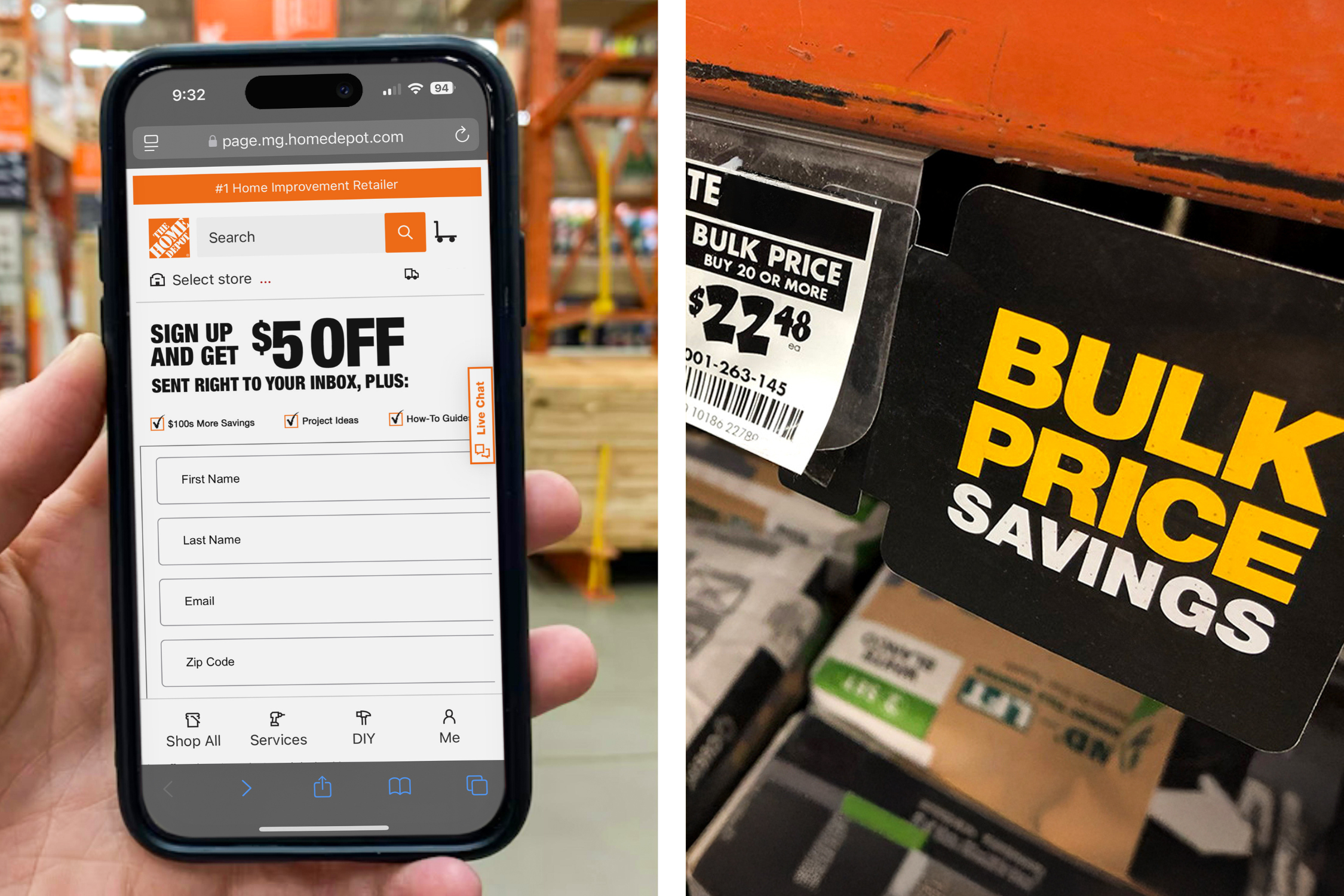
Beyond the Pro Xtra program, even individual customers can tap into special order discounts and bulk pricing, particularly for large-scale projects. If you’re buying a substantial quantity of a single item – for instance, multiple boxes of tiles, a pallet of pavers, or numerous sheets of drywall – it’s always worth inquiring about a volume discount. Store associates, and particularly department managers, often have the discretion to offer reduced pricing for large orders. Similarly, for items that need to be specially ordered (e.g., custom-sized windows, specific cabinet configurations), there might be opportunities for slight negotiation or bundled pricing, especially if the order is significant. The key here is proactive communication; don’t wait for the discount to be offered – ask about it explicitly.
Mastering Sales, Clearance, and Seasonal Savings
Timing and observation are critical skills for any discount hunter. Home Depot frequently cycles through sales events, clearance reductions, and seasonal promotions that offer significant markdowns. Being attuned to these patterns and knowing where to look can unlock substantial savings on everything from power tools to patio furniture.
Timing Your Purchases: Seasonal and Holiday Sales
Home Depot’s sales calendar is often predictable, aligning with major holidays and seasonal transitions. Think Memorial Day, Fourth of July, Labor Day, Black Friday, and Cyber Monday for appliances and tools. Spring brings deals on gardening supplies, outdoor power equipment, and patio furniture, while fall sees reductions on heating solutions and winter prep items. The end of a season is often the best time to buy items for the next year at clearance prices. For example, purchasing a new grill in late summer or a snowblower in early spring can yield substantial savings. Planning your larger purchases around these anticipated sale events can result in hundreds, if not thousands, of dollars in savings annually, turning a necessary expense into a shrewd financial decision.
Navigating the Clearance Aisles and “Oops” Paint
One of the most fertile grounds for finding deep discounts is Home Depot’s dedicated clearance sections. These areas, often located at the end of aisles or in a specific zone, house discontinued items, seasonal overstock, or products with damaged packaging. Prices here can be slashed by 30-70% or more. Regularly browsing these sections, even if you don’t have an immediate need, can lead to unexpected bargains. A unique subset of clearance is the “Oops” paint section. These are custom-mixed paints that were either rejected by the customer or mixed incorrectly by an associate. Available at drastically reduced prices (often $5-$10 a gallon), they represent an incredible value for projects where a specific color isn’t paramount, such as priming, painting utility rooms, or small craft projects.
Daily Deals and Weekly Ad Scrutiny
Home Depot’s website features “Daily Deals” which are time-limited offers on specific products, often changing every 24 hours. Subscribing to their email newsletter is the best way to stay informed about these flash sales. Similarly, their weekly ad, available both online and in print, highlights current promotions across various departments. These ads are essential reading for anyone planning a purchase, as they often showcase staple items or high-value tools at temporarily reduced prices. Regularly reviewing these communications allows you to strategically plan your purchases, ensuring you capitalize on promotional periods for items you need, rather than paying full price.
Open Box and Display Model Bargains
Appliances, tools, and even some large fixtures often have display models or “open box” returns available at a discounted rate. These items might have minor cosmetic imperfections, be missing original packaging, or simply have been used as floor models. While they are still fully functional and often come with a warranty, their reduced price makes them an attractive option for budget-conscious shoppers. It’s always worth asking a department associate about available open box or display items, especially for higher-ticket purchases like refrigerators, washing machines, or large power tools. A thorough inspection before purchase is recommended, but the savings can be substantial, representing smart financial stewardship.
Smart Online Strategies and Digital Coupons
In the digital age, a significant portion of potential savings lies online. Home Depot’s robust e-commerce platform and the broader digital coupon landscape offer numerous avenues for discounts that might not be available in-store. Integrating online research and purchasing into your shopping routine is a critical money-saving habit.
Harnessing Email Sign-Up Offers and Exclusive Online Deals
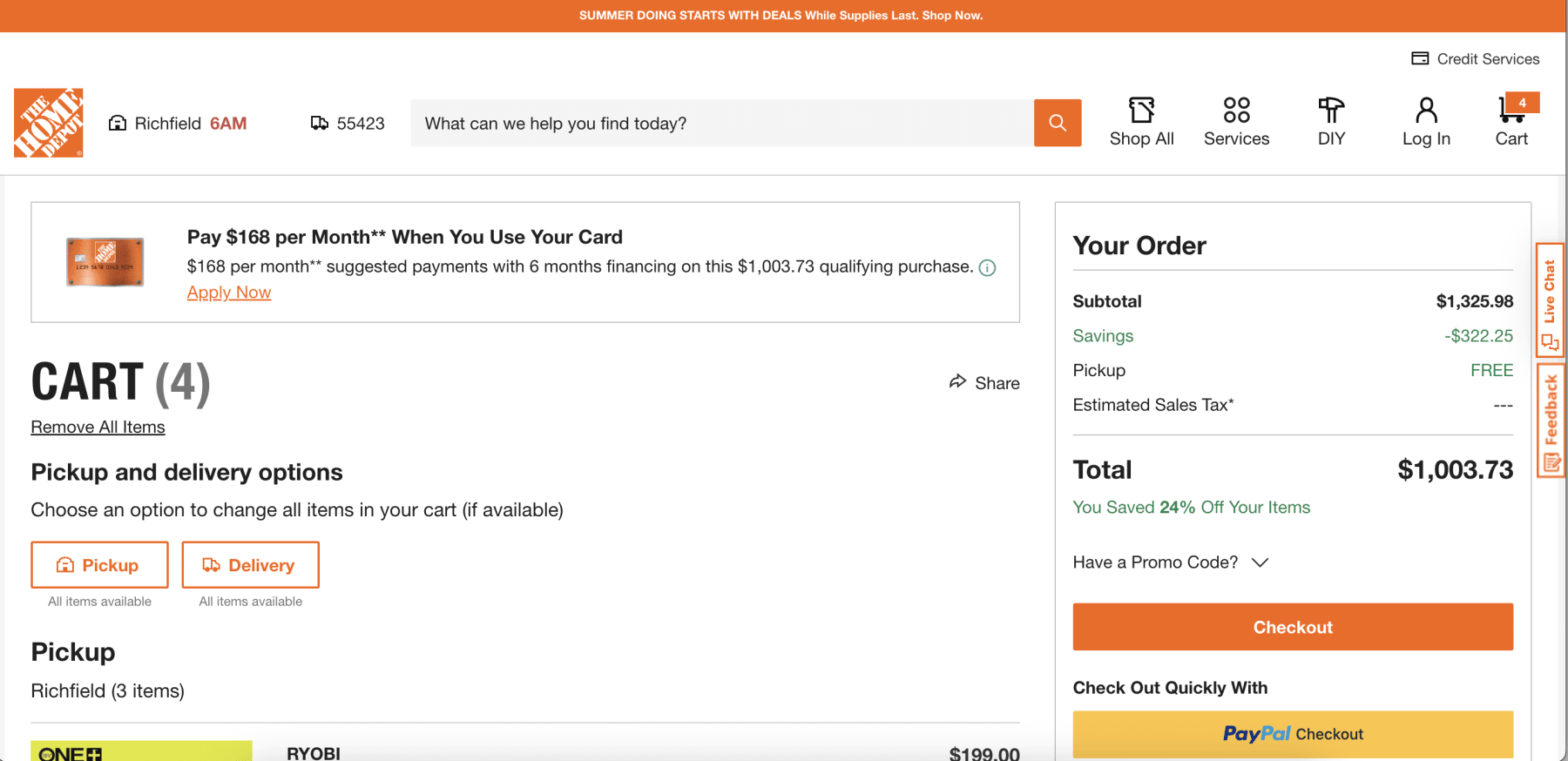
One of the easiest ways to unlock immediate savings is to sign up for Home Depot’s email newsletter. New subscribers are frequently offered a one-time discount (e.g., $5 off $50 or 10% off an entire order) for their first online purchase. Beyond the initial welcome offer, subscribers receive regular updates on sales, exclusive online-only promotions, and early access to deals. These emails can be a goldmine for planning future purchases, ensuring you’re alerted to price drops on items you’re monitoring. Moreover, some promotions are exclusively available online, making digital engagement a necessity for comprehensive savings.
The Power of Online Coupon Codes and Browser Extensions
Before completing any online purchase, a quick search for Home Depot coupon codes is a mandatory step for savvy shoppers. Websites dedicated to coupon aggregation often list valid promotional codes that can be applied at checkout for percentage-off discounts, free shipping, or specific item reductions. Additionally, browser extensions like Honey, Rakuten, or Capital One Shopping automatically search for and apply available coupon codes at checkout, often notifying you of better prices from other retailers as well. These tools automate the discount-finding process, ensuring you don’t miss out on an easy saving opportunity, aligning perfectly with a financially prudent approach to online shopping.
Maximizing In-Store Pickup for Online Savings
Home Depot frequently offers “buy online, pick up in store” promotions, which can sometimes come with an additional discount or waive shipping fees, thereby indirectly saving you money. For heavy or bulky items, picking up in-store eliminates freight charges that can add significantly to the overall cost. This strategy combines the convenience of online browsing and price checking with the cost-effectiveness of avoiding shipping. It’s a hybrid approach that leverages the best of both worlds: securing an online-only deal while mitigating delivery expenses.
Leveraging Gift Card Discounts
A slightly less direct, but highly effective, way to save money at Home Depot is by purchasing discounted gift cards from third-party resellers. Websites like Raise.com, CardCash, or Gift Card Granny often sell Home Depot gift cards at a percentage below their face value (e.g., a $100 gift card for $90). This effectively gives you an instant, sitewide discount on any purchase made with the gift card. For large projects, buying several discounted gift cards can lead to significant cumulative savings without requiring any special coupons or sales. This strategy embodies the proactive nature of smart personal finance, turning a simple payment method into a discount mechanism.
In-Store Tactics and Negotiation Know-How
While online strategies offer convenience, direct interaction within the store can unlock unique savings, especially for items that have minor imperfections or are nearing obsolescence. A confident yet polite approach can yield surprising results.
Inspecting for Damaged Goods and Cosmetic Flaws
When browsing the aisles, particularly for lumber, flooring, or large items, always keep an eye out for merchandise with damaged packaging, minor dings, or cosmetic flaws that don’t affect functionality. Examples include bent boxes of nails, slightly scratched floor tiles, or lumber with minor splits that can be trimmed. Home Depot associates often have the authority to offer a discount on these items to move them off the floor. Don’t be shy about pointing out such imperfections and asking for a markdown. This requires a keen eye and a willingness to accept minor aesthetic compromises for substantial financial gain.
Asking for Manager Markdowns
For higher-priced items or substantial purchases, particularly those mentioned above (damaged goods, display models, bulk orders), don’t hesitate to politely ask a department manager for a markdown. Managers typically have more discretion than regular associates to adjust prices, especially if they are trying to clear inventory, appease a customer, or secure a large sale. A polite, reasonable request, backed by a good reason (e.g., a visible defect, a large quantity, or a competitor’s price you can’t quite prove), can often result in a favorable outcome. This is a direct application of negotiation skills in a retail setting, a fundamental aspect of savvy personal finance.
Identifying Discontinued Items for Deeper Discounts
Home Depot regularly refreshes its product lines. When a product is about to be discontinued, stores will often mark it down significantly to clear inventory. These items might not always be in the dedicated clearance section but could be found in their regular aisle with new, lower price tags. Keep an eye out for “D” stickers or labels indicating clearance pricing, sometimes with multiple layers of price reductions. Asking associates which items are being phased out can lead you directly to these deeply discounted treasures. This strategy capitalizes on the retailer’s need to make space for new inventory, translating directly into savings for the consumer.
The Art of Friendly Negotiation (When Applicable)
While not a common practice for every item, negotiation is sometimes possible at Home Depot, especially for large appliances, tools, or bulk orders where a significant amount of money is at stake. This isn’t about haggling over a $5 item. It’s about approaching a manager with a clear understanding of market prices, your specific needs, and a reasonable request for a slight reduction. For instance, if you’re buying multiple large appliances for a kitchen remodel, or if you’re a professional making a substantial order, expressing your commitment to purchase while politely inquiring about any possible additional discounts can sometimes result in a modest price adjustment. A friendly, respectful demeanor goes a long way in these interactions, underscoring the personal aspect of financial transactions.
Beyond the Basics: Additional Savings Avenues
While the direct discount methods outlined above are powerful, other less obvious financial strategies can further reduce your overall cost when shopping at Home Depot. These often involve external programs or specific financial tools.
Manufacturer Rebates and Promotions
Many products sold at Home Depot, especially large appliances, power tools, and even some building materials, qualify for manufacturer rebates. These aren’t store-specific discounts but rather incentives offered directly by the product’s maker. Always check product packaging, Home Depot’s website, or the manufacturer’s website for available rebates after making a purchase. While they require a bit of paperwork and patience for processing, these rebates effectively reduce the final cost of your item, making them a valuable financial recovery tool.
Home Depot Consumer Credit Card Benefits
For frequent Home Depot shoppers, the Home Depot Consumer Credit Card can offer a consistent avenue for savings. Cardholders often receive special financing offers (e.g., 0% interest for a set period on large purchases) or a fixed discount on their first purchase using the card. While credit card usage requires responsible financial management to avoid interest charges, these benefits can be highly advantageous for financing large projects without immediate interest accrual or securing an upfront discount, directly impacting your personal finance strategy.

Utilizing Tax Exemptions (Where Applicable)
For eligible non-profit organizations, educational institutions, or businesses holding a valid resale certificate, Home Depot offers tax-exempt purchasing. This isn’t a discount on the item’s price but a significant saving on the sales tax, which can be substantial on large orders. Ensuring your organization has the necessary documentation registered with Home Depot beforehand is crucial. This is a regulatory financial benefit that, while not a “discount” in the traditional sense, directly reduces the total outflow of funds for qualifying entities.
In conclusion, getting a discount at Home Depot is far from a matter of luck; it’s a strategic endeavor that rewards preparation, observation, and proactive engagement. By understanding and employing the myriad of official programs, timing your purchases, leveraging digital tools, and confidently exploring in-store opportunities, you can consistently reduce your expenditure on home improvement projects. Each dollar saved through these methods directly contributes to your personal financial well-being, allowing you to achieve your project goals more economically and sustainably. Mastering these strategies transforms you from a mere shopper into a financially astute consumer, making every trip to Home Depot a smarter investment.
aViewFromTheCave is a participant in the Amazon Services LLC Associates Program, an affiliate advertising program designed to provide a means for sites to earn advertising fees by advertising and linking to Amazon.com. Amazon, the Amazon logo, AmazonSupply, and the AmazonSupply logo are trademarks of Amazon.com, Inc. or its affiliates. As an Amazon Associate we earn affiliate commissions from qualifying purchases.