
CoComelon. The ubiquitous, hyper-stimulating, earworm-generating juggernaut of children’s entertainment. For parents and caregivers, the mere mention of its cheerful, autotuned melodies can evoke a complex mix of relief and existential dread. While its viewership numbers and merchandise sales are undeniable indicators of commercial success, a deeper examination reveals potential pitfalls and missed opportunities within its brand strategy. Is CoComelon’s runaway popularity sustainable, or are there inherent flaws in its brand identity that could, over time, undermine its long-term appeal and impact? This article will delve into the brand strategy of CoComelon, exploring the elements that contribute to its phenomenal reach and the potential weaknesses that warrant strategic consideration.
The Algorithmic Allure: Riding the Wave of Digital Discovery
CoComelon’s meteoric rise is inextricably linked to its masterful understanding and exploitation of digital platforms, particularly YouTube. Its success isn’t solely due to charming animation or catchy songs; it’s deeply rooted in a sophisticated, albeit perhaps unintentional, algorithmic strategy.
Optimized for Engagement: The Science of Screen Time
From its inception, CoComelon was designed to be consumed in a highly digestible, repeatable format. Short, punchy episodes, often just a few minutes long, are perfect for the attention spans of toddlers and preschoolers. The content itself is meticulously crafted for maximum engagement. Bright, saturated colors, simple shapes, and repetitive actions are visually stimulating and easy for young children to process. The music, while often criticized by adults for its saccharine nature, is deliberately designed with simple melodies, predictable structures, and clear, repeated lyrics that are easy for young children to learn and sing along to. This creates a positive feedback loop: children are drawn to the stimulating visuals and auditory cues, which leads to longer viewing times. For platforms like YouTube, longer viewing times translate directly into more ad impressions and, therefore, more revenue. CoComelon’s creators, Moonbug Entertainment, understood this fundamental principle and built their content strategy around it, effectively gaming the algorithm to favor their videos.
The YouTube Ecosystem: A Symbiotic Relationship
YouTube’s algorithm prioritizes watch time and audience retention. CoComelon’s content excels in both. The short format encourages viewers to watch one video after another, often seamlessly transitioning to the next. The repetitive nature of the songs and themes means that even if a child has seen an episode before, they are likely to rewatch it, further boosting watch time metrics. This creates a virtuous cycle for the brand: high watch time leads to more recommendations from the algorithm, which in turn drives more views and subscribers. This symbiotic relationship with the YouTube ecosystem has allowed CoComelon to dominate the platform, becoming a go-to for parents seeking a quick, engaging distraction for their children. The sheer volume of content uploaded – a consistent stream of new videos and compilations – also ensures that the channel remains relevant and actively promoted by the algorithm. This relentless output, driven by algorithmic understanding, is a key pillar of CoComelon’s brand dominance.
Content Over Character: The De-Personalization of Childhood Entertainment
While CoComelon’s content is undeniably effective at capturing young audiences, its brand strategy appears to prioritize quantity and algorithmic optimization over the development of strong, memorable characters. This is a significant departure from traditional children’s media, which often relies on beloved characters to build lasting emotional connections.

The Rise of the “Content Machine”
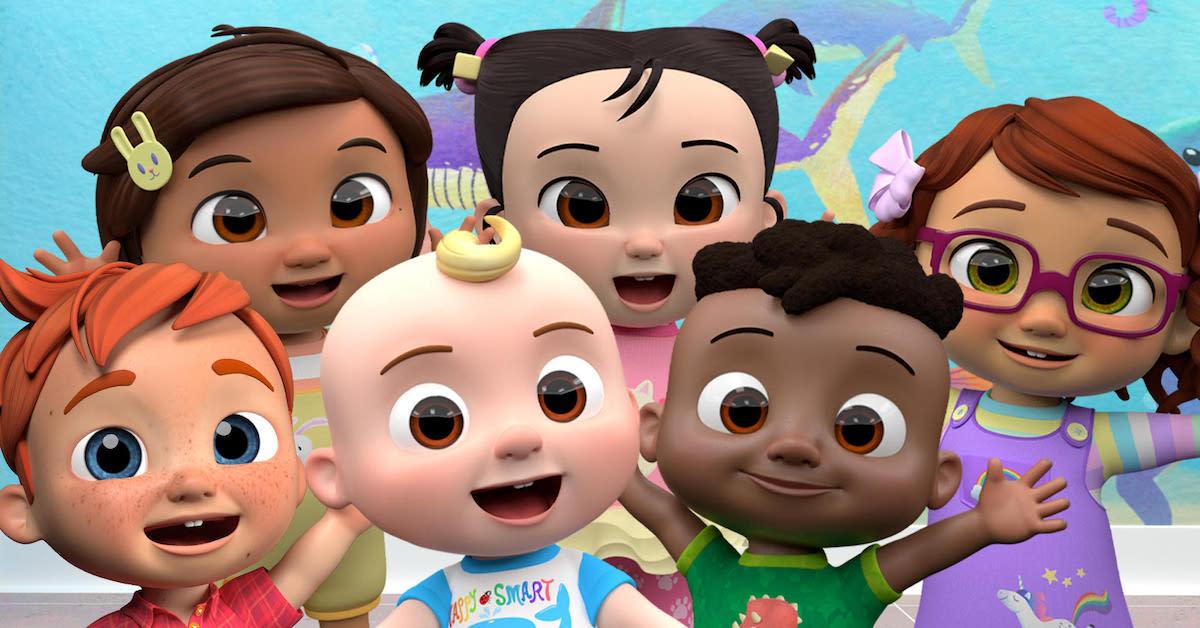
CoComelon’s universe is populated by a cast of largely interchangeable characters – JJ, TomTom, YoYo, Cody, and their families. While they possess distinct visual appearances and simple personality traits, they rarely undergo significant character development or engage in complex narratives. The focus is on familiar routines: waking up, eating, playing, learning the alphabet, going to bed. This focus on predictable themes and scenarios, while reassuring for young children, means that the characters themselves become secondary to the “experience” of watching CoComelon. They are facilitators of the educational and entertainment content, rather than compelling personalities in their own right. This approach allows for a high volume of content creation, as stories can be easily adapted and replicated across different scenarios without requiring intricate plotlines or character arcs. The brand becomes the draw, not necessarily any individual character.
The Brand as the Star: A Short-Term Advantage?
By emphasizing generic, relatable scenarios and simple characters, CoComelon has created a brand that is universally appealing across a wide demographic of young children. However, this lack of deep character investment could be a double-edged sword for the long-term brand strategy. Traditional beloved characters, like those from Disney or Sesame Street, often foster a sense of loyalty and emotional connection that transcends specific episodes or themes. Children grow up with these characters, forming lasting attachments. CoComelon’s approach, while effective for immediate engagement, might result in a more transient relationship with its audience. As children mature and their interests evolve, the absence of deeply ingrained character attachments might lead to a quicker transition away from the brand, unlike franchises built on iconic figures. The brand itself becomes the primary driver of consumption, a powerful but potentially less enduring form of brand loyalty.
The Monetization Matrix: Expanding Beyond the Screen
CoComelon’s brand strategy has been exceptionally successful in leveraging its digital popularity to build a vast and diversified monetization empire. This expansion demonstrates a keen understanding of how to translate online viewership into tangible revenue streams.
Merchandising Mastery: From YouTube Views to Physical Products
The most apparent monetization avenue for CoComelon is its extensive merchandise line. Toys, clothing, bedding, books, and even ride-on vehicles are adorned with the familiar bright colors and characters of the show. This is a direct translation of brand recognition into consumer goods. The simple, visually appealing aesthetic of CoComelon lends itself perfectly to mass-produced toys and apparel. The repetitive nature of the content also makes it easier to create variations of merchandise, catering to different price points and product categories. The brand’s ubiquitous presence on YouTube acts as a constant advertising platform, driving demand for these physical products. Parents, recognizing their children’s obsession, are often willing to invest in merchandise that brings the familiar characters and songs into their everyday lives. This strategy has transformed CoComelon from a digital phenomenon into a significant player in the children’s consumer goods market.
Beyond Toys: Exploring New Frontiers
CoComelon’s monetization strategy doesn’t stop at traditional merchandise. The brand has actively explored new avenues to capture its audience and generate revenue. This includes live shows and theme park attractions, offering immersive experiences that further solidify brand loyalty. Furthermore, the brand has ventured into educational apps and subscription services, providing curated content and interactive learning experiences. These expansions serve a dual purpose: they offer new revenue streams and simultaneously reinforce the brand’s association with early childhood development and learning. By extending its reach beyond the initial YouTube platform, CoComelon is actively building a multi-faceted brand ecosystem designed for sustained growth and profitability. This diversified approach signals a strategic intent to move beyond fleeting digital trends and establish a lasting presence in the children’s entertainment and education landscape. The continued innovation in monetization reflects a brand that is not content to rest on its laurels but is actively seeking new ways to engage its audience and capitalize on its immense popularity.
In conclusion, CoComelon’s brand strategy is a testament to the power of understanding digital platforms, optimizing content for algorithmic success, and effectively translating online popularity into tangible revenue. However, the emphasis on algorithmic allure and content machine-like production over deep character development, while leading to explosive growth, may present long-term challenges for fostering enduring brand loyalty. The brand’s ability to adapt and diversify its monetization streams is a significant strength, but the question remains whether this can sustain its dominance as children’s interests naturally evolve and new forms of entertainment emerge. The “what’s wrong” with CoComelon, from a brand strategy perspective, lies not in its current failures, but in the potential vulnerabilities inherent in a strategy that, while incredibly effective today, might be less resilient in the face of evolving childhood consumption habits and the enduring power of truly iconic, character-driven entertainment.
aViewFromTheCave is a participant in the Amazon Services LLC Associates Program, an affiliate advertising program designed to provide a means for sites to earn advertising fees by advertising and linking to Amazon.com. Amazon, the Amazon logo, AmazonSupply, and the AmazonSupply logo are trademarks of Amazon.com, Inc. or its affiliates. As an Amazon Associate we earn affiliate commissions from qualifying purchases.