
The thrill of a roller coaster lies in its ability to push the boundaries of human experience, offering a potent cocktail of adrenaline, centrifugal force, and breathtaking speed. While iconic wooden behemoths and intricately themed dark rides hold their own allure, the pursuit of pure velocity has always been a central tenet of roller coaster design and innovation. The question of “what’s the world’s fastest roller coaster?” isn’t just about a single record; it’s a gateway into understanding the cutting-edge engineering, material science, and propulsion technologies that make these colossal machines achieve speeds that rival high-performance vehicles. This article delves into the technological underpinnings of extreme speed in roller coasters, exploring the evolution of propulsion systems, the physics of achieving such velocities, and the safety innovations that ensure these engineering marvels can be enjoyed by millions.
The Evolution of Velocity: From Gravity to Magnetic Might
The history of roller coasters is intrinsically linked to the evolution of their propulsion systems. Early gravity-powered rides relied solely on the potential energy stored in the initial climb to generate speed. However, the quest for ever-increasing velocities demanded more sophisticated solutions, leading to a technological arms race in coaster design.
The Dominance of Hydraulic and Pneumatic Launch Systems
For decades, hydraulic and pneumatic launch systems were the workhorses of high-speed roller coasters. These systems harness stored energy – compressed air or pressurized fluid – to propel the train from a standstill to incredible speeds in a matter of seconds.
Hydraulic Launch Systems: Raw Power Unleashed
Hydraulic launch systems utilize powerful hydraulic cylinders to push a launch car, to which the roller coaster train is attached. The immense pressure built up in these cylinders allows for rapid acceleration, typically over a few hundred feet. This technology is renowned for its ability to deliver consistent and powerful launches, making it a popular choice for many record-breaking coasters. The precision required in controlling the hydraulic pressure is a testament to advanced fluid dynamics and engineering. The development of sophisticated control valves and accumulators ensures a smooth yet forceful acceleration, minimizing jerks and maximizing the G-forces experienced by riders. The maintenance of these complex systems also involves a deep understanding of hydraulics, pressure regulation, and material fatigue, showcasing a significant aspect of their technological prowess.
Pneumatic Launch Systems: Compressed Air’s Kinetic Kick
Pneumatic launch systems, on the other hand, use compressed air stored in reservoirs to accelerate the train. When released, the compressed air expands rapidly, pushing the train forward. While often perceived as simpler than hydraulics, pneumatic systems require careful management of air pressure, volume, and release timing to achieve optimal performance. The engineering challenges here lie in managing the thermodynamics of air expansion, ensuring consistent pressure delivery, and designing robust containment systems for the high-pressure air. The rapid release of compressed air can also create a distinct sound, adding to the sensory experience of the ride. The technology behind the compressors, air dryers, and release mechanisms is crucial for the reliability and speed of these systems.
The Magnetic Revolution: Linear Synchronous Motors (LSM) and Linear Induction Motors (LIM)
The advent of electromagnetic propulsion systems marked a paradigm shift in roller coaster technology, offering unparalleled speed, efficiency, and control. Linear Synchronous Motors (LSM) and Linear Induction Motors (LIM) have become the go-to technology for the fastest coasters in the world, completely redefining the possibilities of mechanical acceleration.
Linear Synchronous Motors (LSM): Precision Magnetic Acceleration
LSM technology employs a series of electromagnets embedded in the launch track that interact with magnets on the underside of the roller coaster train. By precisely controlling the timing and polarity of the electromagnets, a powerful and continuous propelling force is generated. This allows for incredibly smooth and sustained acceleration, enabling coasters to reach mind-boggling speeds. The sophistication of LSM lies in the computer-controlled sequencing of magnetic poles, creating a “wave” of magnetic attraction and repulsion that propels the train forward. This system offers exceptional control over the acceleration profile, allowing designers to tailor the G-force experience to specific design goals. The energy efficiency of LSMs is also a significant advantage, as they only consume power when the train is actively being launched. The materials used in the electromagnets, their insulation, and the precision required in their placement are critical technological considerations.

Linear Induction Motors (LIM): A Simpler, Yet Powerful Approach
LIM systems, while similar in principle to LSMs, operate slightly differently. Instead of permanent magnets on the train, LIMs induce eddy currents in conductive plates on the train, which then interact with the magnetic field of the track’s electromagnets. This interaction creates a propelling force. While often considered slightly less efficient and precise than LSMs, LIMs can still achieve very high speeds and are a robust and reliable technology. The engineering here involves understanding electromagnetic induction, the properties of conductive materials, and the design of efficient stator windings for the track. LIMs can also be used for braking, adding another layer of technological integration.
The Physics of Extreme Speed: Aerodynamics, G-Forces, and Material Science
Achieving and safely managing speeds of over 100 miles per hour is not merely a matter of brute force propulsion. It requires a deep understanding of physics, meticulous engineering, and the use of advanced materials.
Aerodynamic Design: Cutting Through the Air
At extreme velocities, air resistance becomes a significant factor. The design of the roller coaster train’s chassis and aerodynamic elements plays a crucial role in minimizing drag and ensuring stability. Streamlined designs, often inspired by aerospace engineering, reduce the forces acting against the train, allowing it to maintain higher speeds more efficiently and with less strain on the propulsion system. The computational fluid dynamics (CFD) used to model airflow around the train is a critical technological component in this aspect of design. Understanding turbulence, vortex shedding, and pressure distribution allows engineers to sculpt the train for optimal aerodynamic performance.
Understanding and Managing G-Forces: The Rider Experience
The immense forces exerted on riders during rapid acceleration and deceleration are a core element of the roller coaster experience. Engineers must carefully manage these G-forces to ensure rider safety and comfort. Positive G-forces (felt as pushing down) and negative G-forces (felt as lifting up) are calculated and controlled through track layout, banking angles, and the timing of accelerations and decelerations. The technology involved in designing restraint systems that can safely hold riders in place during these extreme forces is paramount. Advanced CAD/CAM software and sophisticated simulation tools are used to predict and analyze G-force profiles throughout the ride. The materials used in the track and train must also be able to withstand these immense forces without failing.
Material Science Innovations: Strength and Durability
The colossal forces and high speeds involved in operating the world’s fastest roller coasters place immense stress on every component. The development and application of advanced materials are critical for ensuring the structural integrity and longevity of these rides. High-strength steel alloys, specialized composites, and advanced lubricants are all integral to the construction and operation of these mechanical marvels. The research and development into fatigue resistance, corrosion prevention, and wear reduction in these materials is an ongoing technological endeavor. Rigorous testing protocols, often employing advanced sensors and data acquisition systems, are in place to monitor the condition of all critical components. The manufacturing precision required for these components also demands cutting-edge machining and quality control technologies.
The Pinnacle of Velocity: Identifying the Current Record Holders
The title of “world’s fastest roller coaster” is a coveted distinction, constantly being challenged by new and innovative designs. While the exact record holder can change with new park openings and technological advancements, certain coasters have consistently pushed the boundaries of speed. These machines are not just amusement rides; they are testaments to human ingenuity and the relentless pursuit of pushing technological limits.
Case Study: Formula Rossa and Beyond
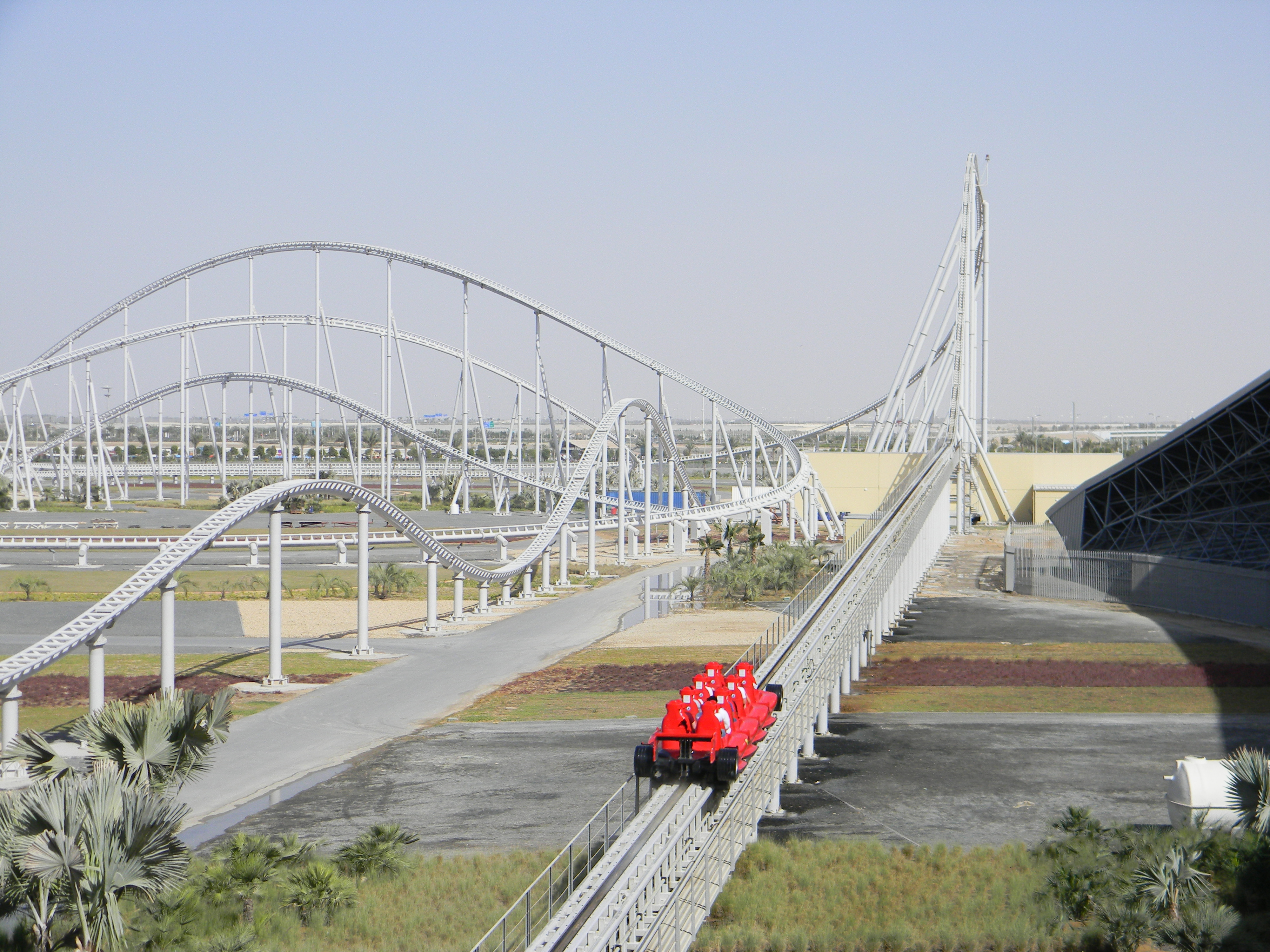
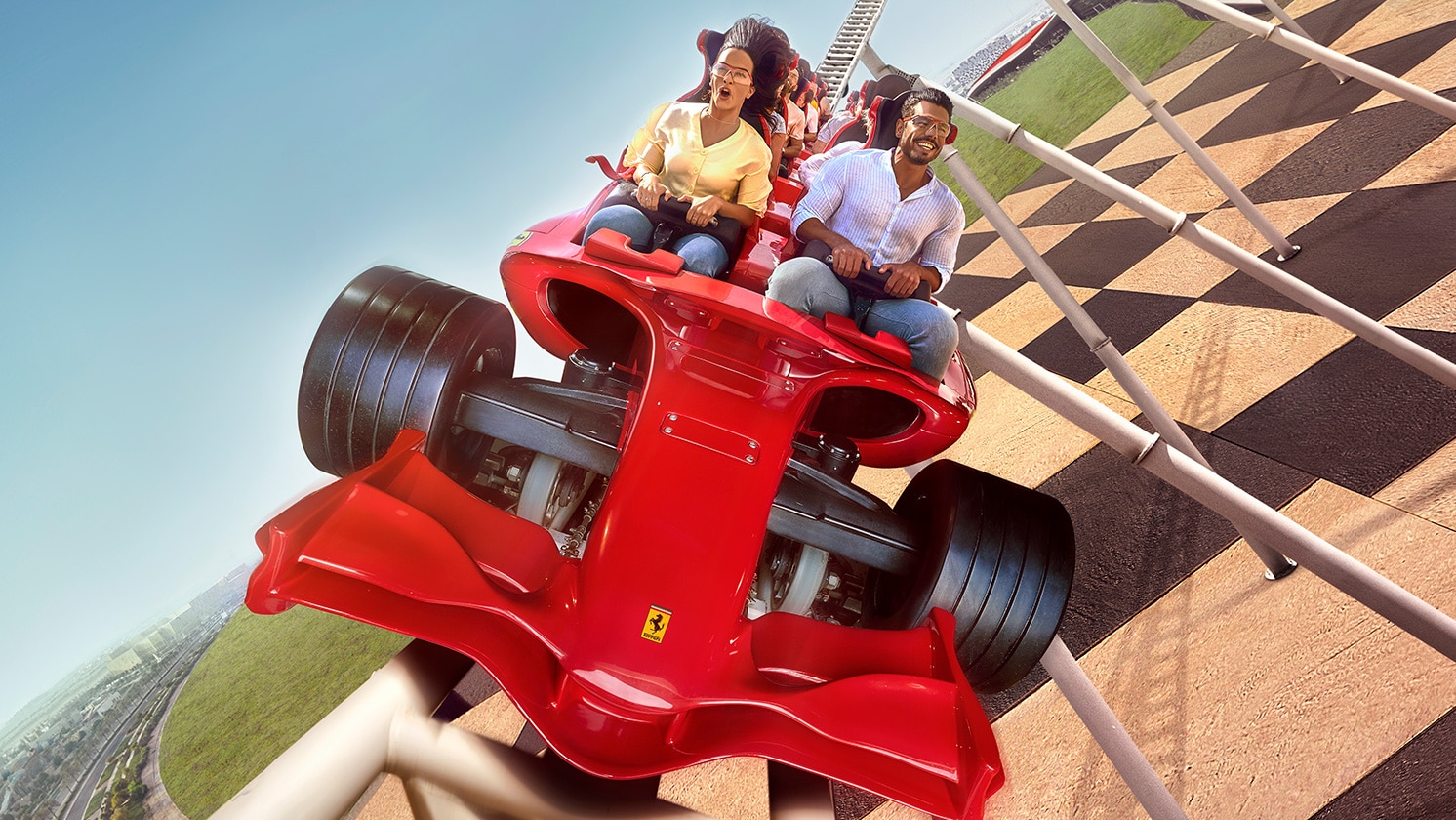
Formula Rossa at Ferrari World Abu Dhabi has long held the crown for the world’s fastest roller coaster, reaching an astonishing top speed of 150 mph (240 km/h). This incredible feat is achieved through a powerful hydraulic launch system, propelling the train from 0 to 60 mph in just two seconds. The design of Formula Rossa showcases a deep integration of automotive engineering principles, reflecting its Ferrari branding. The aerodynamics of the train, designed to resemble a Formula 1 car, are optimized for speed and stability. The track layout, while seemingly simple in its initial acceleration phase, is carefully engineered to manage the incredible forces involved as the train navigates its course. The materials used in its construction, particularly the track, are designed to withstand the intense stresses of such high velocities and frequent operation. The meticulous engineering behind Formula Rossa, from its launch system to its structural integrity, represents a pinnacle of current roller coaster technology.
The ongoing innovation in roller coaster technology means that this record is unlikely to stand unchallenged for long. Parks worldwide are investing in new technologies and innovative designs, all driven by the desire to offer visitors ever more thrilling and technologically advanced experiences. The development of more efficient and powerful launch systems, coupled with advancements in aerodynamic design and material science, promises even faster and more exhilarating rides in the future. The pursuit of speed on a roller coaster is, at its heart, a celebration of technological progress and the engineering marvels that allow us to safely experience the thrill of extreme velocity.
aViewFromTheCave is a participant in the Amazon Services LLC Associates Program, an affiliate advertising program designed to provide a means for sites to earn advertising fees by advertising and linking to Amazon.com. Amazon, the Amazon logo, AmazonSupply, and the AmazonSupply logo are trademarks of Amazon.com, Inc. or its affiliates. As an Amazon Associate we earn affiliate commissions from qualifying purchases.