
For investors, the question “what’s the price of Meta stock?” is far more complex than a simple number. It’s a gateway to understanding market sentiment, fundamental performance, future potential, and inherent risks associated with one of the world’s most influential technology companies. Meta Platforms, Inc. (NASDAQ: META), formerly Facebook, stands at the intersection of social connection, digital advertising, and ambitious futuristic visions. Its stock price reflects not only its current financial health but also the market’s evolving perception of its strategy, competitive position, and ability to innovate.
Understanding Meta Platforms (META) as an Investment
Before diving into the mechanics of its stock price, it’s crucial to grasp what Meta Platforms represents as an investment. The company has undergone a significant transformation, evolving beyond its initial social media roots.
From Facebook to Meta: A Strategic Pivot
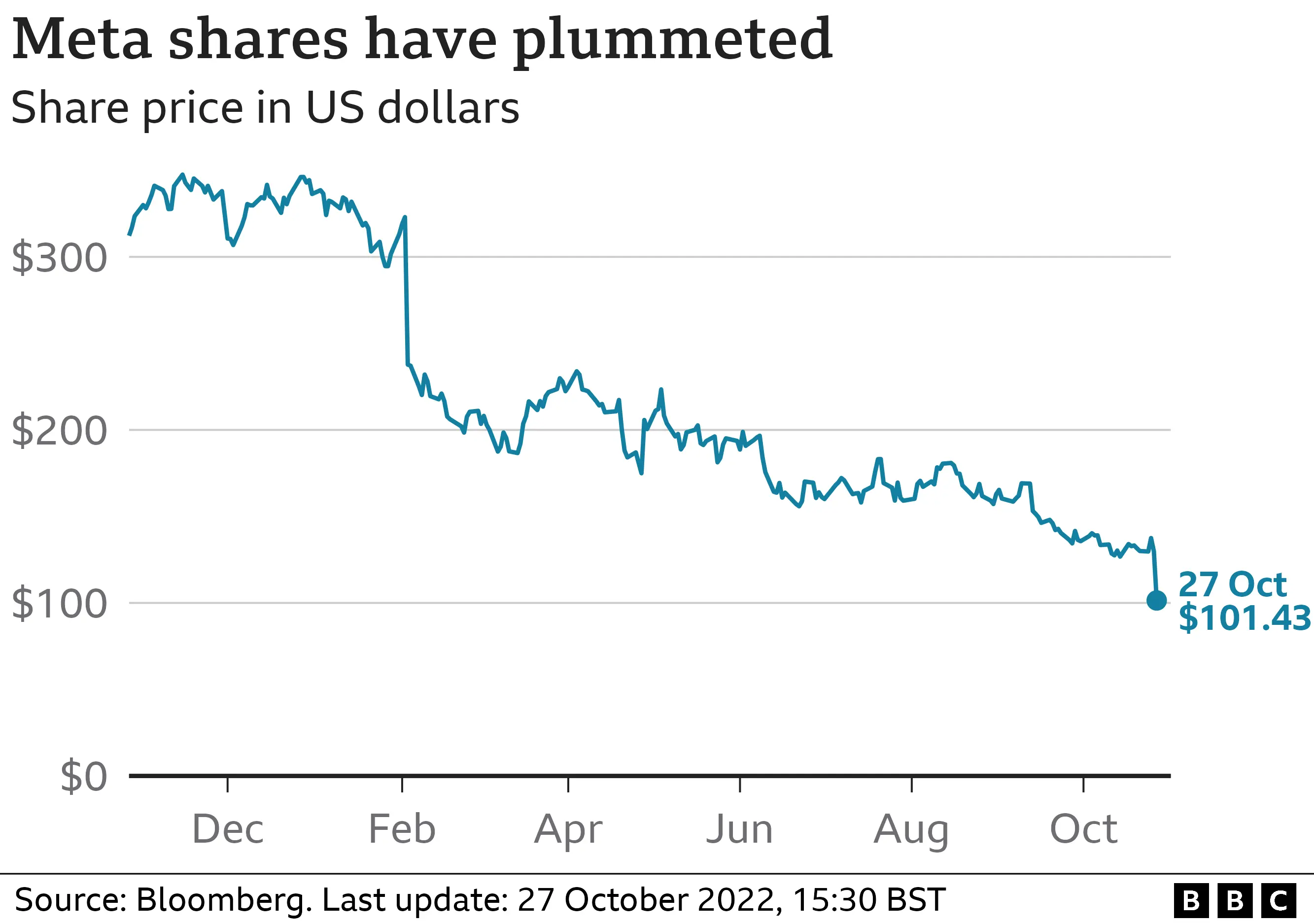
In October 2021, Facebook Inc. rebranded as Meta Platforms Inc., signaling a monumental strategic pivot towards the metaverse. This change wasn’t merely cosmetic; it underscored CEO Mark Zuckerberg’s conviction that the metaverse – a persistent, interconnected set of virtual spaces – represents the next frontier of digital interaction. This bold move, while exciting for long-term visionaries, also introduced a new layer of complexity and risk for investors, requiring massive upfront investments with uncertain returns on a distant horizon. The market’s reaction to this pivot has been a significant driver of stock volatility, as investors weigh immediate profitability against long-term transformational potential.
Core Business Segments: Advertising Dominance and Reality Labs
Meta’s business is primarily divided into two reporting segments:
- Family of Apps (FoA): This segment is the company’s cash cow, encompassing Facebook, Instagram, Messenger, and WhatsApp. It generates the vast majority of Meta’s revenue through targeted advertising. Billions of users across these platforms provide an immense audience for advertisers, making Meta a dominant player in the digital advertising landscape. The health of this segment is directly tied to user growth, engagement, ad impression volume, and average price per ad.
- Reality Labs (RL): This segment is Meta’s future-facing venture, dedicated to building the metaverse. It includes hardware like the Quest VR headsets, augmented reality (AR) glasses, and software platforms for virtual worlds. Reality Labs operates at a significant loss, reflecting the massive research and development expenditures required to build this nascent ecosystem. The market scrutinizes these losses closely, evaluating whether the investment is sustainable and what tangible progress is being made.
The Importance of Market Cap and Stock Price
The “price of Meta stock” refers to the cost of purchasing a single share of the company’s equity. This price, multiplied by the total number of outstanding shares, gives you the company’s market capitalization (market cap). Market cap is a critical metric because it represents the total market value of the company and is often used by investors to categorize companies (e.g., large-cap, mid-cap). A higher stock price generally indicates stronger investor confidence and positive future expectations, while a lower price might signal concerns about growth, profitability, or competitive threats. However, it’s crucial to remember that the price itself is less important than the company’s underlying fundamentals and future earnings potential relative to that price.
Key Factors Influencing Meta’s Stock Price
Meta’s stock price is a dynamic reflection of numerous internal and external forces. Understanding these drivers is essential for any investor.
Advertising Revenue Trends and Economic Sensitivity
As an advertising-dependent business, Meta’s revenues are highly sensitive to macroeconomic conditions. During economic downturns, businesses often cut advertising budgets, directly impacting Meta’s top line. Conversely, a robust economy typically translates to higher ad spending. Beyond the economy, internal factors like the performance of its short-form video product (Reels) in competing with TikTok, and the effectiveness of its AI-driven ad targeting, are critical. Challenges like Apple’s App Tracking Transparency (ATT) framework have also significantly impacted Meta’s ability to track users and deliver targeted ads, leading to a substantial revenue hit and forcing the company to re-engineer its advertising infrastructure.
Reality Labs Investments and the Metaverse Vision
The significant investments in Reality Labs are a double-edged sword for Meta’s stock. On one hand, they represent a bold bet on future growth and a potential paradigm shift in digital interaction. If the metaverse gains mainstream adoption, Meta, as a first-mover and major investor, could reap substantial rewards. On the other hand, the multi-billion dollar annual losses from this segment weigh heavily on Meta’s overall profitability. Investors are constantly evaluating the pace of innovation, user adoption of VR/AR technologies, and the timeline to profitability for Reality Labs. Any news suggesting accelerated progress or, conversely, major setbacks in this area can profoundly impact the stock.
Competitive Landscape and Regulatory Headwinds
Meta operates in an intensely competitive digital landscape. It faces fierce competition for user attention and advertising dollars from tech giants like Google (YouTube), Apple, TikTok, Snapchat, and emerging platforms. The ability to retain and grow its user base across its family of apps is paramount.
Furthermore, regulatory scrutiny poses a significant and ongoing challenge. Governments worldwide are increasingly focused on issues like data privacy, antitrust concerns (monopolistic practices), content moderation, and the potential impact of social media on mental health. Fines, new regulations, or even forced divestitures (e.g., calls to spin off Instagram or WhatsApp) could materially impact Meta’s business model and profitability, creating a persistent overhang on the stock.
Management Decisions and Shareholder Returns
The strategic decisions made by Meta’s leadership team, particularly Mark Zuckerberg, are closely watched. Decisions regarding product development, capital allocation (how it invests its money), and cost management directly influence financial performance. Initiatives like aggressive cost-cutting, layoffs, and a renewed focus on “efficiency” have been positively received by the market in recent periods. Additionally, Meta’s approach to returning capital to shareholders, primarily through share buybacks, can influence the stock price by reducing the number of outstanding shares and boosting earnings per share.
Broader Market Sentiment and Macroeconomic Factors
Finally, Meta’s stock price doesn’t exist in a vacuum. It is heavily influenced by broader market trends, especially within the technology sector. A general “risk-on” environment, where investors are comfortable taking on more risk, tends to benefit growth stocks like Meta. Conversely, periods of market uncertainty, rising interest rates (which discount future earnings more heavily), or fears of recession can lead to a broad sell-off in tech stocks, irrespective of Meta’s specific performance. Inflation, geopolitical events, and currency fluctuations can also play a role.
Analyzing Meta’s Financial Performance and Valuation
Beyond the immediate price, a thorough financial analysis is critical to determine if Meta stock is a good investment at its current valuation.
Revenue Growth and Profitability Metrics
Investors look for consistent revenue growth. While Meta’s FoA segment has historically been a growth engine, challenges like ATT and increased competition have moderated this. Analysts scrutinize metrics like year-over-year revenue growth, operating margin (profitability before interest and taxes), and net income (bottom-line profit). Sustained pressure on profitability due to Reality Labs losses or declining ad revenue growth can signal underlying issues.

Earnings Per Share (EPS) and Price-to-Earnings (P/E) Ratio
Earnings Per Share (EPS) is a fundamental profitability metric, representing a company’s net profit divided by the number of outstanding shares. It’s a key indicator of a company’s ability to generate profits for its shareholders. The Price-to-Earnings (P/E) ratio is one of the most common valuation metrics. It is calculated by dividing the current stock price by the annual EPS. A high P/E ratio suggests investors are willing to pay more for each dollar of earnings, often implying high growth expectations. A low P/E might indicate a company is undervalued or that investors have low expectations for future growth. Comparing Meta’s P/E to its historical average and to industry peers provides valuable context.
Cash Flow Generation and Balance Sheet Strength
Meta is a strong cash flow generator, primarily from its FoA segment. Free Cash Flow (FCF), which is the cash a company generates after accounting for cash outflows to support operations and maintain its capital assets, is crucial for funding Reality Labs investments, share buybacks, and potential future dividends. A robust balance sheet with ample cash reserves and low debt provides financial flexibility and resilience during challenging economic times or when making large strategic bets.
Comparing Meta to Tech Giants and Peers
Valuation is always relative. Investors compare Meta’s financial metrics and valuation ratios (like P/E, Price/Sales, Enterprise Value/EBITDA) to other large-cap technology companies (e.g., Google, Apple, Microsoft, Amazon) and direct competitors in digital advertising (e.g., Snap, Pinterest). This comparative analysis helps determine if Meta is trading at a premium or discount relative to its peers, considering its growth prospects, risks, and market position.
Investing in Meta Stock: Considerations and Outlook
Deciding whether to invest in Meta stock requires a careful assessment of its opportunities and risks, aligning with one’s personal investment goals and risk tolerance.
Volatility and Risk Factors
Meta’s stock has demonstrated significant volatility, particularly since its rebranding and aggressive pivot to the metaverse. Investors should be prepared for potential price swings. Key risks include:
- Execution Risk: The successful development and adoption of the metaverse are not guaranteed.
- Regulatory Risk: Ongoing and potential future government interventions.
- Competition Risk: Intense competition for user attention and advertising dollars.
- Economic Downturns: Impact on advertising revenue.
- Platform Changes: Shifts in privacy rules (like Apple’s ATT) affecting ad targeting.
Growth Potential: AI, Reels, and the Metaverse Long Game
Despite the challenges, Meta possesses significant growth drivers. Its continued investment in AI is enhancing its advertising effectiveness and powering new features across its apps. The rapid growth of Reels is crucial for competing in the short-form video space and monetizing user engagement. Longer term, if the metaverse vision materializes, Meta stands to capture a significant portion of this new digital economy. The company’s vast user base provides a powerful network effect, making it difficult for new entrants to dislodge its core platforms.
Dividend Policy and Share Buybacks
Historically, Meta has not paid a dividend, choosing instead to reinvest its profits back into the business and conduct substantial share buyback programs. Share buybacks reduce the number of outstanding shares, which can boost EPS and potentially support the stock price. Investors focused on income generation might find Meta less appealing than dividend-paying stocks, while growth-oriented investors often prefer companies that reinvest for future expansion.
Diversification and Investment Horizon
As with any individual stock, Meta should ideally be part of a diversified investment portfolio. Over-reliance on a single company, no matter how strong, exposes an investor to undue risk. Furthermore, the “Metaverse” investment is a long-term play. Investors considering Meta should have an investment horizon of several years, willing to weather short-term volatility in anticipation of potential long-term returns from its strategic bets.
Analyst Sentiment and Price Targets
Financial analysts at major investment banks and research firms regularly publish reports and price targets for Meta stock. These reports offer insights into their models, assumptions, and outlook. While not foolproof, monitoring analyst sentiment can provide a broad understanding of institutional expectations and consensus views. However, investors should conduct their own due diligence rather than blindly following analyst recommendations.
How to Find the Current Price of Meta Stock
For those simply looking for the immediate number, finding the current price of Meta stock is straightforward.
Real-Time Data Sources: Financial News Sites and Brokerage Platforms
The most common ways to find the current stock price are through:
- Financial News Websites: Reputable sites like Google Finance, Yahoo Finance, Bloomberg, Reuters, The Wall Street Journal, and CNBC provide real-time or near real-time stock quotes.
- Brokerage Platforms: If you have an investment account, your broker’s platform will display the current price and offer advanced charting tools.
- Stock Market Apps: Many mobile apps are dedicated to providing stock market data.
Understanding Tickers (NASDAQ: META)
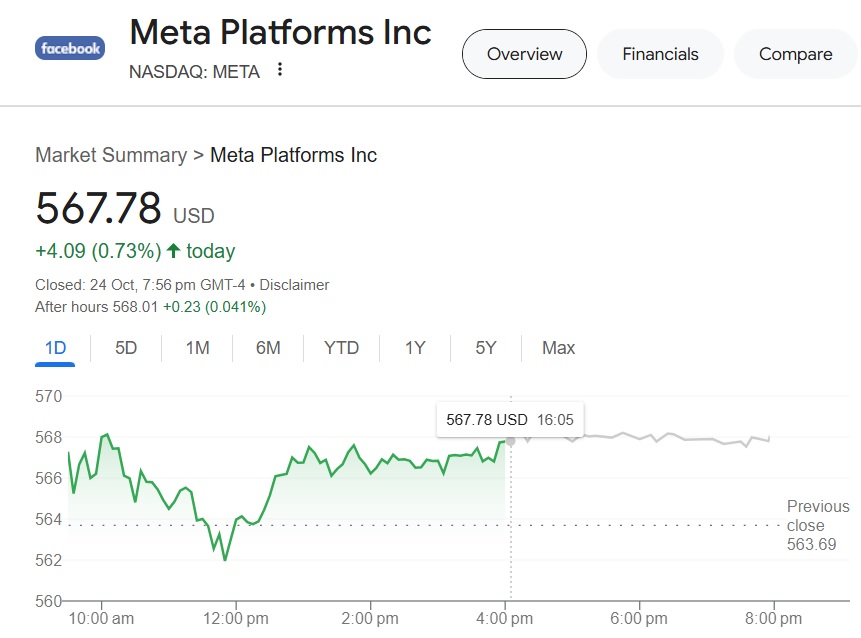
To search for Meta Platforms stock, you’ll use its ticker symbol, which is META. The “NASDAQ” prefix indicates the exchange where the stock is primarily traded (the Nasdaq Stock Market). When you type “META” into a search bar on a financial website or brokerage platform, it will pull up the relevant stock information.
Beyond the Number: What Does the Price Truly Represent?
Ultimately, the current price of Meta stock is a snapshot. It reflects the last traded price at any given moment, driven by the supply and demand of shares in the open market. This number is the culmination of all the factors discussed above: Meta’s financial performance, strategic direction, competitive environment, regulatory landscape, and overall market sentiment. While the number itself is simple, its implications for an investor are profound, representing a complex interplay of value, risk, and future potential.
In conclusion, “what’s the price of Meta stock?” is a question that invites a deep dive into the company’s past, present, and future. For the discerning investor, understanding the multifaceted drivers behind that price is far more valuable than the number alone, enabling informed decisions in the dynamic world of financial markets.
aViewFromTheCave is a participant in the Amazon Services LLC Associates Program, an affiliate advertising program designed to provide a means for sites to earn advertising fees by advertising and linking to Amazon.com. Amazon, the Amazon logo, AmazonSupply, and the AmazonSupply logo are trademarks of Amazon.com, Inc. or its affiliates. As an Amazon Associate we earn affiliate commissions from qualifying purchases.