
The question “what’s the mortgage rate?” is far more than a simple query; it’s a gateway to understanding a complex interplay of economic forces, personal financial health, and strategic decision-making that profoundly impacts a household’s largest asset. For prospective homeowners, current owners contemplating a refinance, or anyone tracking the broader economic pulse, mortgage rates serve as a critical barometer. They dictate the cost of borrowing hundreds of thousands of dollars, influencing affordability, market activity, and long-term financial stability.
In essence, a mortgage rate is the interest rate charged by a lender on a loan used to purchase a home. It’s expressed as a percentage of the loan amount and represents the annual cost of borrowing. However, behind this seemingly straightforward definition lies a dynamic system influenced by global economic trends, central bank policies, and individual creditworthiness. Deciphering these elements is crucial for anyone navigating the path to homeownership or optimizing their existing mortgage. This article delves into the mechanics of mortgage rates, explores their determinants, outlines different product types, and provides actionable strategies for securing the most favorable terms in today’s ever-shifting financial environment.
The Dynamics of Mortgage Rates: More Than Just a Number
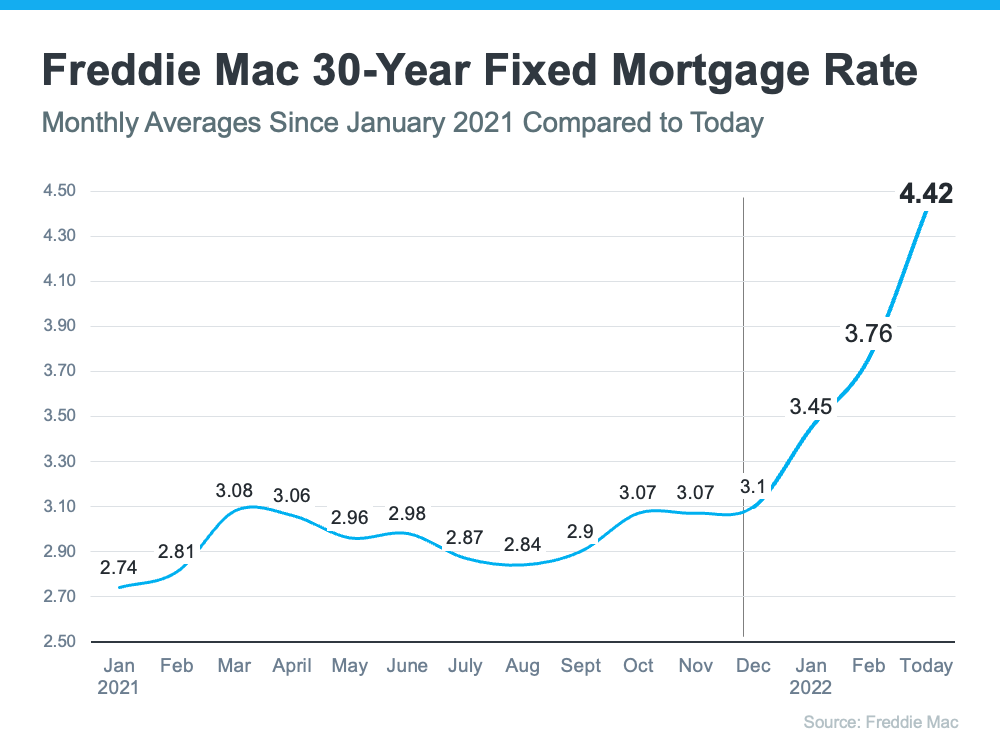
Understanding mortgage rates goes beyond just knowing the current percentage point. It involves comprehending the intricate web of factors that push rates up or pull them down, and how these movements directly affect your financial commitments. Mortgage rates are not static; they fluctuate daily, sometimes even hourly, in response to a myriad of economic signals.
Defining Mortgage Rates: Interest and APR
At its core, a mortgage rate is the interest rate you’ll pay on your home loan. This figure, typically quoted as an annual percentage, determines the amount of interest you’ll pay over the life of the loan. However, it’s crucial to distinguish between the simple interest rate and the Annual Percentage Rate (APR). The interest rate solely reflects the cost of borrowing the principal amount. The APR, on the other hand, provides a more comprehensive measure of the total cost of the loan, encompassing the interest rate plus other charges such as origination fees, discount points, and certain closing costs. While the interest rate directly impacts your monthly principal and interest payment, the APR offers a truer picture of the loan’s overall expense, making it a better tool for comparing different loan offers. Lenders are legally required to disclose the APR, enabling consumers to make more informed decisions.
Key Economic Influencers: Federal Reserve, Inflation, and Treasury Yields
Mortgage rates are inextricably linked to the broader economic landscape. The actions of the Federal Reserve, while not directly setting mortgage rates, exert significant influence. When the Fed raises or lowers the federal funds rate – its benchmark interest rate – it impacts the cost of borrowing for banks. This, in turn, often translates into changes in consumer lending rates, including those for mortgages. Higher federal funds rates typically lead to higher mortgage rates as lenders’ own borrowing costs increase.
Inflation is another formidable driver. Lenders view inflation as an erosion of the future purchasing power of the money they lend today. To compensate for this risk, they demand higher interest rates during inflationary periods. Conversely, when inflation is low or stable, lenders may offer lower rates.
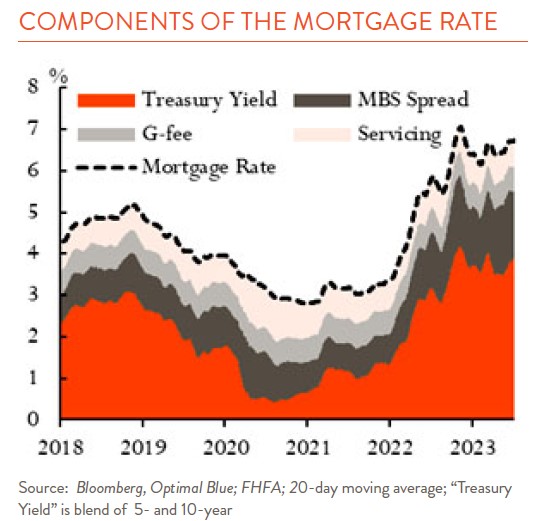
Perhaps the most direct economic influence on fixed mortgage rates comes from 10-year Treasury yields. Mortgage-backed securities (MBS), which are bundles of mortgages sold to investors, often track the performance of 10-year Treasury bonds. When demand for Treasuries is high, their yields fall, which generally translates to lower mortgage rates. Conversely, when investors sell off Treasuries, their yields rise, typically pulling mortgage rates higher. Economic outlook, global events, and investor sentiment all play a role in how these yields fluctuate.
Lender Specifics and Borrower Profiles
While macroeconomic factors set the general trend, individual lenders also play a crucial role in setting specific rates. Each lender has its own risk assessment models, overhead costs, and profit margins. They might offer slightly different rates based on their current portfolio goals or competitive positioning. Furthermore, your personal financial profile significantly impacts the rate you’re offered. A strong credit score (typically FICO scores above 740), a low debt-to-income ratio (DTI), and a substantial down payment signal lower risk to lenders, making you eligible for their most favorable rates. Conversely, a lower credit score or higher DTI indicates greater risk, often resulting in a higher interest rate to compensate the lender for that perceived risk.
Navigating Mortgage Products: Fixed vs. Adjustable Rates
When seeking a mortgage, borrowers encounter a spectrum of product options, primarily categorized by how their interest rates behave over time. The choice between a fixed-rate and an adjustable-rate mortgage (ARM) is one of the most significant financial decisions a homeowner will make, impacting budgeting, risk exposure, and long-term financial planning.
Fixed-Rate Mortgages: Stability in a Changing Market
The fixed-rate mortgage (FRM) is the most common and often preferred option for many homeowners, particularly during periods of economic uncertainty. With an FRM, the interest rate remains constant for the entire duration of the loan, typically 15 or 30 years. This means your principal and interest payments will never change, regardless of market fluctuations. The primary benefit of an FRM is predictability. Homeowners can budget with confidence, knowing exactly what their monthly housing expense will be for decades to come. This stability acts as a hedge against rising interest rates, protecting borrowers from potential payment shock. However, the downside is that if market rates fall significantly, you won’t benefit from lower payments unless you go through the process and cost of refinancing. Popular FRM terms include 30-year fixed, offering lower monthly payments but higher overall interest paid, and 15-year fixed, which involves higher monthly payments but significantly less interest paid over a shorter term.
Adjustable-Rate Mortgages (ARMs): Flexibility with Calculated Risk
Adjustable-rate mortgages (ARMs), as their name suggests, feature an interest rate that can change periodically based on an underlying index. ARMs typically begin with a fixed-rate period (e.g., 3, 5, 7, or 10 years), after which the rate adjusts at a predetermined frequency (e.g., annually). These initial fixed periods are often accompanied by lower interest rates compared to a 30-year fixed mortgage, making ARMs attractive to borrowers who anticipate moving before the fixed period ends or who believe rates will fall in the future.
The adjustable component of an ARM is tied to a specific financial index, such as the Secured Overnight Financing Rate (SOFR) or the London Interbank Offered Rate (LIBOR, though phasing out). To this index, the lender adds a “margin” – a fixed percentage – to determine the borrower’s rate. ARMs also come with various caps: a periodic cap limits how much the rate can change at each adjustment, and a lifetime cap limits how much the rate can increase over the life of the loan. While ARMs can offer lower initial payments and potential savings if rates fall, they expose borrowers to the risk of significant payment increases if rates rise after the fixed period expires. They are often favored by borrowers with short-term financial plans or those comfortable with greater market risk.
Hybrid ARMs and Other Specialized Products
Beyond the standard fixed and adjustable rates, there are hybrid ARMs, which combine features of both, like a 5/1 ARM (fixed for 5 years, then adjusts annually). Other specialized products include FHA loans, VA loans, and USDA loans, which are government-backed mortgages designed to help specific groups of borrowers (first-time homebuyers, veterans, rural residents, respectively) achieve homeownership with more lenient qualification requirements and often lower down payments. While these loans have their own specific criteria, their interest rates are still subject to the same economic forces that influence conventional mortgages, and borrowers still choose between fixed or adjustable rate structures within these programs. Understanding the nuances of each product type is essential for matching a mortgage to individual financial goals and risk tolerance.
Strategies for Securing the Best Mortgage Rate
The pursuit of the lowest possible mortgage rate is a central goal for most borrowers, as even a quarter-point difference can translate into tens of thousands of dollars in savings over the life of a loan. While external economic factors are beyond individual control, there are several actionable strategies borrowers can employ to significantly improve their chances of securing a favorable rate.
Boosting Your Credit Score: A Cornerstone of Favorable Rates
Your credit score is arguably the single most important factor within your control that influences the mortgage rate you’ll be offered. Lenders use credit scores (like FICO scores) to assess your creditworthiness and the likelihood of you repaying the loan. A higher score signifies lower risk. Generally, scores above 740 are considered excellent and qualify borrowers for the most competitive rates. To improve your credit score:
- Pay bills on time, every time: Payment history accounts for 35% of your FICO score.
- Keep credit utilization low: Aim to use less than 30% of your available credit across all cards.
- Avoid opening new credit accounts unnecessarily: New credit inquiries can temporarily lower your score.
- Review your credit report for errors: Discrepancies can negatively impact your score.
- Reduce existing debt: Lowering your overall debt burden improves your debt-to-income ratio, another key metric.
Down Payment Power: Reducing Lender Risk
A larger down payment not only reduces the amount you need to borrow but also signals greater financial stability to lenders. Lenders view a substantial down payment as a sign of commitment and a buffer against potential default. Generally, a down payment of 20% or more can help you avoid private mortgage insurance (PMI), a costly monthly fee that protects the lender, not you. Beyond avoiding PMI, a larger down payment often translates directly into a lower interest rate, as the lender’s risk exposure is reduced. Even if you can’t hit the 20% mark, saving as much as possible for a down payment can still yield better rate offers.
Shopping Around: The Value of Multiple Quotes
One of the most effective yet often overlooked strategies is to shop around and compare offers from multiple lenders. While it may seem tedious, obtaining quotes from at least three to five different lenders – including banks, credit unions, and mortgage brokers – can reveal significant rate discrepancies. Each lender has different pricing structures, overheads, and risk appetites, which can result in varying rates for the same borrower profile on the same day. Mortgage rates are not standardized; they are highly competitive. Using a common application across multiple lenders within a short timeframe (usually 14-45 days, depending on the scoring model) will typically count as a single inquiry on your credit report, minimizing the impact on your score. This diligent comparison shopping ensures you’re getting the most competitive rate available in the market at that moment.
Locking In Your Rate: Timing and Tactics
Once you’ve identified a favorable rate and chosen a lender, the next crucial step is to “lock in” your mortgage rate. A rate lock guarantees that your quoted interest rate will not change between the time of your application and closing, provided the closing occurs within a specified period (e.g., 30, 45, or 60 days). This protects you from rate increases during the underwriting process.
Timing is critical when deciding when to lock. If you believe rates are likely to rise, locking in sooner is advisable. If you anticipate a decline, you might wait, but this carries the risk of rates increasing instead. Some lenders offer “float-down” options, which allow you to convert to a lower rate if market rates drop significantly before closing, usually for an additional fee. Discussing these options and the implications of different lock periods with your loan officer is essential to make an informed decision.
The Broader Impact of Mortgage Rates on Homeownership and the Economy
Mortgage rates are more than just a personal financial concern; they are a powerful lever that influences the health and accessibility of the housing market and, by extension, the broader economy. Their movements ripple through various sectors, affecting everything from construction activity to consumer spending.
Affordability and Buying Power
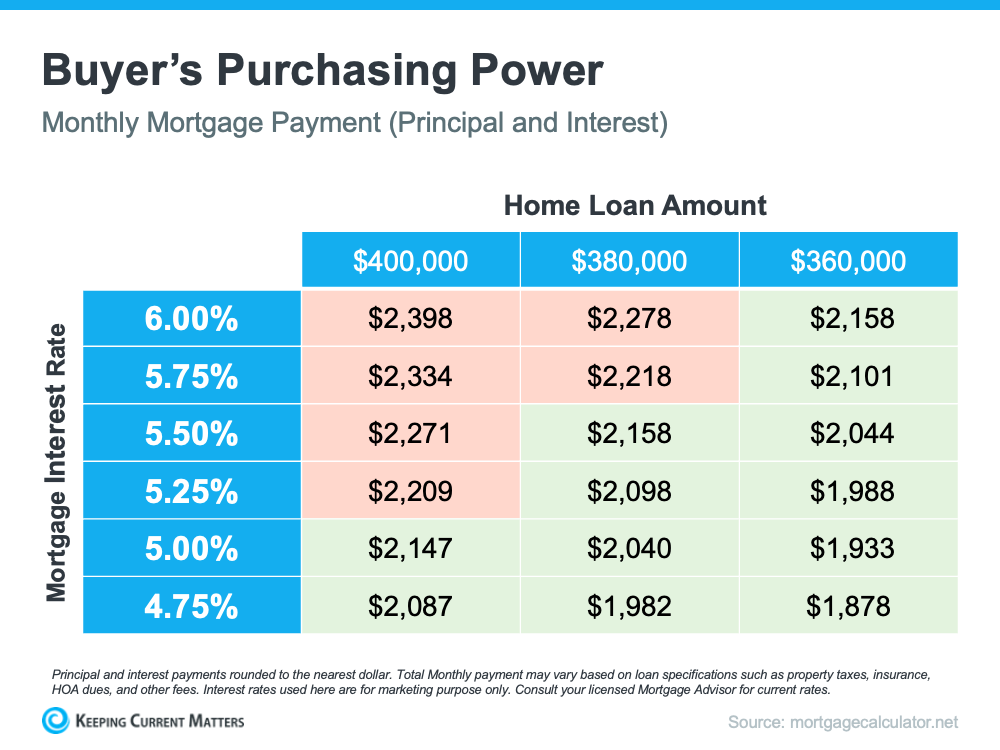
Perhaps the most direct impact of mortgage rates is on housing affordability and buying power. When rates are low, the cost of borrowing decreases, leading to lower monthly mortgage payments for a given loan amount. This makes homes more affordable, allowing more individuals to qualify for mortgages and potentially purchase more expensive properties. Conversely, when rates rise, monthly payments increase substantially. Even a seemingly small increase of one percentage point can add hundreds of dollars to a monthly payment, significantly reducing what a borrower can afford or qualify for. This diminished buying power can price potential homebuyers out of the market, particularly first-time buyers, and slow down market activity.
Refinancing Opportunities and Market Sensitivity
For existing homeowners, mortgage rates heavily influence refinancing opportunities. Low-rate environments often trigger a wave of refinancing activity, as homeowners seek to reduce their monthly payments, shorten their loan term, or tap into their home equity. Refinancing can provide substantial savings over the life of the loan and free up discretionary income. However, when rates rise, the incentive to refinance diminishes, as the benefit of a lower rate may not outweigh the closing costs associated with a new loan. The housing market is highly sensitive to these shifts, with refinancing volumes serving as a key indicator of market health and consumer confidence.
Economic Indicators and Housing Market Health
The housing market is a significant component of the overall economy. Mortgage rates, by affecting home sales, construction, and consumer spending, act as a vital economic indicator.
- Construction: Lower rates stimulate demand, encouraging new home construction, which creates jobs and boosts economic output. Higher rates can slow down construction, leading to job losses and reduced economic activity.
- Consumer Spending: When mortgage payments are lower due to favorable rates, homeowners have more disposable income, which can be spent on goods and services, thus stimulating other sectors of the economy. Conversely, higher payments can restrict consumer spending.
- Home Equity: Rates also impact home equity. Stable or appreciating home values, often supported by a healthy, rate-influenced market, allow homeowners to build wealth and potentially access home equity lines of credit (HELOCs) or cash-out refinances, further influencing spending and investment.
In summary, mortgage rates are a crucial mechanism through which monetary policy influences real economic activity, making them a focal point for economists, policymakers, and financial analysts alike.
Future Outlook and Expert Insights
Predicting the precise future trajectory of mortgage rates is a challenging endeavor, even for seasoned financial experts. Rates are influenced by a complex interplay of domestic and global economic factors, geopolitical events, and the ever-evolving policies of central banks. However, understanding the dominant forces at play can help borrowers and homeowners make more informed decisions.
Forecasting Rate Movements: A Complex Equation
Forecasting mortgage rates involves analyzing a multitude of indicators. The Federal Reserve’s stance on monetary policy, particularly its decisions regarding the federal funds rate and quantitative tightening/easing, is paramount. When the Fed signals a commitment to combating inflation, it often implies further rate hikes, which tend to push mortgage rates higher. Conversely, a pivot towards economic stimulus or concerns about a recession might lead to rate cuts.
Inflation data remains a critical input. Persistent high inflation will likely keep rates elevated as lenders and investors demand higher returns to offset the erosion of purchasing power. Employment figures, GDP growth, and consumer confidence also provide clues about the overall health of the economy, influencing how investors view risk and where they park their capital, subsequently affecting Treasury yields and, by extension, mortgage rates. Global events, such as supply chain disruptions, energy price volatility, or international conflicts, can also create economic uncertainty, often leading to increased demand for safe-haven assets like U.S. Treasuries, which can temporarily lower mortgage rates. However, if these events fuel inflation, the long-term effect could be higher rates.
Preparing for Rate Fluctuations
Given the inherent unpredictability of mortgage rates, the best approach for borrowers is preparedness rather than attempting to perfectly time the market.
- Stay Informed: Regularly monitor economic news, Federal Reserve announcements, and expert forecasts from reputable financial institutions.
- Assess Your Risk Tolerance: Understand whether the stability of a fixed-rate mortgage or the potential initial savings (and later risk) of an ARM aligns with your financial goals and comfort level with uncertainty.
- Strengthen Your Financial Profile: Continuously work on improving your credit score, reducing debt, and increasing your savings. A strong financial footing will always put you in a better position to secure favorable rates, regardless of market conditions.
- Pre-approval: For prospective buyers, obtaining a mortgage pre-approval is crucial. It gives you a clear understanding of what you can afford and signals to sellers that you are a serious buyer. More importantly, it locks in a rate for a specified period, protecting you from short-term rate increases while you search for a home.
The Role of Financial Advisors
Navigating the complexities of mortgage rates and product choices can be overwhelming. This is where the expertise of financial advisors and qualified mortgage professionals becomes invaluable. A good advisor can help you:
- Understand market trends: Interpret economic data and its potential impact on rates.
- Tailor product selection: Recommend the best mortgage product (fixed, ARM, FHA, VA, etc.) based on your unique financial situation, long-term goals, and risk profile.
- Optimize your financial health: Provide strategies to improve your credit score, manage debt, and save for a down payment, thereby qualifying you for better rates.
- Compare offers: Help you thoroughly analyze and compare loan estimates from multiple lenders, ensuring you understand all fees and terms beyond just the interest rate.
While no one can guarantee future rate movements, armed with knowledge, strategic preparation, and professional guidance, individuals can confidently approach the mortgage market, make informed decisions, and secure financing that aligns with their financial aspirations.
aViewFromTheCave is a participant in the Amazon Services LLC Associates Program, an affiliate advertising program designed to provide a means for sites to earn advertising fees by advertising and linking to Amazon.com. Amazon, the Amazon logo, AmazonSupply, and the AmazonSupply logo are trademarks of Amazon.com, Inc. or its affiliates. As an Amazon Associate we earn affiliate commissions from qualifying purchases.