
Geocaching has evolved from a niche hobby involving high-end GPS units into a global digital phenomenon powered by sophisticated mobile applications. As users engage with the Geocaching app—or professional-grade handheld devices—they encounter a unique shorthand that facilitates communication within the global community. Among the most prevalent acronyms encountered in digital logs and on-site physical logs is “TFTC.” Understanding this term is essential for anyone looking to navigate the intersection of outdoor recreation and digital tracking technology.
The Digital Architecture of Geocaching Communication
At its core, geocaching is a data-driven experience. Participants use satellite navigation technology to hide and seek containers, known as “geocaches,” at specific coordinates marked on a digital map. Because the activity relies on a centralized database—often managed through the official Geocaching.com platform or via API-integrated third-party applications—there is a heavy emphasis on digital logging.

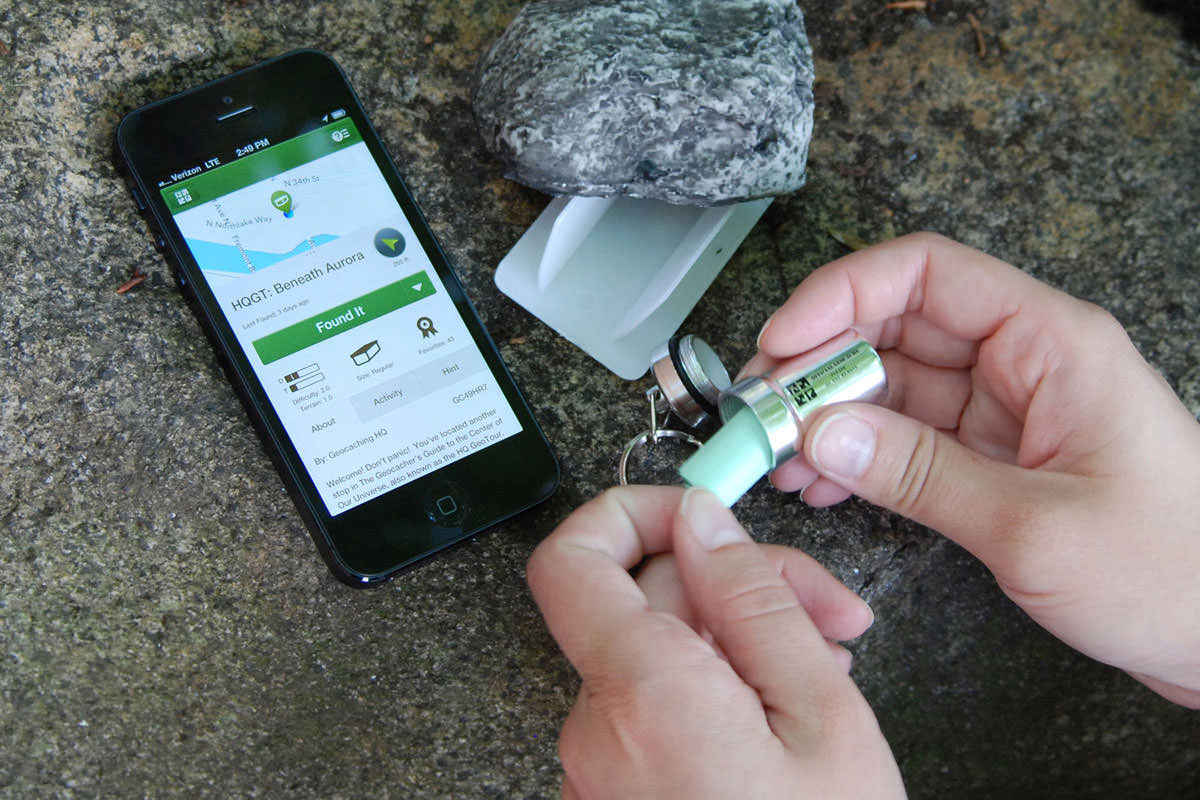
When a seeker successfully locates a cache, they are expected to update the digital record. This is where the acronym TFTC, standing for “Thanks For The Cache,” becomes a cornerstone of user-generated content. In the realm of app-based social engagement, brevity is often prioritized to ensure that users can log their finds efficiently while in the field. The use of TFTC serves as a standard protocol, functioning much like a digital “like” or an acknowledgment receipt in a software-driven workflow.
The Role of Mobile Apps in Community Standards
Modern geocaching apps are designed with user experience (UX) and interface (UI) principles that encourage rapid interaction. When a user finds a cache, the mobile interface prompts them to leave a log entry. The adoption of shorthand like TFTC allows for a frictionless transition between finding the physical object and updating the digital state of the cache. This maintains the “health” of the database, as cache owners receive notifications that their digital asset has been successfully verified by another user.
The Technical Significance of Log Maintenance
From a database management perspective, every cache has a status. It can be “Active,” “Needs Maintenance,” or “Archived.” When a seeker logs “TFTC,” they are effectively providing a heartbeat signal to the server. This signal confirms that the physical asset exists at the recorded GPS coordinates and is accessible.
Data Integrity and User Experience
The quality of a geocache is often tied to its log history. For the owner of the geocache—the individual who designed the puzzle, selected the location, and deployed the physical container—the log is a form of data analytics. It tracks the frequency of visits and the general status of the cache.
While “TFTC” is the most common log entry, it is often critiqued by power users as a low-value data point. Because geocaching relies on user-generated feedback to maintain the integrity of the game, a log containing only “TFTC” provides very little metadata about the condition of the cache or the accessibility of the site. In technical terms, it is a binary “success” confirmation, but it lacks the qualitative data—such as “container is wet” or “trail is overgrown”—that would help the owner perform necessary maintenance.
Streamlining Communication in a Global Network
Despite the desire for more detailed feedback, the ubiquity of TFTC highlights the efficiency required in a global, distributed network. With millions of active geocaches worldwide, the infrastructure relies on a standardized, low-bandwidth communication method. TFTC acts as the “handshake” protocol between the seeker’s mobile app and the cache owner’s dashboard. It acknowledges that the transaction—the discovery of the cache—has been completed successfully.
Navigating Social Etiquette in Digital Spaces
While geocaching is inherently technological, it is also a social community governed by unspoken rules. The transition from physical interaction (the act of opening the cache) to digital interaction (the act of logging on the app) is where etiquette becomes important.
TFTC as a Baseline, Not an End Goal
In the tech-savvy geocaching community, there is a recurring debate regarding the “meaningfulness” of logs. Developers of geocaching platforms often implement features to encourage longer, more detailed logs. However, the prevalence of TFTC suggests that in a fast-paced, mobile-first world, users prefer minimal cognitive load when completing tasks.
If you are a new user, understanding that TFTC is the baseline is crucial. It is the polite minimum. However, many experienced “geocachers” suggest that while TFTC is acceptable, adding a sentence about the journey, the specific GPS coordinates, or the technical difficulty of the hide adds value to the digital archive. In the context of building a digital reputation within the geocaching community, “TFTC” is the foundation, while descriptive text acts as the enrichment layer.
Professionalism and Cache Ownership
For those who create caches, the “TFTC” log is a form of acknowledgment. It signifies that the digital infrastructure you have deployed is functioning as intended. If you are tracking the performance of your cache hides through the Geocaching.com dashboard, you will find that the vast majority of your traffic data arrives in the form of these short, standardized acknowledgments. Viewing these not just as social pleasantries, but as verification events, allows cache owners to manage their assets with greater ease.
Future Trends in Geocaching Interaction
As augmented reality (AR) and improved GPS precision continue to infiltrate consumer mobile technology, the way we log caches is likely to change. We are already seeing the integration of more automated logging features where the app detects proximity to the coordinates and suggests a log.

The Evolution of Log Metadata
As technology advances, “TFTC” may eventually be replaced by automated verification protocols. When a user’s mobile device confirms their location within a sub-meter radius of the cache, the app could automatically generate a “found” signal. In this future, the manual entry of “TFTC” will become a historical relic, similar to how dial-up connection sounds are now considered artifacts of an earlier internet age.
However, for now, the acronym remains the most effective bridge between the physical adventure and the digital ledger. It is a testament to how even the most sophisticated, satellite-linked hobby requires a simple, human-centric way to communicate success. Whether you are using a ruggedized Garmin GPS or a smartphone with an optimized geolocation app, “TFTC” is the universal language that binds the community together, providing the final step in the technical workflow of every successful discovery.
By recognizing the function of TFTC, you move beyond the surface level of the hobby and understand the underlying mechanics of how a global, crowd-sourced database is maintained. It is a perfect example of how technology simplifies human interaction, allowing participants to focus on the exploration, the challenge, and the thrill of the hunt, while leaving the digital record-keeping to a swift and efficient shorthand. Whether you find yourself deep in a forest or in the middle of a bustling city, the ability to log a “TFTC” ensures that your contribution to the geocaching map is recorded, validated, and celebrated by the owner of the cache.
aViewFromTheCave is a participant in the Amazon Services LLC Associates Program, an affiliate advertising program designed to provide a means for sites to earn advertising fees by advertising and linking to Amazon.com. Amazon, the Amazon logo, AmazonSupply, and the AmazonSupply logo are trademarks of Amazon.com, Inc. or its affiliates. As an Amazon Associate we earn affiliate commissions from qualifying purchases.