
The question of when Generation Z officially ends—and the next cohort begins—is more than just a demographic curiosity. For businesses, particularly in the rapidly evolving tech landscape, understanding generational boundaries is crucial for effective strategy, product development, and targeted marketing. When we talk about Gen Z, we’re not just referring to a group of young people; we’re discussing a significant consumer segment that has shaped and continues to influence the digital world. Their formative years have been steeped in technology, social media, and a unique set of economic and cultural experiences. Pinpointing the tail end of this generation is essential for tech companies to accurately forecast trends, tailor user experiences, and build lasting brand loyalty.
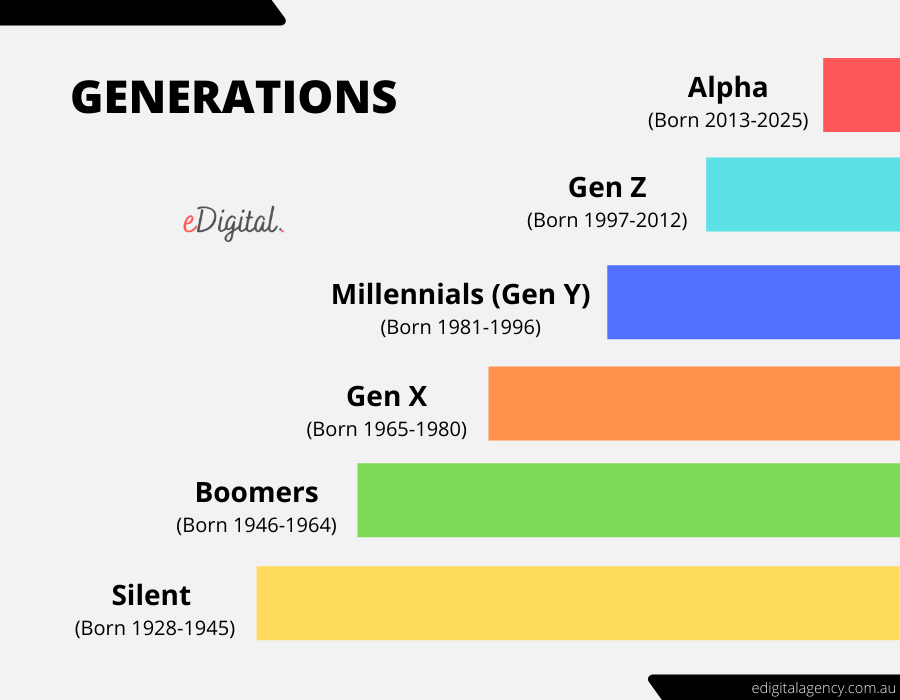
The debate around the precise birth years that define Generation Z is ongoing, with various researchers and organizations offering slightly different ranges. However, a commonly accepted framework places the start of Gen Z around the mid-to-late 1990s, typically 1997, and the end around the early to mid-2010s, often cited as 2012 or 2015. This fluid definition is a characteristic of generational studies; these groups are not rigidly defined by arbitrary calendar dates but by shared experiences, cultural touchstones, and technological immersion. For the tech industry, understanding these nuances allows for a more sophisticated approach to engaging with this demographic. This article will delve into why defining the latter years of Gen Z is critical for tech brands, exploring the characteristics of this cohort as they transition into adulthood and how this impacts technological adoption, digital interaction, and future market potential.
The Shifting Sands of Generational Definitions: Why Precision Matters for Tech
The fluidity of generational definitions is a constant challenge for researchers and marketers alike. However, for the tech sector, a more precise understanding of these boundaries can unlock significant strategic advantages. Gen Z, as a digitally native generation, has a profound impact on the adoption and evolution of new technologies. Their early interaction with smartphones, social media, and the internet has shaped their expectations, behaviors, and purchasing decisions. As the older members of Gen Z enter their mid-twenties and the younger ones approach adolescence, their relationship with technology and their role as consumers and creators shift. Understanding these shifts, and the precise years that mark the transition out of Gen Z, allows tech brands to anticipate evolving needs and preferences.
The Digital Native Experience: From Early Adopters to Digital Citizens
Generation Z’s defining characteristic is their immersion in the digital world from birth or a very early age. Unlike Millennials, who witnessed the rise of the internet and social media, Gen Z grew up with it as an intrinsic part of their existence. This has fostered a unique set of digital literacy skills and expectations. For tech companies, this means that products and services must be intuitive, seamless, and integrated into their daily lives. The “user experience” for Gen Z is not just about functionality; it’s about social integration, personalization, and instant gratification.
As the older end of Gen Z transitions into their adult years, their digital engagement becomes more nuanced. They are no longer just passive consumers of technology; they are active creators, influencers, and discerning critics. This phase of their life marks a crucial period for tech brands to cultivate loyalty. Their early experiences with certain platforms and devices can lead to lifelong brand affinity, but their willingness to abandon outdated technologies for newer, more innovative solutions is also high. Understanding the specific years that delineate this transition allows for more accurate segmentation and personalized engagement strategies. For instance, a tech brand might develop different campaigns and product features for a 25-year-old Gen Zer who is establishing their career and managing finances, versus a 15-year-old Gen Zer who is navigating high school and social media trends.
The Economic Realities of the Transitioning Gen Zer
The economic landscape has a profound impact on how any generation interacts with technology. For Gen Z, this is particularly true as they move from dependence to independence. The later years of Gen Z coincide with their entry into the workforce, their higher education, and their increasing purchasing power. This transition period is a critical juncture for understanding their financial behaviors as they relate to technology.
As younger Gen Zers mature, they will begin to make independent purchasing decisions for technology, influenced by their parents, peers, and the pervasive marketing they encounter. For tech companies, understanding the last year of Gen Z is crucial for predicting the spending habits of this emerging consumer group. Will they prioritize the latest gaming consoles, invest in productivity software for their studies or early careers, or gravitate towards subscription services that offer flexibility and value? Their experiences with economic instability, student loan debt (or awareness of it), and the gig economy will undoubtedly shape their approach to technology purchases and usage. For example, a tech company offering financial management apps or tools for online income generation will find that understanding the financial literacy and aspirations of the “last year” Gen Zers is paramount to designing effective products and marketing messages. The economic pressures and opportunities they face during their late teens and early twenties will directly influence their adoption of money-saving tech, investment platforms, and tools that facilitate side hustles or entrepreneurial ventures.
The Evolving Landscape of Digital Interaction for the Latest Gen Z
The way Generation Z interacts with the digital world is constantly evolving, and the latter years of the cohort are particularly interesting as they solidify their digital identities and expectations. The technologies they grew up with continue to mature, and new ones emerge, forcing this generation to adapt and innovate in their online behaviors. For tech companies, understanding these shifts is key to staying relevant and engaging.

Social Media and Community Building in the Digital Age
Social media platforms have been a cornerstone of Gen Z’s upbringing. However, their usage patterns are not static. As the older members of Gen Z age, their engagement with platforms like TikTok, Instagram, and Discord may shift. They might move from purely entertainment-driven consumption to more platform-specific uses, such as networking, learning, or even professional development. For tech companies developing social platforms or integrated social features, understanding this evolution is vital.
The “last year” of Gen Z, as they approach or enter adulthood, will be characterized by a more discerning approach to online communities. They may be seeking more authentic connections, spaces for niche interests, or platforms that offer greater privacy and control. Tech brands that can facilitate these evolving social needs will gain a significant advantage. This could involve developing tools for managing online reputation, creating secure spaces for discussion, or integrating social features into productivity and learning applications. The ability to foster a sense of genuine community and belonging within their digital interactions will be a key differentiator for tech products and services targeting this demographic.
The Rise of Creator Economy and Digital Ownership
Gen Z has been instrumental in the rise of the creator economy. Many have grown up with the aspiration to become content creators, influencers, or digital entrepreneurs. The latter years of this generation are marked by their increased participation in this economy, whether as creators or as consumers of creator-generated content. This has significant implications for the tech industry, which provides the tools and platforms for this phenomenon.
As the last years of Gen Z solidify their understanding of digital ownership and monetization, they will increasingly demand tools that empower them to create, distribute, and profit from their digital content. This includes everything from advanced video editing software and high-quality camera equipment to platforms for selling digital art, NFTs, or exclusive content. Tech companies that can provide robust, user-friendly, and economically viable solutions for aspiring creators will capture a significant share of this market. Furthermore, understanding the legal and ethical aspects of digital ownership, such as copyright, intellectual property, and decentralized technologies, will become increasingly important for this cohort. Tech brands that can offer education, tools, and secure environments that support digital ownership will resonate deeply with the graduating members of Generation Z.
The Future Impact: How the End of Gen Z Shapes Tech Innovation
The precise demarcation of the end of Generation Z is not just an academic exercise; it has tangible implications for the future trajectory of technology and the strategies employed by tech companies. As this cohort fully enters adulthood and begins to wield significant economic and cultural influence, their experiences and expectations will continue to shape the digital landscape.
Generational Transitions and Technological Adoption Cycles
Every generation experiences technological shifts differently. Gen Z’s transition out of their formative years signals a new phase of technological adoption and influence. As the older members of Gen Z become established professionals and consumers, their choices will increasingly dictate market trends. The technologies that resonate with them during their late teens and early twenties are likely to become mainstream in the years that follow. For tech companies, identifying the “last year” of Gen Z allows them to anticipate which technologies will gain traction and which will fade.
For instance, if the latest Gen Zers are embracing augmented reality (AR) for social interaction and gaming, tech companies can invest more heavily in AR development for broader consumer applications. If they are prioritizing sustainable technology and energy-efficient devices, this will drive innovation in eco-friendly product design and manufacturing. Understanding the specific years that conclude this generation helps in forecasting the speed and direction of these adoption cycles. It allows for more accurate market research, product roadmapping, and the development of technologies that will appeal to both the tail end of Gen Z and the emerging generations.
The Blueprint for the Next Generation: Lessons Learned from Gen Z
The experiences of Generation Z, particularly their formative years within a rapidly evolving digital ecosystem, provide valuable insights for understanding and engaging with subsequent generations. The tech industry has learned immensely from building products and services for Millennials, and the lessons learned from Gen Z will be equally, if not more, impactful.
The emphasis on authenticity, privacy, and social impact that characterizes Gen Z’s digital engagement will likely be amplified in future generations. Tech companies that can build their brands and products around these core values will be better positioned for long-term success. Understanding the exact boundaries of Gen Z helps in identifying the “archetypal” Gen Z consumer and then extrapolating what aspects of their behavior and preferences are likely to persist and evolve. This proactive approach to generational understanding allows tech firms to be not just reactive to current trends, but predictive of future ones. The “last year” of Gen Z, therefore, represents a crucial point of reflection and projection for the tech industry, offering a glimpse into the foundational elements that will shape the digital world for years to come.
aViewFromTheCave is a participant in the Amazon Services LLC Associates Program, an affiliate advertising program designed to provide a means for sites to earn advertising fees by advertising and linking to Amazon.com. Amazon, the Amazon logo, AmazonSupply, and the AmazonSupply logo are trademarks of Amazon.com, Inc. or its affiliates. As an Amazon Associate we earn affiliate commissions from qualifying purchases.