
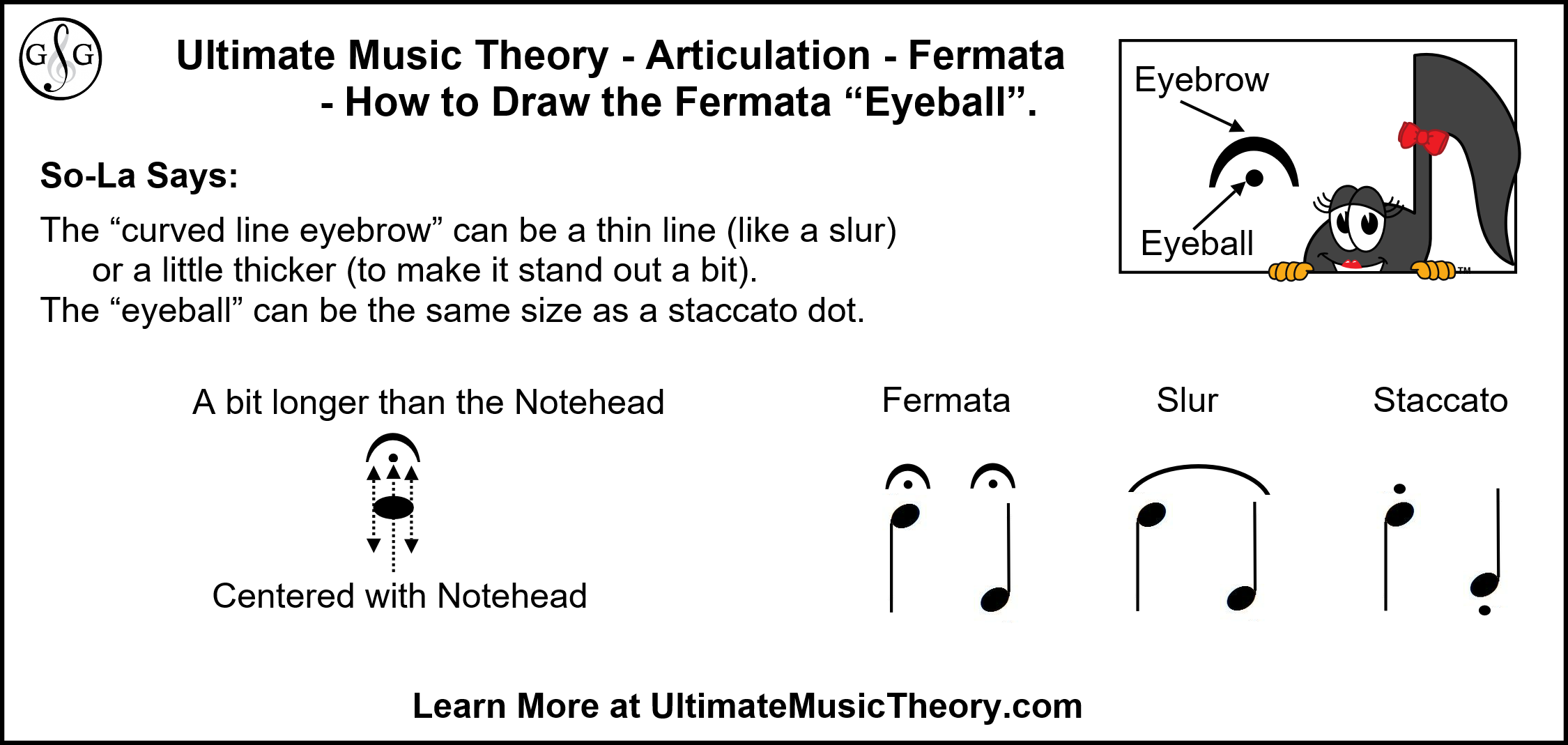
In the world of music theory, a “fermata” is a symbol placed over a note or rest, indicating that it should be held longer than its standard duration. It is a moment of suspension, a deliberate interruption of the established tempo that allows a note to breathe, resonate, and capture the listener’s undivided attention. In the high-velocity landscape of modern marketing, where brands often feel pressured to maintain a “staccato” pace of constant content and rapid-fire engagement, the concept of the fermata offers a profound strategic lesson.

A brand is not merely a logo or a product; it is a composition. Like a symphony, a brand’s identity is built through rhythm, cadence, and tone. However, many corporate identities suffer from a lack of “white space”—the silence between the notes. To build a brand that truly resonates with an audience, leaders must understand when to play the music and, more importantly, when to utilize the strategic fermata. This article explores how brand managers, designers, and corporate strategists can apply the musical principle of the fermata to create a more impactful, memorable, and prestigious brand identity.
The Rhythm of Recognition: Why Brands Need a Musical Structure
Every successful brand operates on a specific rhythm. This is the frequency with which a company communicates with its audience, the consistency of its visual language, and the predictability of its product cycles. When this rhythm is executed correctly, it builds trust. When it is chaotic, it creates “brand noise.”
Understanding Brand Cadence
The cadence of a brand refers to the flow of its messaging. A high-frequency brand, like a fast-fashion retailer, operates at a rapid tempo. Every day brings a new “note”—a new sale, a new Instagram post, a new trend. While this builds immediate awareness, it can also lead to consumer fatigue. Conversely, luxury brands often operate at a slower, more deliberate tempo.
By applying a fermata to a brand’s cadence, a company signals to its audience that something important is happening. It is a transition from the mundane to the exceptional. In brand strategy, this often manifests as a “teaser” campaign or a period of intentional silence before a major reveal. This pause creates a vacuum that the audience naturally fills with curiosity and anticipation.
The Problem with “Staccato” Marketing
Many digital-first brands fall into the trap of staccato marketing—short, disconnected bursts of energy that never allow for a deeper emotional connection. While these bursts might spike metrics in the short term, they fail to build a cohesive brand narrative. A brand that is always “on” and always loud eventually becomes background noise. By integrating strategic pauses, a brand can break the monotony of the digital scroll, forcing the consumer to stop and acknowledge the “held note” of a specific campaign or value proposition.
The Strategic Fermata: Mastering the Art of the Brand Pause
In brand strategy, the fermata is a tool for emphasis. It is the moment where the brand deliberately slows down to ensure that its most important messages are fully processed by the market. This is not about inactivity; it is about controlled suspension.
The “Quiet Luxury” and Minimalist Movement
The recent rise of “quiet luxury” is a perfect example of the fermata in corporate identity. Brands like The Row or Loro Piana do not scream for attention. Their marketing is a held note—a sustained focus on quality, heritage, and subtlety. This approach utilizes the fermata by refusing to follow the frantic “tempo” of seasonal trends. By holding their position and refusing to fluctuate with every market whim, these brands cultivate an aura of timelessness and stability.
For a brand strategist, implementing a fermata might mean simplifying a visual identity. When a brand undergoes a minimalist redesign—stripping away gradients, complex symbols, and heavy typography—it is effectively hitting a fermata. It is asking the consumer to look at the core essence of the brand without the distraction of “ornamental notes.”
Pivoting with Purpose: The Mid-Cycle Pause
The most critical use of a fermata occurs during a brand pivot. When a legacy company realizes its identity no longer aligns with market realities, the instinct is often to rush into a rebrand. However, the most successful pivots involve a strategic pause. This is a period where the brand withdraws from certain conversations, internalizes its new values, and prepares for a “crescendo” re-entry.
This pause allows the brand to shed its old associations. Without the fermata, a pivot can feel like a jarring key change in the middle of a song. With the fermata, the transition feels intentional, artistic, and necessary.
The Psychology of the Hold: How Anticipation Drives Brand Loyalty
Why does the fermata work? Psychologically, the human brain is wired to notice changes in patterns. When a constant stream of information suddenly stops or a specific element is held for an unusual amount of time, our “salience network” is activated. We pay closer attention because the deviation from the norm suggests importance.
Creating the “Drop” Culture
The modern “drop” model—used extensively by brands like Nike, Supreme, and even tech companies—is a commercial application of the fermata. By announcing a product and then “holding the note” through a period of artificial scarcity and silence, brands build immense psychological pressure.
The fermata here is the waiting period. During this hold, the brand’s value appreciates in the mind of the consumer. The silence between the announcement and the release is where the brand’s community forms, as fans discuss, speculate, and build hype. The fermata transforms a simple purchase into a cultural event.
Emotional Resonance and the “Lasting Impression”
In a musical piece, a fermata often occurs at a climax or at the very end. It is designed to leave the listener with a specific feeling that lingers after the sound has stopped. In branding, this relates to the “peak-end rule,” a psychological heuristic in which people judge an experience largely based on how they felt at its peak and at its end.
A brand that knows how to use the fermata at the end of a customer journey—perhaps through an exceptional unboxing experience or a thoughtful follow-up—ensures that the “final note” of the interaction is held long enough to become a permanent memory. This is how brands move from being a utility to being an identity.
Implementation: Integrating the Fermata into Your Marketing Mix
To apply these insights, brand managers must look at their annual strategy not as a list of tasks, but as a score to be performed. Here is how to practically integrate the fermata into your brand’s corporate identity and marketing design.
Designing Visual “White Space”
In graphic design, the fermata is equivalent to white space (negative space). A cluttered advertisement is like a song with too many notes played at once; it results in dissonance. A high-end brand identity uses negative space to create a sense of luxury and breathing room.
When designing a website or a logo, ask yourself: Where is the fermata? Which element is allowed to “resonate”? If every element is vying for attention, nothing is important. By isolating a single high-quality image or a single bold line of copy and surrounding it with “silence,” you give that element the power of a held note.
Managing the Content Calendar
Content strategy should not be a relentless drumbeat of “post, post, post.” Instead, introduce variability. Use the fermata to create “Seasons of Silence.” For example, a brand might choose to go dark on social media for a week before a major announcement. This break in the rhythm signals to the algorithm and the audience that the status quo has changed. It breaks the “scrolling trance” and prepares the audience for something significant.
The Internal Brand Fermata: Corporate Culture
Finally, the fermata has a place within corporate identity and culture. A brand’s internal team cannot perform at a “presto” (very fast) tempo indefinitely without burnout. Strategic pauses—retreats, “deep work” periods without meetings, or sabbatical cycles—allow the team to recalibrate the brand’s mission. An exhausted team produces a frantic brand. A rested, deliberate team produces a brand with gravity and poise.

Conclusion: The Power of the Unspoken
In an era of relentless digital noise, the most powerful thing a brand can do is stop. The fermata in music is not an absence of music; it is a vital part of the composition that gives the surrounding notes their meaning. Similarly, a brand’s strategic pauses, its minimalist designs, and its moments of intentional silence are what give its “loud” moments their impact.
By mastering the fermata, you move beyond mere marketing and into the realm of brand artistry. You create an identity that doesn’t just compete for attention but commands it. Whether you are designing a logo, planning a product launch, or defining a corporate strategy, remember that the notes you choose to hold are just as important as the ones you choose to play. Build a brand that knows when to breathe, and your audience will stay tuned for every movement of your symphony.
aViewFromTheCave is a participant in the Amazon Services LLC Associates Program, an affiliate advertising program designed to provide a means for sites to earn advertising fees by advertising and linking to Amazon.com. Amazon, the Amazon logo, AmazonSupply, and the AmazonSupply logo are trademarks of Amazon.com, Inc. or its affiliates. As an Amazon Associate we earn affiliate commissions from qualifying purchases.