
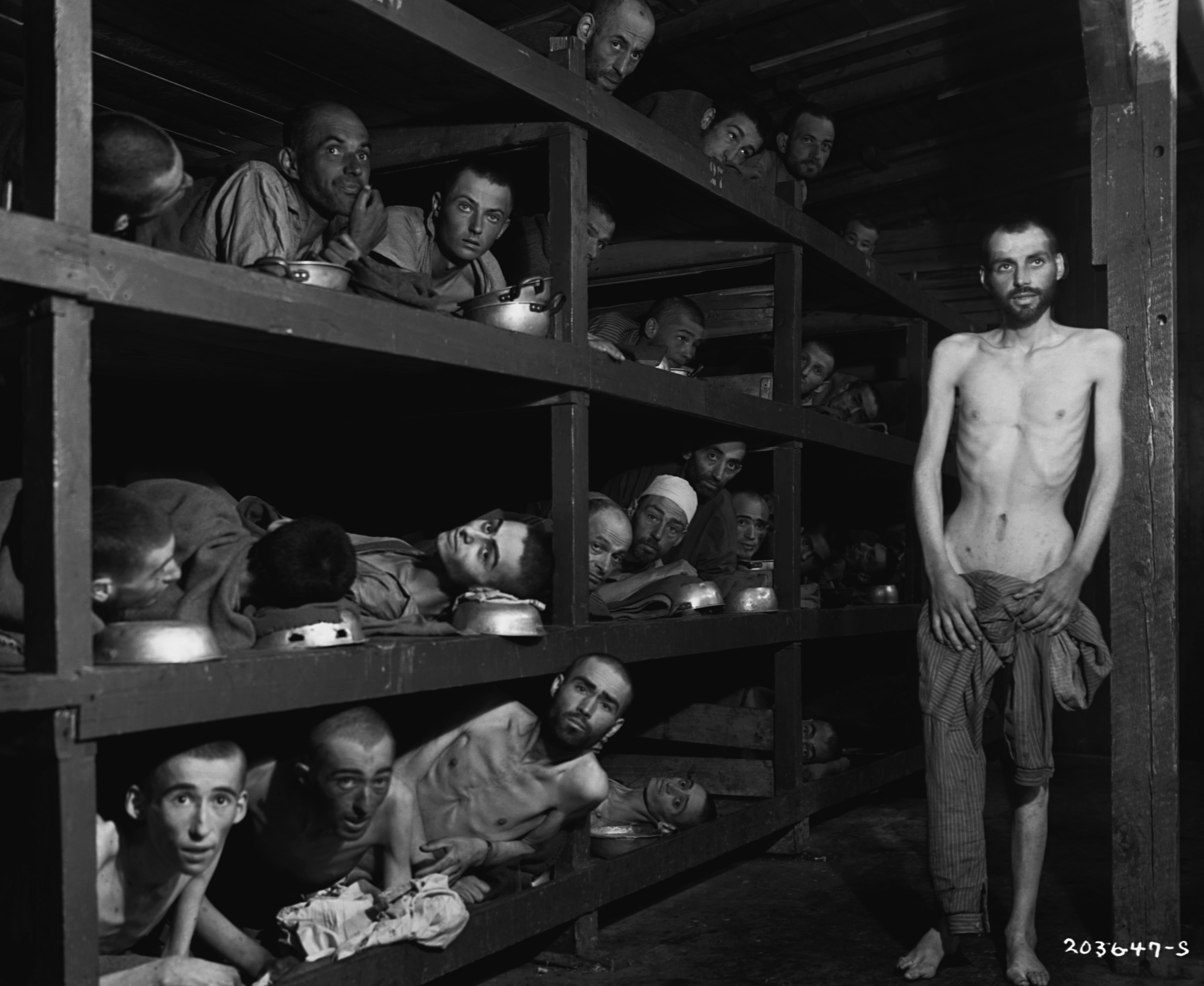
The term “Holocaust”—derived from the Greek word holokaustos, meaning “burnt offering”—refers to the systematic, bureaucratic, state-sponsored persecution and murder of approximately six million Jews by the Nazi regime and its collaborators between 1933 and 1945. While the historical weight of this event is often discussed through the lens of humanities, understanding the mechanics of such a tragedy requires a cold, analytical look at how systems of control, corporate identity, and propaganda—the pillars of modern branding and organizational strategy—were weaponized to achieve total ideological dominance.
The Architecture of Institutional Branding
To grasp how a modern, industrialized nation could descend into such depths, one must analyze the Nazi regime as a masterclass in dark brand strategy. The Third Reich was not merely a government; it was a comprehensive brand identity that sought to monopolize the consciousness of the German populace.
Visual Identity and Symbolic Saturation
The Nazi Party understood the power of visual semiotics before the concept was fully matured in the marketing world. The Swastika was chosen as the central brand mark, a symbol designed to evoke ancient power while signaling a radical departure from the Weimar Republic. Every touchpoint—from the standardized uniforms of the SS to the rigid, geometric pageantry of the Nuremberg Rallies—served to project an image of unassailable strength and order. In branding terms, they achieved “total market saturation.” By stripping away competitive political iconography, they made their brand the only viable option for the national identity.
Narrative Control and Messaging
The regime utilized what we might now call “content marketing” on an unprecedented scale. Through the Ministry of Public Enlightenment and Propaganda, led by Joseph Goebbels, the state curated a singular narrative. They effectively positioned the “Aryan” race as the premium, high-value core demographic, while strategically reclassifying Jews and other minority groups as “competitors” or “defective products” that threatened the brand’s integrity. This dehumanization was a sophisticated exercise in framing; by altering the language used in public discourse, the state lowered the threshold of empathy for the excluded groups, effectively “de-marketing” human beings until they were viewed as societal liabilities.
Operationalizing the Systematic Elimination
The Holocaust was a triumph of horrific corporate efficiency. It required the integration of various state apparatuses, private companies, and logistical networks to function. This operational structure offers a chilling case study in what happens when organizational systems are stripped of ethical oversight.
The Bureaucracy of Exclusion
The “Final Solution” was not a spontaneous outburst of violence; it was a project-managed operation. The Nuremberg Laws of 1935 acted as the foundational regulatory framework, codifying discrimination into law. This legalized exclusion allowed the state to systematically strip Jewish citizens of their assets, professional roles, and eventually, their civil status. This was the “onboarding” process of the genocide: setting up the legal and administrative infrastructure that normalized the later transition to physical removal.
Logistical Supply Chains and Resource Allocation
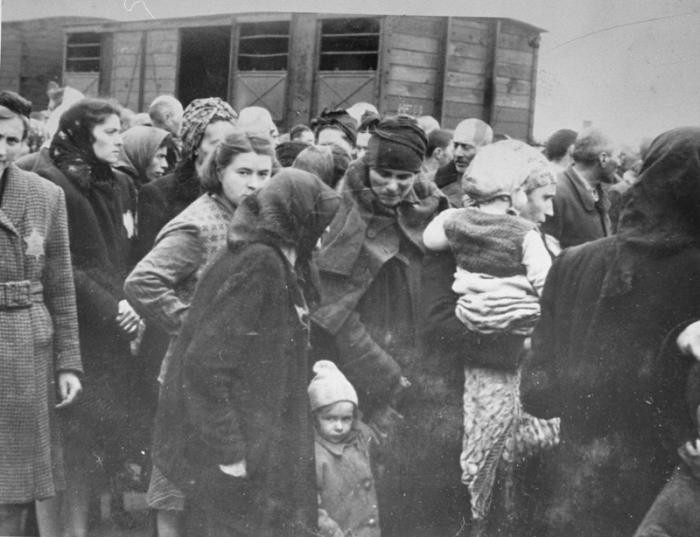
The mass deportation of millions across Europe required logistical precision equivalent to a global supply chain operation. The Deutsche Reichsbahn (German National Railway) functioned as the vital transport infrastructure, moving victims to concentration and extermination camps with a focus on throughput and efficiency. Many industrial firms participated in the construction and maintenance of these sites, viewing the work through the lens of state contracts. This segment of history illustrates the dangers of “siloed” organizational behavior, where departments or firms focus purely on their specific operational tasks without considering the moral output of the wider system.
The Aftermath: Corporate Responsibility and Institutional Reckoning
In the post-war era, the Holocaust forced a global re-evaluation of institutional ethics. The transition from a state-driven destructive brand to a post-war democratic identity required a massive restructuring of German civil society and corporate culture.
The Lessons of Accountability
The Holocaust remains the ultimate case study in the consequences of unchecked organizational power. For modern brand strategists and corporate leaders, it serves as a permanent warning regarding the “shadow side” of branding. When a brand focuses solely on the growth of its own identity at the expense of human values, the result is institutional collapse or moral catastrophe. Post-war discourse focused on the necessity of “corporate responsibility”—the idea that no organization, whether a political party or a private firm, exists in a vacuum. Every action taken under a brand banner carries a weight of accountability that persists long after the executives have left the boardroom.

Memory as an Institutional Standard
Today, the legacy of the Holocaust is integrated into the global institutional memory, serving as a benchmark for human rights and ethical conduct. Institutions now maintain “compliance” not just in terms of legal statutes, but in terms of human dignity. The study of the Holocaust provides the framework for understanding how fragile democracy is when faced with powerful, centralized communication strategies.
For the modern professional, understanding the Holocaust is not just about historical awareness; it is about recognizing the mechanisms of influence. Whether in marketing, leadership, or strategy, the tools used by the Nazi regime—propaganda, dehumanization, and systemic exclusion—are the same tools that, when used poorly or maliciously, can lead to the erosion of societal trust and stability. The historical task remains to study these events to identify when and where such patterns appear in contemporary organizations, ensuring that the brand of an institution is always anchored to the preservation, rather than the destruction, of human life.
Ultimately, the Holocaust demonstrates that a brand’s most important asset is not its logo, its market share, or its logistical efficiency—it is its ethical foundation. When that foundation is removed, the system may function with terrifying perfection, but it ceases to serve the very people it was intended to protect. History records that when an institutional narrative loses its connection to the reality of human value, it sets the stage for a tragedy that no amount of recovery or restructuring can ever truly erase. It is the responsibility of those in leadership today to be the custodians of these ethical boundaries, ensuring that influence is wielded with an awareness of the horrific outcomes that have occurred when humanity is treated as a variable in an organizational equation.
aViewFromTheCave is a participant in the Amazon Services LLC Associates Program, an affiliate advertising program designed to provide a means for sites to earn advertising fees by advertising and linking to Amazon.com. Amazon, the Amazon logo, AmazonSupply, and the AmazonSupply logo are trademarks of Amazon.com, Inc. or its affiliates. As an Amazon Associate we earn affiliate commissions from qualifying purchases.