
The trajectory of D’Angelo, the neo-soul pioneer whose 2000 album Voodoo redefined the sonic landscape of R&B, serves as one of the most compelling case studies in the music industry regarding the intersection of talent, brand identity, and the perils of over-exposure. For marketers, brand strategists, and artists alike, the story of D’Angelo is not merely a biography of a musician; it is a masterclass in how a personal brand is constructed, how it can be inadvertently damaged by external perceptions, and how a legacy can be meticulously managed through strategic silence and calculated re-emergence.
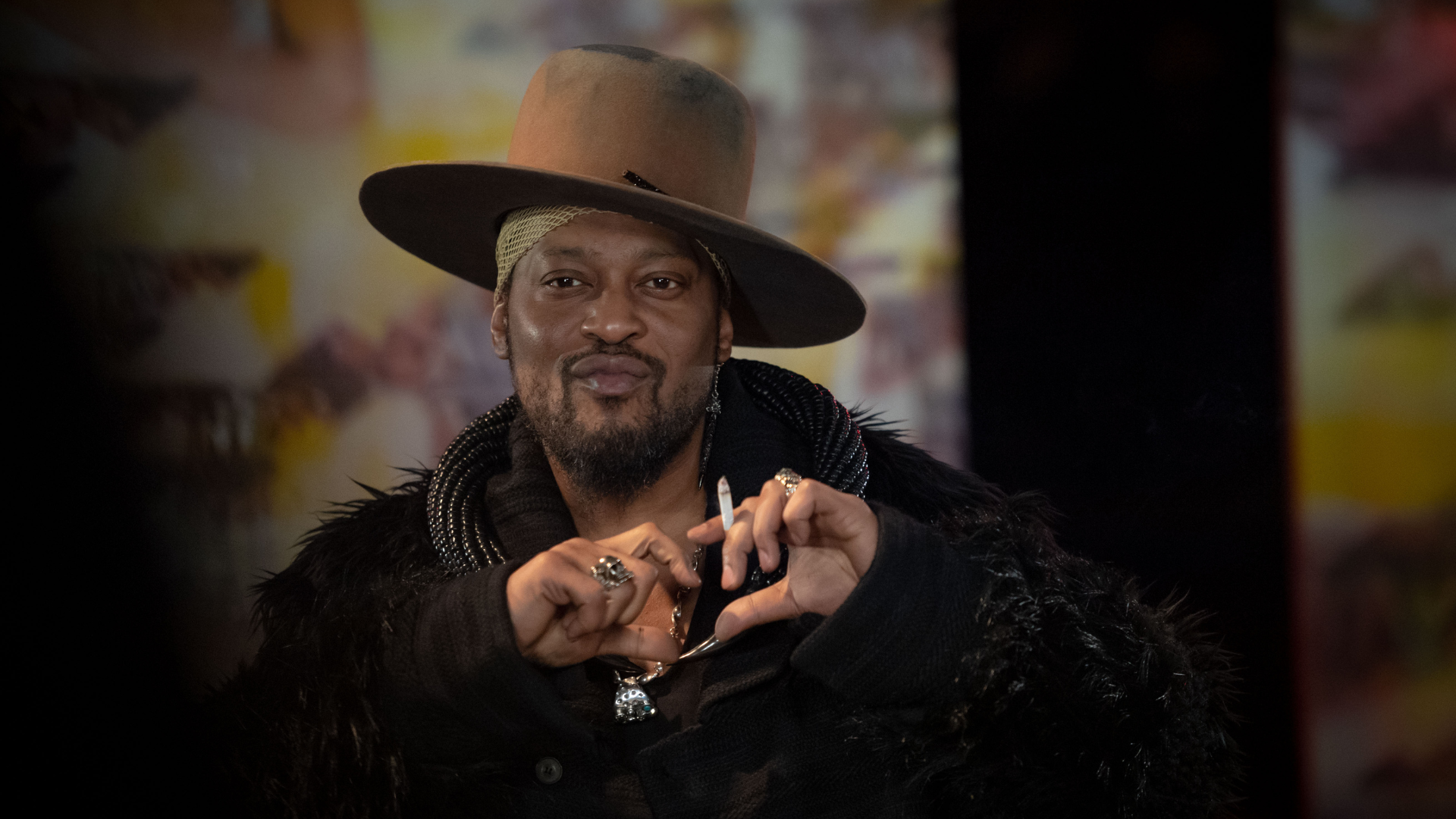
The Construction of the Icon: Crafting the Neo-Soul Archetype
In the late 1990s, the D’Angelo brand was a triumph of authentic artistry merged with a high-stakes marketing narrative. His debut, Brown Sugar, established him as the heir apparent to legends like Prince and Marvin Gaye. However, it was the rollout of his sophomore effort, Voodoo, that fundamentally shifted the landscape of personal branding in music.
The Power of Visual Aesthetics and Public Perception
The marketing strategy for Voodoo—specifically the iconic “Untitled (How Does It Feel)” music video—focused on stripping away the artifice of elaborate production in favor of a raw, hyper-masculine, and vulnerable aesthetic. This visual direction proved to be a double-edged sword. While it cemented his status as a sex symbol and propelled the album to critical and commercial success, it also shifted the public’s focus from his musical genius to his physical presence.
For a brand, this is a dangerous pivot point. When the consumer begins to value the icon over the output, the artist loses control of the narrative. D’Angelo became a victim of his own brand’s efficacy; the public became obsessed with his image, which created a dissonance between his desire to be taken seriously as a composer and multi-instrumentalist, and the industry’s desire to market him as a product of desire.
Managing Expectations in a Vacuum
As D’Angelo retreated from the spotlight following the intense scrutiny of the Voodoo era, he created a brand vacuum. In professional branding, silence is often viewed as a negative; however, in the realm of high-art personal branding, silence can become a powerful tool. By removing himself from the public eye, D’Angelo transitioned from a “pop star” to a “mystical legend.” This deliberate absence allowed the mythology surrounding his talent to grow. The “where is he now” narrative became the primary engine of his relevance, a phenomenon rarely seen in an industry that usually demands constant content creation and engagement.
The Mechanics of Brand Erosion and External Pressures
The middle years of D’Angelo’s career were defined by personal struggles that bled into the public consciousness. From a brand management perspective, these events highlighted the vulnerability of artists whose personal identity is so tightly intertwined with their professional work. When an artist experiences public turmoil, the “brand” suffers in direct proportion to the lack of clarity provided by the artist themselves.
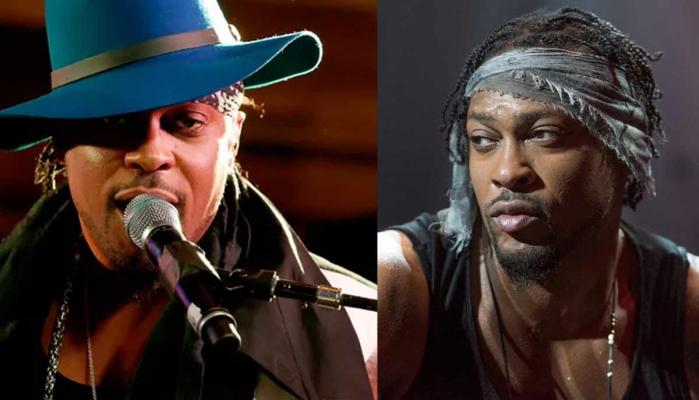
The Dangers of Identity Alignment
D’Angelo’s period of professional inactivity was often mischaracterized by the media as a personal failing. However, in the context of personal branding, this was a period of intense re-evaluation. When an individual’s identity is constructed around a specific “look” or “vibe,” any departure from that expectation causes confusion among the audience. The disconnect between the public’s expectation of the “neo-soul heartthrob” and the reality of an artist battling the pressures of fame created a brand crisis that few in the industry knew how to navigate.
The Cost of Authenticity
Authenticity is the currency of the modern creative economy. D’Angelo’s refusal to conform to the industry’s timeline—his unwillingness to produce “content” just to keep his name in the news cycle—was ultimately the most authentic decision he could have made. While financially and commercially risky, this decision preserved the integrity of his brand. He demonstrated that a brand’s value is not solely defined by current market share, but by the weight of its history and the uncompromising nature of its quality control.
The Strategic Re-emergence: Lessons in Legacy Management
The eventual release of Black Messiah in 2014 serves as a benchmark for how a legacy brand can successfully re-enter the market after a long hiatus. This comeback was not characterized by a desperate attempt to regain lost ground, but by a strategic alignment with the cultural zeitgeist.
Adapting to the Digital Transformation
The release of Black Messiah was a study in digital-first brand activation. By releasing the album as an immediate, surprise drop, D’Angelo bypassed the traditional, and often tedious, promotional cycle. This moved the brand from the realm of “legacy act” to “relevant disruptor.” It taught a generation of artists that you do not need to play by the rules of traditional marketing if your brand equity is high enough. You don’t need a press tour when your audience is ready to act as your primary marketing arm.
Preservation of the “Artist-First” Narrative
Throughout his return, D’Angelo maintained a laser focus on the music. His public appearances were sporadic and focused on performance excellence, reinforcing the idea that he is a master of his craft. By keeping the conversation strictly on the artistry, he effectively washed away the tabloid-heavy narratives of the past decade. This is a critical lesson for any personal brand: when you find yourself drifting off-course, the fastest way to reclaim your narrative is to return to the foundational skills that made your brand valuable in the first place.
The Future of the Brand: Sustainment Beyond the Hits
As we look at the current status of D’Angelo’s brand, it stands as a testament to the idea that true influence is not about saturation, but about impact. He is no longer a slave to the album cycle, nor is he a victim of the public’s fickle nature. He has successfully transitioned into a state of “cultural heritage,” where his influence is felt in every R&B artist who values analog instrumentation, complex arrangements, and a sense of mystique.
The Value of Scarcity
In an era of hyper-connectivity and social media oversharing, D’Angelo’s continued practice of strategic scarcity makes him more valuable than ever. Brands that are everywhere are often respected nowhere. By remaining elusive, D’Angelo maintains a high “perceived value.” His occasional performances or collaborations become events rather than routine occurrences. This, in essence, is the ultimate goal of high-end personal branding: creating a product that people will wait years for because they know the quality is guaranteed to transcend the current trends.

Conclusion: Lessons for the Modern Creator
The story of D’Angelo is a reminder that personal branding is not a static game of image maintenance; it is a dynamic process of managing one’s own reality. Whether he chooses to release new music tomorrow or remains in the shadows for another decade, the “D’Angelo” brand remains a powerful force in music. For those building a personal brand today, his trajectory suggests that it is better to be known for what you stand for and the quality you produce than for how often you show up in a digital feed. He teaches us that endurance is not about keeping up with the speed of the internet, but about moving at the speed of one’s own integrity. In the end, what happened to D’Angelo is exactly what he allowed to happen: he remained, above all else, his own man.
aViewFromTheCave is a participant in the Amazon Services LLC Associates Program, an affiliate advertising program designed to provide a means for sites to earn advertising fees by advertising and linking to Amazon.com. Amazon, the Amazon logo, AmazonSupply, and the AmazonSupply logo are trademarks of Amazon.com, Inc. or its affiliates. As an Amazon Associate we earn affiliate commissions from qualifying purchases.