
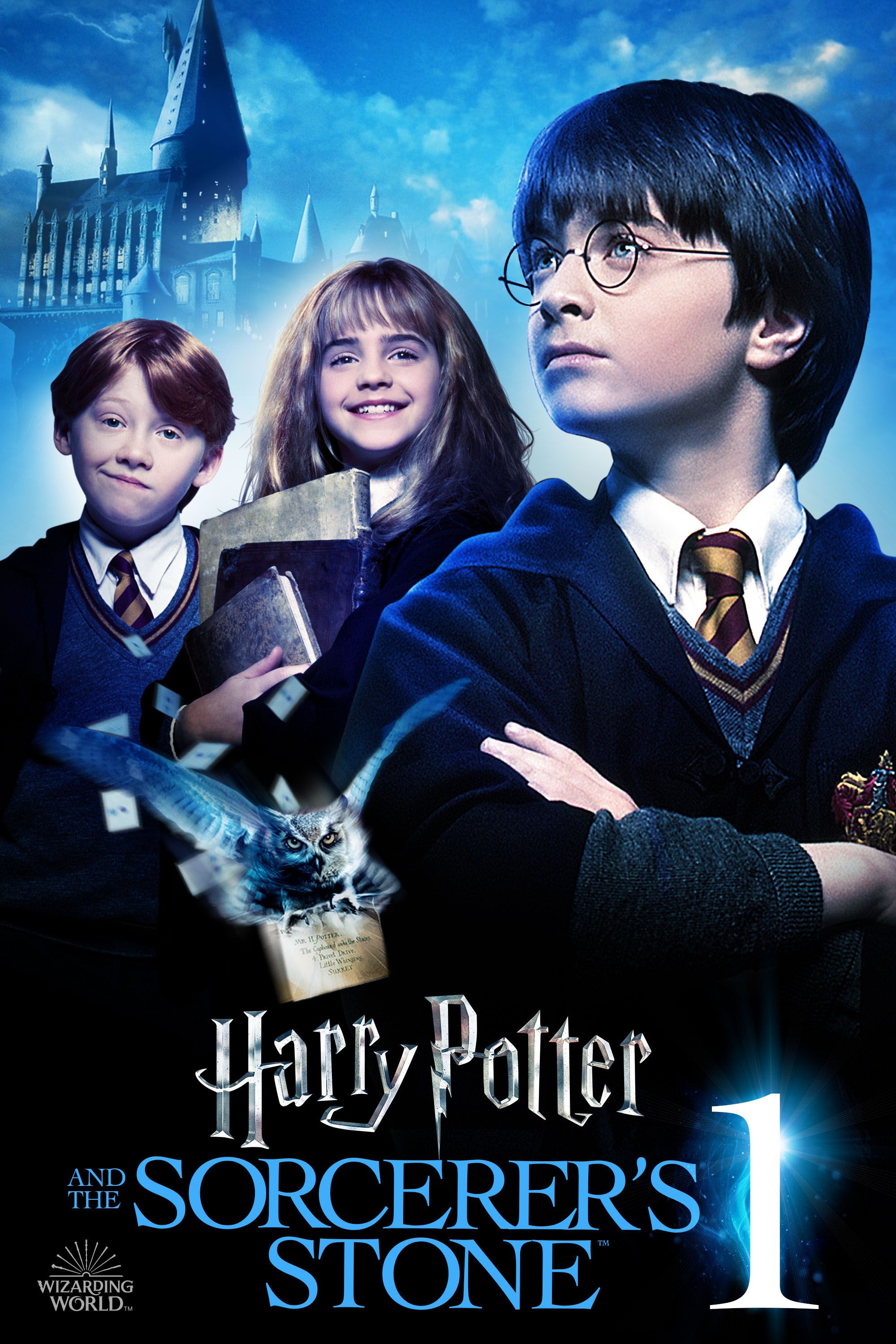
When audiences ask, “What’s the first Harry Potter movie?” the answer is technically Harry Potter and the Sorcerer’s Stone (or Philosopher’s Stone in the UK). However, from a strategic perspective, the answer is much deeper: it was the birth of one of the most resilient and profitable brand identities in the history of modern media. Released in 2001, the first film did more than just adapt J.K. Rowling’s prose into cinema; it established a visual, emotional, and commercial blueprint that would define the “Wizarding World” brand for decades to come.

In the world of brand strategy, the transition from a niche literary success to a global cinematic icon requires a meticulous approach to identity, consistency, and market positioning. The first Harry Potter movie serves as a definitive case study in how to scale a story into a multi-dimensional brand ecosystem.
The Genesis of a Cinematic Identity: Establishing Visual Assets
A brand is defined by its visual cues—elements that are instantly recognizable even without a logo. The first Harry Potter movie faced the monumental task of taking abstract descriptions from a book and turning them into tangible brand assets. This process of visualization was the first step in creating a corporate identity that could be replicated across merchandise, theme parks, and digital media.
Translating Literary Vision into Brand Consistency
Director Chris Columbus and production designer Stuart Craig were responsible for the “look and feel” of the franchise. By choosing to root the film in a “heightened reality”—using real locations like Alnwick Castle and Gloucester Cathedral—the brand established a sense of prestige and timelessness. This was a strategic move to differentiate the Harry Potter brand from the high-fantasy aesthetics of competitors. The visual “DNA” of the first movie—the warm glow of the Great Hall, the specific scarlet of the Hogwarts Express, and the weathered texture of Diagon Alley—became the brand’s primary color palette and texture guide.
The Power of Iconic Symbolism
The first movie successfully distilled the brand into a series of “mini-logos.” Harry’s round glasses and lightning-bolt scar became minimalist shorthand for the entire franchise. In branding, this is known as “brand salience.” By emphasizing these symbols in the first film, the marketing team ensured that the brand could be identified through a simple silhouette. Furthermore, the creation of the four Hogwarts house crests (Gryffindor, Slytherin, Ravenclaw, and Hufflepuff) allowed for a unique brand of consumer tribalism, where fans could “self-brand” by aligning with a specific house identity.
Strategic Brand Architecture: The Wizarding World Ecosystem
The first movie didn’t just stand alone; it served as the cornerstone for what we now call the Wizarding World brand architecture. Building a successful brand requires a structure that allows for expansion without losing the core essence of the original product.
Localization and Global Market Positioning
One of the most interesting branding challenges of the first film was its naming convention. In the United Kingdom, it was Harry Potter and the Philosopher’s Stone, while in the United States, it was rebranded as Harry Potter and the Sorcerer’s Stone. This was a deliberate marketing decision based on perceived market preferences—a classic example of “localization” in brand strategy. By adjusting the title to fit the cultural expectations of the American audience, the brand managers ensured the highest possible entry point into the world’s largest media market.
Audio Branding and the “Hedwig’s Theme”
Branding is not merely visual; it is also auditory. John Williams’ score for the first film, specifically “Hedwig’s Theme,” functions as an “audio logo.” Just as the Intel chime or the Netflix “ta-dum” immediately triggers brand recognition, the first few notes of the Harry Potter theme evoke the entire emotional weight of the franchise. By introducing this theme in the first movie and maintaining it as a consistent thread throughout all subsequent films, video games, and commercials, the brand solidified its identity through sensory reinforcement.
The Merchandise Engine: Scaling Personal Branding into Retail
The success of a brand is often measured by its ability to move beyond its primary medium. The first Harry Potter movie was designed with “merchandisability” in mind, turning every object on screen into a potential consumer product. This transition from “story element” to “branded commodity” is what allowed the franchise to generate billions in revenue outside of box office sales.
Creating High-Value Brand Artifacts
In the first film, the “Wand” was introduced not just as a tool for magic, but as a personalized accessory. The concept that “the wand chooses the wizard” was a stroke of branding genius. It turned a simple piece of wood into a bespoke, collectible item. This allowed for the creation of a massive retail category where fans could purchase replicas of characters’ wands. Today, this remains a cornerstone of the retail experience at “The Wizarding World of Harry Potter” theme parks, demonstrating the long-term ROI of the branding decisions made during the production of the first film.
The Gamification of Brand Loyalty
The first movie introduced the sport of Quidditch, which provided a framework for sports-based branding within a fictional universe. By establishing rules, uniforms, and equipment (like the Golden Snitch and the Nimbus 2000), the movie created a sub-brand that could be marketed independently. Quidditch-themed apparel, equipment, and eventually real-world leagues show how a well-branded concept can take on a life of its own, driving engagement far beyond the original cinematic release.
Brand Longevity and the Legacy of the First Film
Twenty years after its release, the first Harry Potter movie remains the “North Star” for the entire franchise. In the world of brand management, maintaining a “legacy brand” requires a delicate balance between nostalgia and innovation. The first film provides the nostalgic anchor that allows the brand to experiment with spin-offs like Fantastic Beasts or the Hogwarts Legacy video game.
Casting as Brand Ambassadors
The selection of Daniel Radcliffe, Emma Watson, and Rupert Grint was more than just a talent search; it was the selection of the brand’s human faces. As these actors grew up in the public eye, their personal brands became inextricably linked with the corporate brand. The “authenticity” of their growth helped maintain the brand’s integrity. Even today, their association with the first film provides a level of “brand equity” that newer iterations of the franchise struggle to replicate. This underscores the importance of “brand casting”—ensuring that the representatives of a brand embody its core values from day one.
Adapting to the Digital Era
While the first movie was released in an era of DVDs and physical posters, the brand it established has transitioned seamlessly into the digital age. The “Wizarding World” digital platform (formerly Pottermore) uses the visual language established in the first film to provide a cohesive user experience. Whether a fan is taking a digital “Sorting Hat” quiz or exploring an augmented reality app, the iconography of the first movie—the candles, the parchment, the stone walls—remains the interface. This consistency is why the Harry Potter brand survives: it never suffers from “brand drift.”

Conclusion: The Enduring ROI of a Strong Start
When we look back at “what’s the first Harry Potter movie,” we are looking at the blueprint for modern franchise management. It was a masterclass in how to launch a brand with a clear vision, scalable assets, and a deep understanding of its audience. By prioritizing visual consistency, sensory branding, and merchandisable concepts, the creators of the first film built a foundation that could support decades of expansion.
For brand strategists and marketers, the lesson is clear: your first “release”—whether it’s a product, a startup, or a film—sets the ceiling for your brand’s potential. Because Harry Potter and the Sorcerer’s Stone was executed with such professional precision and strategic foresight, it didn’t just start a movie series; it inaugurated a global institution that continues to capture market share and consumer hearts across the globe. The magic of the first film isn’t just in the spells cast on screen, but in the enduring brand power it created for the world to see.
aViewFromTheCave is a participant in the Amazon Services LLC Associates Program, an affiliate advertising program designed to provide a means for sites to earn advertising fees by advertising and linking to Amazon.com. Amazon, the Amazon logo, AmazonSupply, and the AmazonSupply logo are trademarks of Amazon.com, Inc. or its affiliates. As an Amazon Associate we earn affiliate commissions from qualifying purchases.