
The digital playground of Roblox is a vibrant ecosystem where millions of young users connect, create, and play. Within this interactive environment, the ability to manage one’s social experience is paramount for fostering a safe and enjoyable atmosphere. One of the most fundamental tools for personal digital safety and control is the “block” function. Understanding what happens when you block someone on Roblox is crucial for both new and experienced users, as it directly impacts your interactions, privacy, and overall experience within the platform. This article delves into the technical and functional implications of blocking on Roblox, illuminating the protective measures and altered digital landscape that result from this action.
The Mechanics of Blocking: How Roblox Implements This Social Safeguard
Blocking on Roblox is not merely a symbolic gesture; it’s a sophisticated technical feature designed to create immediate and persistent boundaries between users. When you choose to block another player, a series of precise actions are initiated by the platform’s backend systems. These actions are intended to sever existing connections and prevent future unwanted contact, thereby empowering users with control over their virtual social interactions.
Initiating the Block: A User-Driven Digital Barrier
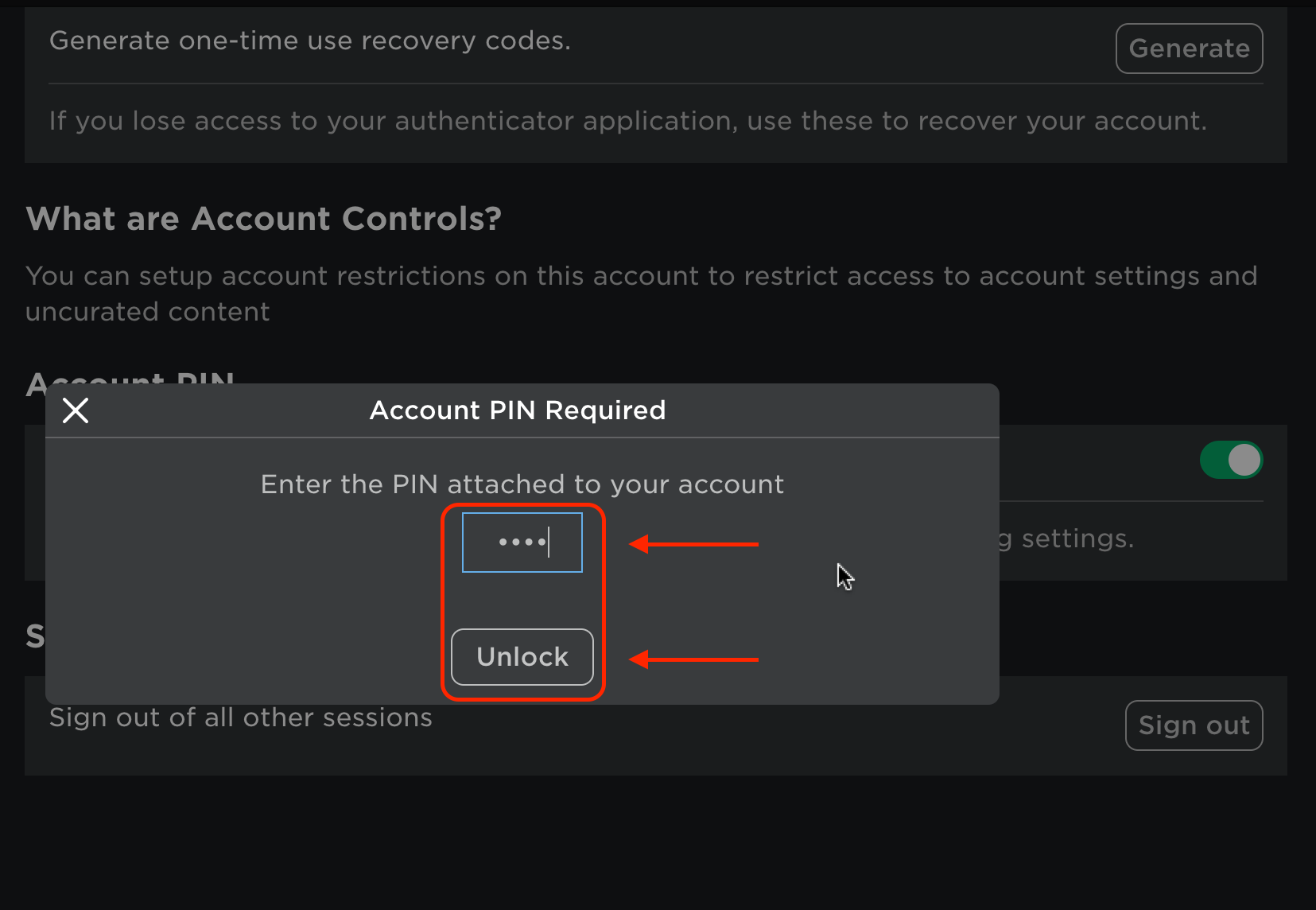
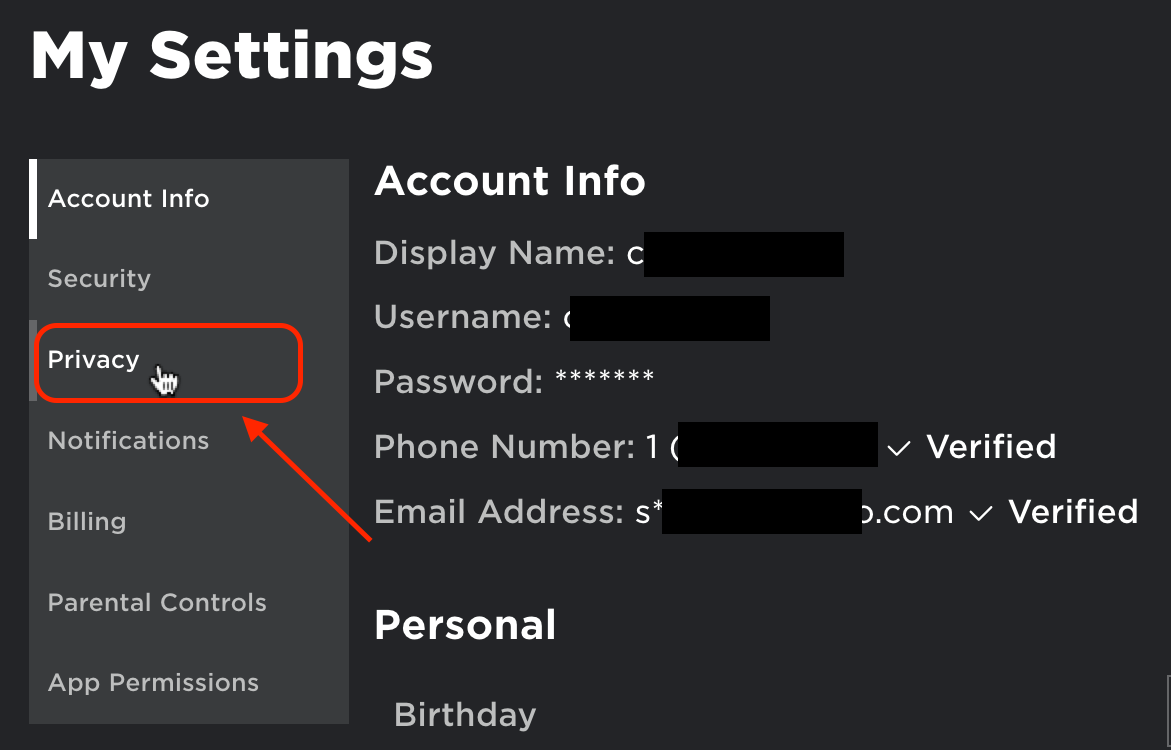
The process of blocking someone on Roblox is designed to be straightforward and accessible, ensuring that users can quickly implement this safety feature when needed. Typically, this involves navigating to the profile of the user you wish to block. From their profile page, a clear “Block” button or option is usually present. Clicking this button triggers a confirmation prompt, allowing the user to finalize their decision. This multi-step process is a deliberate design choice, intended to prevent accidental blocking while still making the action readily available.
The technical underpinnings of this action involve sending a request to Roblox’s servers. This request contains identifiers for both the blocking user and the blocked user. Upon receiving this request, Roblox’s internal systems flag the relationship between these two accounts. This flagging is not a temporary setting; it is a persistent change to the user permissions and interaction rules between the two accounts within the platform’s database. The speed of this process is crucial, ensuring that the user feels an immediate sense of relief and control as the unwanted interaction is curtailed.
The Data Implications: What Roblox Records and Restricts
When a block is initiated, Roblox’s system logs this action for administrative and functional purposes. This log typically records the timestamp of the block and the unique identifiers of the involved users. Critically, this data is used to enforce the restrictions that the block imposes. It’s important to note that Roblox, like most online platforms, adheres to privacy policies regarding the data it collects. While the fact of a block is recorded, the specific reasons for the block are generally not logged in a way that is accessible to other users or even most platform administrators unless a report is filed alongside the block.
The primary technical implication of a block is the alteration of communication channels. The Roblox servers are programmed to filter and deny any communication attempts from the blocked user to the blocking user. This extends beyond simple messaging, impacting in-game interactions, friend requests, and even the visibility of each other’s profiles and game activity. This is achieved through sophisticated filtering algorithms that check the user ID against a blocked list before processing any communication or interaction request.
The Multifaceted Consequences of Blocking on Roblox
Blocking someone on Roblox triggers a cascade of effects that alter how you and the blocked individual can interact on the platform. These consequences are designed to enhance user safety and provide a more controlled social environment, but they also have implications for your social graph and how you discover and engage with content and other users.
Severed Social Connections: Friendship, Following, and Group Ties
The most immediate and apparent consequence of blocking is the dissolution of existing social connections. If you and the blocked user were friends, the block automatically unfriends you. This means that their name will be removed from your friends list, and yours from theirs. Similarly, if you were following them or they were following you, these follow relationships are also terminated. This effectively creates a digital divide, preventing any further casual connection or updates from appearing in each other’s feeds or notifications.
Furthermore, if you were both part of the same Roblox group or community, the block can impact your ability to see or interact within those shared spaces. While the block doesn’t necessarily remove you from a group you both joined independently, it can prevent you from seeing their posts, comments, or participation within that group, and vice versa. This ensures that the blocking user is shielded from any interaction with the blocked user, even within a shared community context. The system prioritizes the blocking user’s desire for separation, overriding any existing social linkages.
Communication Blackout: Messages, Chat, and Voice
The core function of the block feature is to halt all forms of communication. When you block someone on Roblox, they will no longer be able to send you direct messages. Any messages they attempt to send will be rejected by the system, and they will not receive any notification that the message was not delivered. This provides immediate respite from unwanted or harassing messages.
In-game chat is also heavily impacted. If you are in the same game as a user you have blocked, their chat messages will be invisible to you. You will not see anything they type in the public chat. Conversely, your chat messages will be invisible to them. This creates a situation where you are effectively in separate communication bubbles within the same virtual space. This is particularly important for younger users who may be vulnerable to bullying or inappropriate communication. The technical implementation here involves the game server filtering chat messages based on the block list of the receiving player.
For games that utilize voice chat features, the block function typically extends to this communication channel as well. The blocked user will not be able to hear you, and you will not be able to hear them. This is a critical safety feature, ensuring that users are not subjected to verbal harassment or unwanted conversations. The underlying technology ensures that audio streams are directed or blocked based on the established user permissions, effectively rendering the blocked user inaudible and silencing their voice.
Profile Visibility and Interaction Limitations
Beyond direct communication, blocking also affects how users perceive and interact with each other’s presence on the platform. The profile of a blocked user will appear inaccessible to you. You will not be able to view their avatar, read their bio, see their friends list, or access their created games or experiences. In essence, their digital presence becomes largely hidden from your view.
Conversely, when a user blocks you, your ability to interact with their profile is similarly curtailed. You will likely see a message indicating that you are blocked or that their profile is inaccessible. This prevents them from sending you friend requests, messages, or attempting to join your games. This mutual restriction ensures that the block is a two-way street of digital separation, reinforcing the boundaries set by the blocking user. The platform’s architecture is designed to enforce these visibility restrictions, making it clear that the user has taken a definitive step to limit their interaction with another individual.
Navigating the Post-Block Environment: Maintaining Your Digital Space
Once a user has been blocked on Roblox, the platform and the user’s actions work in tandem to create a more secure and personalized digital environment. This involves not only understanding what the block prevents but also how to manage the ongoing experience and, if necessary, reverse the action.
The Unseen Boundary: How the Block Persists
The block feature on Roblox is designed to be a persistent barrier. This means that once you block someone, that status remains active until you choose to unblock them. The platform does not automatically remove blocks after a certain period. This ensures that users have lasting control over who can interact with them. The technical implementation ensures that the user’s block list is stored persistently with their account data.
This persistence is crucial for maintaining a safe online environment. Users should not have to re-block individuals repeatedly. The system is designed to remember the user’s preference for separation, thus offering a continuous layer of protection. This also means that if the blocked user attempts to contact you again in the future, through any channel available on Roblox, the block will continue to be enforced. They will remain unable to see your profile, send you messages, or interact with you within games.
When to Reconsider: The Unblock Process
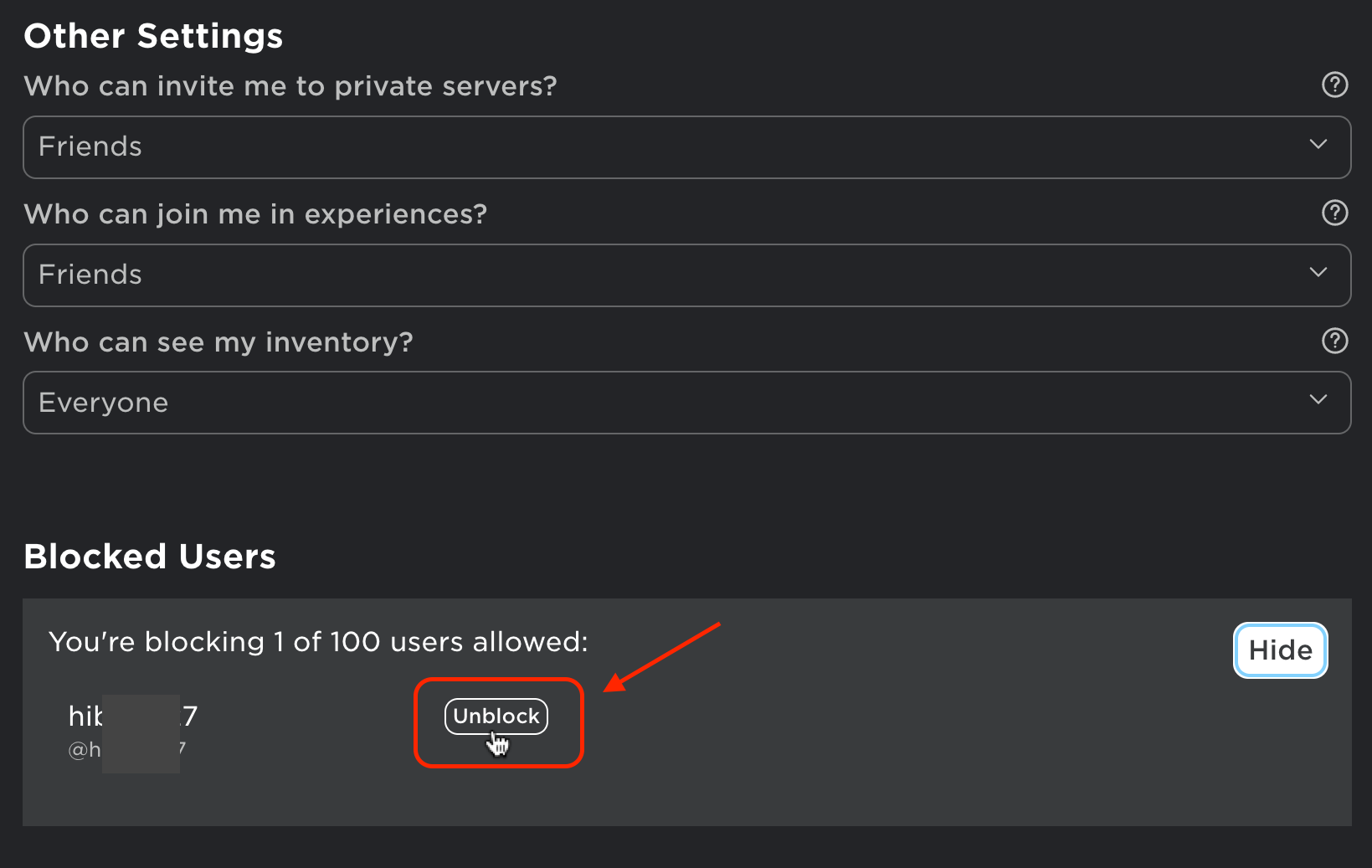
While the block feature is a powerful tool for managing unwanted interactions, Roblox also provides the functionality to reverse this action. The unblock process is as straightforward as the block itself, allowing users to restore connections if circumstances change or if a block was made in error. To unblock someone, you would typically need to find their profile again. While you may not be able to see their full profile due to the block, there is usually an option to “Unblock” or “Remove Block” that appears in a context menu or on a restricted profile view.
The technical process of unblocking involves sending a request to Roblox’s servers to remove the block flag associated with both user accounts. Once this request is processed, the restrictions are lifted, and normal interaction capabilities are restored. This means that the previously blocked user can once again send you messages, see your profile, and friend you, assuming no other restrictions are in place. The platform is designed to offer this flexibility, acknowledging that social dynamics can evolve.
Reporting vs. Blocking: Understanding the Distinction
It’s important to differentiate between blocking and reporting on Roblox. While both are tools for user safety, they serve distinct purposes and have different outcomes. Blocking is a personal action to prevent direct interaction with a specific user. It is unilateral and primarily affects the communication and visibility between the two individuals.
Reporting, on the other hand, is an action taken to alert Roblox moderators to a user’s violation of the platform’s Community Standards. When you report a user, you are providing information to Roblox about their behavior, such as harassment, cheating, or inappropriate content. Roblox’s moderation team then reviews the report and may take disciplinary action against the reported user, such as issuing a warning, temporary suspension, or permanent ban from the platform. While you can often block someone and report them, blocking alone does not trigger a moderation review. The technical systems for blocking and reporting are separate, with reporting initiating a more formal investigative process by the platform administrators.
The Broader Impact: Digital Well-being and Platform Governance
The ability to block individuals on platforms like Roblox has significant implications not only for individual user experience but also for the overall governance and social fabric of the digital space. It represents a fundamental aspect of user empowerment in the online world, allowing for self-regulation of one’s digital environment.
Empowering User Autonomy in Virtual Worlds
The block feature is a cornerstone of user autonomy in online environments. In a space where social interactions can be fluid and sometimes unpredictable, the power to say “no” and erect a digital barrier is essential. For younger users especially, the ability to block unwanted attention or harassment without immediate adult intervention provides a sense of agency and safety. It allows them to curate their social circle and maintain a sense of control over who enters their personal digital space. This contributes significantly to their overall digital well-being, reducing stress and anxiety associated with negative online encounters.
Technologically, this empowerment is realized through robust access control mechanisms and user preference settings. Roblox, by providing this tool, acknowledges that users have a right to define their boundaries and to disengage from interactions that make them uncomfortable. This principle is becoming increasingly important as digital life becomes more integrated with our physical lives.
Platform Responsibility and the Evolution of Safety Tools
The presence and functionality of the block feature also highlight the responsibilities of the platform itself. Roblox, by offering such tools, commits to providing a framework that supports user safety. However, the effectiveness of these tools relies on their robust implementation and clear communication to users. Furthermore, platforms must continuously evolve their safety features in response to emerging threats and user needs.
The ongoing development of AI and machine learning may lead to more proactive safety measures, such as identifying potentially harmful interactions before a user even needs to block someone. Yet, the direct, user-initiated block remains a vital and fundamental tool. It represents a direct line of defense, giving users immediate control. The technical infrastructure that supports these features, from message filtering to profile visibility restrictions, is a testament to the complex engineering required to maintain safe and functional online communities. As Roblox and similar platforms continue to grow, the role of sophisticated, user-friendly safety tools like the block function will only become more critical in shaping positive and secure digital experiences.
aViewFromTheCave is a participant in the Amazon Services LLC Associates Program, an affiliate advertising program designed to provide a means for sites to earn advertising fees by advertising and linking to Amazon.com. Amazon, the Amazon logo, AmazonSupply, and the AmazonSupply logo are trademarks of Amazon.com, Inc. or its affiliates. As an Amazon Associate we earn affiliate commissions from qualifying purchases.