
The history of global branding is often told through the lens of tech giants or automotive pioneers, yet one of the most significant case studies in brand strategy began with a high-stakes gamble in the world of animation. When people ask, “What’s the first Disney movie?” the answer depends on whether you are looking for the birth of a mascot or the foundation of a corporate empire. While Steamboat Willie (1928) introduced the world to Mickey Mouse, it was the 1937 release of Snow White and the Seven Dwarfs that served as the true architectural blueprint for the Disney brand.
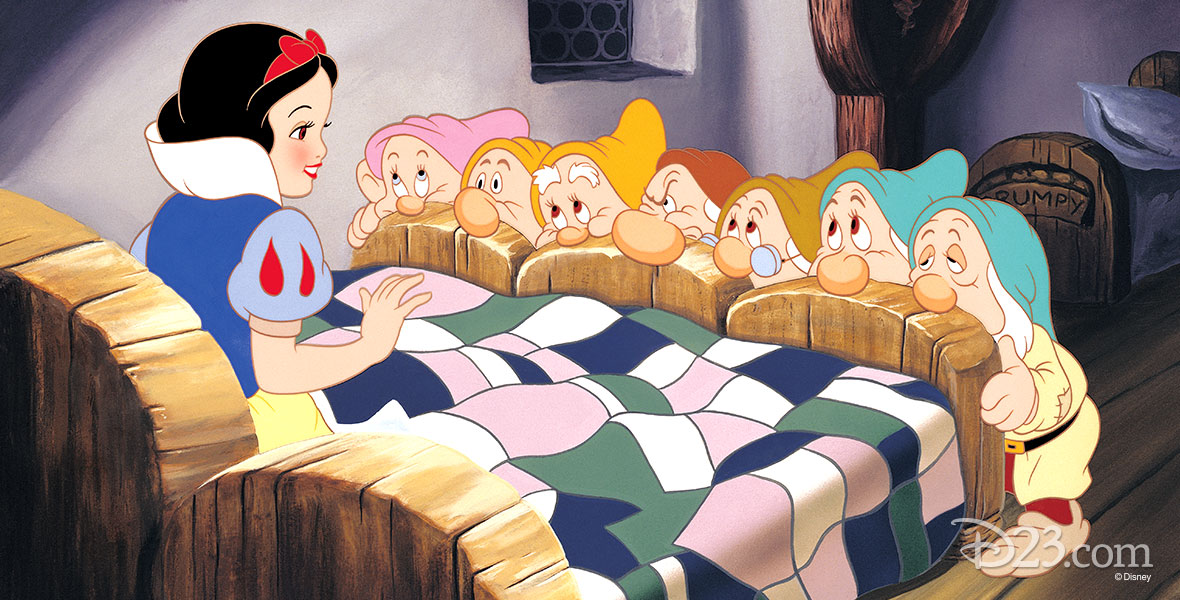
In the late 1930s, the film industry referred to Snow White as “Disney’s Folly.” Industry experts believed that audiences would not sit through a feature-length cartoon. However, Walt Disney was not just making a movie; he was crafting a brand identity centered on quality, innovation, and emotional resonance. Today, that “folly” stands as the cornerstone of a multi-billion dollar brand that has mastered the art of storytelling as a corporate asset.
The Foundation of Disney’s Brand Identity
The release of Snow White and the Seven Dwarfs was the first time the Disney brand successfully moved from a “producer of shorts” to a “creator of worlds.” This transition is a vital lesson in brand evolution. For a brand to scale, it must move beyond a single product and create an ecosystem that consumers can inhabit.
Defining the Brand “North Star”
From the outset, the first Disney feature-length movie established what brand strategists call a “North Star.” For Disney, this was “uncompromising quality.” Walt Disney famously pushed his animators to achieve a level of realism and fluidity that had never been seen before. By setting a standard that exceeded consumer expectations, the brand established itself as a premium entity. In branding, being “the first to do it well” is often more valuable than simply being “the first.”
The Birth of Character-Centric Marketing
Unlike other film studios of the era, Disney understood that his characters were not just actors in a story—they were brand ambassadors. Snow White introduced a template for character archetypes that Disney would use for the next century. By creating characters with distinct, marketable personalities, Disney ensured that the brand could live on through merchandise, theme parks, and sequels long after the initial theatrical run.
Strategic Innovation: The “Disney Vault” and Scarcity
One of the most brilliant brand strategies derived from Disney’s first feature film was the concept of the “Disney Vault.” This marketing tactic involved releasing a film for a limited time and then withdrawing it from the market for several years. This strategy, which began with the re-releases of Snow White, is a masterclass in managing brand equity and perceived value.
Creating Generational Demand
By controlling the availability of their first and most iconic films, Disney created a cycle of “generational demand.” Parents who saw Snow White as children wanted to share that experience with their own children when it was “brought out of the vault.” This reinforced the brand’s identity as a timeless, family-oriented institution. In branding, nostalgia is a powerful currency, and Disney was the first to realize that scarcity enhances that currency.
Quality Control as Brand Protection
The “Vault” strategy also served as a method of brand protection. By not oversaturating the market, Disney ensured that their “first” products remained special. They avoided the “commodity trap” where a product becomes so common that its brand value diminishes. This disciplined approach to distribution allowed Disney to maintain premium pricing and high brand prestige for decades.
The Multi-Sensory Brand Experience
Disney’s first movie did more than just provide visual entertainment; it established the importance of a multi-sensory brand experience. Snow White was one of the first films to have a commercially successful soundtrack, proving that a brand could transcend its primary medium.
Leveraging Audio as Brand Identity
Songs like “Heigh-Ho” and “Whistle While You Work” became synonymous with the Disney brand. This was a strategic move in corporate identity; it allowed the brand to occupy “mental real estate” through sound. Today, audio branding is a key component of modern marketing, but Disney was pioneering this integration in 1937. They understood that a brand is not just a logo, but a collection of sensory memories.
From Screen to Physical Space
The success of the first Disney movie provided the capital and the conceptual framework for what would eventually become Disneyland. The brand was no longer confined to a flat screen; it became a three-dimensional environment. This is the pinnacle of brand strategy: turning a consumer into a guest within your brand’s own ecosystem. The architectural motifs found in the first film’s cottage and castle eventually informed the design language of the theme parks, creating a cohesive brand universe.
Brand Resilience Through Storytelling Excellence
The reason Snow White remains relevant today is not just because it was the “first,” but because of the storytelling principles it established. In the world of branding, “The Story” is the most important asset a company owns. Disney’s first movie taught the corporate world that a brand is only as strong as the narrative it tells.
The Power of Emotional Connection
Disney’s strategy focused on the “Hero’s Journey,” a narrative structure that resonates across cultures and languages. By rooting the brand in universal themes of hope, good versus evil, and transformation, Disney ensured its brand would have global appeal. This emotional connection creates “brand advocates” rather than just “customers.” When people buy Disney, they aren’t just buying a movie or a toy; they are buying into a feeling of wonder.
Consistency Across Touchpoints
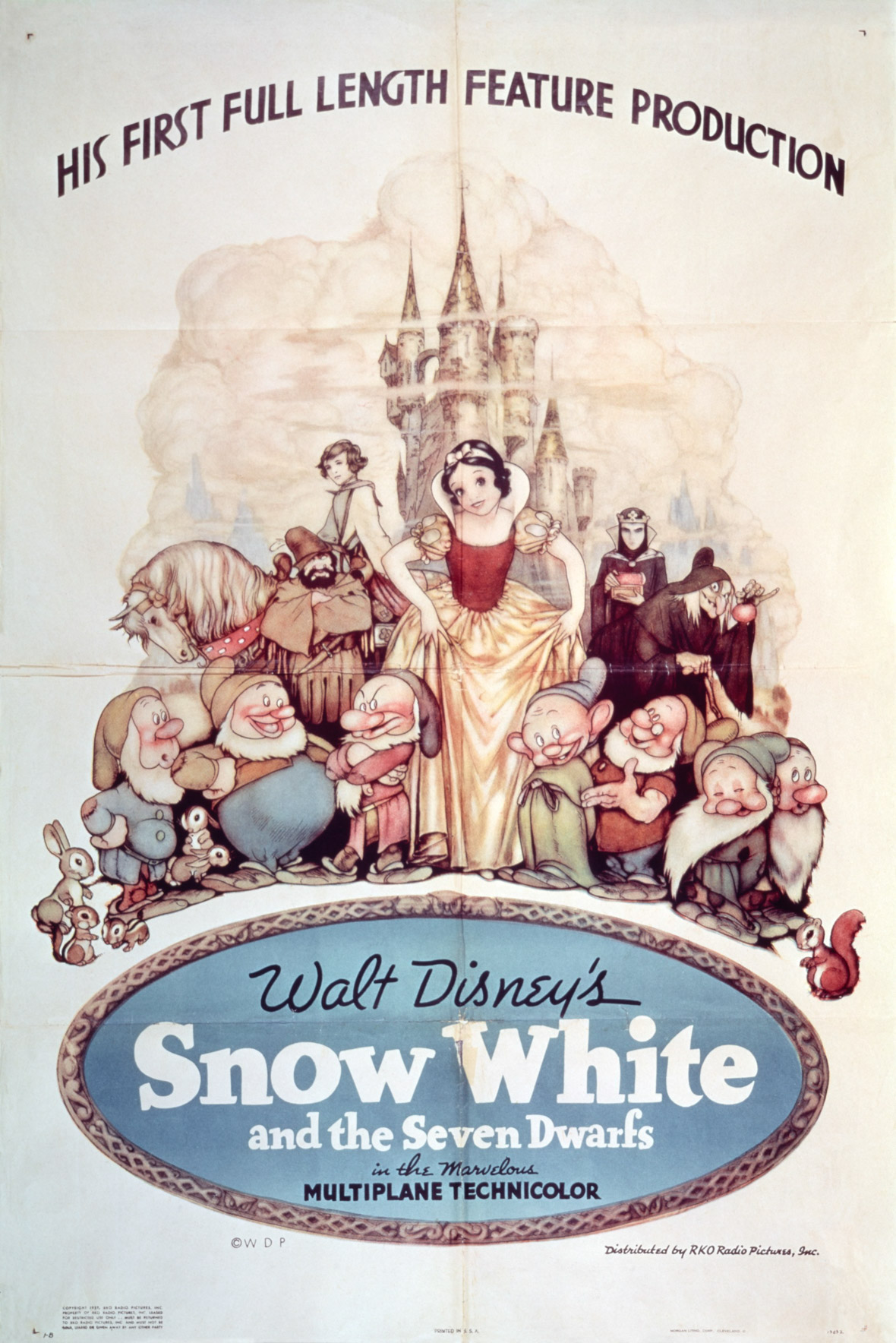
Whether it was the original 1937 posters, the 1990s VHS releases, or the modern streaming era on Disney+, the brand has maintained a remarkable consistency. The “Snow White” brand identity—the colors, the font, the tone of voice—has remained largely unchanged. This consistency builds trust. Consumers know exactly what to expect from a Disney product, and that predictability is a cornerstone of brand loyalty.
Lessons for Modern Brand Strategy
Looking back at the first Disney movie offers several takeaways for modern businesses, regardless of their industry. Disney proved that a brand is an evolving entity that must be nurtured through innovation, discipline, and a deep understanding of the human experience.
Innovation as a Brand Requirement
If Disney had stuck to short-form cartoons, the company would likely have become a footnote in history. The move to feature-length film was a pivot that redefined the company’s category. Brands today must be willing to take “Snow White-sized” risks to stay relevant in a changing market.
Protecting Intellectual Property
Disney’s first movie was the start of a fierce commitment to protecting intellectual property (IP). The brand’s legal and marketing strategies are designed to ensure that their characters and stories remain exclusive to the Disney name. This focus on IP as the primary driver of brand value is a model that has been adopted by everyone from tech firms to fashion houses.

The Legacy of the First Movie
In conclusion, the answer to “What’s the first Disney movie?” is more than a trivia fact; it is the starting point of one of the most successful brand strategies in history. Snow White and the Seven Dwarfs transformed a small animation studio into a global powerhouse by focusing on high-quality production, emotional storytelling, and long-term brand equity. By understanding the lessons of the “Disney Folly,” modern brands can learn how to build a legacy that lasts for generations. Disney didn’t just make a movie; they built a world, and in doing so, they showed the world how to build a brand.
aViewFromTheCave is a participant in the Amazon Services LLC Associates Program, an affiliate advertising program designed to provide a means for sites to earn advertising fees by advertising and linking to Amazon.com. Amazon, the Amazon logo, AmazonSupply, and the AmazonSupply logo are trademarks of Amazon.com, Inc. or its affiliates. As an Amazon Associate we earn affiliate commissions from qualifying purchases.