
A void check is a familiar concept in the realm of personal finance and business transactions, yet its precise meaning and practical applications can sometimes be a source of confusion. Far from being an empty or useless document, a void check serves a specific and crucial purpose, primarily as a verification tool to prevent fraudulent activity and ensure the accuracy of financial information. In essence, it’s a way to confirm your bank account details without actually authorizing any financial transfer. This article will delve into the multifaceted meaning of a void check, exploring its fundamental role, why it’s utilized, and how it functions as a critical security measure in various financial processes.
The Fundamental Purpose of a Void Check
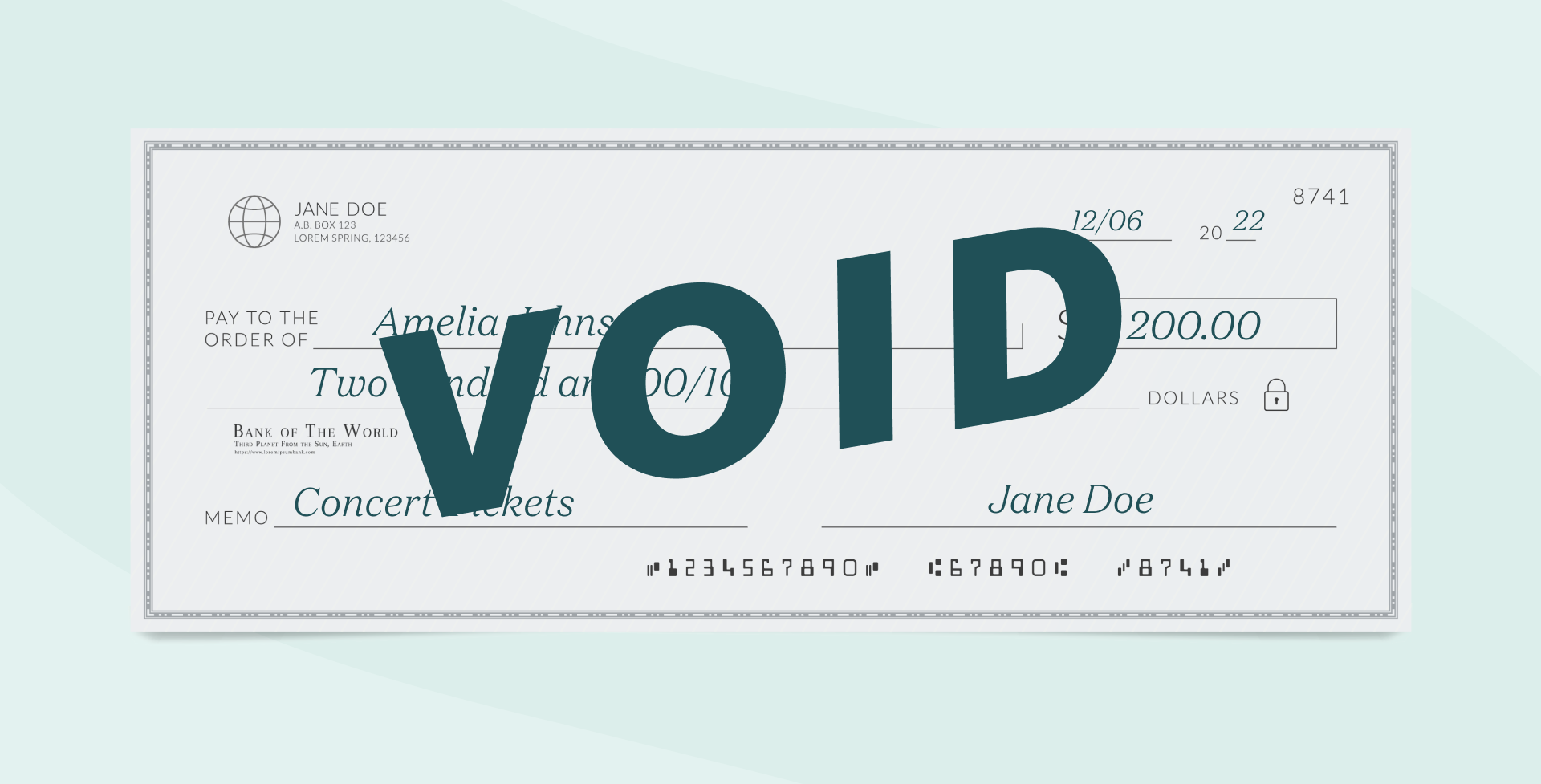
At its core, a void check is a standard check that has been intentionally rendered invalid for any financial transaction. This invalidation is achieved by clearly marking the word “VOID” across its face, typically in large, bold lettering. The purpose of this marking is to unequivocally communicate that the check cannot and should not be used to transfer funds. This simple act of marking a check as void transforms it from a potential financial instrument into a secure document for information verification.
Why Invalidate a Check?
The primary reason for voiding a check stems from the need to securely share sensitive banking information. When you provide your bank account and routing numbers to a third party, you are essentially giving them access to initiate transactions from your account. While often necessary for legitimate purposes like direct deposit or automatic bill payments, this information is also highly susceptible to misuse and fraud. A void check acts as a safe intermediary, allowing you to prove ownership and accuracy of your banking details without exposing your account to potential unauthorized debits.
Distinguishing a Void Check from a Bounced Check
It’s important to differentiate a void check from a bounced check. A bounced check, also known as a returned check, occurs when a check is presented for payment but the issuer’s account lacks sufficient funds to cover the transaction, or if there are other issues like an expired check or incorrect signature. Bounced checks result in financial penalties for both the issuer and the payee and damage creditworthiness. A void check, on the other hand, is intentionally incapacitated before it can be used for any transaction. It’s a preventive measure, not a consequence of a failed transaction.
Practical Applications of a Void Check
The utility of a void check extends across a range of financial scenarios, from setting up payroll to establishing payment plans. Its primary function remains consistent: to confirm banking details securely. Understanding these applications helps to appreciate the practical importance of this seemingly simple document.
Direct Deposit and Payroll Setup
One of the most common uses of a void check is for setting up direct deposit. Employers often require a void check or a direct deposit form that includes your bank’s routing number and your account number to ensure that your paychecks are deposited directly into your bank account. This method is generally more secure and efficient than receiving a physical check, which could be lost or stolen. By providing a void check, you allow your employer to verify your account details accurately without giving them the ability to withdraw funds. The information on the void check serves as a template for them to accurately input your banking information into their payroll system.
Automatic Bill Payments and Recurring Transactions
Similar to direct deposit, many service providers, utility companies, and subscription services will request a void check or equivalent information to set up automatic payments. This ensures that your bills are paid on time each month, avoiding late fees and service interruptions. When you provide a void check for this purpose, you are authorizing the company to debit your account on a recurring basis. However, by voiding the check, you prevent them from using it to initiate a one-time, potentially unauthorized, withdrawal. The void check simply confirms the correct account and routing numbers needed for their system to process recurring debits.
Setting Up Payment Plans and Loans
When applying for loans, mortgages, or setting up installment payment plans for significant purchases, lenders often require a void check. This is to facilitate the repayment process, ensuring that payments are withdrawn automatically from your designated account on schedule. The void check serves as a confirmation of your banking information, allowing the lender to set up the necessary electronic fund transfers (EFTs) or Automated Clearing House (ACH) transactions. It’s a standardized way to provide the precise details needed to initiate these automated financial processes without the risk of the check itself being misused.
For Verification Purposes in Various Industries
Beyond individual transactions, void checks are also used in certain business and industry contexts for verification. For instance, escrow companies might request a void check to verify the source of funds or to establish an account for holding payments during a real estate transaction. Similarly, some businesses might ask for a void check from vendors or contractors as part of their onboarding process to ensure accurate payment processing. In each case, the void check acts as a secure method for conveying banking information and confirming account validity without posing a financial risk.
How to Create and Utilize a Void Check

Creating a void check is a straightforward process, but it requires attention to detail to ensure its effectiveness. The method of creation and subsequent submission are crucial for its intended purpose.
The Process of Voiding a Check
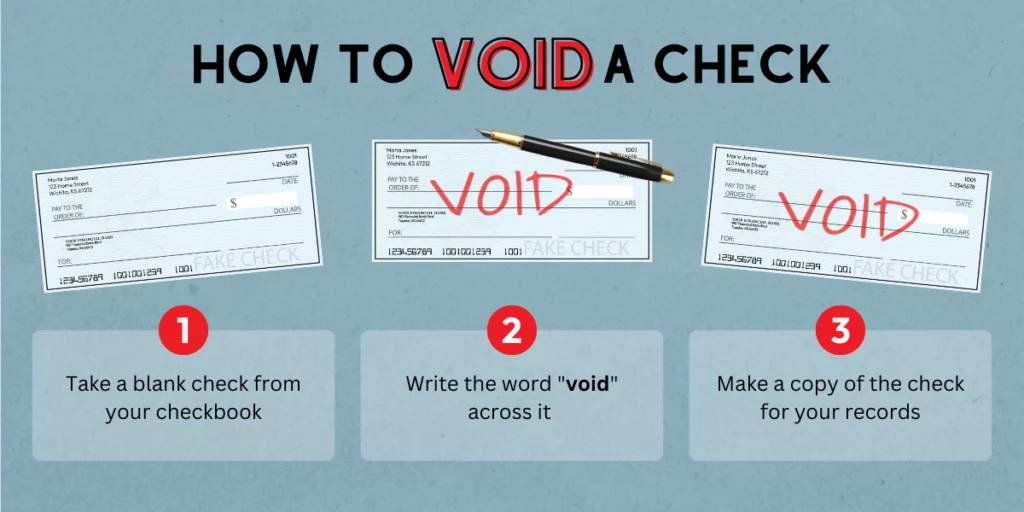
To void a check, you simply take a blank check from your checkbook and write the word “VOID” in large, clear letters across the front of the check. It’s best to write it diagonally from corner to corner or across the signature line and the payee line. Ensure that the word is prominent enough that it cannot be missed. Do not write any other information on the check, such as dates, payees, or amounts. The only mark should be the word “VOID.” Some people also recommend perforating the check or tearing it in a way that makes it unusable after voiding, but the clear marking of “VOID” is the most critical step.
Information Required on a Void Check
While the check itself is voided, the essential banking information printed on the check is what makes it useful. This includes:
- Your Bank’s Name and Address: This is usually pre-printed on the check.
- Your Account Number: Located at the bottom of the check, typically to the right of the routing number.
- Your Bank’s Routing Number (ABA Number): Also found at the bottom of the check, usually to the left of the account number, often in a distinct MICR (Magnetic Ink Character Recognition) font.
This information is crucial for any financial institution or service provider to identify your specific bank and account for direct deposits, automatic payments, or other electronic transactions.
Submitting a Void Check
When asked to provide a void check, you would typically fill it out as described above and then either:
- Physically Hand It Over: For in-person requests, you might hand the voided check directly to the requesting party.
- Scan and Email It: For remote requests, you might scan the voided check and email it as a PDF or image file. Ensure the scan is clear and legible so all the banking information can be read.
- Upload It Online: Many online forms or portals allow you to upload a scanned image of your voided check.
Always ensure you are submitting the voided check to a trusted and legitimate entity. Verify the legitimacy of the requestor before sharing any banking information, even on a voided check.
Security and Alternatives
While a void check is a widely accepted and effective method for verifying banking information, understanding its security implications and exploring potential alternatives is beneficial for a comprehensive financial outlook.
Security Considerations and Best Practices
The primary security benefit of a void check is that it prevents unauthorized withdrawals by rendering the check itself unusable for direct payment. However, it’s crucial to remember that the banking information printed on it is still sensitive. Therefore, it’s vital to:
- Only Provide to Trusted Entities: Never share a void check with individuals or organizations you don’t trust or whose legitimacy you haven’t verified.
- Monitor Your Bank Statements: Regularly review your bank statements for any unauthorized transactions, even if you’ve only provided a void check.
- Use Secure Transmission Methods: If sending a scanned void check electronically, use secure email or encrypted file transfer methods.
- Understand the Purpose of the Request: Always inquire why a void check is being requested and ensure it aligns with standard financial procedures.
Alternatives to Using a Void Check
In many cases, particularly with online services and modern banking, alternatives to void checks are available and may even be preferred for their convenience and digital security. These include:
- Direct Deposit Forms: Many employers and financial institutions provide pre-printed direct deposit forms that contain all the necessary banking information without requiring you to void a physical check. These forms are designed specifically for this purpose.
- Online Banking Portals: Many services allow you to enter your bank account and routing numbers directly into their secure online portal. This eliminates the need for a physical document and can be more efficient.
- Bank-Provided Information: Some banks can provide you with a letter or document that explicitly states your routing and account numbers for verification purposes.
- Pre-printed ACH Authorization Forms: For recurring payments, companies often provide their own ACH authorization forms that you fill out and sign, which serves the same purpose as a void check but is tailored to their specific system.
While these alternatives exist, the void check remains a reliable and universally understood method for securely conveying banking details. Its simplicity and the clear visual cue of being “VOID” make it an easily recognizable and trustworthy tool for financial verification. Understanding what a void check means, how to prepare it, and when to use it empowers individuals and businesses to navigate financial processes with greater confidence and security.
aViewFromTheCave is a participant in the Amazon Services LLC Associates Program, an affiliate advertising program designed to provide a means for sites to earn advertising fees by advertising and linking to Amazon.com. Amazon, the Amazon logo, AmazonSupply, and the AmazonSupply logo are trademarks of Amazon.com, Inc. or its affiliates. As an Amazon Associate we earn affiliate commissions from qualifying purchases.