
In the world of finance, few names carry as much weight, history, and immediate recognition as “the Dow.” Whether you are watching the evening news, scrolling through a financial app, or sitting in a boardroom, the phrase “the Dow is up 300 points” serves as a universal shorthand for the health of the American economy. Formally known as the Dow Jones Industrial Average (DJIA), this index is more than just a collection of numbers; it is a storied barometer of corporate America.
For the modern investor, understanding the Dow is essential for navigating the complexities of personal finance and portfolio management. While it is often criticized by academics for its unique methodology, its psychological impact on global markets remains unparalleled. This article explores the inner workings of the Dow, its historical significance, and how it fits into a comprehensive investment strategy.
The Anatomy of the Dow: History and Mechanics
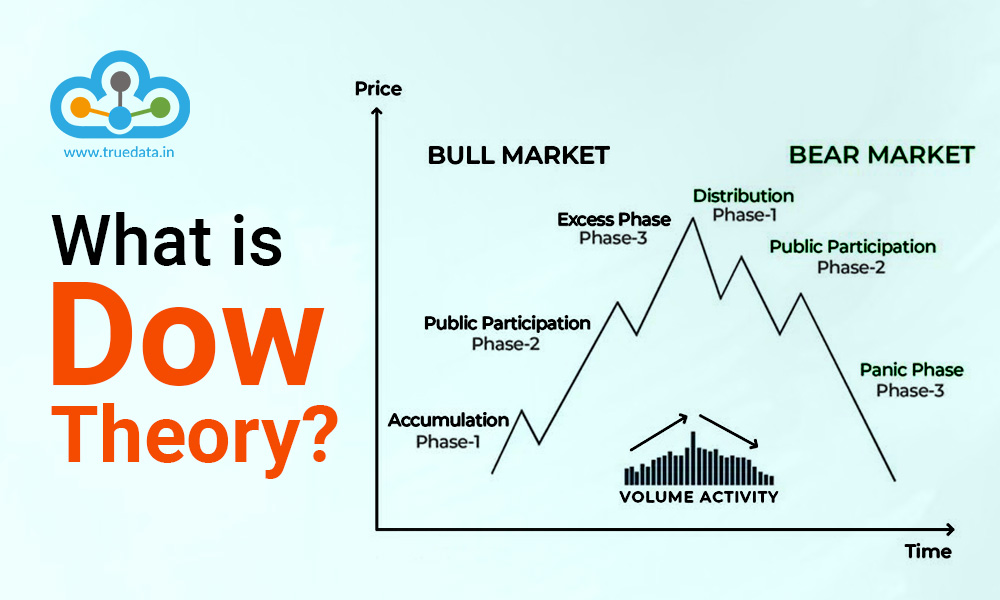
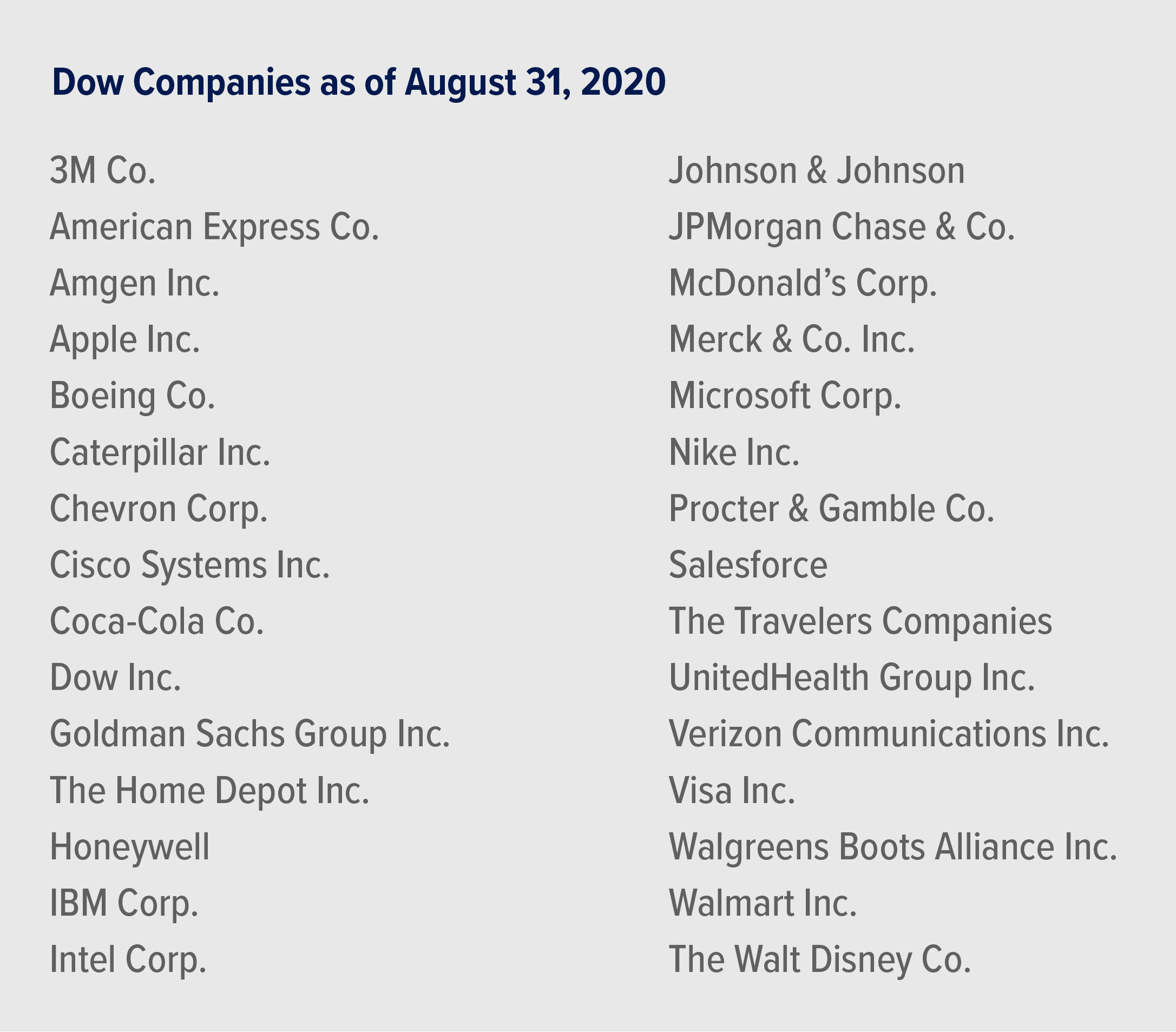
To understand what the Dow is today, one must look back to the late 19th century. The index was created by Charles Dow, the editor of The Wall Street Journal and co-founder of Dow Jones & Company, and his business partner, Edward Jones. When it debuted on May 26, 1896, it consisted of just 12 industrial companies, including names like American Cotton Oil and U.S. Leather. Today, it has evolved into a powerhouse of 30 “blue-chip” companies that represent the leaders of the U.S. economy.
The Price-Weighted Methodology
Unlike the S&P 500 or the Nasdaq Composite, which are market-capitalization-weighted, the Dow is a price-weighted index. This means that companies with higher stock prices have a greater influence on the index’s movement than those with lower prices. For example, a stock trading at $200 per share will move the Dow twice as much as a stock trading at $100 per share, regardless of the actual size or market value of the underlying company.
The Dow Divisor
A common point of confusion for new investors is how 30 stocks can result in an index value in the tens of thousands. This is managed through the “Dow Divisor.” Since stocks undergo splits, spin-offs, and other structural changes, a simple average of the 30 stock prices would be misleading over time. The Dow Divisor is a mathematical constant used to maintain the continuity of the index. When a stock split occurs, the divisor is adjusted so that the index value remains the same before and after the event.
The Selection Process
The Dow is not a computer-generated list based on strict quantitative rules. Instead, the components are selected by a committee at S&P Dow Jones Indices. The goal is to choose companies that have an excellent reputation, demonstrate sustained growth, and are of interest to a large number of investors. While it is called the “Industrial” average, it now includes technology, healthcare, retail, and financial services, reflecting the shift in the American economy from manufacturing to services and tech.
Why the Dow Matters to the Individual Investor
For many, the Dow is the first point of entry into the world of investing. It serves as a psychological anchor for the market. When the Dow hits a major milestone—such as 30,000 or 40,000—it generates headlines that boost consumer confidence and encourage retail participation in the markets.
A Benchmark for Stability
The companies within the Dow are often referred to as “Blue Chips.” These are massive, well-established firms with a history of surviving economic downturns. For an investor focused on wealth preservation and steady growth, the Dow represents a collection of the “safest” bets in the equity market. Because these companies are global leaders, their performance often dictates the sentiment of international markets as well.
The Wealth Effect and Consumer Sentiment
There is a documented phenomenon in economics known as the “Wealth Effect.” When the Dow rises, investors feel wealthier, which often leads to increased consumer spending. Conversely, a sharp drop in the Dow can cause households to tighten their belts. By tracking the Dow, individual investors can gain insights into broader economic trends that might affect their own businesses, job security, and purchasing power.
Dividends: The Dow’s Secret Weapon
One of the most attractive features of the Dow for personal finance enthusiasts is its heavy tilt toward dividend-paying companies. Many of the 30 components are “Dividend Aristocrats” or “Dividend Kings”—companies that have not only paid but increased their dividends for decades. For those seeking passive income or building a retirement nest egg, the Dow serves as an excellent shortlist of companies that prioritize returning value to shareholders.
Navigating the Limitations: Is the Dow Still Relevant?
As the financial world has become more sophisticated, some experts argue that the Dow is an outdated relic. Critics point to several factors that investors should consider when using the Dow as a guide.
The Sample Size Problem
The most obvious criticism is the sample size. How can 30 companies accurately represent an economy that consists of thousands of publicly traded firms? While the Dow’s 30 components are massive and account for a significant portion of the total U.S. market value, they cannot capture the innovation of mid-cap growth stocks or the volatility of the tech-heavy Nasdaq.
The Distortion of Price-Weighting
Because the Dow is price-weighted, a company like UnitedHealth Group (which often has a high share price) has significantly more “vote” in the index’s direction than a giant like Apple or Microsoft if their share prices are lower. This can lead to situations where the Dow is “down” because one high-priced stock had a bad day, even if the rest of the market is rallying. Modern financial analysts generally prefer the S&P 500 for a more accurate statistical representation of market performance.
The “Old Economy” Bias
Although the Dow has added tech giants like Salesforce and Apple, it is often slower to adapt than other indices. It tends to favor mature companies over disruptive startups. For an investor looking for the “next big thing,” the Dow is rarely the place to find it. However, for a “Money” focused reader, this bias toward maturity can actually be seen as a filter for quality, shielding them from the extreme bubbles often found in more speculative sectors.
Practical Strategies for Investing in the Dow
For those who want to turn their knowledge of the Dow into actionable financial results, there are several ways to participate in the growth of these 30 industrial giants.
Index Funds and ETFs
The most efficient way to invest in the Dow is through an Exchange-Traded Fund (ETF). The most famous of these is the SPDR Dow Jones Industrial Average ETF Trust, known by its ticker symbol “DIA” or simply “The Diamonds.” By buying shares of DIA, an investor gains exposure to all 30 companies in the index in their correct proportions with a single transaction. This is a cornerstone strategy for many long-term retirement accounts due to its low fees and inherent diversification.
The “Dogs of the Dow” Strategy
A popular value-investing strategy involving the DJIA is known as the “Dogs of the Dow.” At the beginning of each year, an investor identifies the 10 companies in the Dow with the highest dividend yields. The theory is that these companies are temporarily undervalued (since yield rises when price falls) but remain fundamentally strong because they are in the Dow. The investor holds these 10 stocks for a year and rebalances the following year. This strategy has historically been a successful way to generate income and outperform the broader index in certain market cycles.
Using the Dow for Portfolio Benchmarking
Even if you don’t invest directly in the Dow, you should use it to measure your own performance. If your personal portfolio of stocks is consistently underperforming the Dow during a bull market, it may be a sign that you are taking on too much risk with too little reward. The Dow represents the “standard” return of high-quality U.S. equities; if you can’t beat it, you might be better off simply joining it through an index fund.

Conclusion: The Enduring Legacy of the Dow
Despite the emergence of complex algorithms and thousands of new financial products, “the Dow” remains the most cited financial metric in the world. It is the story of American capitalism told through 30 of its most successful protagonists.
For the individual focused on money and investing, the Dow serves as both a map and a compass. It provides a map of where the largest corporate entities are headed and a compass for general market sentiment. While it should not be the only tool in an investor’s kit—complemented ideally by broader indices and international exposure—its simplicity and history make it an indispensable part of financial literacy. By understanding what the Dow is, how it is calculated, and how to invest in it, you position yourself to better understand the global economy and, ultimately, to make more informed decisions for your financial future.
aViewFromTheCave is a participant in the Amazon Services LLC Associates Program, an affiliate advertising program designed to provide a means for sites to earn advertising fees by advertising and linking to Amazon.com. Amazon, the Amazon logo, AmazonSupply, and the AmazonSupply logo are trademarks of Amazon.com, Inc. or its affiliates. As an Amazon Associate we earn affiliate commissions from qualifying purchases.