
In the fast-paced world of global finance, few phrases are uttered as frequently in newsrooms, coffee shops, and trading floors as “What’s the Dow at right now?” This question serves as a foundational inquiry into the health of the American economy and the pulse of the broader financial markets. Whether the Dow Jones Industrial Average (DJIA) is surging toward record highs or retreating amidst economic uncertainty, its movements dictate sentiment for millions of individual investors and institutional powerhouses alike.
To understand the Dow is to understand more than just a number on a screen; it is to understand the historical narrative of the American corporate landscape. While newer, more diverse indices like the S&P 500 or the tech-heavy Nasdaq often capture the attention of modern traders, the Dow remains the “old guard,” providing a concentrated look at thirty of the most influential, blue-chip companies in the United States.

The Mechanics of the Dow Jones Industrial Average
Before interpreting the “right now” value of the Dow, it is essential to understand the machinery behind the number. Unlike most modern indices, the Dow is not a simple average, nor is it weighted by the size of the companies within it.
What Exactly is the DJIA?
The Dow Jones Industrial Average was created in 1896 by Charles Dow and Edward Jones. Originally consisting of just 12 companies, primarily in the industrial sector (such as railroads, sugar, and oil), it has evolved into a list of 30 prominent companies spanning nearly every sector except utilities and transportation. Today, the “Industrial” in its name is largely a legacy term, as the index includes tech giants like Microsoft, healthcare leaders like UnitedHealth Group, and consumer staples like Coca-Cola.
The Price-Weighted Calculation Method
One of the most unique—and sometimes criticized—aspects of the Dow is that it is a price-weighted index. This means that companies with higher stock prices have a greater influence on the index’s total movement than those with lower stock prices. For example, if a stock priced at $400 moves 1%, it will have a significantly larger impact on the Dow’s point value than a stock priced at $40 moving 1%. This differs from the S&P 500, which is market-cap weighted, where the total valuation of the company determines its influence.
The Selection Process and the Dow Divisor
The companies in the Dow are not chosen by a rigid formula but by a committee at S&P Dow Jones Indices. The goal is to select companies that have an excellent reputation, demonstrate sustained growth, and represent the broader pulse of the U.S. economy. To account for stock splits, dividends, and other corporate actions, the index uses the “Dow Divisor.” This mathematical constant is used to divide the sum of the prices of all 30 stocks, ensuring that a stock split doesn’t cause a massive, artificial drop in the index level.
Why “What’s the Dow at Right Now” Matters to You
For the average person, the daily fluctuations of the Dow might seem like noise. However, the index serves several critical functions that impact personal finance and broader investment strategies.
The Dow as a Psychological Barometer
The Dow is often the “face” of the stock market. When the Dow is “up,” the general public feels a sense of economic optimism. When it is “down,” consumer confidence often wanes. This psychological impact can influence spending habits and long-term financial planning. For many, the Dow represents the stability of the American dream; as long as these 30 “behemoths” are thriving, the underlying economy is perceived to be on solid ground.
Correlation with Economic Health
While the Dow only tracks 30 companies, these companies are massive employers and global service providers. Their performance is often a leading indicator of GDP growth, employment rates, and consumer spending. If the Dow is trending downward over a sustained period, it often signals that the “engines” of the economy—manufacturing, finance, and retail—are facing headwinds such as inflation or decreased demand.
Benchmarking Your Personal Portfolio
If you have a 401(k), an IRA, or a personal brokerage account, the Dow serves as a benchmark. Professional money managers and retail investors alike compare their annual returns against the Dow’s performance. If the Dow is up 10% for the year and your portfolio is only up 4%, it may be time to reassess your asset allocation. Conversely, during market crashes, the Dow’s performance helps investors understand if their losses are systemic (affecting everyone) or specific to their own high-risk choices.
Key Factors Influencing Current Market Movements
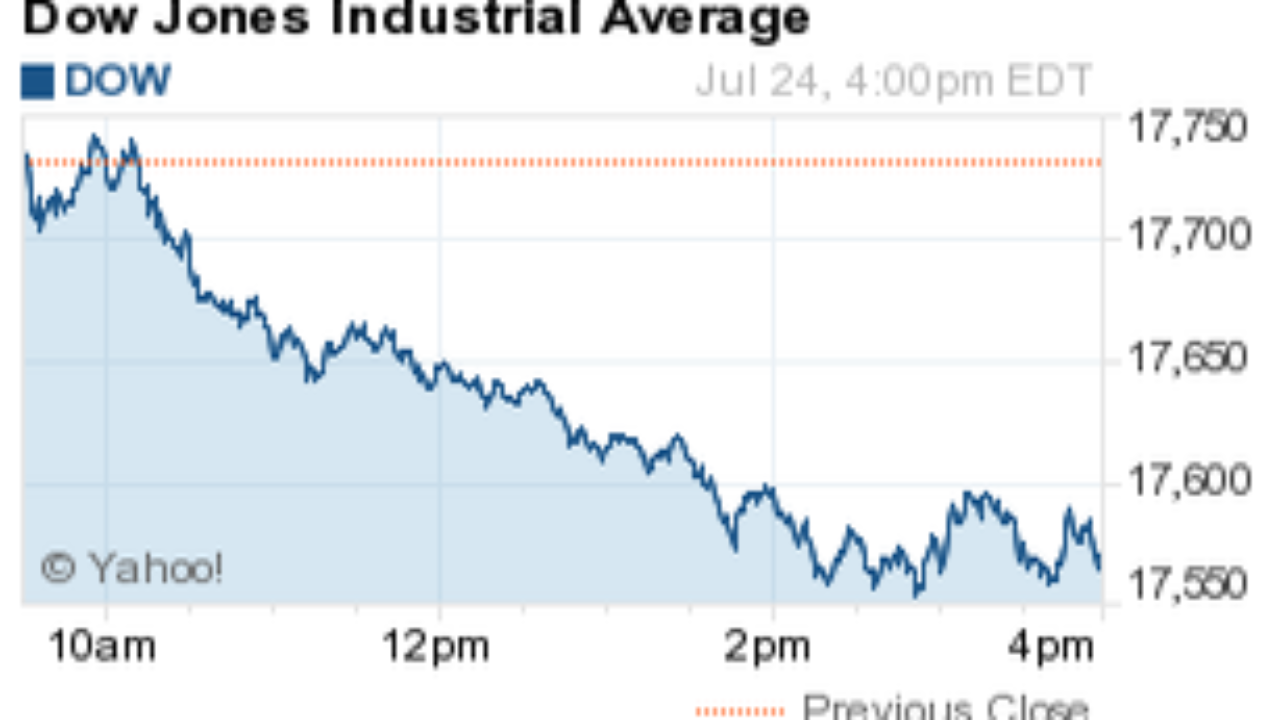
When you check the Dow and see a 500-point swing, it is rarely a random occurrence. Several macroeconomic levers are constantly pulling at the prices of the 30 component stocks.
Interest Rates and the Federal Reserve
Perhaps the most significant driver of the Dow “right now” is the Federal Reserve’s monetary policy. When interest rates rise, the cost of borrowing increases for corporations. This can lead to lower profit margins and reduced capital expenditure, which often drags down the stock prices of Dow components. Conversely, when the Fed signals a “dovish” stance or interest rate cuts, the Dow often rallies as investors anticipate cheaper credit and higher corporate earnings.
Corporate Earnings and Growth Forecasts
Every quarter, the 30 companies in the Dow release their earnings reports. Because the index is so concentrated, a single “miss” by a high-priced component like Goldman Sachs or Boeing can significantly move the entire index. Investors look closely at “guidance”—what the company expects to happen in the future—rather than just past performance. If the blue chips express concern about supply chains or falling demand, the Dow will reflect that anxiety almost immediately.
Geopolitical Events and Macro Trends
The Dow is highly sensitive to international relations because its components are global players. Trade wars, fluctuations in the price of oil, and international conflicts can cause volatility. For example, energy companies in the Dow (like Chevron) react sharply to OPEC decisions, while tech and manufacturing components react to trade tensions in Asia or Europe. In the digital age, news travels instantly, meaning the Dow can react to a geopolitical event in seconds.
Strategies for Investing in the Dow Today
Knowing where the Dow stands is the first step; knowing what to do with that information is where the “Money” niche truly comes alive. There are several ways to gain exposure to these 30 titans of industry.
Index Funds and ETFs (The DIA Ticker)
The most straightforward way to invest in the Dow is through an Exchange-Traded Fund (ETF) that tracks the index. The most famous of these is the SPDR Dow Jones Industrial Average ETF Trust, known by its ticker symbol “DIA” (often referred to as “Diamonds”). By purchasing shares of DIA, an investor gains proportional exposure to all 30 companies in the Dow. This is an excellent “set it and forget it” strategy for those who believe in the long-term resilience of the U.S. economy.
The “Dogs of the Dow” Strategy
A popular value-investing strategy is the “Dogs of the Dow.” This involves identifying the ten companies in the index with the highest dividend yield at the end of the year and investing in them. The theory is that these companies are temporarily undervalued, and their high dividends provide a “cushion” while the investor waits for the stock price to recover. This strategy emphasizes income generation and capital appreciation, making it a favorite for retirees and conservative investors.
Long-term vs. Short-term Approaches
For day traders, the Dow’s daily “points” provide opportunities for quick profits through options or futures. However, for most people, the Dow is a long-term vehicle. Historically, despite wars, depressions, and pandemics, the Dow has trended upward over the decades. Understanding that “what the Dow is at right now” is just a single data point in a much longer timeline is the key to maintaining a disciplined investment strategy and avoiding emotional “panic selling.”
The Future of the Dow in a Changing Economy
As we move deeper into the 21st century, the Dow continues to adapt. The index of 2024 looks very different from the index of 1984, and it will likely look different again by 2034.
The Shift Toward Technology and Services
Historically, the Dow was dominated by “smoke-stack” industries—steel, coal, and heavy machinery. Today, there is an increasing shift toward the “Weight of the Intangible.” Software, data, and financial services now carry more weight. As AI and automation become central to every business, the selection committee will likely continue to swap out aging industrial giants for tech-integrated firms that represent the modern “industrial” reality.
Diversity and Sector Rotation
Investors are increasingly looking for sector rotation within the Dow. When tech stocks are overvalued, money often flows into the Dow’s “value” sectors like healthcare and consumer staples. This rotation keeps the index relevant; it acts as a safety net during times of extreme volatility in the more speculative areas of the market. The Dow’s ability to rebalance itself ensures it remains a definitive representation of the current economic era.
Staying Informed in a Volatile World
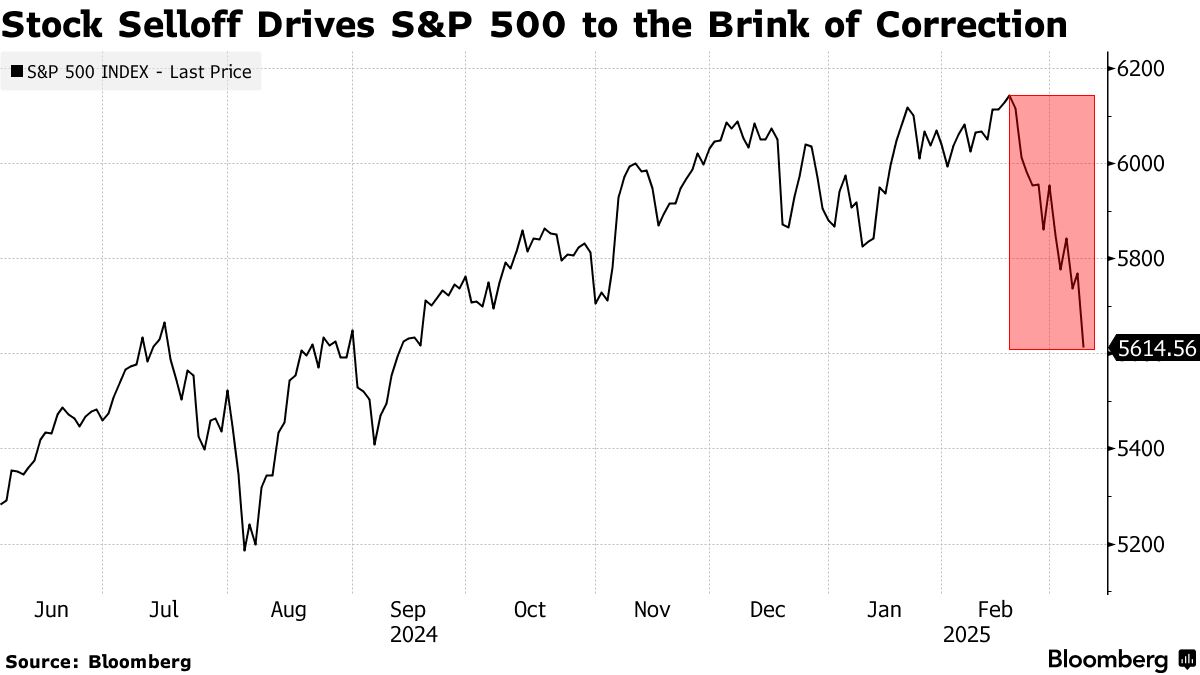
In conclusion, when you ask “what’s the dow at right now,” you are checking the pulse of global commerce. While no single index can tell the whole story of the financial world, the Dow Jones Industrial Average remains the most iconic and accessible entry point for understanding market trends. By focusing on the fundamentals—the companies involved, the macroeconomic factors at play, and your own long-term goals—you can turn a simple daily check of the numbers into a sophisticated strategy for building lasting wealth.
aViewFromTheCave is a participant in the Amazon Services LLC Associates Program, an affiliate advertising program designed to provide a means for sites to earn advertising fees by advertising and linking to Amazon.com. Amazon, the Amazon logo, AmazonSupply, and the AmazonSupply logo are trademarks of Amazon.com, Inc. or its affiliates. As an Amazon Associate we earn affiliate commissions from qualifying purchases.