
In the dynamic world of finance, few metrics capture public attention quite like the Dow Jones Industrial Average (DJIA). Often simply referred to as “the Dow,” its daily movements are front-page news, a frequent topic of water cooler conversations, and a primary indicator many use to gauge the health of the economy and the stock market. For both seasoned investors and curious onlookers, the immediate question, “What’s the Dow at now?”, isn’t just about a number; it’s a shorthand for understanding market sentiment, economic trends, and potentially, one’s own financial outlook.
The Dow, for all its prominence, is more than just a ticker symbol; it’s a historical benchmark, a reflection of corporate America, and a tool for interpreting complex economic forces. Its value fluctuates constantly throughout trading hours, reacting to a myriad of domestic and global events. Understanding what the Dow represents, why its current value matters, and how to interpret its movements is crucial for anyone engaging with the financial markets, whether actively trading or simply planning for the future. This article delves into the significance of the Dow, how it’s influenced, and how to effectively track and understand its current standing in the broader financial landscape.

Understanding the Dow Jones Industrial Average (DJIA)
To truly appreciate the question “What’s the Dow at now?”, one must first grasp what the Dow Jones Industrial Average actually is. Far from being a representation of all U.S. industrial companies, or even the entire U.S. stock market, the DJIA is a carefully curated index designed to provide a snapshot of the performance of a select group of large, publicly traded companies.
A Historical Overview
The Dow Jones Industrial Average was first launched on May 26, 1896, by Charles Dow, editor of The Wall Street Journal and co-founder of Dow Jones & Company. Initially composed of just 12 industrial companies, primarily railroads and sugar companies, its purpose was to provide a clear, concise measure of the health of the American industrial sector. Over the decades, its composition has evolved dramatically, shedding its initial focus on heavy industry to include giants from technology, healthcare, and consumer goods, reflecting the changing landscape of the U.S. economy. This longevity makes the Dow one of the oldest and most continuously tracked market indexes in the world, lending it an inherent gravitas.
The “Industrial” Misnomer Today
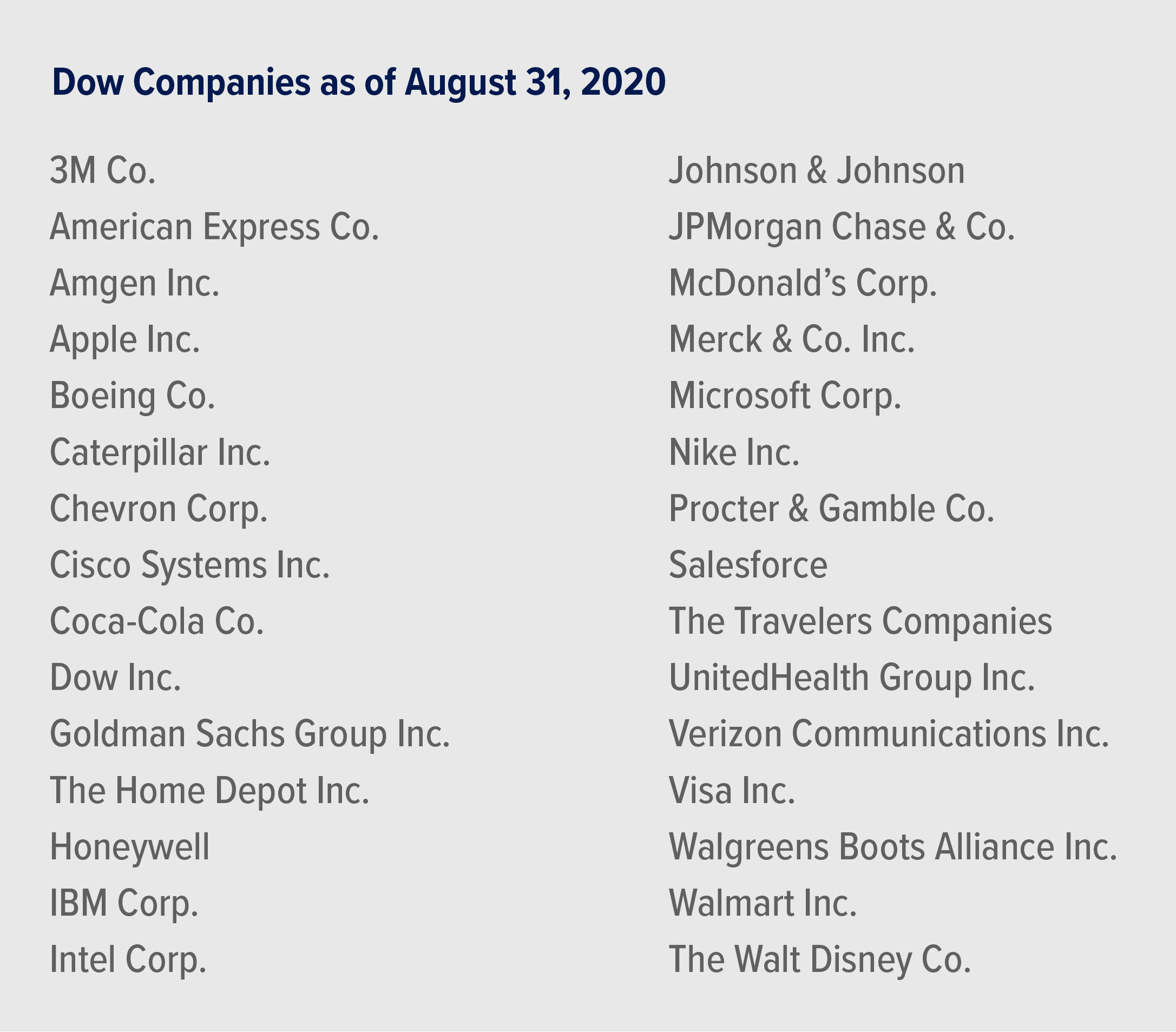
The word “Industrial” in its name is largely a historical artifact. While its original constituents were indeed industrial powerhouses, today’s Dow is a diversified index of 30 “blue-chip” companies chosen by the editors of The Wall Street Journal. These are not just any companies; they are leaders in their respective industries, often multinational corporations with significant market influence and a long history of profitability. Components have included household names like Apple, Microsoft, Coca-Cola, Johnson & Johnson, and Boeing. The selection criteria emphasize reputation, sustained growth, and broad investor interest, rather than strictly “industrial” output. This transformation means the Dow now serves as a proxy for the broader health of major sectors across the American economy, beyond just manufacturing.
How the Index is Calculated (Price-Weighted)
Unlike many modern indices that are market-capitalization weighted (meaning companies with larger market values have a greater impact), the Dow is a price-weighted average. This means that stocks with higher share prices have a greater influence on the index’s value than those with lower share prices, regardless of their total market capitalization. To calculate the Dow, the sum of the prices of its 30 component stocks is divided by a special divisor, known as the “Dow Divisor.” This divisor is adjusted for stock splits, dividends, and changes in the index’s components to ensure that the index’s value remains comparable over time and isn’t distorted by such corporate actions. This unique calculation method is a key differentiator for the Dow and is important for understanding why a movement in a high-priced stock like UnitedHealth Group might have a larger impact than a similar percentage move in a lower-priced stock, even if the latter has a larger market cap.
Why the Dow’s Daily Performance Matters
Beyond its structural details, the daily ebb and flow of the Dow’s value carry significant weight. Its movements are scrutinized by investors, economists, and policymakers alike, serving as a critical indicator for several reasons.
A Barometer of Market Sentiment
When the Dow is up, particularly for several consecutive days, it often signals optimism. Investors feel confident, believing that corporate profits will continue to grow and the economy is on a stable path. Conversely, a significant drop can trigger pessimism, suggesting that investors are bracing for economic headwinds, slower growth, or even a recession. While the Dow doesn’t predict the future, its collective movement reflects the aggregated sentiment of millions of market participants. It acts as a real-time pulse check on investor psychology, which itself can influence market trends through self-fulfilling prophecies.
Impact on Investor Confidence
For individual investors, the Dow’s performance can have a direct psychological impact. A rising Dow can embolden those considering investing, while a sharp decline might cause anxiety among existing investors, potentially leading to panic selling. While it’s crucial for investors to avoid making decisions based solely on daily market fluctuations, the Dow’s visibility means it heavily influences public perception of investment safety and opportunity. This confidence, or lack thereof, can then ripple through the broader economy, affecting consumer spending, business investment, and even hiring decisions.
Gauging Economic Health
Despite its limited number of components, the Dow is widely regarded as a significant gauge of U.S. economic health. The blue-chip companies it comprises are often bellwethers for their respective industries and the economy at large. Their earnings reports, guidance, and operational performance can offer insights into consumer demand, industrial output, and global trade. A consistently strong Dow often suggests a robust economy with healthy corporate profits, low unemployment, and stable growth. Conversely, sustained weakness can point to underlying economic vulnerabilities, such as inflation concerns, interest rate hikes, or a slowdown in economic activity. Economists frequently look to the Dow’s trends, alongside other indicators, to form a comprehensive picture of the current economic climate.
How to Find the Dow’s Current Value
In today’s interconnected world, obtaining the Dow’s current value is remarkably easy and instantaneous. There are numerous reliable sources that provide real-time updates, allowing anyone to answer “What’s the Dow at now?” with a quick glance.
Real-Time Financial News Sources
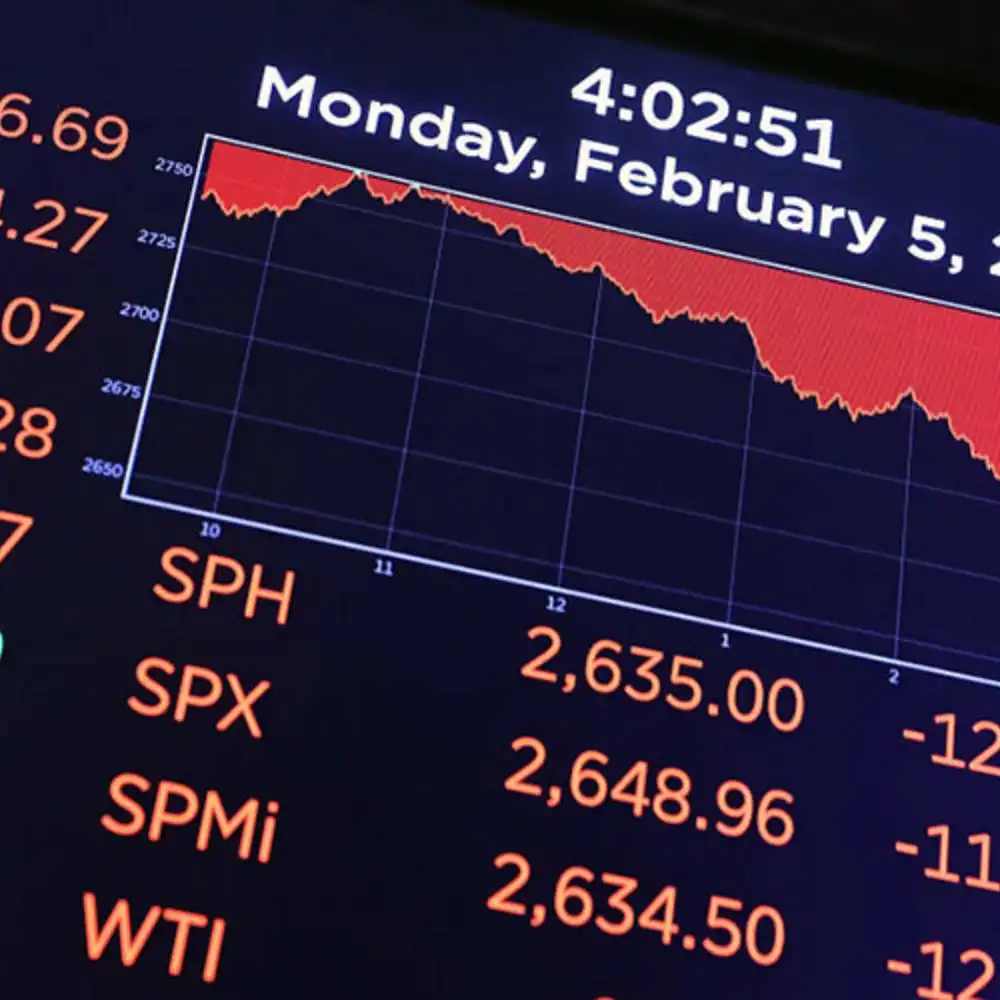
Major financial news outlets are the go-to for up-to-the-minute market data. Websites like Bloomberg.com, Reuters.com, CNBC.com, MarketWatch.com, and The Wall Street Journal’s online portal consistently display the Dow’s live performance during trading hours. These platforms often feature interactive charts, provide context with accompanying news articles, and offer analyst commentary, helping users not just see the number but also understand the forces behind its movements. Many also offer mobile apps, sending push notifications for significant market shifts.
Brokerage Platforms and Apps
If you have an investment account, your brokerage platform is an excellent source for real-time Dow data. Platforms from companies like Fidelity, Charles Schwab, E*TRADE, Vanguard, and Robinhood integrate live market feeds directly into their user interfaces. These platforms are designed to provide investors with all the necessary tools to monitor their portfolios and the broader market, including indices like the DJIA. Many offer sophisticated charting tools, watchlists, and alerts, making it easy to track the Dow alongside your individual holdings.
Official Exchange Websites
For the most direct and often raw data, official exchange websites also provide live updates. The New York Stock Exchange (NYSE) and NASDAQ websites, while primarily focused on individual stock listings, will prominently feature major index performance. While these sites might be less user-friendly for general market overview compared to news portals, they are authoritative sources for validating data. Additionally, search engines like Google and Bing provide instant quotes simply by typing “Dow Jones” or “DJIA” into the search bar, often pulling data directly from reputable financial data providers.
Key Factors Influencing the Dow
The current Dow value is never an isolated number; it’s the culmination of countless economic, corporate, and geopolitical forces interacting in real-time. Understanding these influences is vital for anyone trying to interpret its movements.
Corporate Earnings and Performance
Since the Dow is comprised of 30 specific companies, their individual financial health directly impacts the index. Strong quarterly earnings reports, positive revenue growth, and optimistic guidance from these blue-chip companies tend to push the Dow higher. Conversely, disappointing earnings, reduced forecasts, or negative corporate news from even one or two significant components can drag the entire index down. Investors often react strongly to these reports, signaling their confidence (or lack thereof) in the profitability and future prospects of America’s largest corporations.
Economic Data and Indicators
Broader economic statistics play a massive role. Key indicators like Gross Domestic Product (GDP) reports, inflation figures (Consumer Price Index – CPI), employment data (Non-Farm Payrolls, unemployment rate), manufacturing data (ISM PMI), and consumer confidence surveys all provide insights into the overall health and direction of the economy. Positive economic data often fuels optimism for corporate profits and consumer spending, leading to an uptick in the Dow. Weaker data can signal potential slowdowns or recessions, causing market participants to sell off stocks and pushing the index lower. The market is constantly trying to discount future economic activity, so these data points are critical inputs.
Geopolitical Events and Global News
The globalized nature of today’s economy means that events far beyond U.S. borders can significantly impact the Dow. Geopolitical tensions, trade disputes, international conflicts, commodity price shocks (like oil), and major economic shifts in other powerful nations can create uncertainty and volatility in the markets. For example, a conflict in the Middle East could send oil prices soaring, impacting transportation costs for Dow companies and consumer spending. Similarly, a slowdown in China could reduce demand for products from U.S. multinationals, affecting their revenue. Investors track these global developments closely, adjusting their positions based on perceived risks and opportunities.
Federal Reserve Policy and Interest Rates
Perhaps one of the most significant influences on the Dow is the monetary policy set by the U.S. Federal Reserve. Decisions regarding interest rates, quantitative easing, or tightening directly impact borrowing costs for businesses and consumers, corporate profitability, and the attractiveness of alternative investments like bonds. When the Fed signals a more hawkish stance (raising rates), it can make borrowing more expensive, potentially slowing economic growth and putting downward pressure on stock prices. Conversely, a dovish stance (lowering rates or maintaining low rates) can stimulate economic activity and make stocks more appealing relative to bonds, often leading to market rallies. The market’s interpretation of the Fed’s “dot plot” and statements from the Federal Open Market Committee (FOMC) can cause dramatic swings in the Dow.
Navigating Market Volatility and Long-Term Perspective
The question “What’s the Dow at now?” often implies an immediate concern about daily fluctuations. While tracking these movements can be engaging, a truly insightful approach requires understanding market volatility and adopting a long-term perspective.
The Importance of Diversification
Relying solely on the Dow as a measure of your own financial health or the broader market is a narrow strategy. Even with its blue-chip companies, the Dow represents only 30 stocks. A diversified investment portfolio spreads risk across various asset classes (stocks, bonds, real estate), industries, geographies, and company sizes. This strategy helps cushion the impact of underperforming individual stocks or even an entire index like the Dow. When the Dow dips, other parts of a diversified portfolio might hold steady or even gain, providing stability.
Avoiding Emotional Investing
Daily market movements, especially significant swings in the Dow, can evoke strong emotions – fear during downturns, euphoria during rallies. Making investment decisions based on these emotions, such as panic selling during a dip or chasing hot stocks during a boom, often leads to poor outcomes. A professional and insightful approach advocates for a disciplined, strategic investment plan that is resistant to short-term emotional reactions. Understanding why the Dow is moving, rather than just that it’s moving, fosters a more rational decision-making process.
The Dow as Part of a Broader Investment Strategy
Ultimately, the Dow Jones Industrial Average is a powerful and popular indicator, but it is just one piece of a much larger financial puzzle. For investors, its current value should be viewed within the context of their personal financial goals, risk tolerance, and overall investment strategy. It provides valuable information about the health of some of the largest U.S. corporations and the market’s general direction, but it should not be the sole determinant of investment actions. Combining its insights with a thorough understanding of other market indices (like the S&P 500 and Nasdaq Composite), economic indicators, and personal financial planning is key to building a resilient and successful investment journey. The enduring relevance of “What’s the Dow at now?” lies not just in the number itself, but in the comprehensive financial literacy it encourages.
aViewFromTheCave is a participant in the Amazon Services LLC Associates Program, an affiliate advertising program designed to provide a means for sites to earn advertising fees by advertising and linking to Amazon.com. Amazon, the Amazon logo, AmazonSupply, and the AmazonSupply logo are trademarks of Amazon.com, Inc. or its affiliates. As an Amazon Associate we earn affiliate commissions from qualifying purchases.